One horse-laugh is worth ten thousand syllogisms. It is not only more effective; it is also vastly more intelligent.
Categories
H. L. Mencken
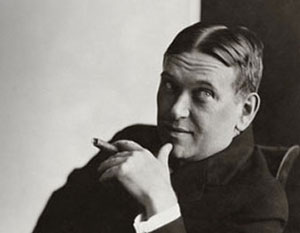
One horse-laugh is worth ten thousand syllogisms. It is not only more effective; it is also vastly more intelligent.
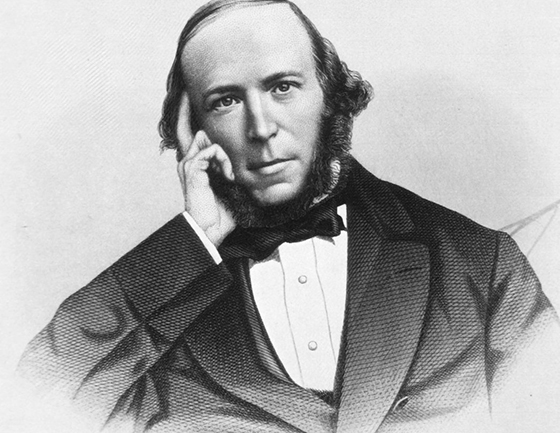
Whoever hesitates to utter that which he thinks the highest truth, lest it should be too much in advance of the time, may reassure himself by looking at his acts from an impersonal point of view. Let him duly realize the fact that opinion is the agency through which character adapts external arrangements to itself—that his opinion rightly forms part of this agency—is a unit of force, constituting, with other such units, the general power which works out social changes; and he will perceive that he may properly give full utterance to his innermost conviction: leaving it to produce what effect it may. It is not for nothing that he has in him these sympathies with some principles and repugnance to others. He, with all his capacities, and aspirations, and beliefs, is not an accident, but a product of the time. He must remember that while he is a descendant of the past, he is a parent of the future; and that his thoughts are as children born to him, which he may not carelessly let die.
Herbert Spencer, from the last page of “The Unknowable,” Part One of First Principles, Second Edition (1867).
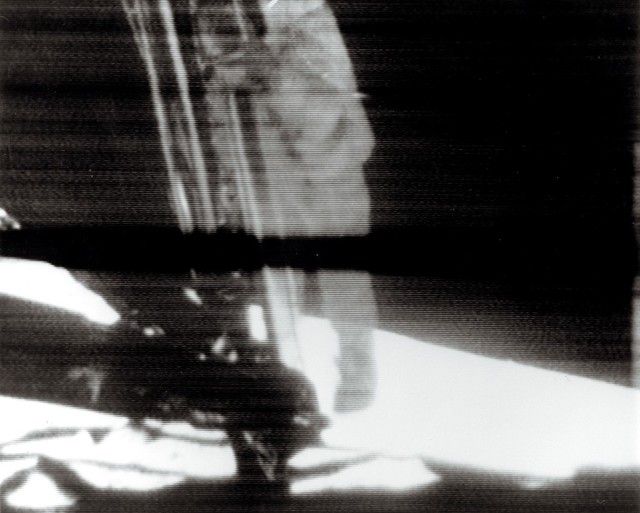
That’s one small step for [a] man, one giant leap for mankind.
What the Apollo 11 astronaut said as he set foot upon the lunar surface on July 21, 1969. The sentence is self-contradictory as CBS news anchor Walter Cronkite heard it and repeated it on air, without the indefinite article — “man,” unmodified, in this context means “mankind” — but Armstrong had indeed intended to say it with the article, so making his announcement sensible and even profound; it is also what he probably did actually say, but was garbled in the transmission to Earth.
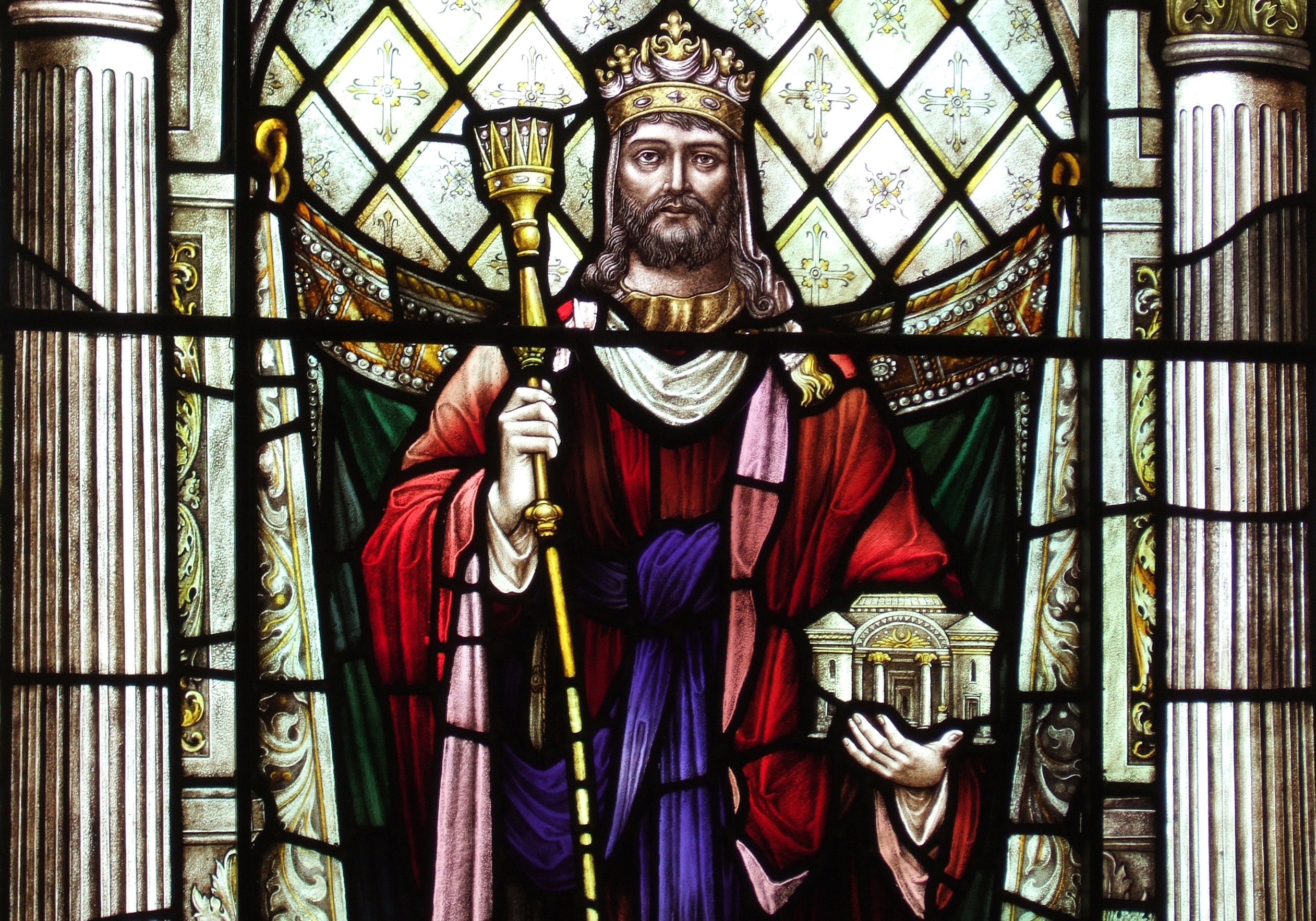
Whoso loveth instruction loveth knowledge: but he that hateth reproof is brutish.
Proverbs 12:1, King James Version
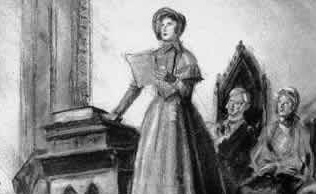
When, in the course of human events, it becomes necessary for one portion of the family of man to assume among the people of the earth a position different from that which they have hitherto occupied, but one to which the laws of nature and of nature’s God entitle them, a decent respect to the opinions of mankind requires that they should declare the causes that impel them to such a course.
Declaration of Sentiments, preamble — Seneca Falls Women’s Rights Converence, July 19-20, 1848.
Today is the 50th anniversary of Apollo 11’s landing upon the Moon, with the touchdown occurring at 20:17 pm Coordinated Universal Time, July 20, 1969.
Abraham Lincoln’s encouraging vision of “government of the people, by the people, for the people” raised hopes that have never been realized. But his name can no longer be used to justify the error that he could not have foreseen in 1863. He could not have envisaged that, a century after he was assassinated, government in the United States, and even more in Great Britain and Europe, would dominate economic life. If he had survived he would not now have approved of the dominant government that democracy has produced. For it is no longer “of” the people, “by” the people, “for” the people.
Gordon Tullock, Government Failure: A Primer in Public Choice (2002)
The application of economics to politics reveals a form of government that Lincoln would not have commended in 1900, 1945, or 2000. Government is now very different from the one based on the common people that Lincoln thought would prevail. Although his vision is still the most common encyclopedia definition of “democracy” Lincoln cannot now be claimed as the father of our 20th-21st-century form of democracy.
Lincoln would now see government not of, by, and for all the people but of, by, and for some kinds of people. He would see it not as of all the people but as of the political activists. He would see government not as by the people but as managed by the politicians and their officials. And he would see government not as for the ordinary people but as for the organized in well-run, well-financed, and influential business organizations, professional associations, and trade unions. It is government “of the Busy (political activists), by the Bossy (government managers), for the Bully (lobbying activists).”
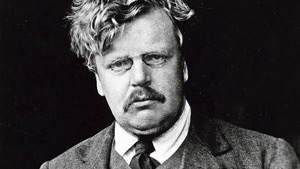
Envy thou not the oppressor, and choose none of his ways.
Proverbs 3:31, King James Version
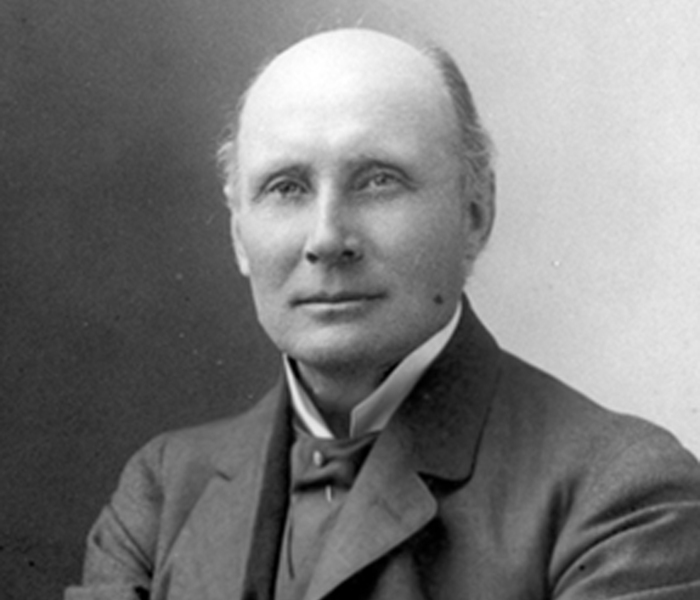
In formal logic, a contradiction is the signal of a defeat; but in the evolution of real knowledge it marks the first step in in progress to victory.
He who rejects liberty has no faith in human nature.