Categories
Thought

C. S. Peirce

In all the works on pedagogy that ever I read — and they have been many, big, and heavy — I don’t remember that any one has advocated a system of teaching by practical jokes, mostly cruel. That, however, describes the method of our great teacher, Experience.

C.S. Peirce, “Pragmatism and Pragmaticism” (1903).
Categories
Thought

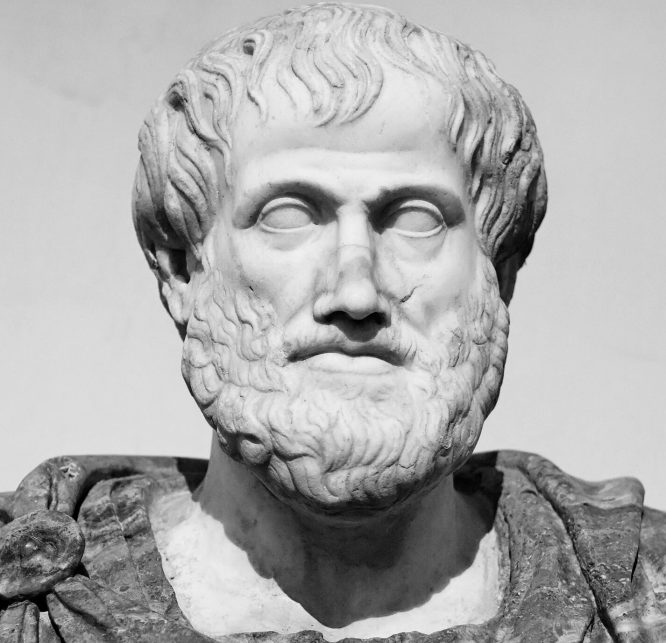
Aristotle

I have gained this by philosophy: that I do without being commanded what others do only from fear of the law.

Aristotle as quoted in Lives of Eminent Philosophers, Diogenes Laertius.
Categories
Thought

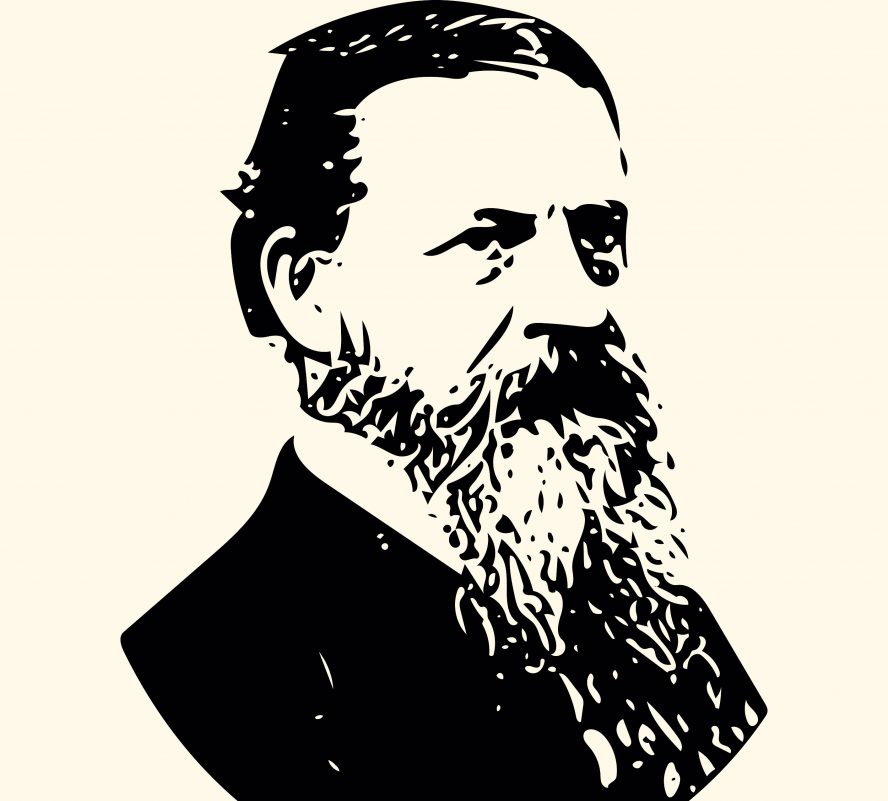
J. H. Levy

Looked at from an economic point of view, I hold socialism to be the active or direct distribution of products by the state. Regarded from its more general or political aspect, I designate as socialistic any extension of state interference or activity beyond the point up to which that interference is necessary in order that freedom may be at the maximum. Individualism postulates that some government — that is, some compulsory cooperation for political purposes — is needed in order to keep freedom at this point, that so much government is justifiable and good, and that all government beyond this is unjustifiable and mischievous. This quantum of government desiderated by the individualist constitutes a norm from which anarchism diverges on one side and socialism on the other. If we are suffering from a poison we find it advantageous to take a second poison, which acts as an antidote to the first. But, if we are wise, we limit our dose of the second poison so that the toxic effects of both combined are at the minimum. If we take more of it, it produces toxic effects of its own beyond those necessary to counteract, so far as possible, the first poison. If we take less of it, the first poison, to some extent, will do its bad work unchecked.


Joseph Hiam Levy, The Outcome of Individualism (1892), Chapter Two.
Categories
Thought

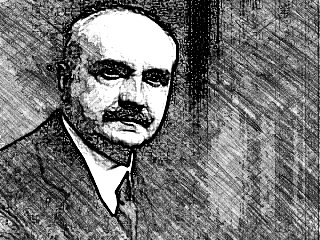
George Santayana

American life is a powerful solvent. As it stamps the immigrant, almost before he can speak English, with an unmistakable muscular tension, cheery self-confidence and habitual challenge in the voice and eyes, so it seems to neutralize every intellectual element, however tough and alien it may be, and to fuse it in the native good-will, complacency, thoughtlessness, and optimism.

George Santayana, Character and Opinion in the United States (1920).

Categories
Thought

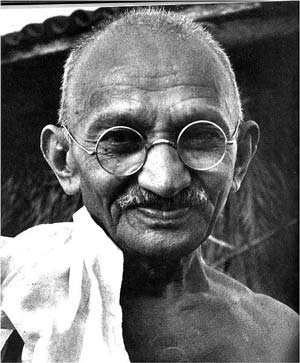
Mahatma Gandhi

Facts we would always place before our readers, whether they are palatable or not, and it is by placing them constantly before the public in their nakedness that the misunderstanding between the two communities in South Africa can be removed.

Mohandas Karamchand Gandhi, Indian Opinion, October 1, 1903.
Categories
Thought

Norman Vincent Peale

Once we roared like lions for liberty; now we bleat like sheep for security.

Categories
Thought

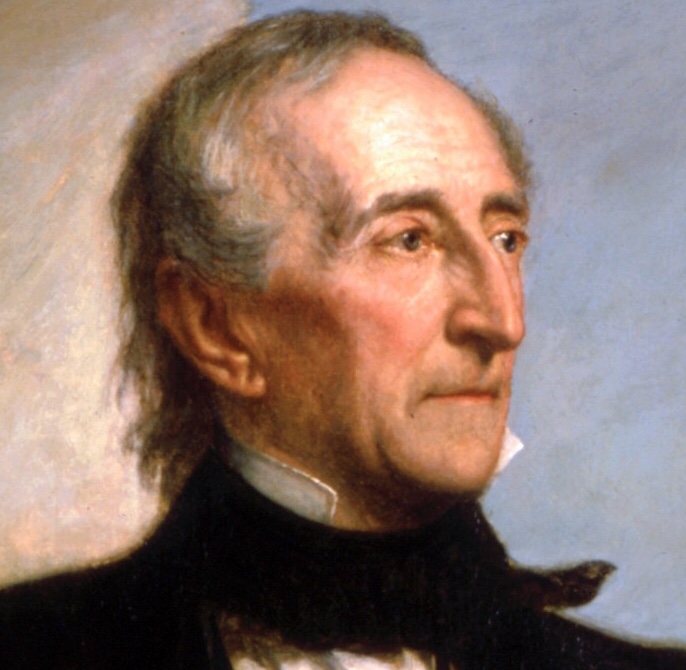
John Tyler

Wealth can only be accumulated by the earnings of industry and the savings of frugality.

U.S. President John Tyler, first annual message to Congress (June 1, 1841).

Categories
Thought

George Santayana

It is not society’s fault that most men seem to miss their vocation. Most men have no vocation. . . .

Reason in Society, Chapter IV (The Life of Reason: The Phases of Human Progress (1905-1906)
Categories
Thought

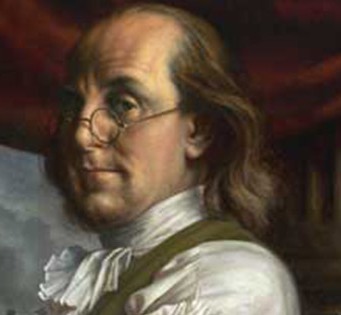
Benjamin Franklin

The first Degree of Folly, is to conceit one’s self wise; the second to profess it; the third to despise Counsel.

Benjamin Franklin, Poor Richard’s Almanack (1744)
Categories
Thought

Utnapishtim

Punish the one who commits the crime;
Punish the evildoer alone.

Ea to Enlil, as related by Utnapishtim in Gilgamesh: Translated from the Sîn-leqi-unninnī version by John Gardner and John Maier (1984), Tablet XI, Column iv.

Pictured above: Babylonian Gilgamesh Tablet, British Museum