The natural liberty of man is to be free from any superior power on Earth, and not to be under the will or legislative authority of man, but only to have the law of nature for his rule.
Categories
Samuel Adams
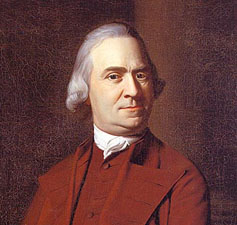
The natural liberty of man is to be free from any superior power on Earth, and not to be under the will or legislative authority of man, but only to have the law of nature for his rule.
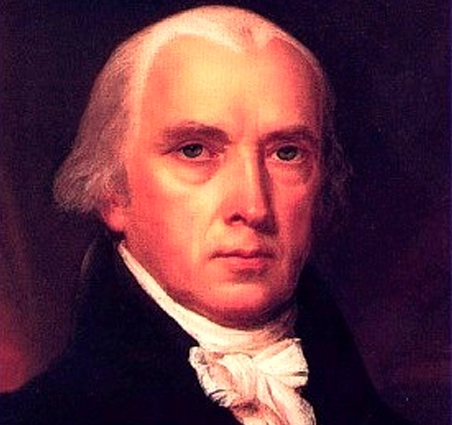
Of all the enemies to public liberty war is, perhaps, the most to be dreaded, because it comprises and develops the germ of every other. War is the parent of armies; from these proceed debts and taxes; and armies, and debts, and taxes are the known instruments for bringing the many under the domination of the few. In war, too, the discretionary power of the Executive is extended; its influence in dealing out offices, honors, and emoluments is multiplied; and all the means of seducing the minds, are added to those of subduing the force, of the people. The same malignant aspect in republicanism may be traced in the inequality of fortunes, and the opportunities of fraud, growing out of a state of war, and in the degeneracy of manners and of morals engendered by both. No nation could preserve its freedom in the midst of continual warfare.
James Madison, “Political Observations,” Apr. 20, 1795 in Letters and Other Writings of James Madison, vol. 4, p. 491 (1865).
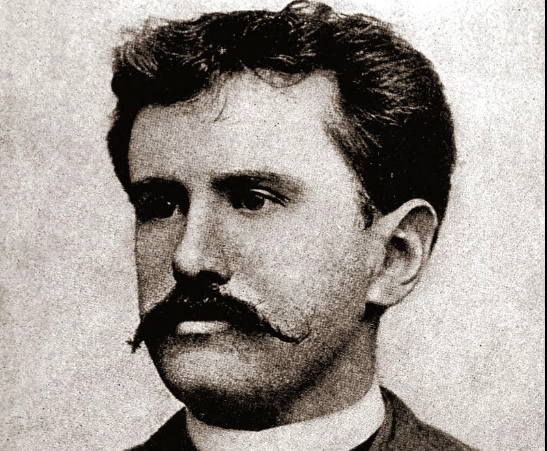
The date is known for some famous and not-so-famous wars and massacres and atrocities. So maybe, for once, we recognize some birthdays . . . literary:
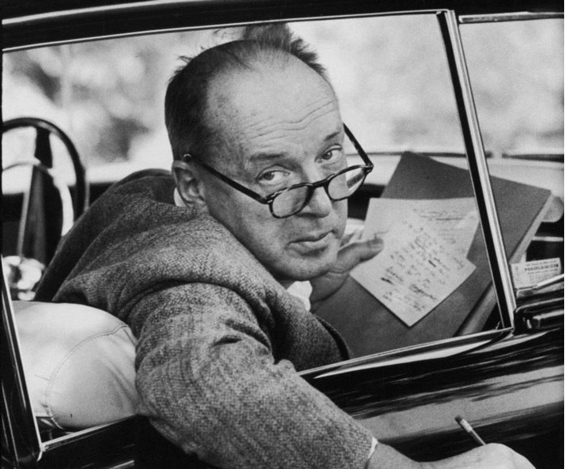
Literature was not born the day when a boy crying ‘wolf, wolf’ came running out of the Neanderthal valley with a big gray wolf at his heels; literature was born on the day when a boy came crying ‘wolf, wolf’ and there was no wolf behind him.
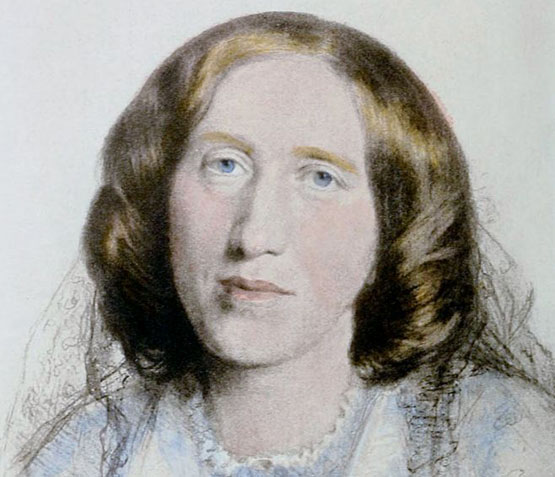
It’s but little good you’ll do a-watering the last year’s crop.
Mary Ann Evans (1819–1880), writing as George Eliot, Adam Bede (1859)
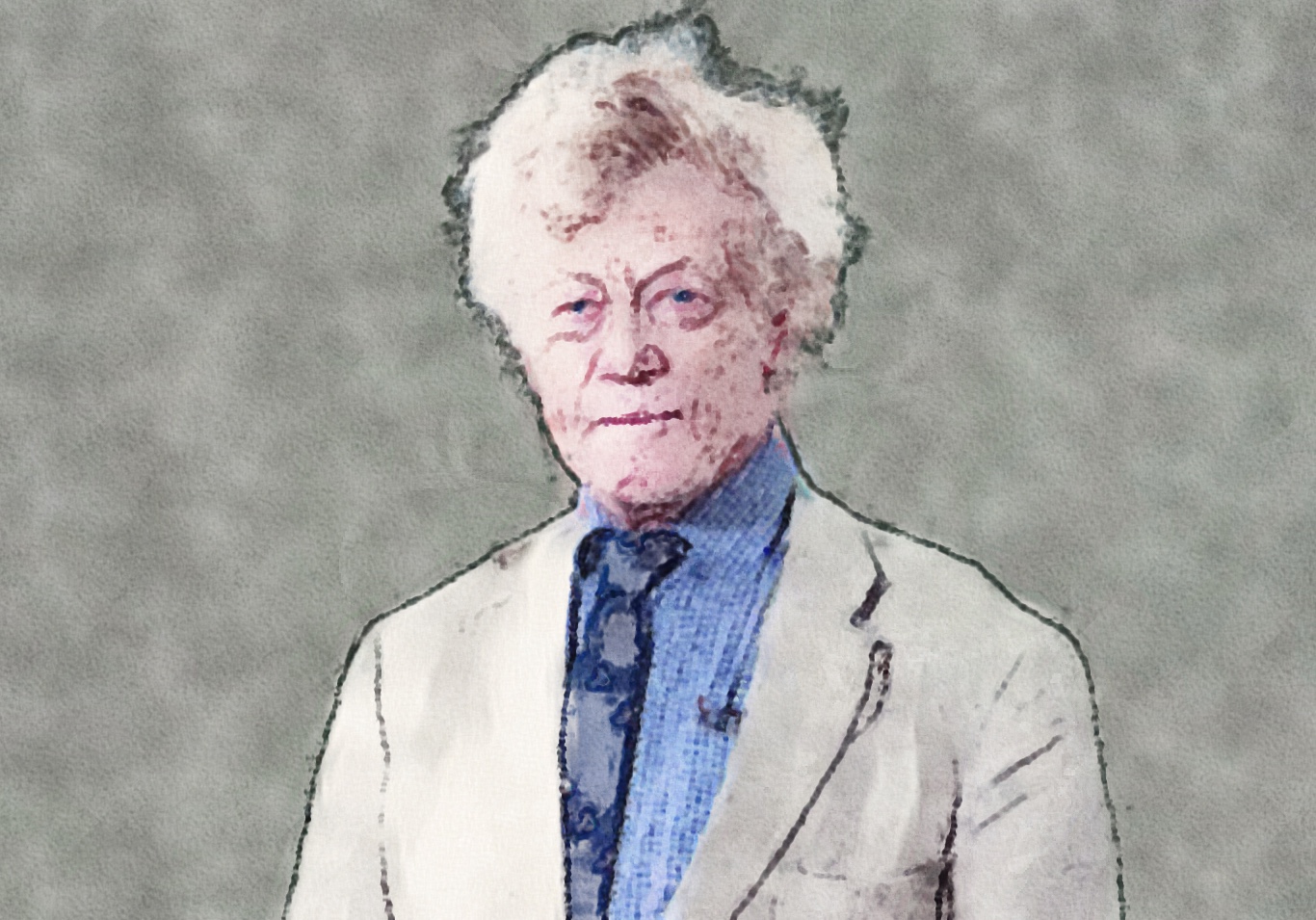
The inescapable conclusion is that subjectivity, relativity and irrationalism are advocated [by Richard Rorty] not in order to let in all opinions, but precisely so as to exclude the opinions of people who believe in old authorities and objective truths. This is the short cut to [Antonio] Gramsci’s new cultural hegemony: not to vindicate the new culture against the old, but to show that there are no grounds for either, so that nothing remains save political commitment.
Thus, almost all those who espouse the relativistic ‘methods’ introduced into the humanities by Foucault, Derrida and Rorty are vehement adherents to a code of political correctness that condemns deviation in absolute and intransigent terms. The relativistic theory exists in order to support an absolutist doctrine. We should not be surprised therefore at the extreme disarray that entered the camp of deconstruction, when it was discovered that one of the leading ecclesiastics, Paul de Man, once had Nazi sympathies. It is manifestly absurd to suggest that a similar disarray would have attended the discovery that Paul de Man had once been a communist — even if he taken part in some of the great communist crimes. In such a case he would haved enjoyed the same compassionate endorsement as was afforded to [György] Lukács, [Maurice] Merleau-Ponty and Sartre.
Roger Scruton, Fools, Frauds and Firebrands: Thinkers of the New Left (2005), (pp. 236-237).

Ernest Bramah, “The Story of Tong So, the Averter of Calamities,” Kai Lung Unrolls His Mat (1928). Pictured: detail of the cover of the 1974 Ballantine edition of the quoted book.
However deep you dig a well it affords no refuge in the time of flood.
A writer who says that there are no truths, or that all truth is ‘merely relative,’ is asking you not to believe him. So don’t.
Roger Scruton, Modern Philosophy (1995), “The Nature of Philosophy” (p. 6).
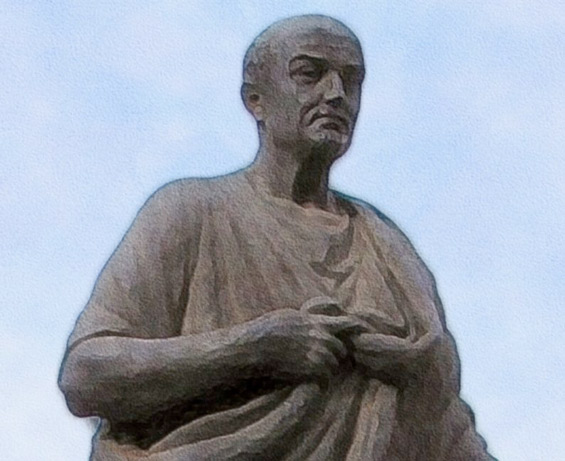
sciant quae optima sunt esse communia.
Lucius Annaeus Seneca, Epistulae Morales ad Lucilium (Moral Letters to Lucilius), Richard Mott Gummere (translator), Letter XII.
The best ideas are common property.

There is more than one way to burn a book. And the world is full of people running about with lit matches.