Right is right, even if everyone is against it, and wrong is wrong, even if everyone is for it.
Categories
William Penn
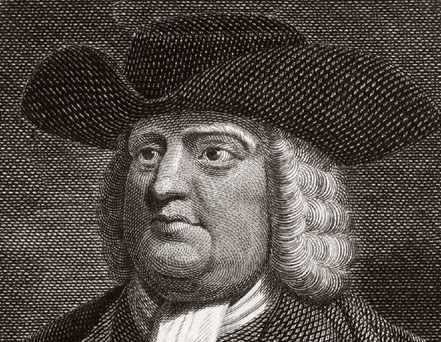
Right is right, even if everyone is against it, and wrong is wrong, even if everyone is for it.
On October 14, 1644, Willliam Penn was born (died 1718). An English real estate entrepreneur, philosopher, and founder of the Province of Pennsylvania (the English North American colony and future Commonwealth of Pennsylvania), he was an early champion of democracy and religious freedom, notable for his good relations and successful treaties with the Lenape Indians.
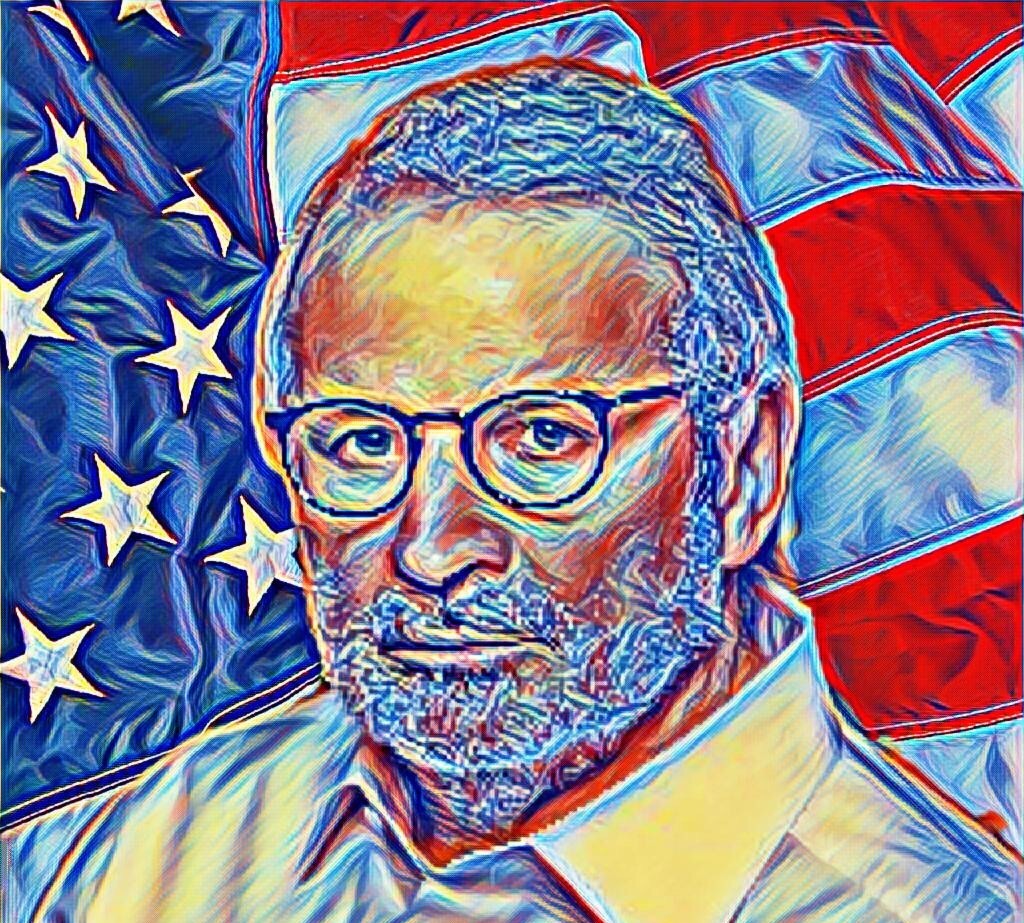
[T]he rise of Trump — and Bernie Sanders too — vastly transcends ordinary politics. In fact, it reaches deep into a ruined national economy that has morphed into rank casino capitalism under the misguided policies and faithless rule of the Washington and Wall Street elites.
David A. Stockman, Trumped! A Nation on the Brink…and How to Bring It Back (Baltimore: Md.: Laissez Faire Books, 2016).
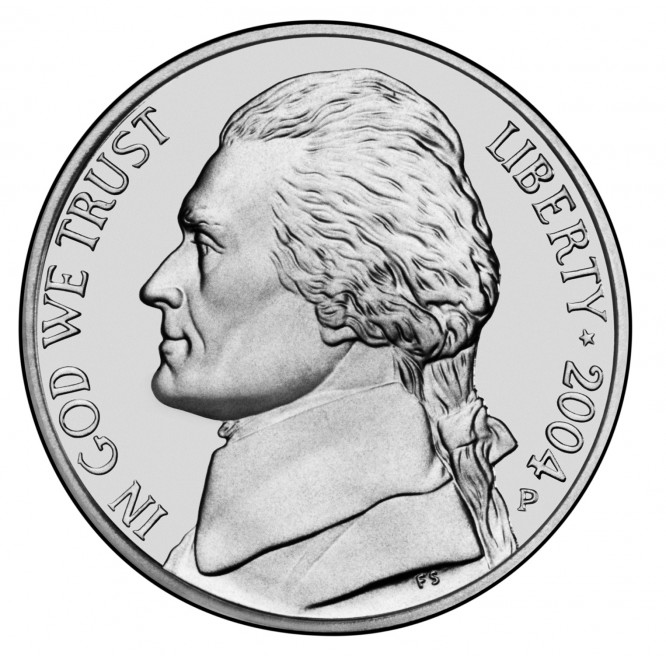
The tree of liberty must be refreshed from time to time with the blood of patriots and tyrants. It is it’s natural manure.
Thomas Jefferson, letter to William Stephens Smith, November 13, 1787.
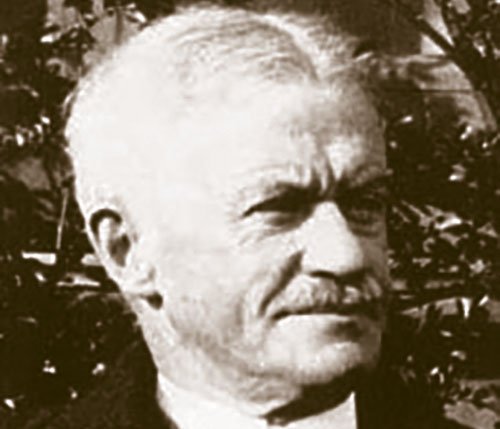
On October 13, 1870, American social critic and education theorist Albert Jay Nock was born. Nock was the author of a number of books, including Jefferson, the Man and Our Enemy, The State, but was probably most famous for his intellectual autobiography, Memoirs of a Superfluous Man, which was widely read and admired amongst conservatives in the 1950s and ’60s.
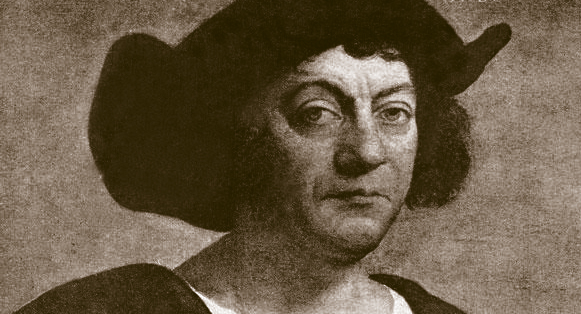
On October 12, 1492, Christopher Columbus landed in the Bahamas, thinking he had reached India.
Exactly two hundred years later, a letter from Massachusetts Governor William Phips ended the Salem Witch Trials.
On this date in 1892, the Pledge of Allegiance was first recited by students in many U.S. public schools, as part of a celebration marking the 400th anniversary of Columbus’s voyage.
The Pledge had been composed that year by Francis Bellamy, a Christian Socialist minister, and was first published in Youth’s Companion magazine, the issue dated September 8, 1892. The recital was accompanied with a salute to the flag known as the Bellamy salute. During World War II, the salute was replaced with a hand-over-heart gesture because the original form (described in detail by Bellamy) involved stretching the arm out towards the flag in a manner that resembled the later Nazi salute. The original form of the Pledge was somewhat less involved than later versions:
I pledge allegiance to my Flag and the republic for which it stands, one nation indivisible, with liberty and justice for all.
In October an editorial addition occurred, the word “to” prefixing “the republic.”
The United States is broke — fiscally, morally, intellectually — and the Fed has incited a global currency war (Japan just signed up, the Brazilians and Chinese are angry, and the German-dominated euro zone is crumbling) that will soon overwhelm it. When the latest bubble pops, there will be nothing to stop the collapse. If this sounds like advice to get out of the markets and hide out in cash, it is.
David Stockman, as quoted by Joe Weisenthal, “David Stockman Writes Huge Unhinged Screed About How America Is Doomed And How You Should Get Out Of The Market NOW,” Business Insider (March 13,2013).
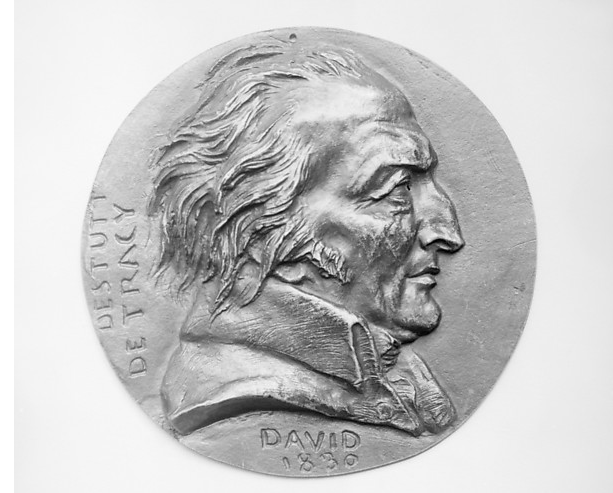
It is manifest that, to banish bad sentiments born of oppression and insolence, it is necessary that laws be equal for everyone, and even for everyplace.
Destutt de Tracy, as quoted by Mme. Victor de Tracy, Death Notice on Destutt de Tracy
(translated by Iris Hartman, 1852)
October 11, 1890, marks the founding of the Daughters of the American Revolution.
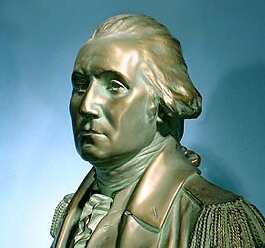
On the same date in 1976, President Gerald R. Ford approved a congressional joint resolution Public Law 94-479 to appoint, posthumously, George Washington to the grade of General of the Armies of the United States, as part of the bicentennial celebrations.
John J. Pershing is the only other American to attain this high title, and the only one to achieve it while alive.
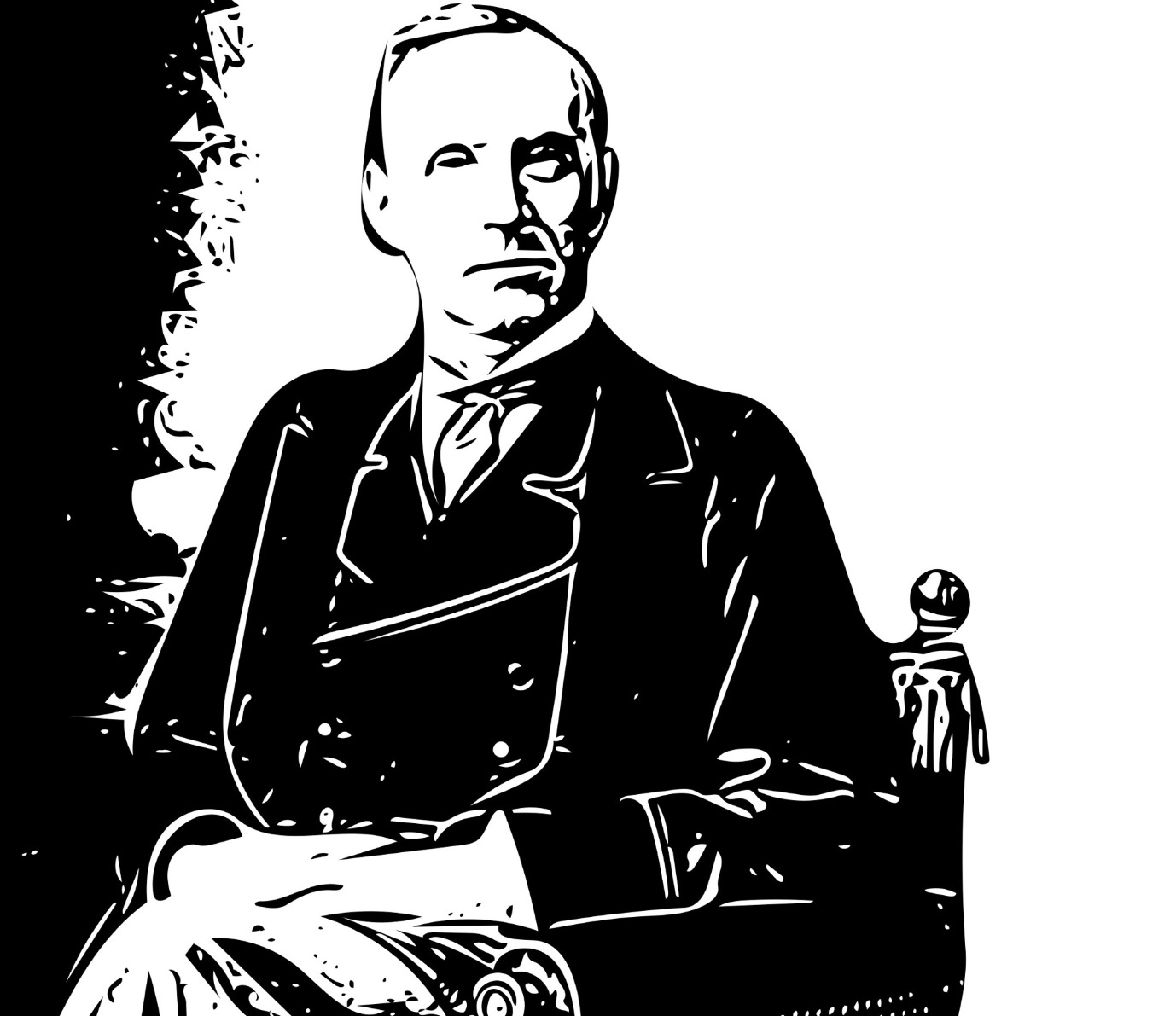
John Morley, Voltaire (London: Macmillan and Company, 1885; 1897), p. 80.
Political liberty . . . has not only a meaning of abstention, but a meaning of participation. If in one sense it is a sheer negative, and a doctrine of rights, in another sense it is thoroughly positive, and a gospel of duties.
x