“Doubtless, it is easy to construct a system without taking into account the complex questions which present themselves, and then to declare that, according to this system, it is all right.”
Yves Guyot, The Tyranny of Socialism, 1894
“Doubtless, it is easy to construct a system without taking into account the complex questions which present themselves, and then to declare that, according to this system, it is all right.”
Yves Guyot, The Tyranny of Socialism, 1894
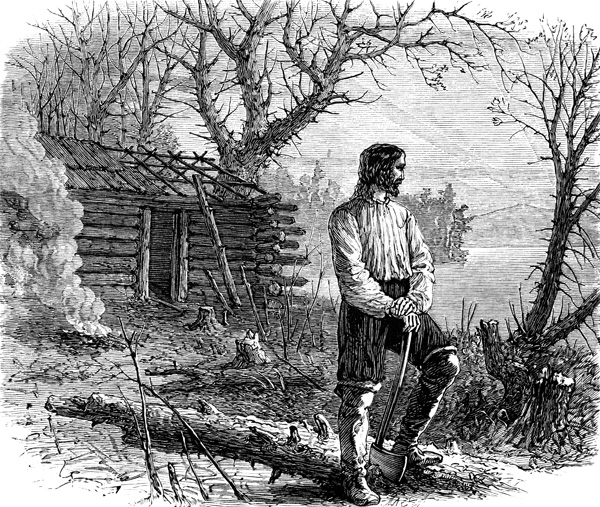
On March 2, 1793, Sam Houston was born.
On March 2, 1926, American economist and political theorist Murray N. Rothbard was born.
As President of the Republic of Texas, Houston cut the size of the Republic’s budget by a whopping amount, including selling the navy for scrap. Rothbard theorized about even more daring — and more permanent — cuts to (and limits upon) government.
On March 2, 1781, the Second Continental Congress convened as the new Congress of the Confederation, under the Articles of Confederation, ratified the day before. The congress elected no new president upon adoption of the Articles. This Confederation Congress oversaw the conclusion of the American Revolution.
March 1st Firsts (and a 17th and a 37th):
| The first United States census was authorized, in 1790.
| Ohio was admitted as the 17th U.S. state, in 1803.
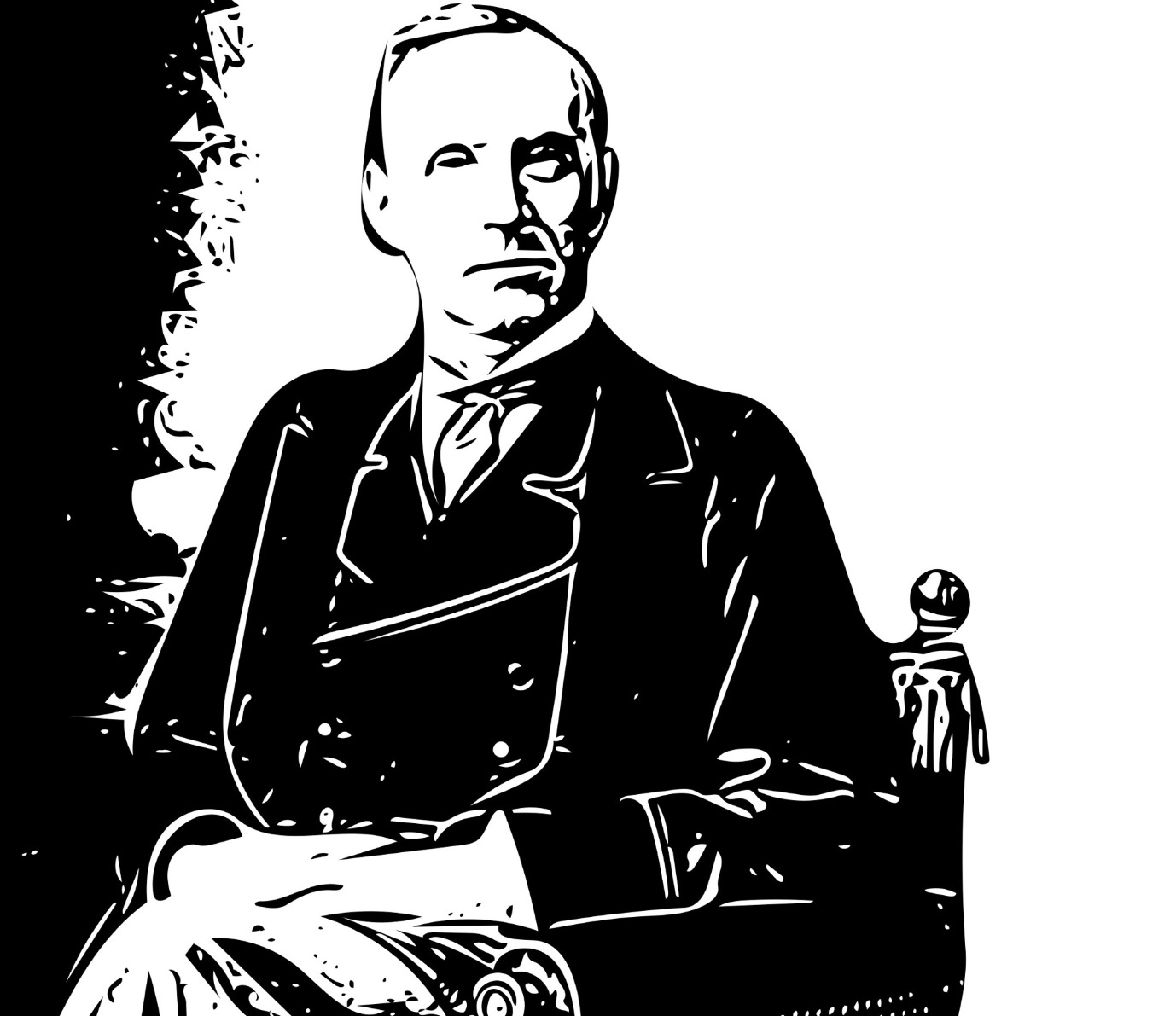
| President John Tyler [pictured above] signed a bill authorizing the United States to annex the Republic of Texas, in 1845.
| The state of Michigan formally abolished capital punishment, 1847.
| Nebraska became the 37th of the United States, in 1867.
| Yellowstone National Park was established as the world’s first national park, 1872.
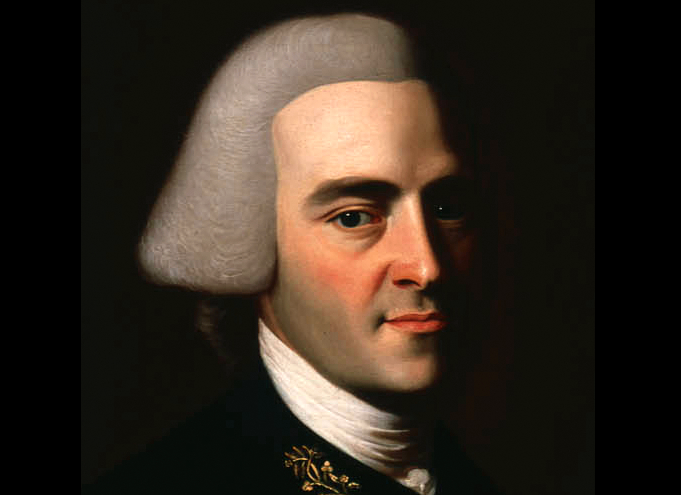
On March 1, 1781, the Continental Congress of the United States adopted the Articles of Confederation. With this, the governing body became known, officially, as United States of America in Congress Assembled, less officially as the Congress of the Confederation. The first session of this newly styled Confederation Congress took over without a break from the Second Continental Congress, adjourning on November 3. Samuel Huntington and Thomas McKean served as presidents during this first session.
The Union is much older than the Constitution. It was formed, in fact, by the Articles of Association in 1774. It was matured and continued by the Declaration of Independence in 1776. It was further matured, and the faith of all the then thirteen States expressly plighted and engaged that it should be perpetual, by the Articles of Confederation in 1778. And finally, in 1787, one of the declared objects for ordaining and establishing the Constitution was to form a more perfect Union.
Abraham Lincoln, first inaugural address (March 4, 1861).
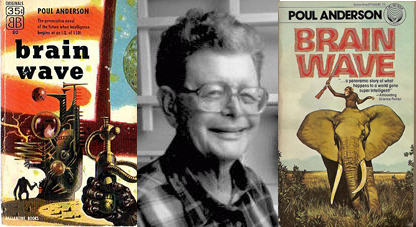
Do not call for black power or green power. Call for brain power.
February 29, also known as the leap day of the Gregorian calendar, is a date that occurs in most years that are divisible by four, such as 2012, 2016, 2020, and 2024. Years divisible by 100, but not by 400, do not contain a leap day — 1700, 1800, and 1900 did not contain a leap day.
Years containing a leap day are called leap years.
On Leap Day, 1796, the Jay Treaty between the United States and Great Britain went into force, facilitating ten years of peaceful trade between the two nations.
A “leapling” is a person born on a leap day. Famous leaplings include Italian composer Gioachino Rossini (1792), American poet Howard Nemerov (1920), American fantasy author Tim Powers (1952), and Ukrainian-American lawyer and educator Eugene Volokh (1968).
What people get paid in the open market depends upon choices about time and productivity. But not all work takes place in that market. And there’s progress, to boot.
Click on over to Townhall.com, for this weekend’s dose of Common Sense — something rare when it comes to talk about earnings differences between the sexes.
Then come back here for more reading:
But this is the great danger America faces. That we will cease to be one nation and become instead a collection of interest groups: city against suburb, region against region, individual against individual. Each seeking to satisfy private wants.
On February 28, 1646, Roger Scott, of Lynn, Massachusetts, was tried for sleeping in church. Awakened in church by a tithingman’s long, knobbed staff hitting him on the head, he struck back at the man, and garnered a whipping as punishment, as well as the dark designation as “a common sleeper at the publick exercise.”
Squelching the speech of those you disagree with, how it is done — a cultural artifact of the present age:
In this video, the valiant Ben Shapiro gives a scheduled talk, but is harassed by protestors and his talk sabotaged by those seeking to “no-platform” him.