I believe half the unhappiness in life comes from people being afraid to go straight at things.
William J. Locke, Simon the Jester (1910)
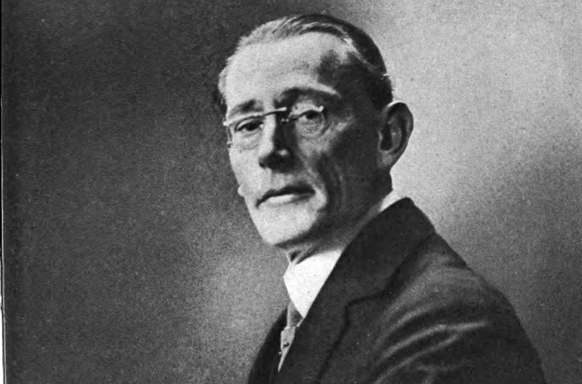
I believe half the unhappiness in life comes from people being afraid to go straight at things.
William J. Locke, Simon the Jester (1910)
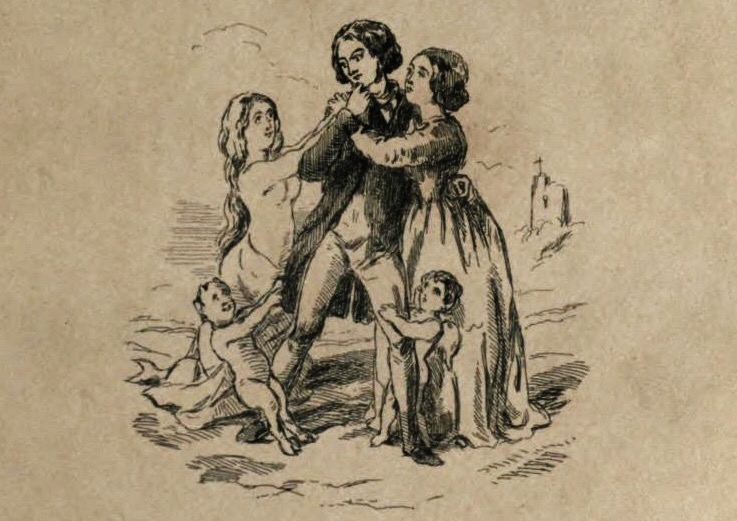
William Makepeace Thackeray, The History of Pendennis (1848-1850), preface.
[W]e judge of a man’s character, after long frequenting his society, not by one speech, or by one mood or opinion, or by one day’s talk, but by the tenor of his general bearing and conversation….
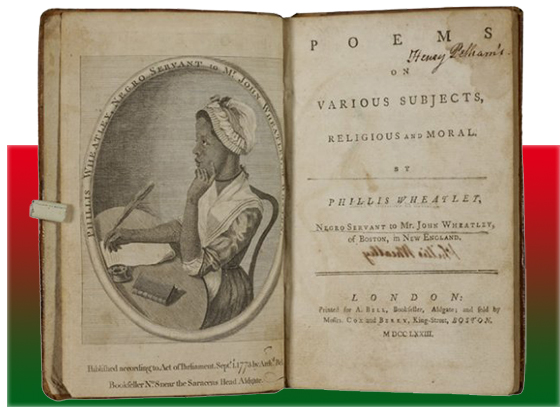
On October 18, 1775, African-American poet Phillis Wheatley was freed from slavery, upon the death of her master. Widely appreciated in her day, she was the first African-American to publish a book.
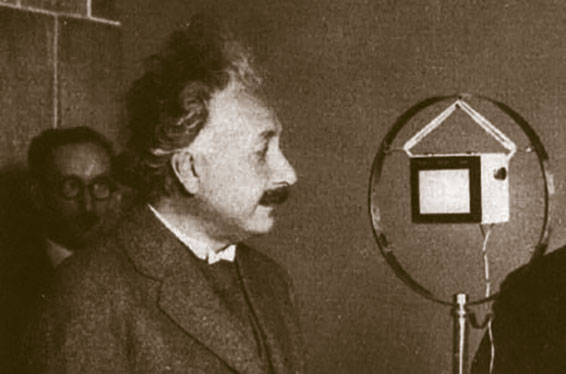
On October 17, 1933, Albert Einstein fled Nazi Germany for the United States.
No more, America, in mournful strain
Of wrongs, and grievance unredress’d complain,
No longer shalt thou dread the iron chain,
Which wanton Tyranny with lawless hand
Had made, and with it meant t’ enslave the land.
Should you, my lord, while you peruse my song,
Wonder from whence my love of Freedom sprung,
Whence flow these wishes for the common good,
By feeling hearts alone best understood,
I, young in life, by seeming cruel fate
Was snatch’d from Afric’s fancy’d happy seat:
What pangs excruciating must molest,
What sorrows labour in my parent’s breast?
Steel’d was that soul and by no misery mov’d
That from a father seiz’d his babe belov’d:
Such, such my case. And can I then but pray
Others may never feel tyrannic sway?
Phillis Wheatley, from “To The Rt. Hon. William, Earl Of Dartmouth”

Expanding on Friday’s Common Sense, Paul Jacob presents to Townhall.com readers his thoughts on begging, public schools, taxation, expected government services, and maybe even diminishing marginal utility. Well, maybe not that last. In any case, click on over, then come back here for that extra perspective that only extra reading can provide:
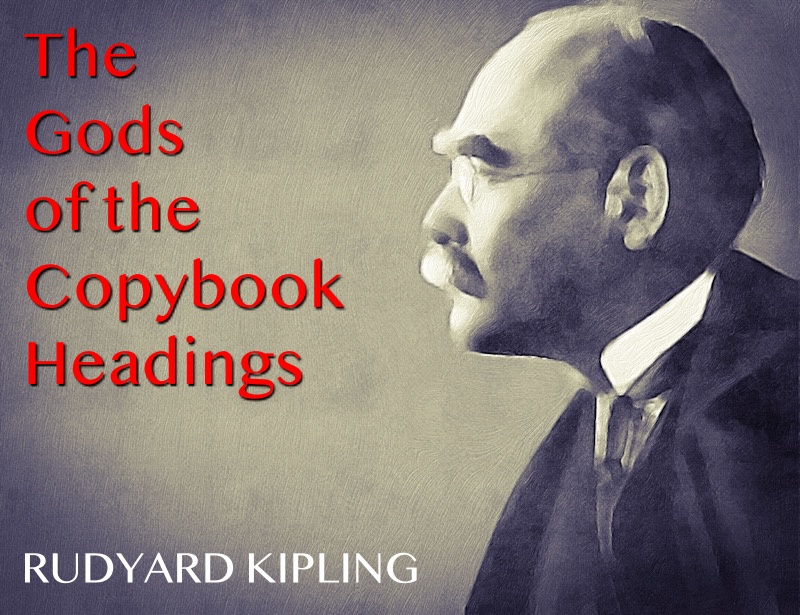
As I pass through my incarnations in every age and race,
I make my proper prostrations to the Gods of the Market-Place.
Peering through reverent fingers I watch them flourish and fall.
And the Gods of the Copybook Headings, I notice, outlast them all.We were living in trees when they met us. They showed us each in turn.
That water would certainly wet us, as Fire would certainly burn:
But we found them lacking in Uplift, Vision, and Breadth of Mind,
So we left them to teach the Gorilas while we followed the March of Mankind.We moved as the Spirit listed. They never altered their pace,
Being neither cloud nor wind-borne like the Gods of the Market-Place;
But they always caught up with our progress, and presently word would come
That a tribe had been wiped off its icefield, or the lights had gone out in Rome.With the Hopes that our World is built on they were utterly out of touch.
They denied that the Moon was Stilton; they denied she was even Dutch.
They denied that Wishes were Horses; they denied that a Pig had Wings.
So we worshiped the Gods of the Market Who promised these beautiful things.When the Cambrian measures were forming, They promised perpetual peace.
They swore, if we gave them our weapons, that the wars of the tribes would cease.
But when we disarmed They sold us and delivered us bound to our foe,
And the Gods of the Copybook Headings said: ‘Stick to the Devil you know.’On the first Feminian Sandstones we were promised the Fuller Life
(Which started by loving our neighbor and ended by loving his wife)
Till our women had no more children and the men lost reason and faith,
And the Gods of the Copybook Headings said: ‘The Wages of Sin is Death.’In the Carboniferous Epoch we were promised abundance for all,
By robbing selective Peter to pay for collective Paul;
But, though we had plenty of money, there was nothing our money could buy,
And the Gods of the Copybook Headings said: ‘If you don’t work you die.’The Gods of the Market tumbled, and their smooth-tounged wizards withdrew,
And the hearts of the meanest were humbled and began to believe it was true
That All is not Gold that Glitters, and Two and Two make Four—
And the Gods of the Copybook Headings limped up to explain it once more.As it will be in the future, it was at the birth of Man—
Rudyard Kipling, “The Gods of the Copy Book Headings” (1919).
There are only four things certain since Social Progress began:—
That the Dog returns to his Vomit and the Sow returns to her mire,
And the burnt Fool’s bandaged finger goes wabbling back to the Fire;
And that after this is accomplished, and the brave new world begins
When all men are paid for existing and no man must pay for his sins,
As surely as Water will wet us, as surely as Fire will burn,
The Gods of the Copybook Headings with terror and slaughter return!
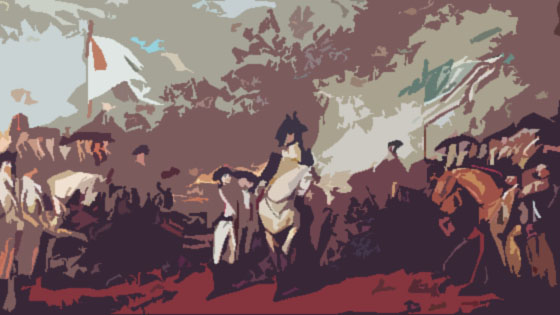
On October 16, 1781, George Washington captured Yorktown, Virginia, after the Siege of Yorktown.
October 16 is a traditional date to award Nobel Peace Prizes, good (Desmond Tutu, 1984), and bad (Henry Kissinger, 1973). Two Nobel laureates were born on October 16, as well: Austen Chamberlain, English statesman, saw daylight first in 1863; Eugene O’Neill, American playwright and Nobel Laureate for Literature, made his debut in 1888.

What would happen if we lacked a “working” government? Well, if it is just a lack of new legislation and a top banana, pretty well, maybe:
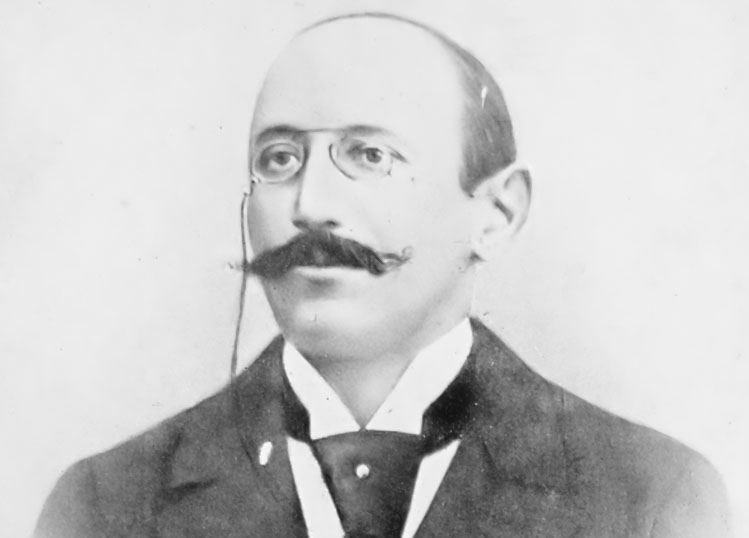
On October 15, 1894, Alfred Dreyfus (1859 – 1935) was arrested for spying: The Dreyfus Affair began.