Categories
Thought

Götz Aly

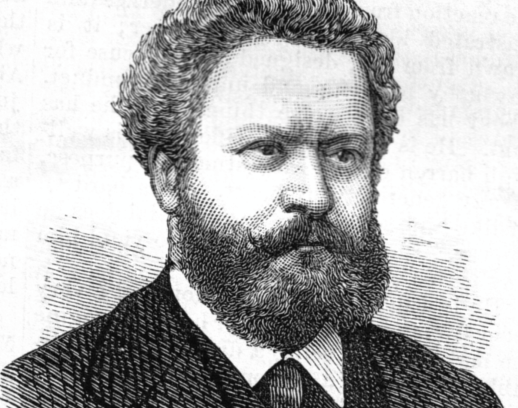
Another major source of stop-gap revenues to fund Hitler’s popular tax and rearmament policies was Germany’s — and later much of Europe’s — Jewish population. By late 1937, civil servants in the Finance Ministry had pushed the state’s credit limit as far as it would go. Forced to come up with ever more creative ways of refinancing the national debt, they urged their attention to property owned by German Jews, which was soon confiscated and added to the so-called Volksvermögen, or the collective assets of the German people.


Götz Aly, Hitler’s Beneficiaries: Plunder, Racial War, and the Nazi Welfare State (2005), Jefferson Chase, trans., p. 41.

Categories
Today

Corn Law

On January 31, 1849, the Corn Laws were abolished in the United Kingdom, one of the most impressive and far-reaching anti-protectionist moves of all time. “Corn” stood for all grains, including wheat, oats, barley, etc.; the free-trade agitation by John Bright and Richard Cobden was one of the main impetuses for the reform.

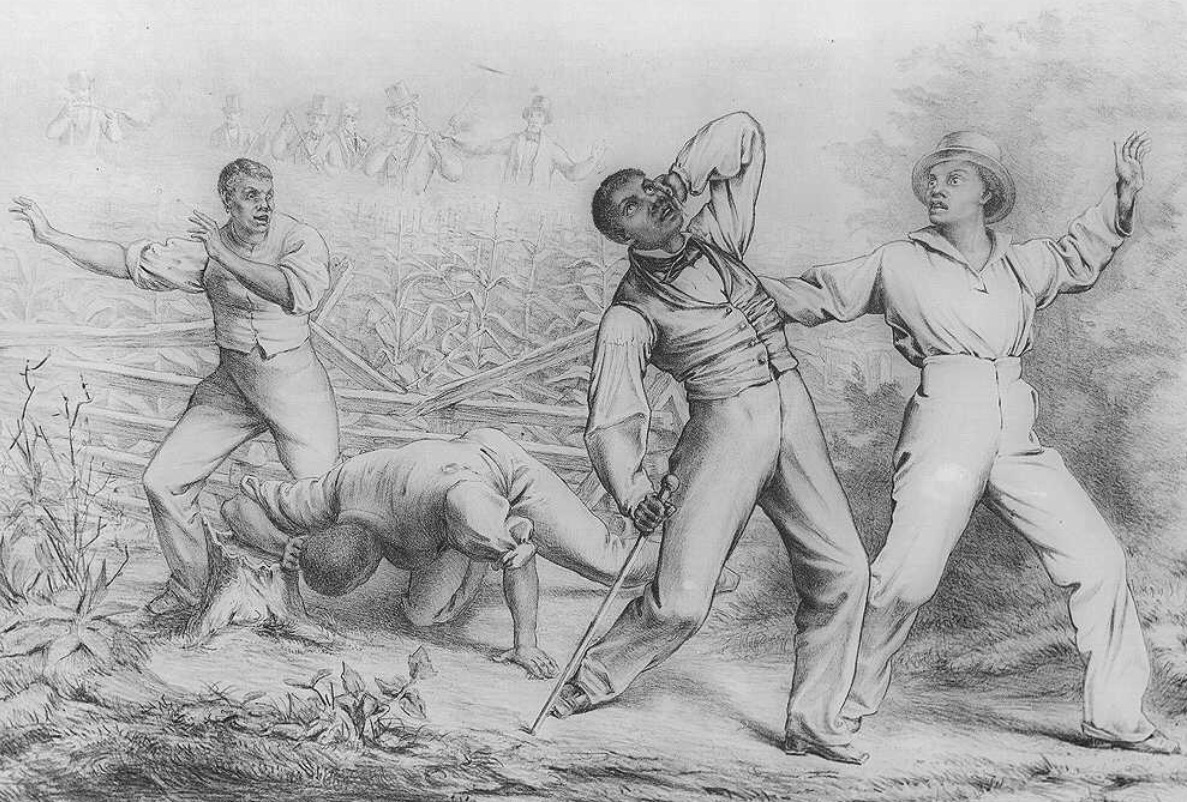
On Jan. 31, 1865, the United States Congress proposed the Thirteenth Amendment to the U.S. Constitution, submitting it to the states for ratification. The Amendment’s main section reads: “Neither slavery nor involuntary servitude, except as a punishment for crime whereof the party shall have been duly convicted, shall exist within the United States, or any place subject to their jurisdiction.”

On Jan. 31, 1990, the first McDonald’s fast food restaurant opens in the Soviet Union. Having once traveled to Moscow, I’m exceedingly thankful for this.

Categories
Thought

Tolstoy

In all history there is no war which was not hatched by the governments, the governments alone, independent of the interests of the people, to whom war is always pernicious even when successful.


Leo Tolstoy, Christianity and Patriotism (1898).

Categories
Today

Non-Violence … and Violent Reaction

On Jan. 30, 1948, Indian leader Mohandas K. Gandhi, known for his non-violent, non-cooperation struggle for freedom and national independence, was assassinated by a Hindu extremist.

On Jan. 30, 1956, Martin Luther King, Jr.’s home was bombed in retaliation for his work on the Montgomery Bus Boycott.

On Jan. 30, 1972, British soldiers killed fourteen unarmed civil rights marchers in Northern Ireland in what came to be known as “Bloody Sunday.” Soldiers shot 26 unarmed protesters and bystanders – 13 males, seven of whom were teenagers, died immediately, while another man died of his injuries nearly five months later. In the immediate aftermath, an investigation by the British Government largely cleared the soldiers and British authorities of blame. A second investigation begun in 1998, released a report in 2010 declaring that all of those shot were unarmed, and that the killings were both “unjustified and unjustifiable.”


Not quite fitting today’s “non-violence elicits violence” theme, on January 30, 1835, Richard Lawrence attempted to shoot former military leader and then-President Andrew Jackson, but failed. He was subdued by a crowd, including several congressmen. That marked the first attempt on the life of a sitting U.S. president.

Categories
links

Townhall: Anarchists, Tea and Sympathy

You have seen the signs, you know the times. But where do you stand on protest vs. rioting?

Paul Jacob plies his common sense trade at Townhall, addressing precisely this issue. Why not join him, then click back here?

Categories
Today

Gallatin

On January 29, 1761, Albert Gallatin was born. Gallatin served as the fourth United States Secretary of the Treasury — a post in which he served longer than any other in American history — advanced the anthropological and linguistic study of native Americans, and became the subject of a biography by Henry Adams. Called the “father of American ethnology,” he has been honored with a 1967 U.S. stamp as well as many placenames, including the Gallatin National Forest in Montana.

Categories
Thought

Götz Aly

Reich officials often justified their policies toward Jews with arguments about economic necessity. For example, one German bureaucrat stationed abroad during the war made the reasonable-sounding — if morally abhorrent — assertion that the sale of Jewish assets was ‘an effective means of price regulation.’


Götz Aly, Hitler’s Beneficiaries: Plunder, Racial War, and the Nazi Welfare State (2005), Jefferson Chase, trans., p. 199.

Categories
video

Torture Works?!?

The new president believes torture “works” . . . and Sen. Rand Paul disagrees:

Sen. Rand Paul is correct: (a) torture doesn’t work, (b) torture is illegal, and (c) we might end up torturing innocent folks.

But I oppose the use of torture for two other reasons: (d) torture is wrong, i.e. immoral, and (e) engaging in torture will make us torturers.

It is possible to hold that these latter reasons trump any concern for the question of whether torture yields good information. “The question is irrelevant.”

Categories
Today

Oil Deregulated

On Jan. 28, 1981, President Ronald Reagan lifted the federal government’s remaining domestic petroleum price and allocation controls in the United States, helping to end the 1970s energy crisis and begin the 1980s oil glut.

The deregulatory move had been begun by Democrats in Congress, particularly Sen. Ted Kennedy, but had been placed on a gradual schedule, and the whole effort clouded with talk of “windfall profits” and a tax on those allegedly unfair returns on investment.


On January 28, 1912, Belgian economist Gustave de Molinari died. One of the last major economists of the French Liberal School, heir to Frederic Bastiat, and a prominent advocate of free trade, Molinari’s last book, The Society of To-morrow (the only one of his many books to be translated into English in his day) envisioned a future of extremely limited government, and argued against the growing tide of socialism and war that was becoming all too apparent as the future of Europe.

Indeed, the old liberal order of Europe ended with the beginning of the Great War, exactly two and one half years after Molinari’s demise.

Categories
Today

American Conscription Ends

On Jan. 27, 1973, President Richard Nixon’s Secretary of Defense, Melvin R. Laird, announced an end to the military draft in favor of a system of voluntary enlistment. Since 1973, the United States armed forces have been known as the All-Volunteer Force.

The Selective Service System, the federal agency that would administer a military draft, continues to be funded. Furthermore, American males continue to be forced to register for the draft.