Categories
Today

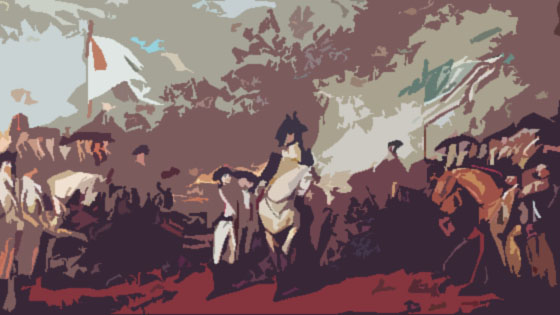
Yorktown Siege Ends

On October 16, 1781, George Washington captured Yorktown, Virginia, after the Siege of Yorktown.

October 16 is a traditional date to award Nobel Peace Prizes, good (Desmond Tutu, 1984), and bad (Henry Kissinger, 1973). Two Nobel laureates were born on October 16, as well: Austen Chamberlain, English statesman, saw daylight first in 1863; Eugene O’Neill, American playwright and Nobel Laureate for Literature, made his debut in 1888.
Categories
Thought

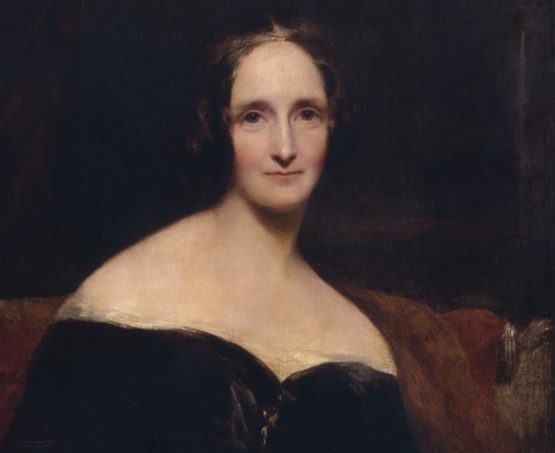
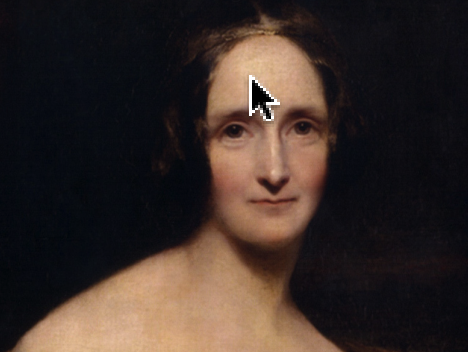
Mary Shelley

All judges had rather that ten innocent should suffer than that one guilty should escape.


Mary Wollstonecraft Shelley, Victor Frankenstein of Justine Moritz in Frankenstein; or, The Modern Prometheus (1818), Ch. 8

Categories
links

Corruption, Corruption and More Corruption

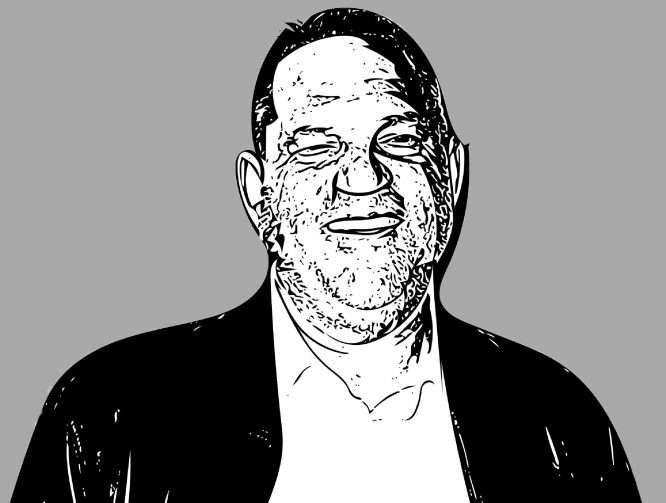
If ever it needed proving before, it is proven, now: power is not just politics. It is influence, as well. And Hollywood folks have been very influential. Harvey Weinstein highest among them.

And apparently most corrupt.

Resist the abusers of power and click on over to Townhall. Then come back here for a tiny bit more reading:

Categories
Today

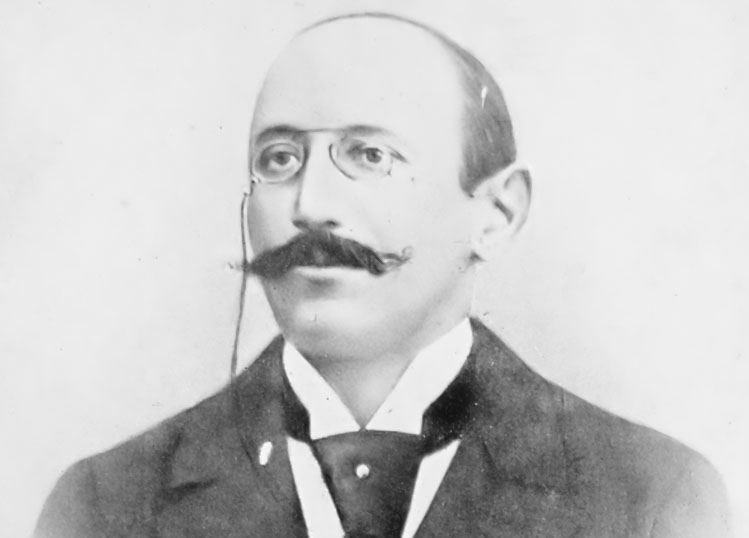
The Dreyfus Affair

On October 15, 1894, Alfred Dreyfus (1859 – 1935) was arrested for spying: The Dreyfus Affair began.

Categories
video

Explaining Trump: Checkers, Chess, and Norman Vincent Peale

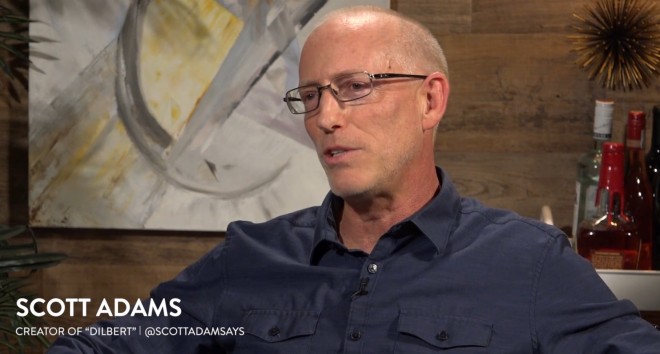
Scott Adams, of Dilbert fame, has a regular Periscope broadcast worth watching. Here are two recent episodes on YouTube (odd formatting; the Periscope versions take up a more of the screen). The subject is President Trump, and Adams is most interested in interpreting Donald Trump as a master persuader:

https://youtu.be/X5602LoXyhY?t=1m15s

https://youtu.be/2cZqlWuz3YI?t=2m9s

Categories
Thought

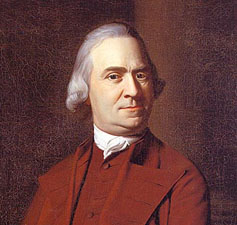
Samuel Adams

The truth is, all might be free if they valued freedom, and defended it as they ought.

Samuel Adams, essay, written under the pseudonym “Candidus,” in The Boston Gazette (October 14, 1771).
Categories
Today

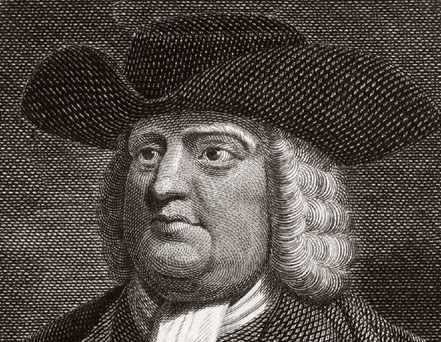
William Penn

On October 14, 1644, Willliam Penn was born. An English real estate entrepreneur, philosopher, and founder of the Province of Pennsylvania (the English North American colony and future Commonwealth of Pennsylvania), he was an early champion of democracy and religious freedom, notable for his good relations and successful treaties with the Lenape Indians. Penn died in 1718.

Categories
Thought

Mary Shelley

Invention, it must be humbly admitted, does not consist in creating out of void, but out of chaos; the materials must, in the first place, be afforded: it can give form to dark, shapeless substances, but cannot bring into being the substance itself. . . . Invention consists in the capacity of seizing on the capabilities of a subject, and in the power of moulding and fashioning ideas suggested to it.


Mary Wollstonecraft Shelley, Frankenstein; or, The Modern Prometheus (1818), Introduction to the 1831 edition

Categories
Today

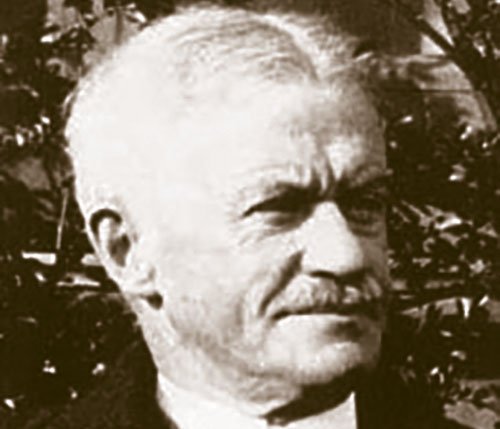
Albert Jay Nock

On October 13, 1870, American social critic and education theorist Albert Jay Nock was born. Nock was the author of a number of books, including Jefferson, the Man and Our Enemy, The State, but was probably most famous for his intellectual autobiography, Memoirs of a Superfluous Man, which was widely read and admired amongst conservatives in the 1950s and ’60s.

Categories
Thought

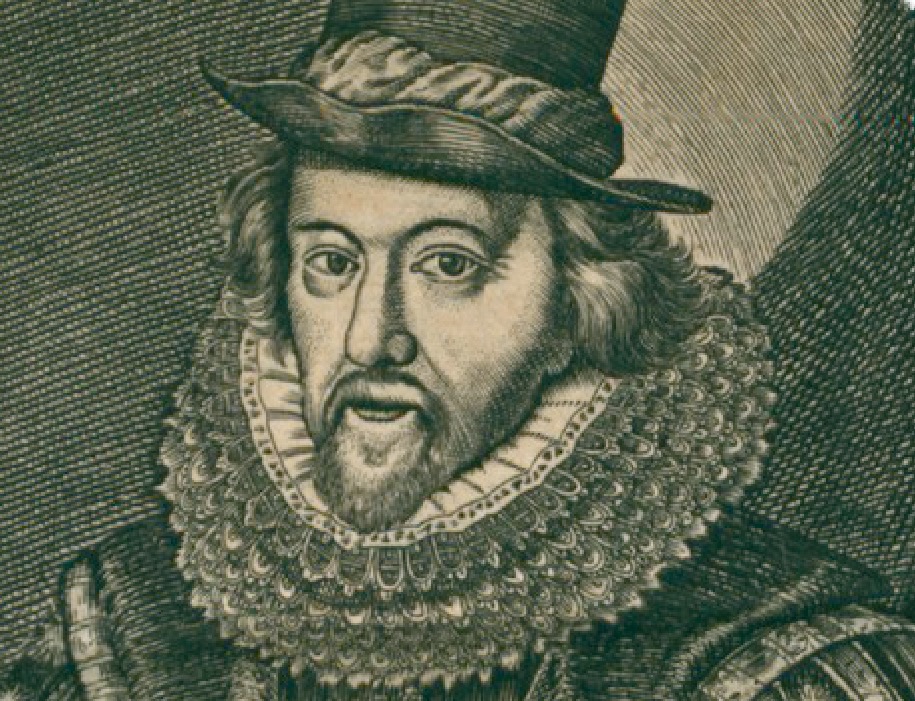
Francis Bacon

What is truth? said jesting Pilate, and would not stay for an answer. Certainly there be, that delight in giddiness, and count it a bondage to fix a belief; affecting free-will in thinking, as well as in acting. And though the sects of philosophers of that kind be gone, yet there remain certain discoursing wits, which are of the same veins, though there be not so much blood in them, as was in those of the ancients. But it is not only the difficulty and labor, which men take in finding out of truth, nor again, that when it is found, it imposeth upon men’s thoughts, that doth bring lies in favor; but a natural, though corrupt love, of the lie itself.


Francis Bacon, “Of Truth,” The Essays or Counsels, Civil and Moral (1625, third and final edition)