On October 21, 1921, President Warren G. Harding delivered the first speech by a sitting U.S. President against lynching in the deep South.
Categories
Harding Spoke Out
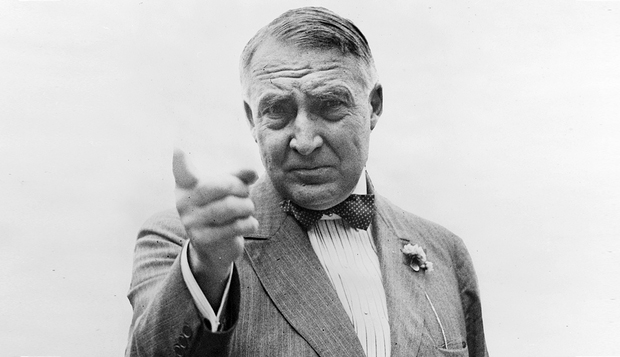
On October 21, 1921, President Warren G. Harding delivered the first speech by a sitting U.S. President against lynching in the deep South.
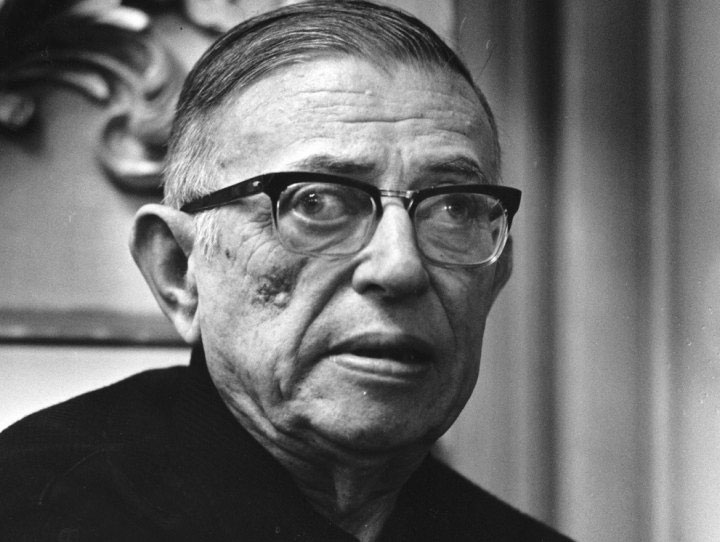
I am responsible for everything . . . except for my very responsibility, for I am not the foundation of my being. Therefore everything takes place as if I were compelled to be responsible. I am abandoned in the world . . . in the sense that I find myself suddenly alone and without help, engaged in a world for which I bear the whole responsibility without being able, whatever I do, to tear myself away from this responsibility for an instant.
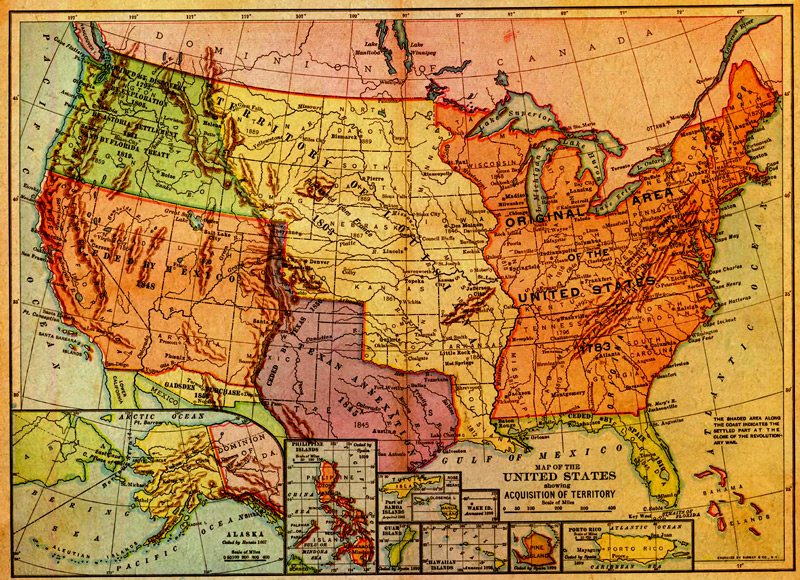
On October 20, 1803, the United States Senate ratified the Louisiana Purchase.
Exactly 15 years later, the Convention of 1818 signed between the United States and the United Kingdom which, among other things, settled the Canada-United States border on the 49th parallel for most of its length.
Let us suppose that in a country of thirty million inhabitants it is proposed, under some pretext or other, to get each citizen to pay out one franc a year, and to distribute the total amount amongst thirty persons. Every one of the donors will give up one franc a year; every one of the beneficiaries will receive one million francs a year. The two groups will differ very greatly in their response to this situation. . . . In these circumstances the outcome is not in doubt: the spoliators will win hands down.
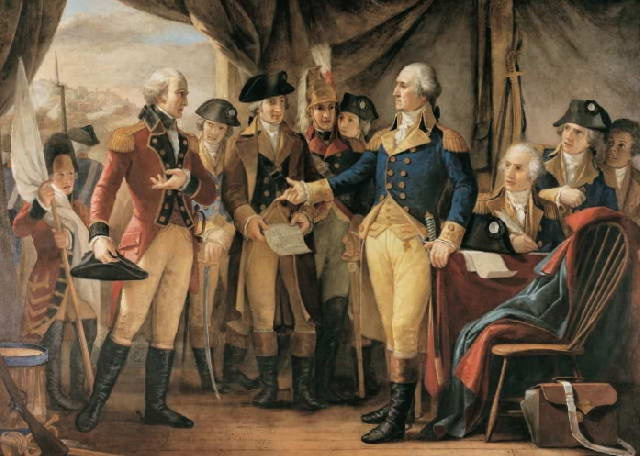
On October 19, 1781, representatives of British commander Lord Cornwallis handed over Cornwallis’s sword and formally surrendered to George Washington and the comte de Rochambeau, at Yorktown, Virginia. The Revolutionary War (or War for Independence, or Colonial Rebellion, or whatever you wish to call it) was over.
In 1918 on this date, conservative writer Russell Kirk was born.
We will freedom for freedom’s sake, in and through particular circumstances. And in thus willing freedom, we discover that it depends entirely upon the freedom of others and that the freedom of others depends upon our own. Obviously, freedom as the definition of a man does not depend upon others, but as soon as there is a commitment, I am obliged to will the liberty of others at the same time as my own. I cannot make liberty my aim unless I make that of others equally my aim.
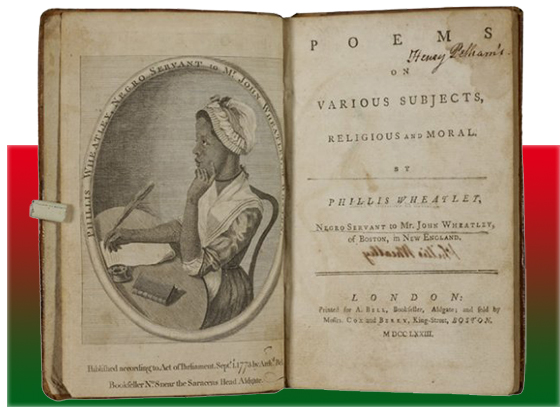
On October 18, 1775, African-American poet Phillis Wheatley was freed from slavery, upon the death of her master. Widely appreciated in her day, she was the first African-American to publish a book.
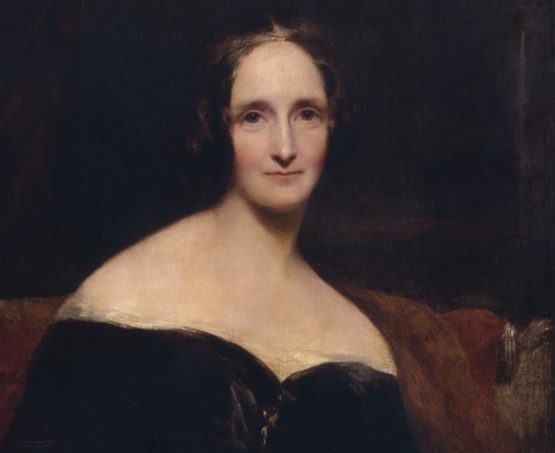
I do not wish women to have power over men; but over themselves.
Mary Wollstonecraft Shelley, detail (above) of a portrait by Richard Rothwell, oil on canvas, first exhibited 1840.
To live in a state of liberty is not to live apart from law. It is, on the contrary, to live under the highest law, the only law that can really profit a man, the law which is consciously and deliberately imposed by himself on himself.
Auberon Herbert, The Right and Wrong of Compulsion by the State (1885)
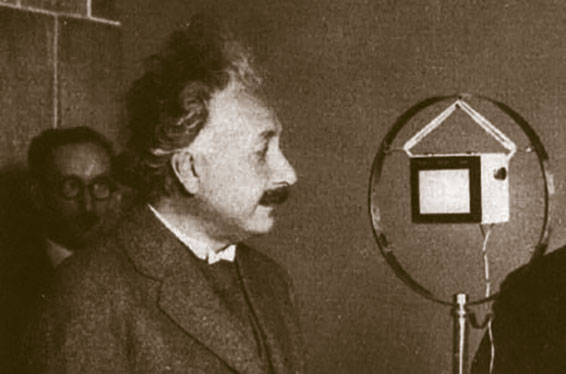
On October 17, 1933, Albert Einstein fled Nazi Germany for the United States.