Herbert Spencer, “The New Toryism,” The Man Versus the State (1884).
If men use their liberty in such a way as to surrender their liberty, are they thereafter any the less slaves?
Categories
Herbert Spencer

Herbert Spencer, “The New Toryism,” The Man Versus the State (1884).
If men use their liberty in such a way as to surrender their liberty, are they thereafter any the less slaves?
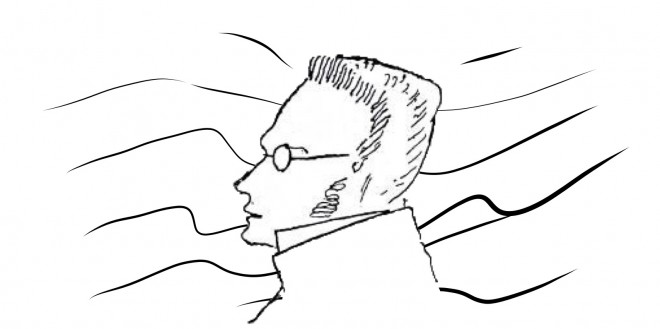
On October 25, 1806, the German philosopher Max Stirner was born. Stirner was known for his radical individualism, which under the name of “egoism” became culturally chic in the late 19th and early 20th centuries. In addition to Der Einzige und sein Eigentum, a major work that was famously attacked by Karl Marx, he translated Adam Smith’s Wealth of Nations and J.-B. Say’s A Treatise on Political Economy into German.
Whoever will be free must make himself free. Freedom is no fairy gift to fall into a man’s lap. What is freedom? To have the will to be responsible for one’s self.
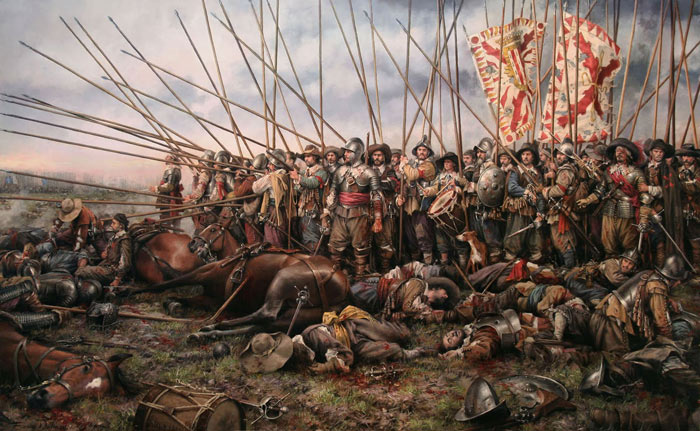
On October 24, 1648, the Peace of Westphalia was signed, marking the end of the Thirty Years’ War.
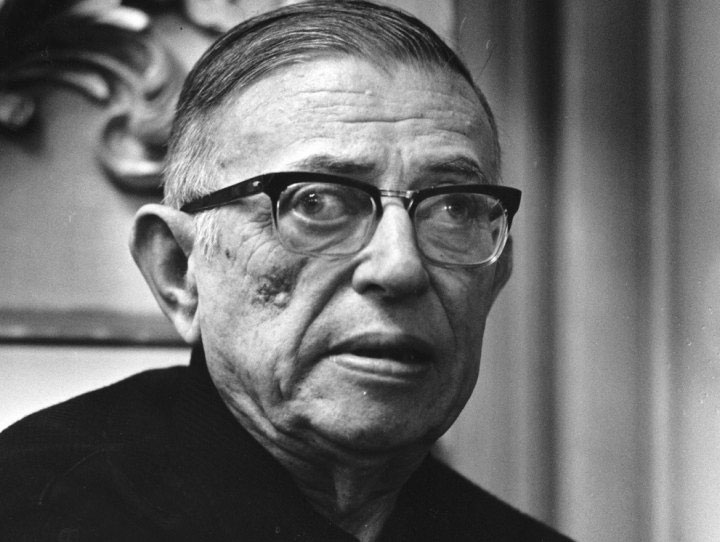
Je suis condamné à être libre..
I am condemned to be free
Jean-Paul Sartre, L’Être et le néant: Essai d’ontologie phénoménologique (Being and Nothingness, 1943), Part 4, chapter 1.
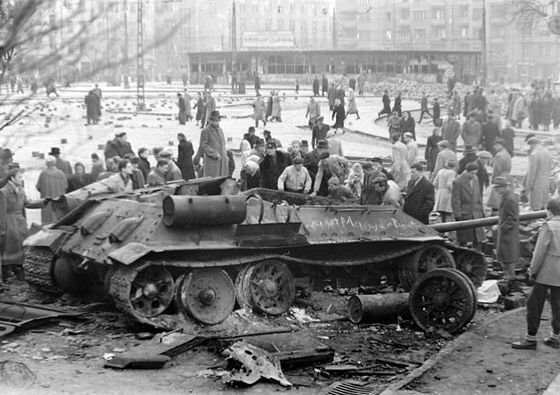
On October 23, 1850, the first National Women’s Rights Convention began in Worcester, Massachusetts.
On the same October date 106 years later, thousands of Hungarians rose up against Soviet rule.
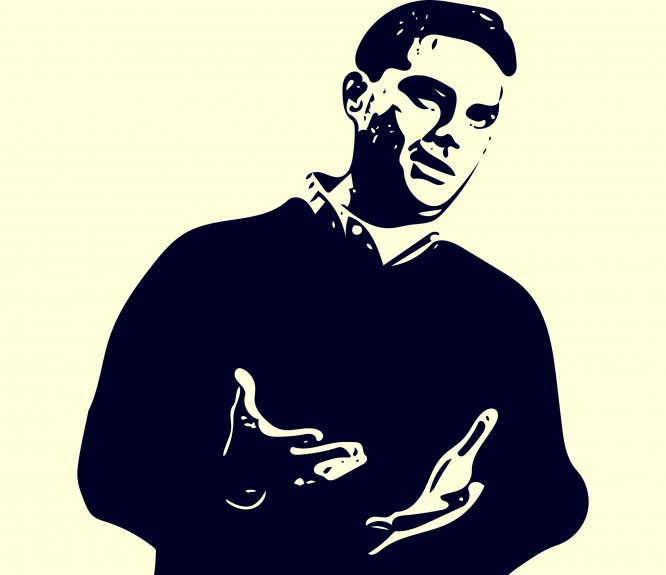
Expanding upon Friday‘s Common Sense, this weekend at Townhall we present the strange case of the Times calling conservative intellectual Ben Shapiro a coward.
On October 22, 1964, philosopher and novelist Jean-Paul Sartre (1905 – 1980) was awarded the Nobel Prize for Literature, but turned down the honor — establishing a precedent that should have been followed by numerous Peace Prize winners, including Barack Obama and the European Union.
Only one other recipient of the award has turned it down voluntarily, namely Henry Kissinger’s co-winner in 1973, Le Duc Tho, though four other recipients were coerced by their governments from accepting the prize’s monetary award: Richard Kuhn, Adolf Butenandt and Gerhard Domagk, by the Nazi government, and Boris Pasternak, by the Soviet Union.
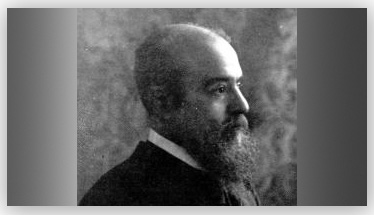
“We can group socialists and protectionists under the name of restrictionists, whilst those who want to base the distribution of wealth solely on free competition can be called liberationists…
“Thus restrictionists are divided into two types: socialists, who through the intervention of the state, wish to change the distribution of wealth in favour of the less rich; and the others, who, even if they are sometimes not completely conscious of what they are doing, favour the rich — these are the supporters of commercial protectionism and social organisation of a military type.”
Vilfredo Pareto, “Socialism and Freedom,” 1891.
Really? It is almost diabolical, creeping political correctness — diabolical.
‘Tis the season.