Categories
Today

The New World

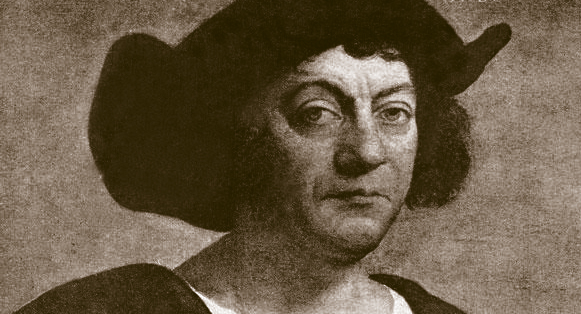
On October 12, 1492, Christopher Columbus landed in the Bahamas, thinking he had reached India.

Exactly two hundred years later, a letter from Massachusetts Governor William Phips ended the Salem Witch Trials.

On this date in 1892, the Pledge of Allegiance was first recited by students in many U.S. public schools, as part of a celebration marking the 400th anniversary of Columbus’s voyage.

The Pledge had been composed that year by Francis Bellamy, a Christian Socialist minister, and was first published in Youth’s Companion magazine, the issue dated September 8, 1892. The recital was accompanied with a salute to the flag known as the Bellamy salute. During World War II, the salute was replaced with a hand-over-heart gesture because the original form (described in detail by Bellamy) involved stretching the arm out towards the flag in a manner that resembled the later Nazi salute. The original form of the Pledge was somewhat less involved than later versions:

I pledge allegiance to my Flag and the republic for which it stands, one nation indivisible, with liberty and justice for all.

In October an editorial addition occurred, the word “to” prefixing “the republic.”
Categories
Today

Remembering the Revolution

October 11, 1890, marks the founding of the Daughters of the American Revolution.

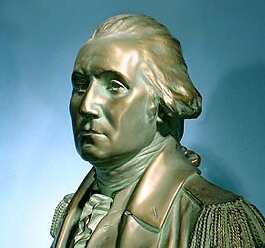
On the same date in 1976, President Gerald R. Ford approved a congressional joint resolution Public Law 94-479 to appoint, posthumously, George Washington to the grade of General of the Armies of the United States, as part of the bicentennial celebrations.

John J. Pershing is the only other American to attain this high title, and the only one to achieve it while alive.

Categories
Thought

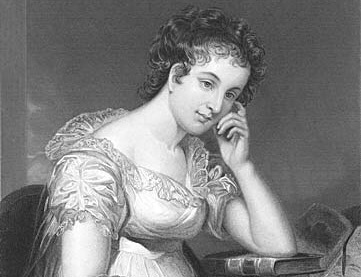
Maria Edgeworth

Surely it is much more generous to forgive and remember, than to forgive and forget.


Maria Edgeworth, “An Essay on the Noble Science of Self-Justification” in Tales and Novels, vol. 1, p. 213.

Categories
Today

Dead Economists

On October 10, 1973, Austrian-born American economist, Ludwig von Mises (pictured above) died.

Two-hundred fifty-nine years earlier, the French law-maker and Jansenist Pierre le Pesant, sieur de Boisguilbert died.

Both economists were known for their defenses of freer markets: le Pesant for pioneering the critique of mercantilism, arguing that a nation’s wealth consisted in what its people produce and trade; Mises for systematizing economic theory and advancing the critique of both socialism and latter-day mercantilism (what he called “interventionism”).


Sixty years ago, on October 10, 1957, Ayn Rand’s dystopian/utopian novel Atlas Shrugged was published. Written to expound and defend a specifically individualist, freedom/free-market point of view, it is surely one of the most influential and literarily successful didactic novels ever written.

Categories
Thought

Pierre le Pesant, Sieur de Boisguilbert

It was only necessary to let nature and liberty alone.

Categories
Today

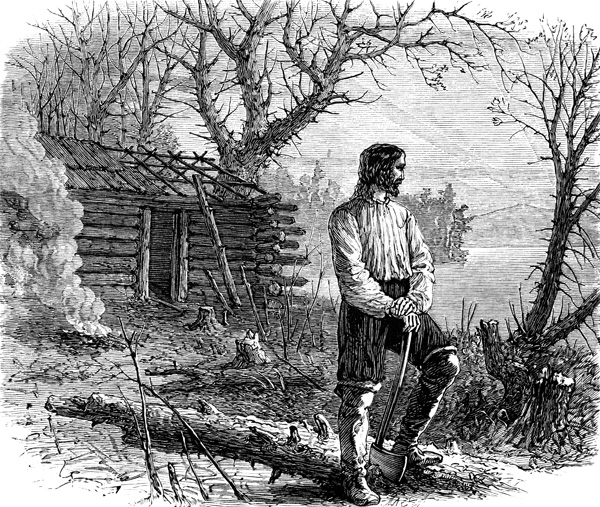
Roger Williams

On October 9, 1635, Protestant theologian Roger Williams was banished from the Massachusetts Bay Colony as a religious dissident after he spoke out against punishments for religious offenses and giving away Native American land. He moved south, founding Providence Plantations, where he worked for separation of church and state, the rights of aboriginal Americans, and against slavery.

Categories
Thought

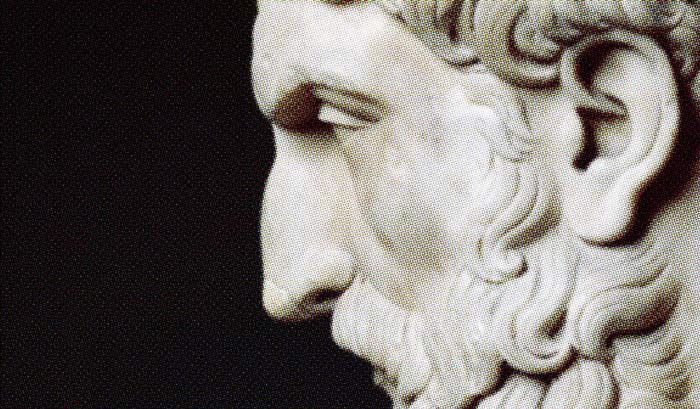
Epicurus

The just person enjoys the greatest peace of mind, while the unjust is full of the utmost disquietude.


Epicurus, Principal Doctrines, 17

Categories
links

Townhall: The Shocking Truth About Term Limits

The mainstream media and political insiders have discovered The Awful Truth about legislative term limits. Click on over to Townhall for the whole astonishing story!

Then come back here for the background:

Categories
Today

Missing Day(s)

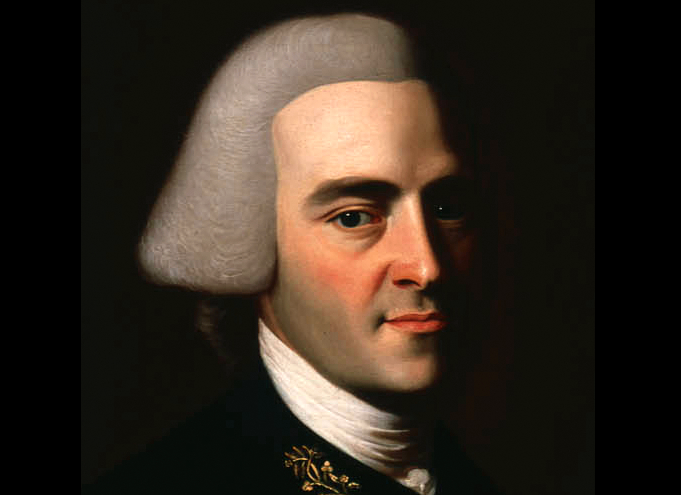
On October 8, 1793, American merchant and first Governor of Massachusetts, John Hancock (b. 1737), died.


The date October 8, 1582, does not exist in the records of Italy, Poland, Portugal and Spain, the result of that year’s implementation of the Gregorian calendar.

Fearing a Catholic plot, Protestant countries adopted the more accurate calendar much later. By the time Britain and its colonies got on board in 1752, eleven days had to be “disappeared.” This caused riots in some places, as people suspected some horrible chicanery — and in actual fact the inspiration for the “Give us our eleven days” protest had something to do with taxes, so it might not have been as idiotic as it now seems.

Categories
Common Sense

What Would George Orwell Have Thought of Antifa?

One of many questions asked of Mr. David Ramsay Steele, whose new book on the author of Animal Farm and Nineteen Eighty-Four takes a thorough and gimlet-eyed view of Orwell’s worldview:

An excerpt (under 11 minutes) from the interview: “Orwell’s Anti-Fascism (David Ramsay Steele)

Mr. Steele’s book on Amazon: Orwell Your Orwell: A Worldview on the Slab

The above interview on Vimeo: “Orwell’s Worldview on the Slab (David Ramsay Steele)