On November 23, 1644, British poet John Milton published Areopagitica, a pamphlet decrying censorship.
Categories
Areopagitica
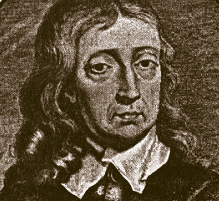
On November 23, 1644, British poet John Milton published Areopagitica, a pamphlet decrying censorship.
Peace is not an absence of war, it is a virtue, a state of mind, a disposition for benevolence, confidence, justice.
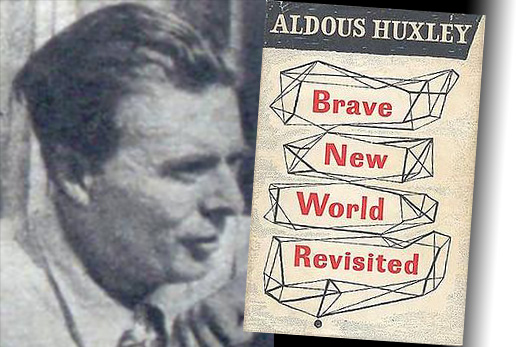
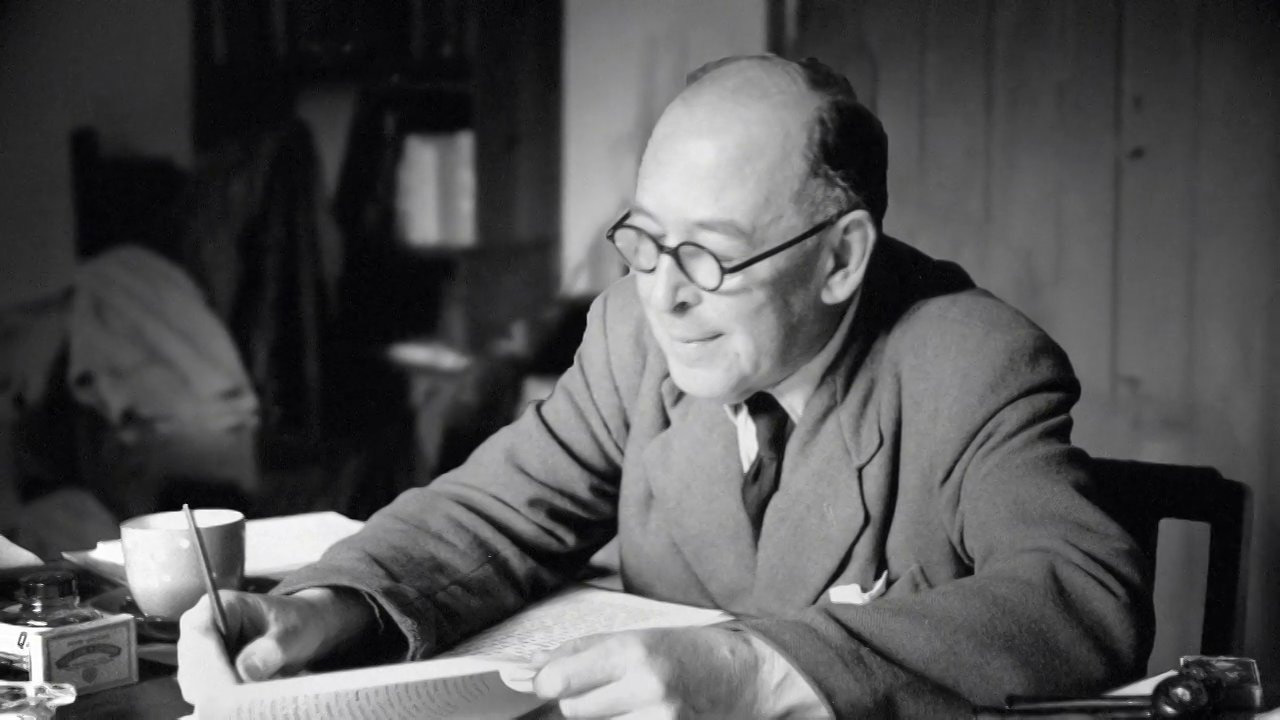
November 22 marks the death dates of a number of eminent writers, including that of English-American novelist and essayist Aldous Huxley and Irish-English novelist, theologian and medieval scholar C.S. Lewis, both of whom died in 1963, the same day as the assassination of American President John F. Kennedy. British novelist Anthony Burgess died exactly 30 years later.
The date also marks the birth of the great British novelist George Eliot (Mary Ann Evans), in 1819.
Recommended reading from these authors include:
Silas Marner (1861), a short and brilliant novel by George Eliot. Her most generally esteemed classic is the much longer Middlemarch (1872).
Earthly Powers (1980), a massive novel about life in the 20th century, by the ever-iconoclastic and hard-to-pin-down Anthony Burgess. His most famous novel is undoubtedly A Clockwork Orange (1963).
“The Humanitarian Theory of Punishment” (1949) and Till We Have Faces (1956), the former being C.S. Lewis’s thoughtful essay on the nature of modern tyranny, and the latter being what some regard his best fiction effort, a retelling of the Psyche myth. He is most famously known for The Screwtape Letters (1942) and The Chronicles of Narnia (1950-1956).
Brave New World (1931) and Brave New World Revisited (1958), the former is Aldous Huxley’s classic dystopian satire on technological tyranny, and the latter is the author’s survey of the issues raised by — and the degrees to which reality conforms to — his earlier fictional prophecy. The two books have been printed under one cover as well as separately.
We laugh at honor and are shocked to find traitors in our midst.
On November 21, 1620, Plymouth Colony settlers signed the Mayflower Compact.
On this day in 1922, Rebecca Latimer Felton of Georgia took the oath of office, becoming the first female United States Senator.
November 21st birthdays include:
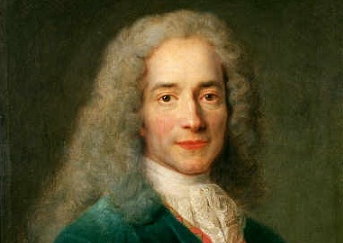
1694 – Voltaire, French philosopher (d. 1778) — portrait above
1729 – Josiah Bartlett, American signer of the Declaration of Independence (d. 1795)
1870 – Alexander Berkman, anarchist (d. 1936), who shot but did not kill industrialist Henry Clay Frick
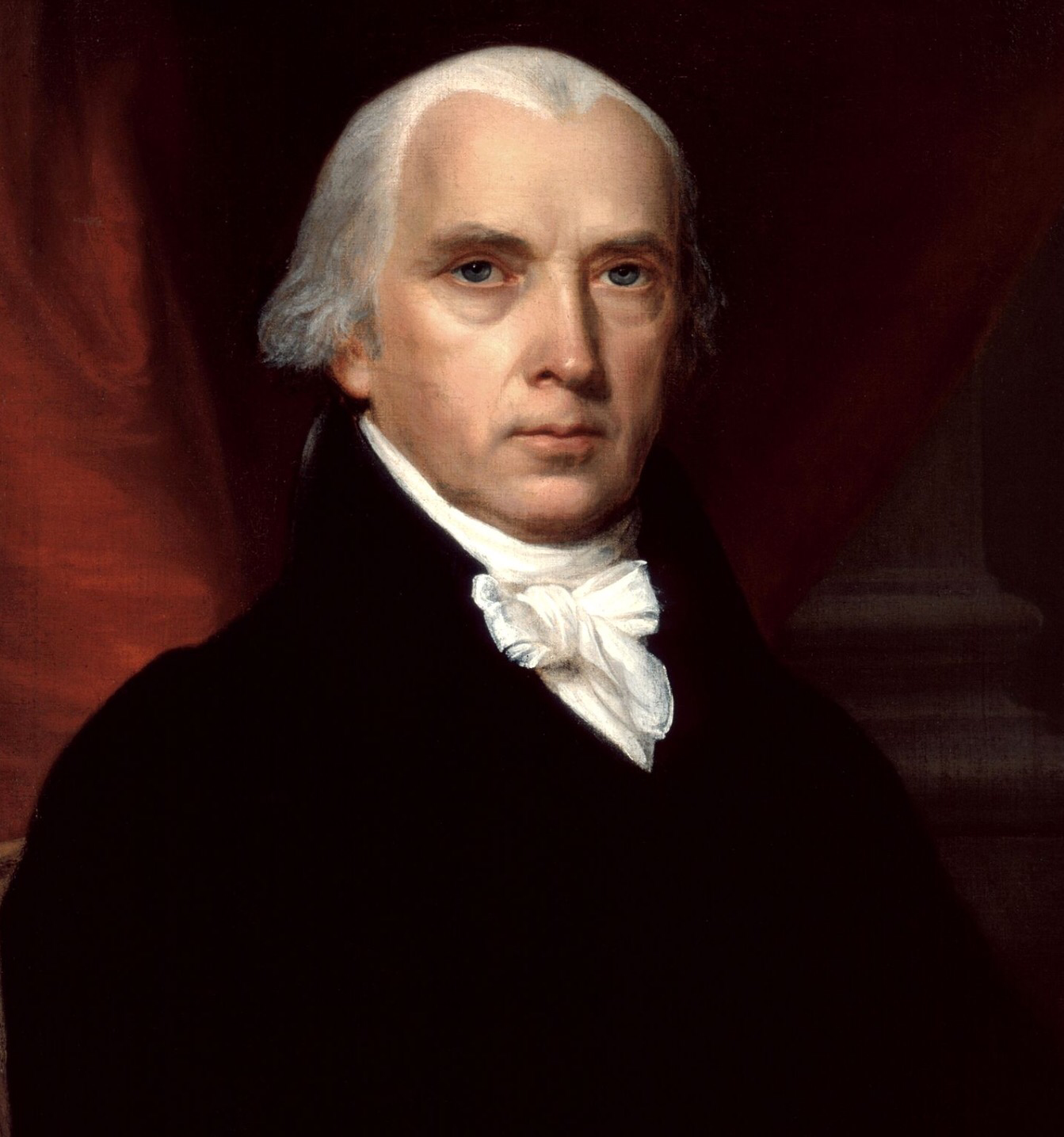
A watchful eye must be kept on ourselves lest while we are building ideal monuments of Renown and Bliss here we neglect to have our names enrolled in the Annals of Heaven.
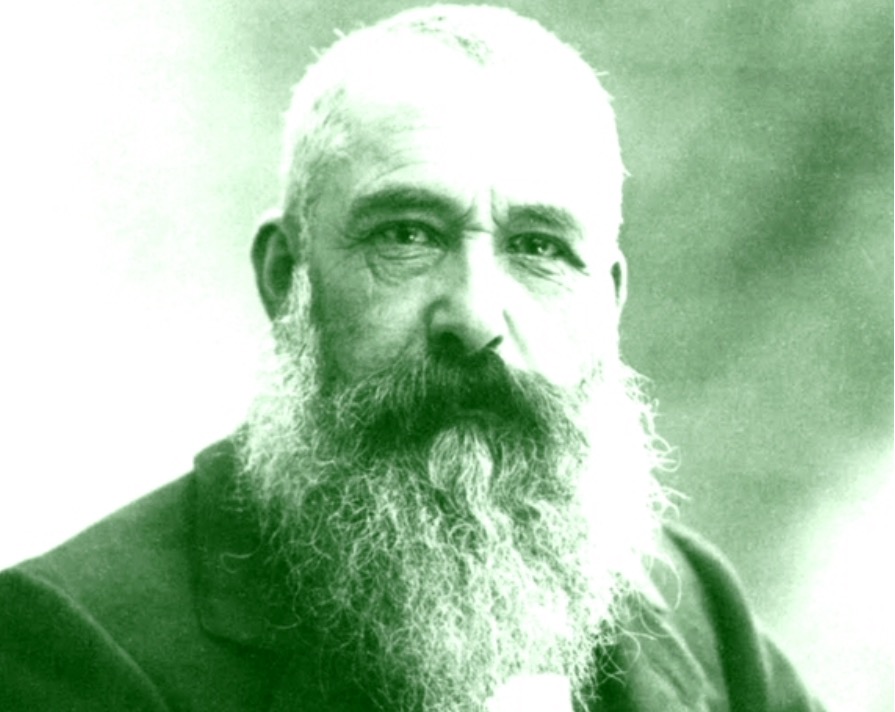
The Inca’s way of dealing with his whole empire seems not to have differed from his conduct in setting up his capital. His procedure there too was marked by the elaboration of a rational program, its execution by authoritarian decree, and finally the laying down of regulations designed to prevent any occasion of disturbance and to render the organization definite and permanent. Naturally, this system, so logical in its plan, was bound to encounter obstacles in adapting itself to realities.
Louis Baudin, A Socialist Empire: The Incas of Peru.
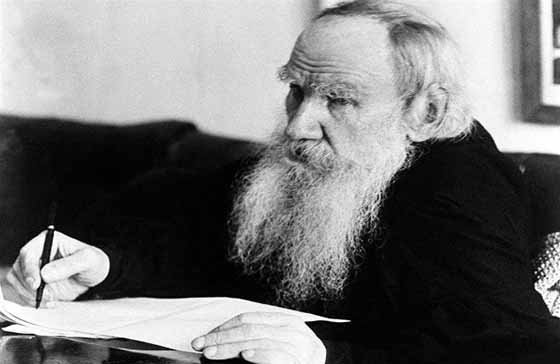
On November 20, 1910, Leo Nikolayevich Tolstoy, Russian author of several classic novels, including War and Peace, and novellas such as “The Death of Ivan Ilyich,” died. Late in his life he wrote a “Letter to a Hindoo” and the essay “The Kingdom of God Is Within You” that served to influence Mohandes K. Gandhi and the non-violent independence movement in India.

One needn’t rake the muck to access it, these days. The further we go in, the deeper it gets. It just sort of pours forth from the nation’s capital, as from Hollywood. Our “cup” seepeth over.
Click on over to Townhall for an analysis of the muck’s consistency. Then click back here.
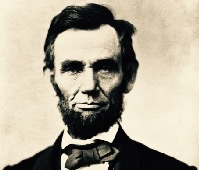
On November 19, 1863, President Abraham Lincoln delivered the Gettysburg Address at the ceremonial dedication of the military cemetery in Gettysburg, Pennsylvania, appropriating an old phraseology for republican government — “of the people, by the people, for the people” — and giving it its most memorable usage.
On the same date in 1955, National Review published its first issue.