Categories
general freedom property rights

And So It Begins

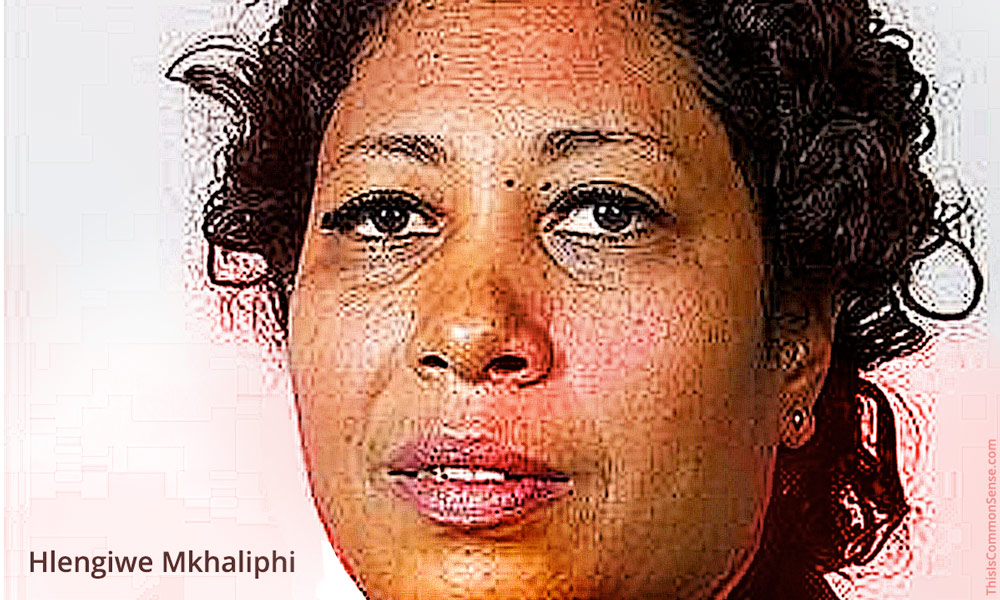
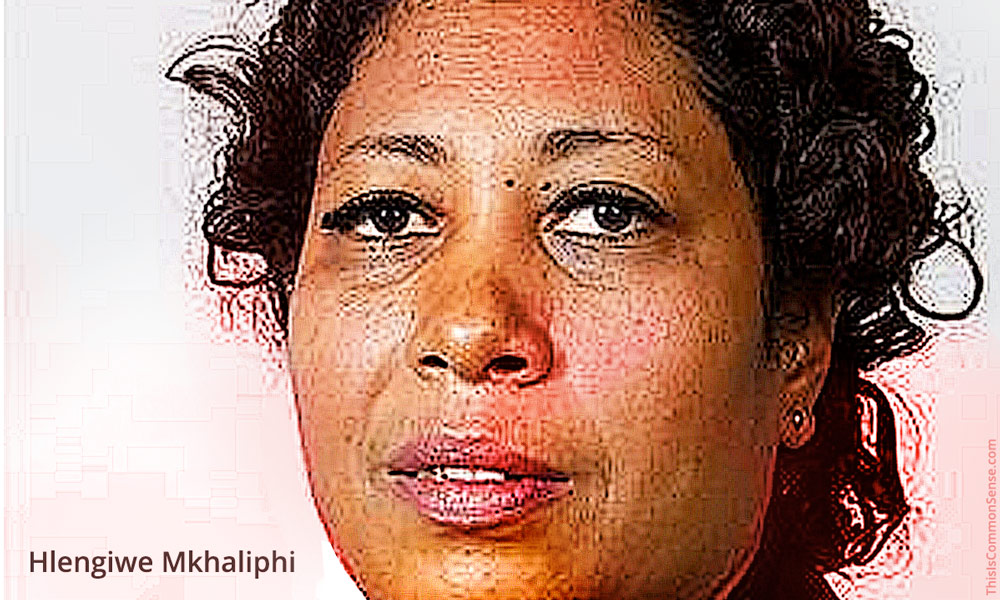
“Your time is up, white people,” South African politician Hlengiwe Mkhaliphi offered.

This woman, who belongs to the Economic Freedom Fighters, a “far left” political party, is defending something Frédéric Bastiat would have dubbed the very worst kind of “legal plunder”: in this case, a land grab from white farmers to give to (some) blacks, without compensation.

“White South Africans could be forced to give up their own homes from next year as the nation’s government steamrolls through plans for land expropriation,” Zoie O’Brien reports for Britain’s Daily Mail. Why? Well, “over claims ‘Africa’s original sin’ must be reversed.”

There will be no reversal, of course. Not of “Africa’s original sin,” which, I dare suggest, mischaracterizes the problems of South Africa.

And yes, I know, it is complicated, since “many in the nation see the move as retribution.” For past white supremacist racial policies.

But justice simply cannot be two wrongs. For what is happening in South Africa is the gearing up for a mass crime. 

They call it “land reform,” of course. Lots of tragedies begin that way. Ask the people of the country formerly called Rhodesia

I’ve referred to South Africa’s gross dysfunction before. There appears to be an instinctive media downplaying of this matter, largely because of past racism and the “white people bad” mentality now too common.

Your time is up, white people. Racism. Sure. (No point in just calling it “reverse racism.”) A crime against the owners of property. The wrong way to address problems, surely.

And ominous, for rarely does an enormity like this stop just there.

This is Common Sense. I’m Paul Jacob.

PDF for printing

Hlengiwe Mkhaliphi

See all recent commentary
(simplified and organized)
See recent popular posts

Categories
Today

American Crises

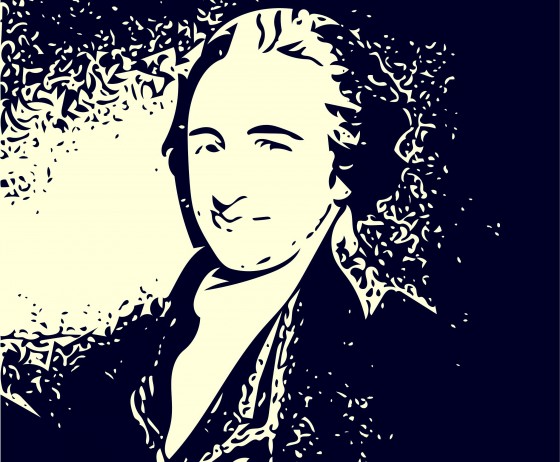
On December 19, 1776, Tom Paine published one of a series of pamphlets in the Pennsylvania Journal titled The American Crisis. Exactly one year later, George Washington’s Continental Army went into winter quarters at Valley Forge, Pennsylvania.

On December 19, 1828, Vice President of the United States John C. Calhoun penned the South Carolina Exposition and Protest, protesting the Tariff of 1828, a key moment in what became known as the Nullification Crisis.

Categories
Thought

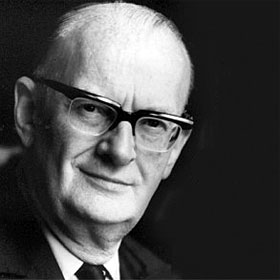
Arthur C. Clarke

If we have learned one thing from the history invention and discovery, it is that, in the long run — and often in the short one — the most daring prophecies seem laughably conservative.

Categories
Today

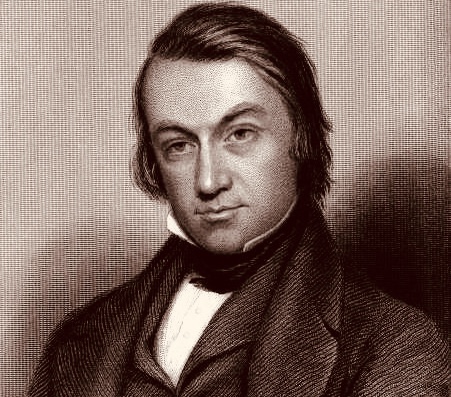
Charles Mackay

“Dissatisfaction with his lot seems to be the characteristic of man in all ages and climates. So far, however, from being an evil, as at first might be supposed, it has been the great civiliser of our race; and has tended, more than any thing else, to raise us above the condition of the brutes.”

Charles Mackay, Memoirs of Extraordinary Popular Delusions and the Madness of Crowds (1852)

Categories
ballot access insider corruption local leaders

Clown Car of Felonies

“It’s overkill of epic proportions,” John Kass writes in the Chicago Tribune, “like using a sledgehammer to kill a gnat, or firing off a nuclear weapon to kill a sparrow.”

In three columns, Kass tells the story of David Krupa, a 19-year-old DePaul University student, who gathered over 1,700 voter signatures on petitions to gain a spot on the ballot for alderman of Chicago’s notorious 13th Ward.

Why notorious? It’s Boss Madigan’s home.

Yes, the “Land of Lincoln,” home to nearly 13 million people, is ruled by one man, Michael J. Madigan, Speaker of the Illinois House, “the longest-serving leader of any state or federal legislative body in the history of the United States.” 

And 13th Ward Alderman Marty Quinn, the incumbent, is Madigan’s guy.

Quickly, a lawsuit was filed challenging Krupa’s petitions and, as Kass explains, “A crew of mysterious political workers — perhaps they were Buddhist monks, or the gentle sun people known as the Eloi, or maybe Madigan precinct captains — filed 2,796 petitions of revocation of signature.”

While almost three thousand people executed affidavits stating that they wanted their signatures removed from Krupa’s petition, only 187 actually signed his petition.

Since the revocations require swearing to a legal document, under penalty of perjury, and perjury is a felony, more than 2,500 people — and their knowing helpers — appear to have committed what Krupa’s attorney calls a “clown car of felonies.”

Then — voilà! — the legal challenge evaporated. Young Krupa won’t be squashed; there will be a challenger on the 13th Ward ballot for the first time in decades. 

Is that enough? No. 

Election process corruption and the possible suborning of thousands of felonies must be investigated. 

No quarter for boss rule.

This is Common Sense. I’m Paul Jacob.


PDF for printing

Michael Madigan, Speaker, House, Illinois, corruption, machine

See all recent commentary
(simplified and organized)
See recent popular posts

Categories
Thought

George Santayana


American life is a powerful solvent. As it stamps the immigrant, almost before he can speak English, with an unmistakable muscular tension, cheery self-confidence and habitual challenge in the voice and eyes, so it seems to neutralize every intellectual element, however tough and alien it may be, and to fuse it in the native good-will, complacency, thoughtlessness, and optimism.

George Santayana, Character and Opinion in the United States (1920).
Categories
Today

Thanksgiving in December

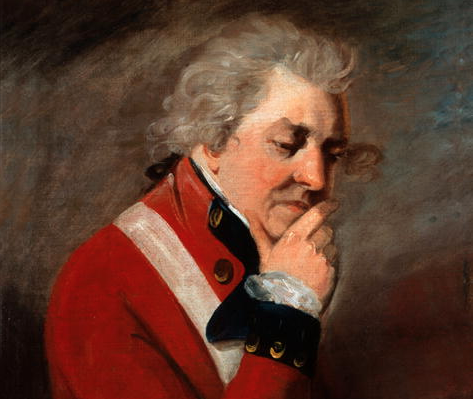
On December 18, 1777, the United States celebrated its first official Thanksgiving, marking the then-recent October victory by the Americans over General John Burgoyne [pictured, above] in the Battle of Saratoga.

Categories
government transparency national politics & policies

Full Frontal Negotiations

Last week’s political circus reached a new level of Big Top.

Or three rings, as President Donald Trump hosted two Democratic leaders in the White House, debating border security and government shutdown — in public. House Minority Leader, soon-to-be Speaker Nancy Pelosi (D-Calif.) and Senate Minority Leader Charles E. Schumer (D-N.Y.) were somewhat uncomfortable with Donald Trump’s decision to hash out their differences in front of the cameras and the American people.

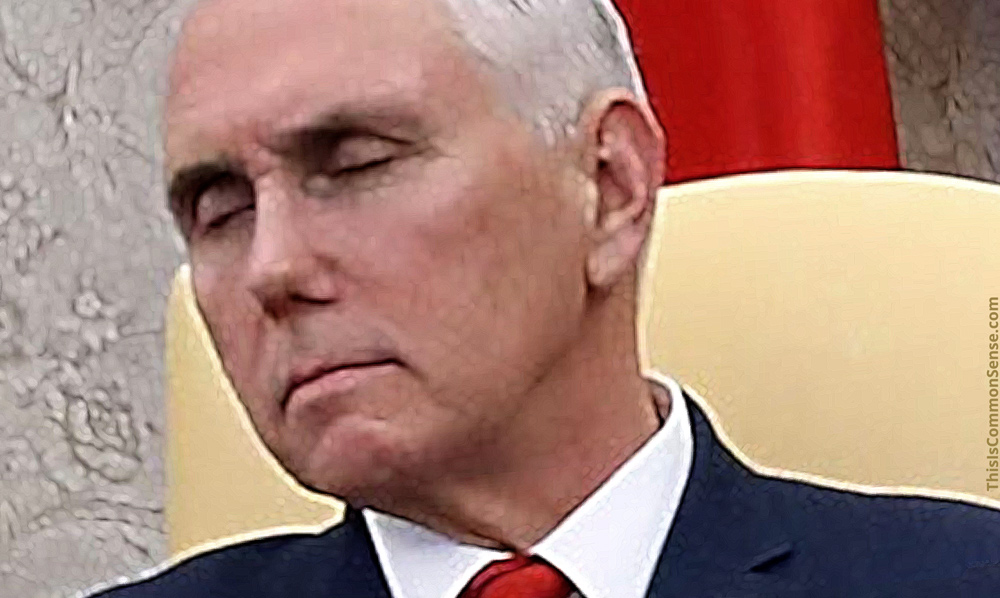
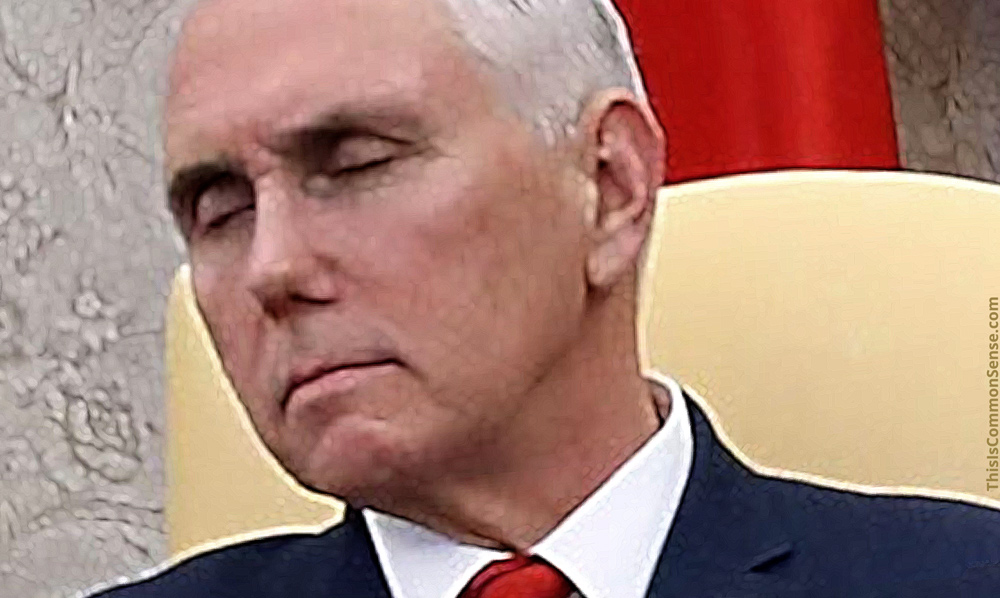
It was quite the comedy. Yet Vice President Mike Pence all but snored. While many pundits once again expressed their frustrations with a lack of solemn decorum from Trump, Pence provided not solemnity but somnolence.

The idea of government negotiations being done out in the open isn’t new. Transparency is good, if rarely practiced. But it did not take long for Mrs. Pelosi and Mr. Schumer to express alarm at this foray into Reality TV. 

“We’re here to have a conversation the careful way,” Pelosi informed the president, “so I don’t think we should have a debate in front of the press on this.”

Once upon a time, Dems promised transparency. Barack Obama campaigned on negotiating health care reform on C-SPAN — only to renege on that pledge when the negotiations got going.

In olden days, Democrat President Grover Cleveland practiced political transparency when he was governor of New York (1883-1885), pointedly leaving the door to his office open whenever discussing any subject whatsoever with anyone.*

And let’s tip the hat to Mike Pence. Ridiculed when it came out that he would not meet in private with any woman not his wife, upon the arrival of #MeToo and the Kavanaugh hearings, Pence appeared genius.

If a sleepy one.

This is Common Sense. I’m Paul Jacob.


* Cleveland was not so transparent when, during a crisis in his second presidency, he secretly had his jaw operated upon in a boat in international waters.

PDF for printing


See all recent commentary
(simplified and organized)
See recent popular posts

Categories
Thought

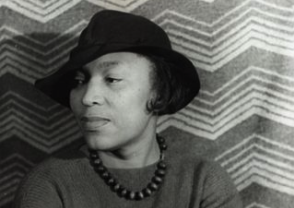
Zora Neale Hurston

I am not tragically colored. There is no great sorrow dammed up in my soul, nor lurking behind my eyes. I do not mind at all. I do not belong to that sobbing school of Negrohood who hold that nature somehow has given them a lowdown dirty deal. Even in the helter-skelter skirmish that is my life, I have seen that the world is to the strong regardless of a little pigmentation more or less. No, I do not weep at the world — I am too busy sharpening my oyster knife.

Zora Neale Hurston, “How It Feels to Be Colored Me,” in The World Tomorrow (May 1928).

Categories
Today

Official Recognition

On December 17, 1777, France formally recognized the United States of America.

The 17th of December, 1819, was the day Simon Bolivar declared the independence of the Republic of Gran Colombia in Angostura.