On December 23, 1783, George Washington resigned as commander-in-chief of the Continental Army, at the Maryland State House in Annapolis, Maryland.
Categories
Washington Resigns
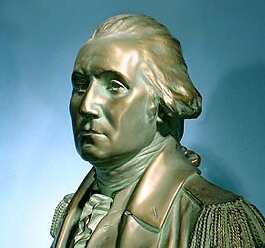
On December 23, 1783, George Washington resigned as commander-in-chief of the Continental Army, at the Maryland State House in Annapolis, Maryland.
On December 23, 1783, George Washington resigned as commander-in-chief of the Continental Army, at the Maryland State House in Annapolis, Maryland.

Reason provides some interesting reporting on labor activism & legislation — and their actual results.
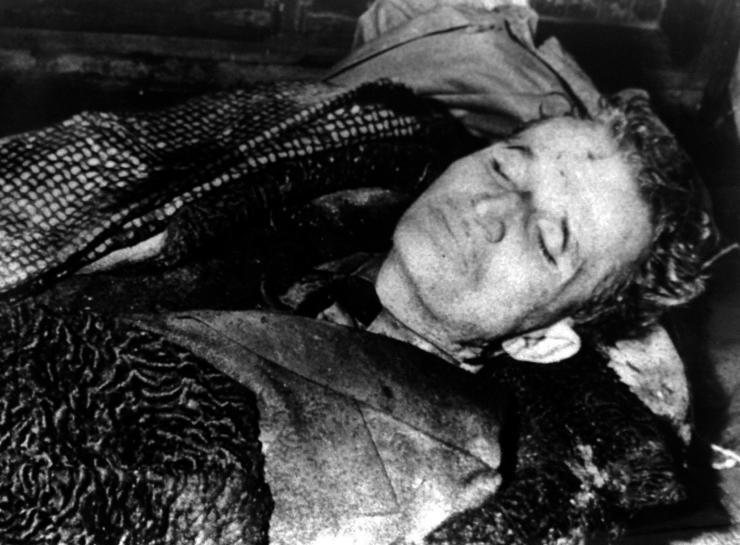
On December 22, 1989, Communist President of Romania Nicolae Ceaușescu was overthrown by Ion Iliescu after days of bloody confrontations. The deposed dictator and his wife fled Bucharest with a helicopter as protesters erupted in cheers.
The couple was quickly caught and, on Christmas day, tried by a military tribunal and executed by firing squad.
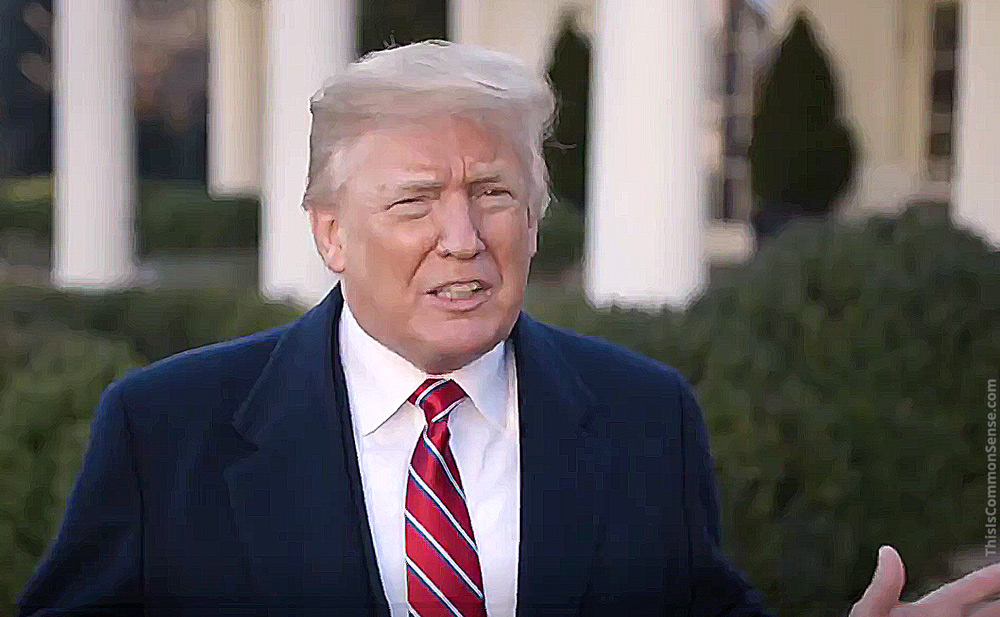
The policy was announced in a Tweet: President Trump said it was time to pull out of Syria. We won, he explained. “After historic victories against ISIS, it’s time to bring our great young people home!”
There is, of course, much outcry among Republicans, Sen. Lindsey Graham (R-SC) and pundit Ben Shapiro making the same point: this is, in the senator’s words, “a huge Obama-like mistake.”
But not a few are supportive. “U.S. forces should not be engaged in Syria — or any country,” explained Rep. Justin Amash (R-Mich), “without legitimate military justification AND proper congressional authorization.”
And there is no doubt that after pulling out of the region — and yes, it looks like Trump is readying forces for a pull-out of the expensive and ridiculous Afghanistan occupation — there will be outrageous horrors. But are they America’s?
Should they be?
The problem with trying to solve every worldwide conflict is clear: by intervening, we make those conflicts ours.
The idea that the American military can successfully micromanage conflicts around the world seems implausible. And increasingly counter-factual.
The same logic against intervening in the domestic economy to “wisely” promote some businesses and demote others also applies against most foreign military intervention: “unintended” consequences get conjured up, and even blowback.
Also, somehow, almost no one ever consults Just War theory to test various proposed interventions. Instead, military interventionism is all audacious hope and lofty language.
No realism, despite “Mad Dog” Mattis’s protests to the contrary.
Foreign policy scholar Earl Ravenel had the perfect term for what Trump may be and should be doing: strategic disengagement. We have much to gain from a more restrained — and constitutional — foreign policy.
This is Common Sense. I’m Paul Jacob.
See all recent commentary
(simplified and organized)
See recent popular posts
On December 21, 1620, William Bradford and the Mayflower Pilgrims landed on what is now known as Plymouth Rock in Plymouth, Massachusetts.
American settlers in Nacogdoches, Mexican Texas, declared their independence on December 21, 1826, starting the Fredonian Rebellion.
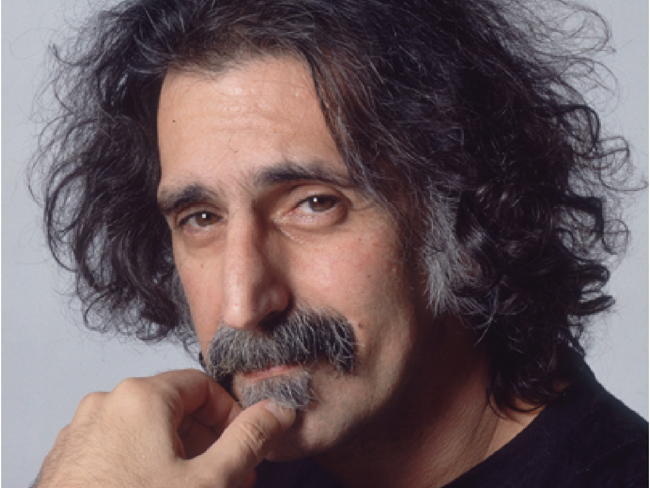
Avant-garde rock ’n’ roll guitarist, band leader, and composer Frank Zappa was born on this date in 1940. In 1985, Zappa testified before the United States Senate Commerce, Technology, and Transportation committee, attacking the Parents Music Resource Center or PMRC, a music organization co-founded by Tipper Gore, wife of then-senator Al Gore. Zappa was a passionate advocate for freedom of speech, self-education, political participation and the abolition of censorship. Describing his political views, Frank Zappa categorized himself as a “practical conservative,” or “independent.” He died in 1993.
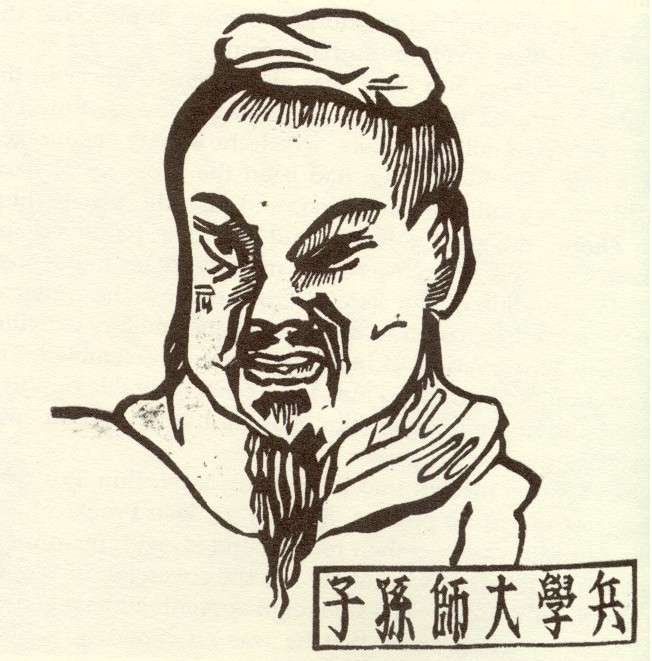
Sun Tzu, The Art of War(c. 6th century BCE), from Chapter Two.
What is essential in war is victory, not prolonged operations.

The petition that Priscillia Ludosky posted on Change.org many weeks ago was labeled “For a Drop in Fuel Prices at the Pump!” Now more than a million people have signed it.
“Taxation as a whole represents about two-thirds of the price of fuel,” the French activist informed.
Sparked by the tax hike, working people have joined massive weekend protests in Paris and throughout France — five weeks running— against the Macron government.
The Gilets Jaunes or “Yellow Vest” movement has already forced the removal of the fuel levies. While French President Emmanuel Macron’s approval rating has plummeted down into the low 20s, polls show support for the protesters by two out of three French citizens.
“[E]lected officials take advantage of power to become aristocrats of public money,” Ms. Ludosky told protesters via bullhorn last weekend.
This movement is about a lot more than the price of fuel.
“The citizens’ initiative referendum,” noted France 24, an English language news channel, “now one of the main demands of Yellow Vest protesters in France. The RIC [Référendum Initiative Citoyenne] would in theory allow the people to propose a law, get rid of one, change the constitution or demand the resignation of an elected official.”
For the last ten years, France has had a national initiative and referendum process, but citizens are dependent on the support of legislators, none of whom have taken the initiative — pun intended.
“The idea is that once 700K people ask for it,” the report continued, “there would have to be a national referendum on the issue.”
An essential democratic check on power that the French — and all people — must have.
This is Common Sense. I’m Paul Jacob.

See all recent commentary
(simplified and organized)
See recent popular posts
On December 20, 1740, Arthur Lee — Revolutionary Era diplomat, spy, and Virginia delegate to the Continental Congress — was born. He practiced law in London from 1770 to 1776, where he wrote polemics against slavery and in defense of the American colonies’ resistance to the Townshend acts and other tyrannical British policies.
He was brother to Richard Henry Lee and Francis Lightfoot Lee.
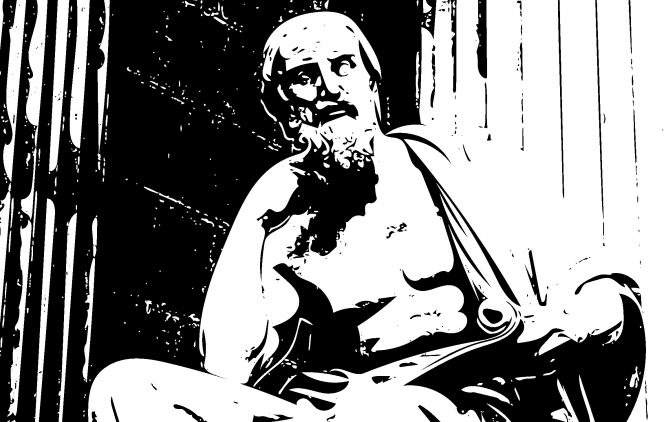
Force has no place where skill is required.
Herodotus, The Histories, Book III, Chapter 127