Categories
free trade & free markets too much government

San Francisco Obstructionism

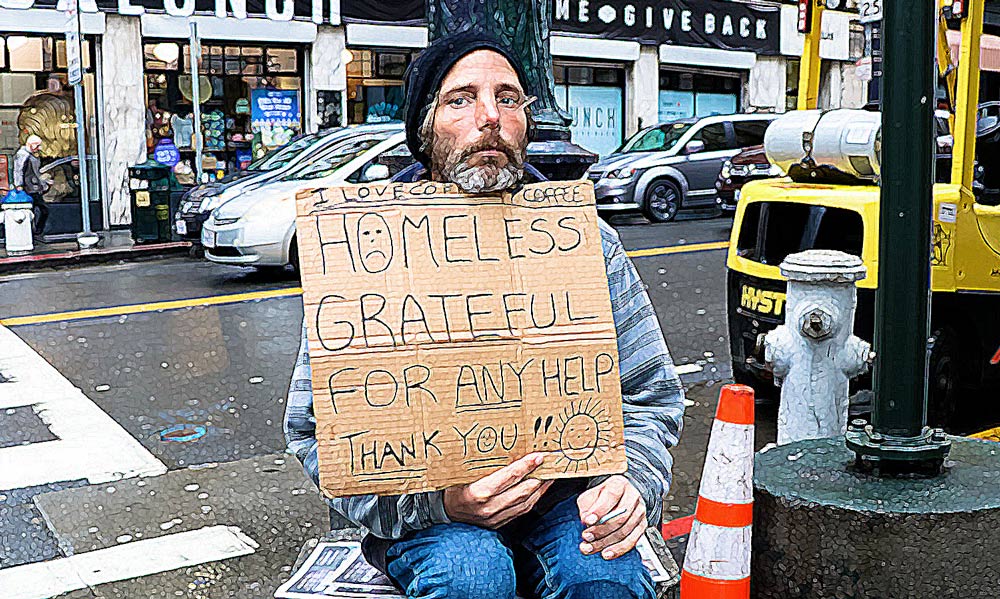
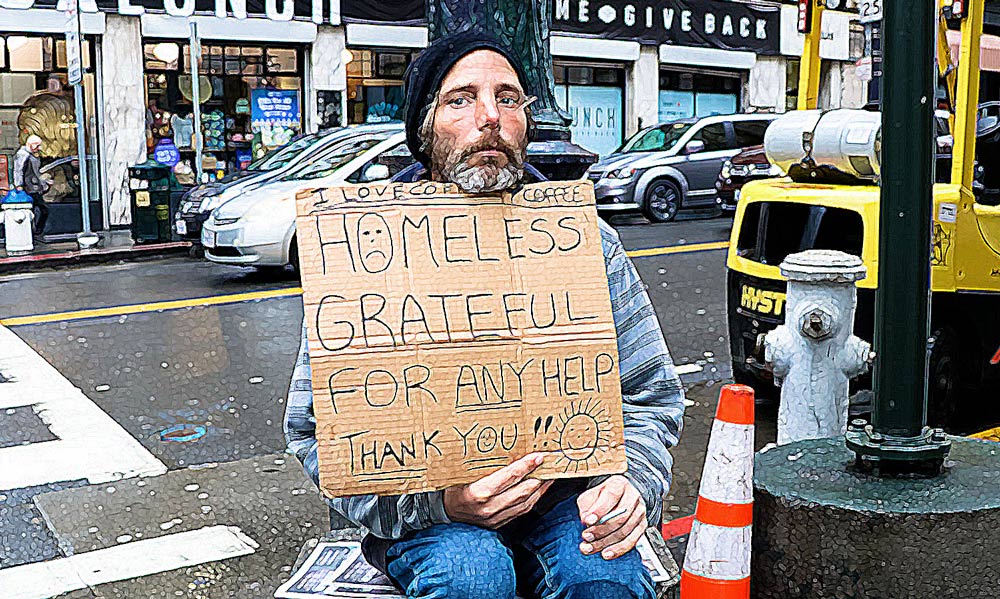
Bob Tillman wants to build a 75-unit apartment building in San Francisco.

He owns the property — a laundromat. He just wants to convert it. But although there are no good reasons why he shouldn’t, city officials and activists opposed to the property rights of developers have been blocking the project. Tillman has spent years and hundreds of thousands of dollars just trying to get started.

His plight “encapsulates the political dysfunction that’s turning San Francisco . . . into an exclusive playground for the ultra-wealthy,” says Reason magazine.

Because of the government’s general antagonism to development, and specific policies such as rent control, much less housing is getting built in the city than would have been possible in a fully free market.

The population is growing quickly, but housing isn’t keeping up. Which results in unnecessarily high rents and housing prices.

None of this is shocking if you understand basic economics. The greater the supply of a good, the cheaper the price tends to be — all other things being equal. That qualification is important. If the supply of oranges doubles but everybody suddenly starts an all-orange-juice diet, orange prices may remain the same or even rise — but less than the price would have risen without the greater supply.

Many factors, including monetary factors, can affect the price of a good. All I’m saying is that if you want the benefits of more housing, including rents that are lower than they would have been without the new housing, you must build houses and apartment complexes.

Stop something from being built and, unfortunately, it won’t be there.

This is Common Sense. I’m Paul Jacob.

PDF for printing

San Francisco, homeless, zoning, housing, regulations
Photo by Mussi Katz

See all recent commentary
(simplified and organized)
See recent popular posts
Categories
Today

Rep. Craig

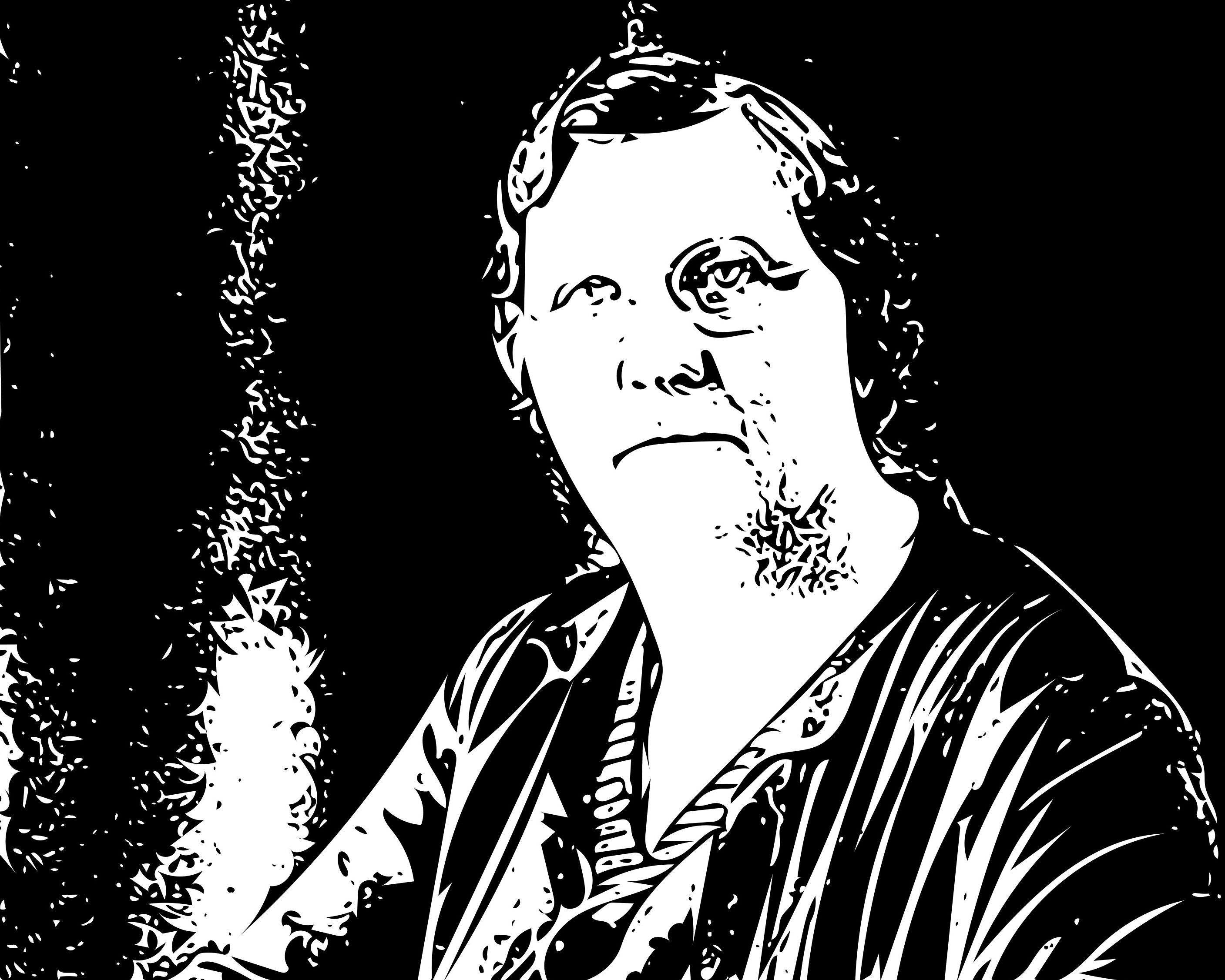
On January 3, 1933, Minnie D. Craig became the first woman elected as Speaker of the North Dakota House of Representatives, the first female to hold a Speaker position anywhere in the United States.

On the third of January in 1777, American General George Washington defeats British General Lord Cornwallis’s forces in the Battle of Princeton.

On the same date in 1977, Apple Computer was incorporated.

January 3rd birthdays include that of Cicero (106 BC), Roman philosopher and theorist of republicanism, and J. R. R. Tolkien (1892 AD), English philologist and author of The Hobbit and The Lord of the Rings. Both were deeply concerned about the problem of absolute power.

Categories
Thought

J. R. R. Tolkien

The news today about ‘Atomic bombs’ is so horrifying one is stunned. The utter folly of these lunatic physicists to consent to do such work for war-purposes: calmly plotting the destruction of the world! Such explosives in men’s hands, while their moral and intellectual status is declining, is about as useful as giving out firearms to all inmates of a gaol and then saying that you hope ‘this will ensure peace.’ But one good thing may arise out of it, I suppose, if the write-ups are not overheated: Japan ought to cave in. Well we’re in God’s hands. But He does not look kindly on Babel-builders.

J. R. R. Tolkien, letter to his son Christopher Tolkien (August 9, 1945)
Categories
Accountability government transparency

Put the Public in Public Policy

“Negotiations are impossible without trust,” wrote Leon Panetta in a Washington Post op-ed.

What with all his experience, Mr. Panetta has some reason to be trusted on his chosen subject, government shutdowns. The California Democrat spent 16 years in the Congress before joining the Clinton Administration as Director of the Office of Management and Budget and later serving as White House Chief of Staff. He was Obama’s first CIA Director and then Secretary of Defense.

But not every one of the sage’s pronouncements passes muster. 

“Never,” he advised, “negotiate in public.” 

He is of course referring to the hilarious chat President Trump had with two Democratic leaders . .  . and a bland, bored, and blank Vice President Pence.

“The talks to avert a shutdown got off to a terrible start,” Panetta argues, “when the president, during an Oval Office meeting with likely incoming speaker Nancy Pelosi (D-Calif.) and Senate Minority Leader Charles E. Schumer (D-N.Y.), began arguing his position in front of White House reporters. . . . In all the negotiations on the budget that I took part in as both House Budget Committee chairman and the director of the Office of Management and Budget, not one took place in front of the media. Public shouting matches usually guarantee failure.”

The implication? That these previous negotiations were “successful.”

To those with careers ensconced in Washington power, they worked out just splendidly, I’m sure. But the aftermath of these private, secretive agreements on the rest of us? It can be quantified: $21 trillion.

In federal debt. 

We do not need more of that “success.”

Let’s put the public back in public policy decisions.  “It’s called transparency,” President Trump said. 

Yes. 

More of that.

This is Common Sense. I’m Paul Jacob.


PDF for printing

Nancy Pelosi, Chuck Schumer, secrecy, transparency, negotiations

See all recent commentary
(simplified and organized)
See recent popular posts

Categories
Thought

Voltaire

It is better to risk sparing a guilty person than to condemn an innocent one.

Voltaire, Zadig (1747).

Categories
Today

Fourth to Ratify

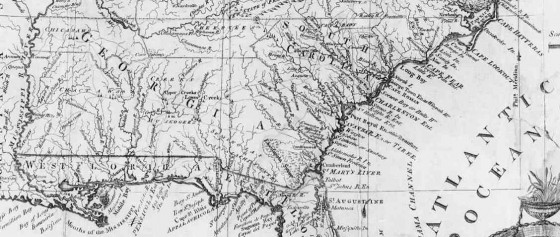
On January 2, 1788, Georgia became the fourth state to ratify the United States Constitution.

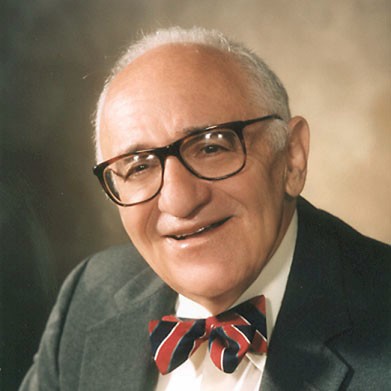
On the second day of 1819, the Panic of 1819, the first major peacetime financial crisis in the United States, began. The classic historical treatment of this crisis is Murray Rothbard’s dissertation.

Categories
Thought

Murray N. Rothbard

Rights may be universal, but their enforcement must be local.

Two Just Wars: 1776 and 1861 (1994).

Categories
Today

Slave Trade

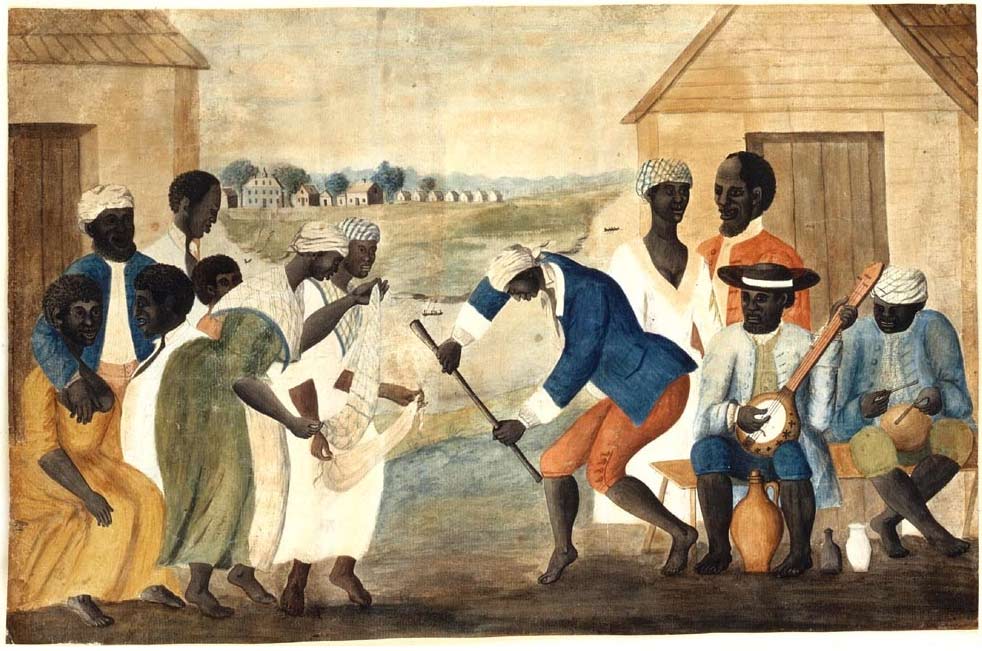
On January 1, 1808, the importation of slaves into the United States was banned.

Categories
Common Sense First Amendment rights general freedom ideological culture

Ideas, Online and Ongoing … with Help

In recent years there has been a great burgeoning of public debate about ideas. Politics. Ethics. UFOs. You name it.

This “burgeoning” has mostly taken place online.

Some people are so good at it that they have made their whole livings at it, parlaying advertisements and donations into successful careers.

But this has not gone unnoticed.

They are under attack.

A cabal of highly connected financial and Internet platform professionals have coordinated their attention against Alex Jones, “Sargon of Akkad,” and others. Patreon is the latest to get involved, having ousted Lauren Southern off the company’s donation intermediary service, and now the aforementioned Sargon (Carl Benjamin, an Englishman). And behind all this there lurks the shadowy decisions and machinations of PayPal and Mastercard.

I have covered some of this in the past, here at Common Sense. But too much of it has passed by, as if in my peripheral vision. I know these de-platformings have taken place, however, and am somewhat alarmed. 

Not for myself, so much, as my main gig is political activism: helping citizens place ballot measures before voters through Liberty Initiative Fund and protecting the ballot initiative process with Citizens in Charge Foundation. Common Sense was not conceived to be a profit center, but a herald, a communication platform.

Still, like everything, the program does cost money and must prove its worth. Which is why I cherish my many donors to Common Sense. Thank you. You really do help keep the Common Sense coming — after nearly 20 years!

Something big is brewing. In our culture. In our country. Across the globe. Free speech is under attack. Corruption is rampant at all levels of government. Socialism seems on the march. 

From assisting the police camera ballot measure that passed in Ferguson, Missouri, to last November’s ballot initiative on “citizen only voting” that prevailed in North Dakota, Liberty Initiative Fund knows that real change can better come from the grassroots and the ballot box than from the halls of Congress in Washington.

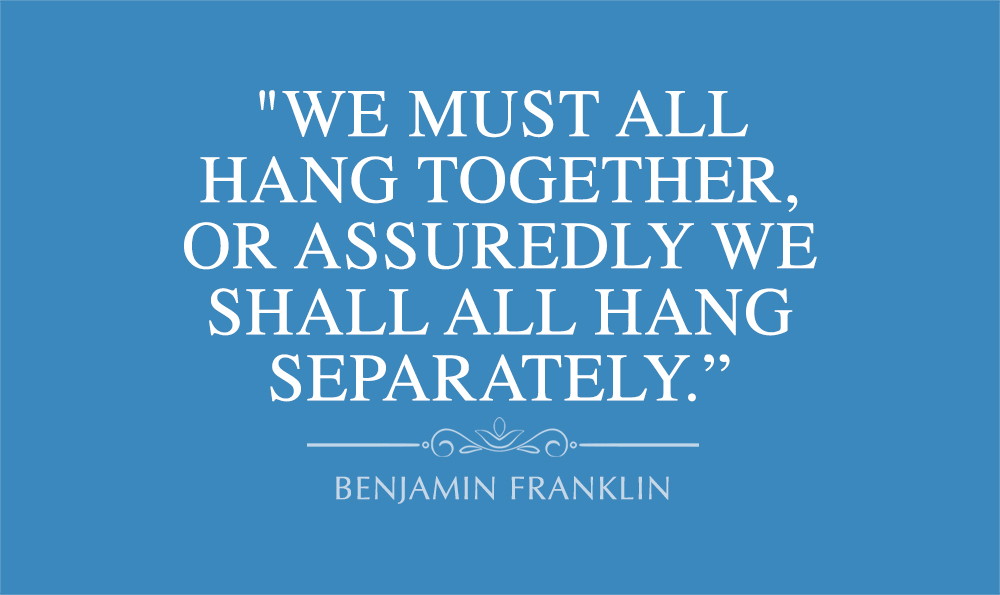
Those of us who cherish individual freedom must work together to change laws and policies. We have to hang together — or, as Ben Franklin reminded, “most assuredly we will all hang separately.” 

How long will we be able to speak out politically?

I do not know.

But here is something we do know for sure. It is the last day of the year. If you have been planning on making a charitable donation for the cause of limited and accountable government, freedom of speech and press and association, this site, “Common Sense with Paul Jacob,” gratefully accepts donations . . . and could not carry on without the help of “people like you.”

By which I mean patriots. Thoughtful people concerned about the future.

And donations to Common Sense are fully tax deductible!

Please help us in this important work. Support us with dollars if you can. And keep forwarding my daily commentary, telling friends, and taking a stand for FREEDOM.

This is Common Sense. Common effort is the key. Oh, and I’m Paul Jacob.


See all recent commentary
(simplified and organized)
See recent popular posts


Categories
Thought

George Washington

Nothing is a greater stranger to my breast, or a sin that my soul more abhors, than that black and detestable one, ingratitude.

Letter to Governor Dinwiddie, 1754