On January 7, 1940, the Finnish 9th Division completely destroyed the much-larger Soviet forces on the Raate-Suomussalmi Road, in a crucial battle during Finland’s Winter War.
Categories
Winter War
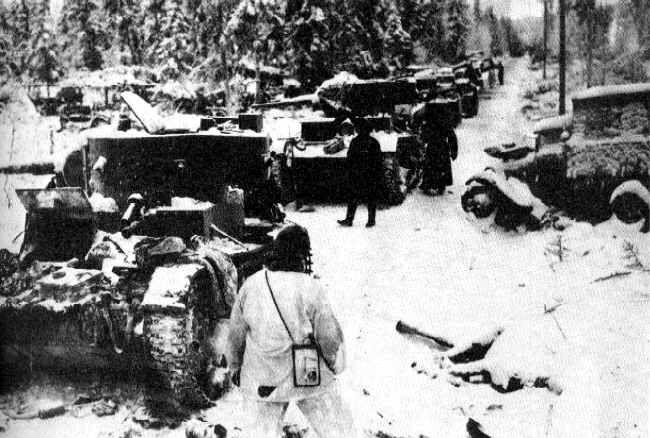
On January 7, 1940, the Finnish 9th Division completely destroyed the much-larger Soviet forces on the Raate-Suomussalmi Road, in a crucial battle during Finland’s Winter War.
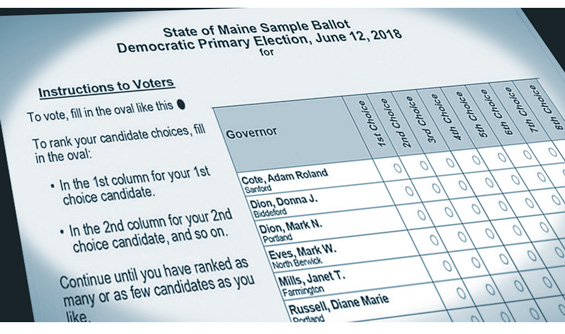
We have been covering, with great interest, the Maine Ranked Choice Voting story. Now there is an important update:
For recent developments in another state, try this:
See also Press Herald coverage from the 21st and 28th, as well another December 21st article, but from the Bangor Daily News.
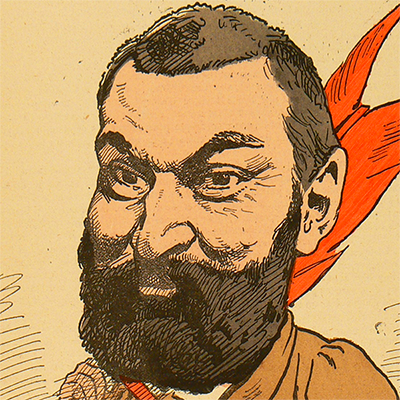
It is not the astronomer’s business to consider whether it would be better if the sun were nearer or farther from the earth, or if he turned round her, instead of turning round him. Nor is it the chemist’s business to consider whether carbonic acid and carbonic oxide are noxious gases that ought not to exist. It has never been thought desirable to make Newton responsible for tiles falling on the people’s heads.
Economists, however, are held answerable for the laws which they discover.
Yves Guyot, The Principles of Social Economy (1892).
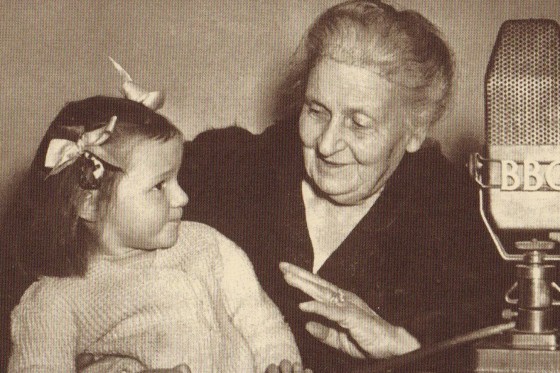
On January 6, 1907, Maria Montessori opened her first school and daycare center for working class children in Rome, Italy.
In 1912 on this date, New Mexico became the 47th state of America’s United States, and in 1941, President Franklin Delano Roosevelt delivered his “Four Freedoms” State of the Union speech, emphasizing vague “freedoms” that enabled government to usurp definable freedoms.

One thing you notice when engaging in public policy discussions is the misuse of statistics in a particular way: truncating a timeline of data, to focus almost exclusively on short-term trends rather than a more meaningful long-term (“secular”) accounting of trends.
For example, you will often see proponents of state aid discuss the decrease in poverty after the War on Poverty began. And there definitely has been. But when we look at long-term trends, we see a long history of diminishing poverty levels in America, and improvements were more dramatic before, not after, the increase in welfare state spending in the 1960s.
Another trend line you might notice regards crime. Some folks focus on very recent upticks in some violent crimes, and demand that we “do something.” But the longer-term trend has been for a reduction in almost all forms of crime since the early 1990s.
What if something similar has been going on in “climate change”/“global warming” politics and reportage?
Along with even more disturbing near-term mis-reporting.
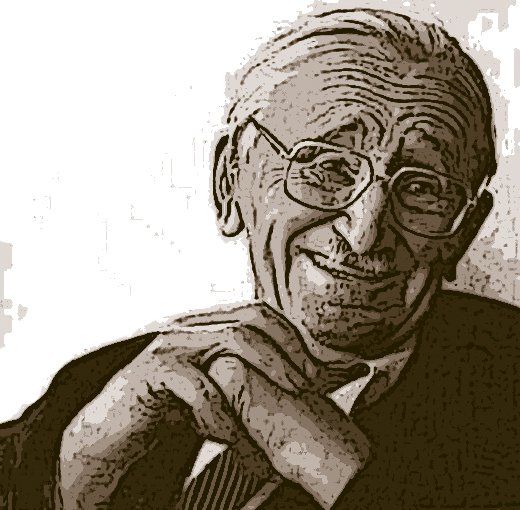
The curious task of economics is to demonstrate to men how little they really know about what they imagine they can design. To the naive mind that can conceive of order only as the product of deliberate arrangement, it may seem absurd that in complex conditions order, and adaptation to the unknown, can be achieved more effectively by decentralizing decisions and that a division of authority will actually extend the possibility of overall order. Yet that decentralization actually leads to more information being taken into account.

On January 5, 1914, the Ford Motor Company announced an eight-hour workday and a minimum wage of $5 for a day’s labor.

Republicans are especially good at deficit spending. Give them control of the presidency and both houses of Congress, and watch the money flow! It happened under George W. Bush, and now under President Donald Trump.
But note: the Democrats have gained control of the House of Representatives. We might see some restraint on government growth, if for no better reason than “divided government,” in which the two major parties can more effectively do damage to each other’s spending.
Nancy Pelosi, again Speaker of the House, has a monkey wrench to throw into Republican spending plans, not excluding that much-promised, little acted-upon Trump promise, “The Wall.”
It is called “PayGo,” or, in the Twittersphere, #PayGo.
Not something new (Democrats have used it before), the House rule aims to limit any new expenditures to equal cuts in old spending.
Effective? Well, in capping the deficit at a trillion dollars annually . . . until they vote for exceptions to the rule.
And effective enough to annoy Republicans!
And now, to rile up progressives, too.
Alexandria Ocasio-Cortez (D-N.Y.) has made a big deal about her opposition. She has opposed Pelosi’s attempt to re-establish the rule.
Heedless of any danger that could result from further adding to the now-$22 trillion national debt, progressives scorn the idea of fiscal responsibility as “austerian,” claiming the whole idea was somehow disproven by “economic history,” in the Tweeted words of Rep. Ro Khanna (D-Calif.).
The “real” beneficiaries would be the corporations, progs say, and that PayGo would work against the “progressive agenda” of increasing government programs without limit.
Typical political piffle.
This is Common Sense. I’m Paul Jacob.

See all recent commentary
(simplified and organized)
See recent popular posts
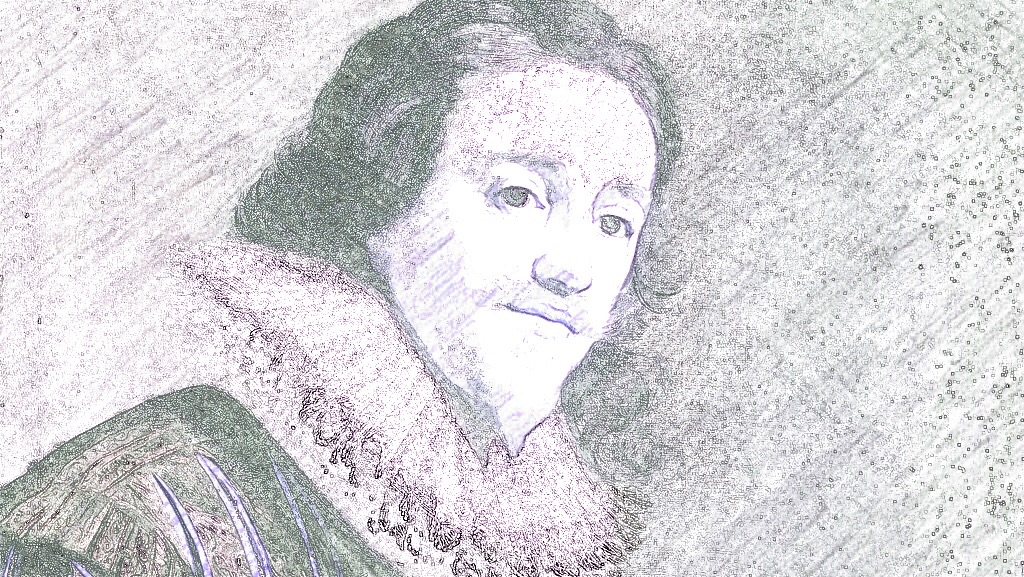
On Jan. 4, 1642, King Charles I of England sent soldiers to arrest members of Parliament, beginning England’s slide into civil war.
On Jan. 4, 1649, the English “Rump Parliament,” having purged those members willing to restore Charles I to the throne, voted to put Charles I on trial for high treason. Before the month was over, the king had been executed.
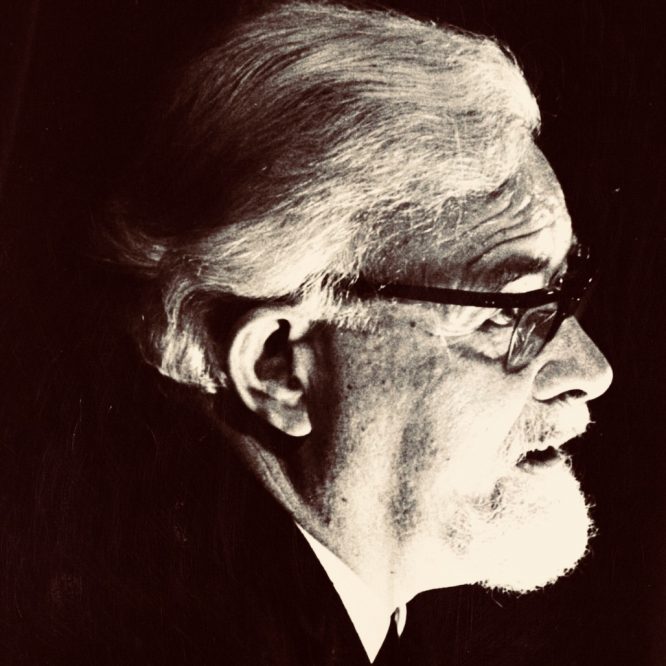
The best thing for being sad . . . is to learn something. That’s the only thing that never fails. You may grow old and trembling in your anatomies, you may lie awake at night listening to the disorder of your veins, you may miss your only love, you may see the world about you devastated by evil lunatics, or know your honour trampled in the sewers of baser minds. There is only one thing for it then — to learn. Learn why the world wags and what wags it. That is the only thing which the mind can never exhaust, never alienate, never be tortured by, never fear or distrust, and never dream of regretting. Learning is the only thing for you. Look what a lot of things there are to learn.”
T. H. White, The Book of Merlyn (1977, posthumous)