A journalistic purpose could be someone with a Xerox machine in a basement.
Categories
Antonin Scalia
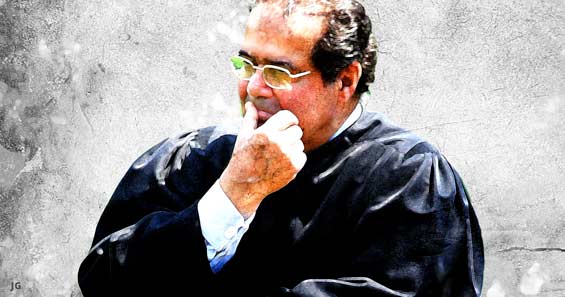
A journalistic purpose could be someone with a Xerox machine in a basement.
Reviewing this last week’s big stories:

On July 13, 1973, the minority (Republican) counsel on the Senate Watergate investigative committee, Donald Sanders, asked Nixon aide Alexander Butterfield if he knew of any recordings made in the Nixon White House, and Butterfield responded, “everything was taped” at least while Nixon was in attendance, and that “there was not so much as a hint that something should not be taped.”
This revelation of the Nixon Tapes transformed the Watergate scandal into a major legal as well as political event, and proved to be one of the most astounding examples of “government transparency” in modern times — indeed, it helped demystify and desanctify the Office of the Presidency, a very republican (if not pro-Republican Party) development.
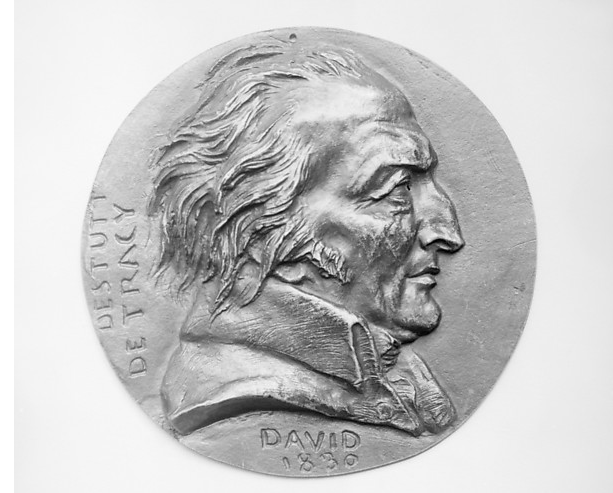
Government is a very great consumer, living not on its profits but on its revenues.
I find Twitter distasteful, annoying, even stupid. I sometimes wonder why I should care about that particular “micro-blogging” platform.
But since it is a big deal to others, I struggle to understand.*
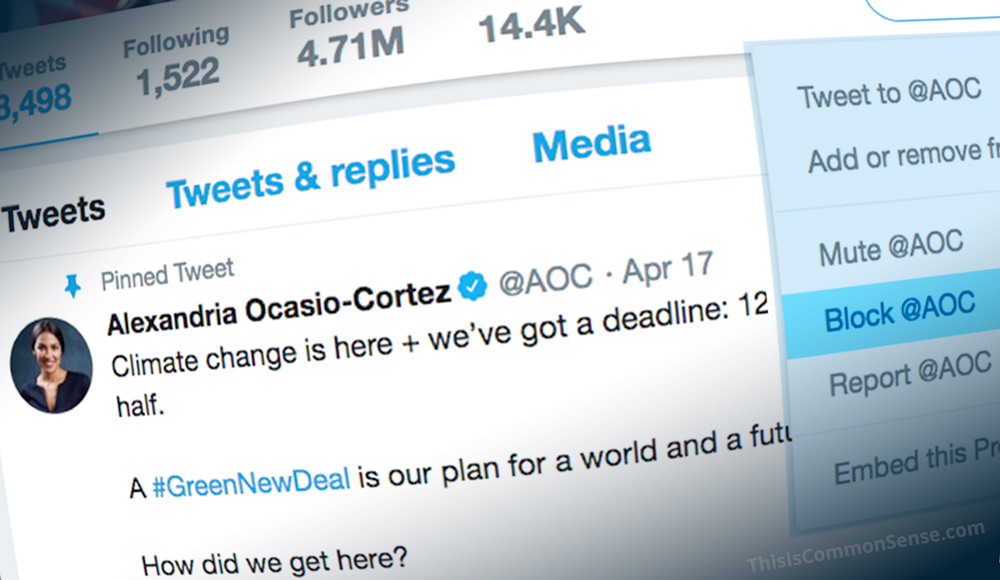
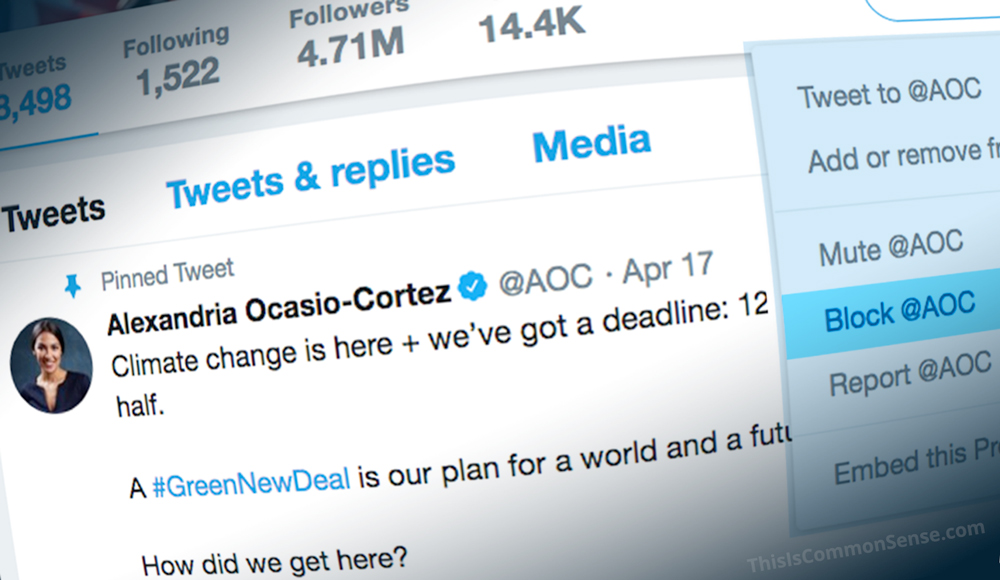
Joining me in the struggle are our two most famous political Twitterers, President Donald Trump and Representative Alexandria Ocasio-Cortez (D-N.Y.).
The president lost in court the other day, with the 2nd Circuit Court of Appeals telling him he must no longer block users on the social media platform.
Now AOC finds herself in a similar pickle. On Tuesday, a former Democratic New York Assemblyman filed a lawsuit in federal court against the popular freshman U.S. Representative for doing the same thing Trump had been doing: blocking users on Twitter based on their personal viewpoints.
The litigant surmises that AOC had blocked him “apparently because my critique of her tweets and policies have been too stinging.”
Ouch?
“Twitter is a public space,” insists this Democrat, Dov Hikind, “and all should have access to the government officials on it.”
This puts me in a pickle, too. I am all for government transparency — and I do think officials and representatives should not be completely insulated from the citizens they serve. But we don’t have a right to follow them into their bedrooms or bathrooms.
So, high-profile federal employees who in any way discuss public matters on social media should not be allowed to block Americans from seeing their posts. But take pity on the poor pols: they should be able to mute users, that is, keep others from cluttering up their social media experience.
Oddly, the lawsuit does not address this muting option.
This is Common Sense. I’m Paul Jacob.
* I even use it, occasionally.
See all recent commentary
(simplified and organized)
See recent popular posts
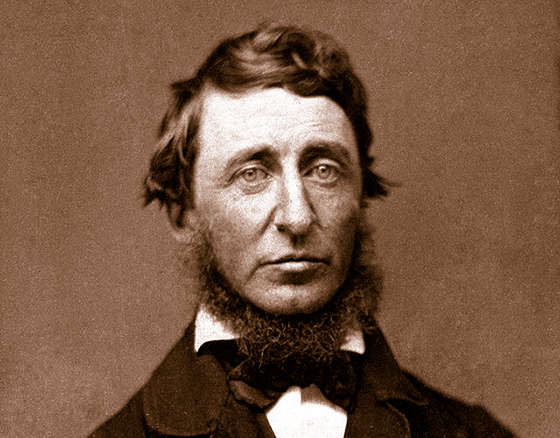
On July 12, 1817, American poet, abolitionist, businessman, and Transcendentalist philosopher Henry David Thoreau was born. He is perhaps best known, today, for his book of meditations on the simple life, Walden, and his influential essay on civil disobedience.
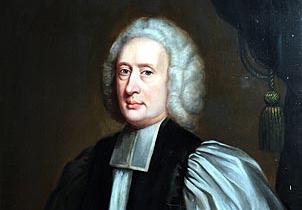
Things and actions are what they are, and the consequences of them will be what they will be: why then should we desire to be deceived?
Bishop Butler, epigraph for The Moral Economy (1909) by Ralph Barton Perry.
Just how awful are Americans? Racist and sexist “hate crimes” are all said to have ramped up since the election of Donald Trump.
Wilfred Reilly took a close look, in Quillette, at the hate crime cases in Seattle, which had been reported as having increased “by 400 percent since 2012.” What he discovered throws cold water on the heated assertions. It turns out that “most of the situations contained in the 500-plus documented incidents for 2018 turned out not to be hate crimes at all.”
As you might expect, defining “hate crime” isn’t easy, and Seattle has “remarkably broad municipal hate-crime policies” which go far beyond “attacks motivated by racial or sexual animus.” Crimes relating to issues such as “marital status, political ideology, age and parental status” also count.
But for there to be a “hate crime” there must first be a crime. Looking for the “archetypal Seattle hate incident” in the data, what Wilfred Reilly found was “a mentally ill homeless man yelling slurs at someone.” What this really suggests is that Seattle has a homelessness problem.
Which it does.
Behind the panic? We see mis-reporting, based on a need for generating clicks, as well as mis-perceptions, often based on availability bias — where we judge trends by a few ready-at-hand examples, not with careful attention to full data sets.
The Quillette article does not discuss a more ominous possibility, where some folks yearn for the worst, the better to hate their political opponents. Though Reilly addresses this sort of hate-generated “hate crime” panic in his book, Hate Crime Hoax: How the Left is Selling a Fake Race War, published earlier this year.
This is Common Sense. I’m Paul Jacob
See all recent commentary
(simplified and organized)
See recent popular posts
Where there is a lull of truth, an institution springs up. But the truth blows right on over it, nevertheless, and at length blows it down.
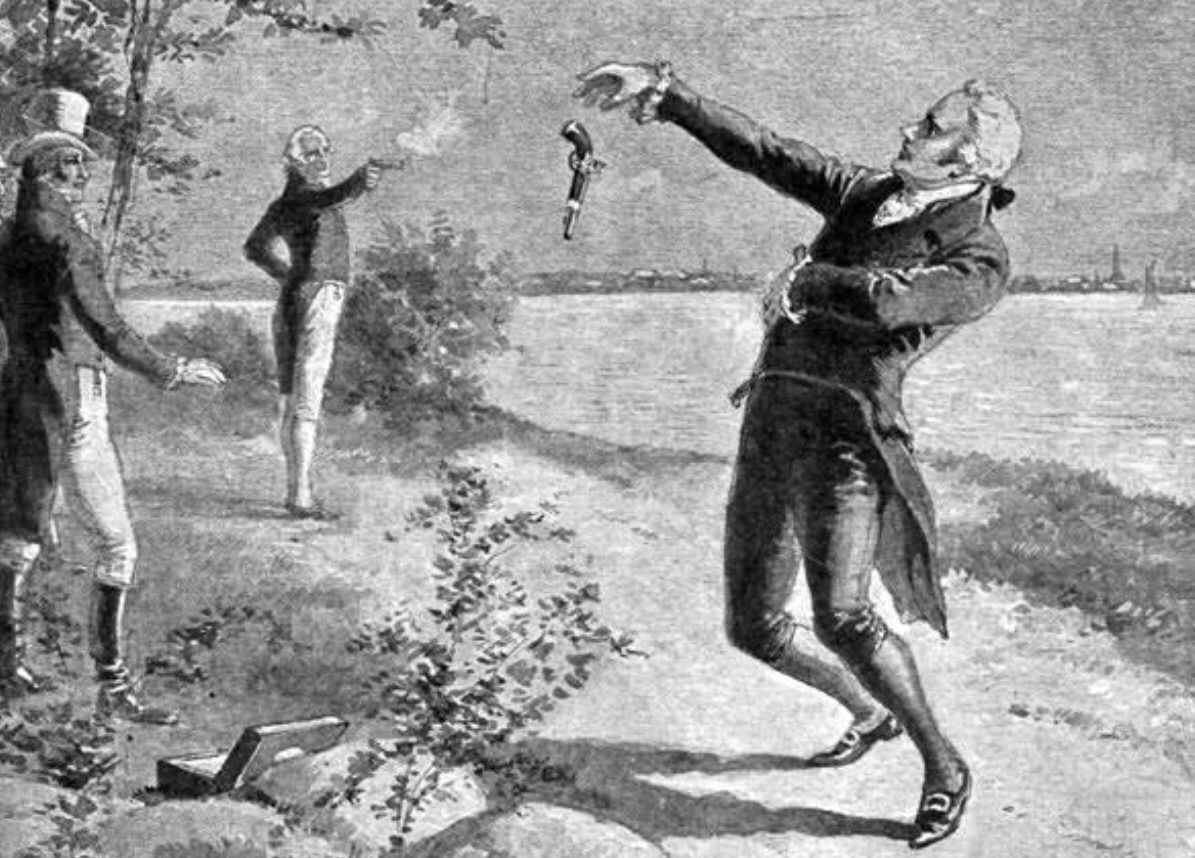
A few hundred years ago, not far from Deas’ Point near Weehawken, N. J., was a ledge eleven paces wide and 20 paces long, situated 20 feet above the Hudson on the Palisades. This ledge, long gone, was the site of 18 documented duels and probably many unrecorded ones in the years 1798–1845. The most famous is the duel between General Alexander Hamilton, first Secretary of the Treasury, and Colonel Aaron Burr, third (and sitting) Vice President of the United States, which took place on July 11, 1804.