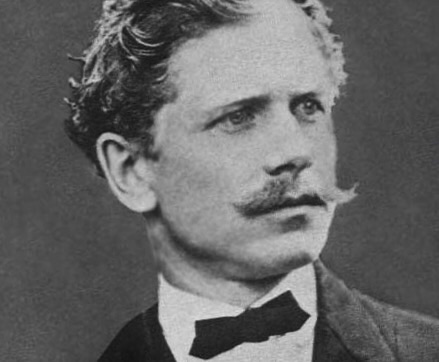
A statesman enamored of existing evils, as opposed to a Liberal, who wants to replace them with others.
Cynic, n.
A blackguard whose faulty vision sees things as they are, not as they ought to be. Hence the custom among the Scythians of plucking out a cynic’s eyes to improve his vision.
Egotist, n.
A person of low taste, more interested in himself than in me.
Idiot, n.
A member of a large and powerful tribe whose influence in human affairs has always been dominant and controlling. The Idiot’s activity is not confined to any special field of thought or action, but “pervades and regulates the whole.” He has the last word in everything; his decision is unappealable. He sets the fashions and opinion of taste, dictates the limitations of speech and circumscribes conduct with a dead-line.
Mayonnaise, n.
One of the sauces that serve the French in place of a state religion.
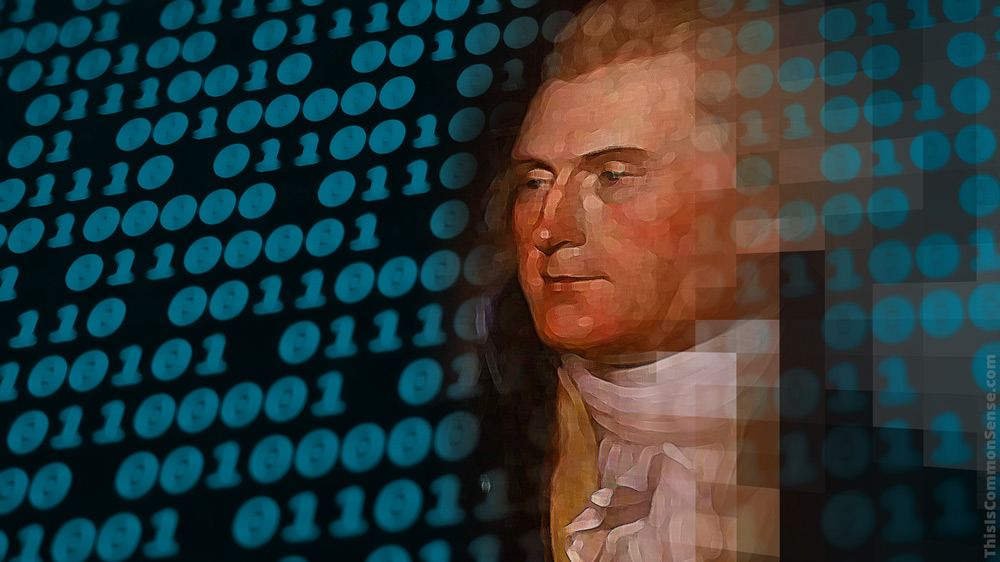
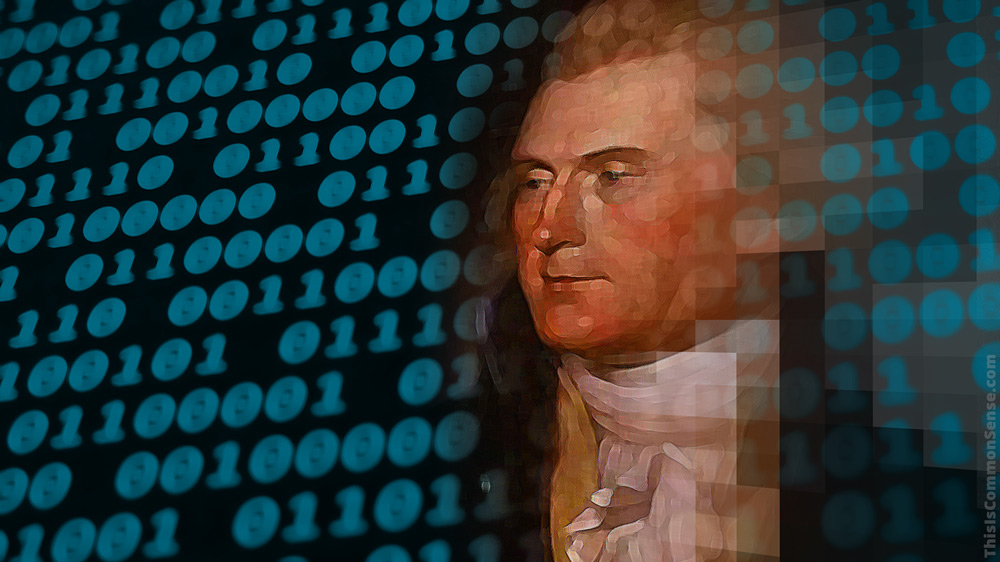
One thing for which I expressed gratitude, yesterday, was my site’s “Thought of the Day” feature, for it placed in original context a well-known maxim: “If your government is big enough to give you everything you want, it is big enough to take away everything you have.”
Thomas Jefferson is said to have written that. Back in 2005. Or more accurately, the year 2005 marks the first instance of those words being attributed to the Man from Monticello, according to research by the folks at Monticello.org.
Thank goodness that Mr. Jefferson has the wherewithal to still, hundreds of years after his death, provide erudite quotations to freedom-loving people.
Ah, the mysterious forces found on the Internet.
Yet, what the Internet gives . . . the Internet takes away. Seems another noteworthy American wrote those famed words in 1952 (half a century before a two-century deceased Jefferson).
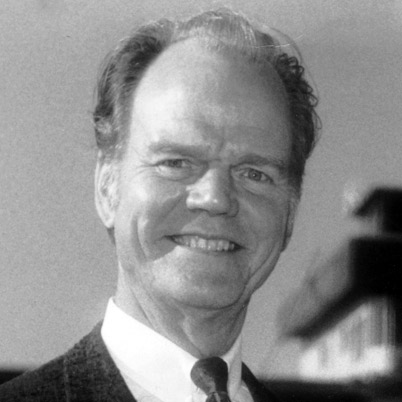
That’s the rest of the story provided by Mr. Rest-of-the-Story himself, Paul Harvey. In his 1952 book, Remember These Things, the late, great radio commentator wrote to those tempted by government handouts and subsidies:
What have you got to lose, you say? Why shouldn’t I take their offer of free medicine, money for work I don’t do, or crops I don’t grow? Why not?
Here’s why not, and don’t ever forget this. “If your government is big enough to give you everything you want, it is big enough to take away everything you have.”
Some four decades later, in 1992, Harvey was at the pinnacle of the radio world, his program carried on 1,200 stations along with over 300 newspapers running his derivative weekly column. I was working for U.S. Term Limits to place ballot measures limiting the terms of politicians in Congress and state legislatures, when I received Mr. Harvey’s encouraging call asking about our campaign.
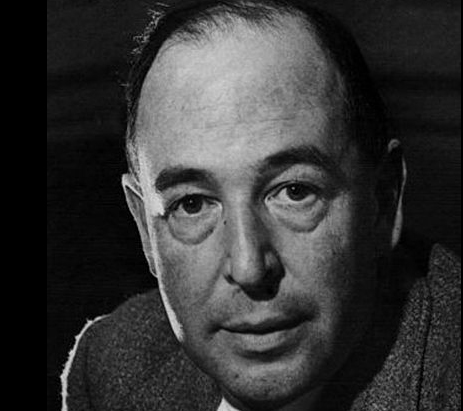
Irish-English medievalist, theologian, and novelist Clive Staples Lewis was born on November 29, 1898. Among his best known works are Out of the Silent Planet, The Problem of Pain, Miracles, and the “Narnia” fantasies for children. His retelling of the Psyche myth, Till We Have Faces, and political essays such as “The Humanitarian Theory of Punishment” and The Abolition of Man, will almost certainly stand the test of time.
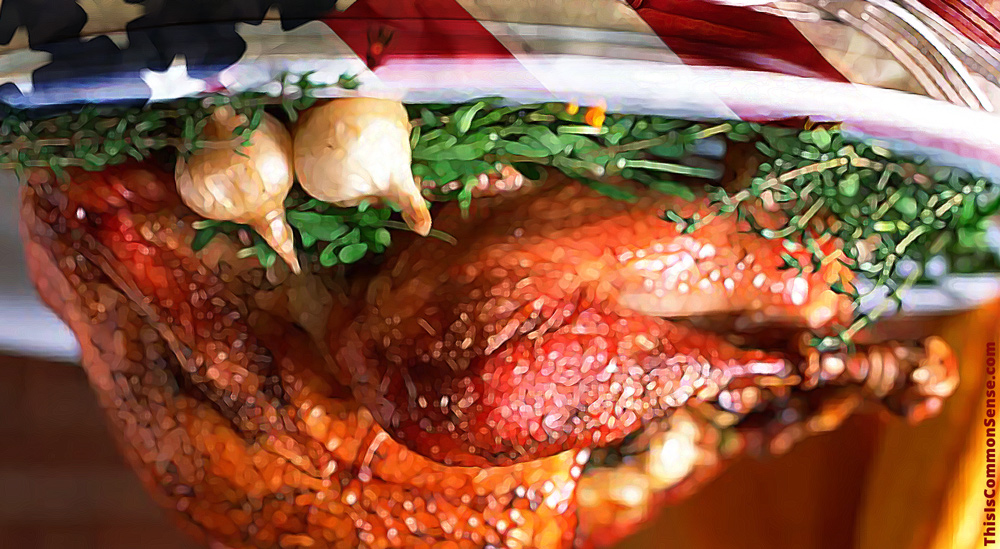
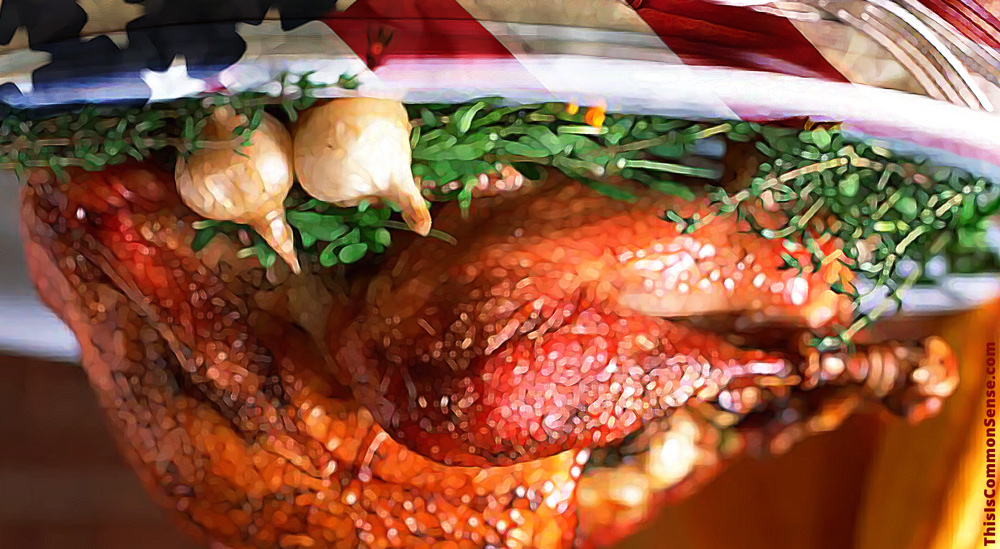
Though President Donald Trump has one of the best stand-up acts in America, his bit, on Tuesday, about the ‘traditional’ pardoning of turkeys, was not his best. But it was mildly amusing, and what the occasion required.
Now, I’ve written about this goofy tradition before: “For a photo-op,” I explained seven years ago, the president “saves the gift bird’s life, only to have another unpublicized turkey killed and then devoured behind closed doors.”
Gruesome? Bizarre? Or all-too-symbolic?
I suggested the latter, arguing that “the fake pardon symbolizes more than Washington insiders can comprehend.
In our nation’s capital, politicians
• argue for fiscal responsibility one minute and then plunge us further into debt the next, • demand sacrifices from the people while living high on the hog, and • decry the influence of special interests at press conferences and then deposit their checks at the bank.
One famous turkey lives, thanks to the powerful public kindness of our potentate; another, unknown (no doubt “middle-class”) bird dies for the benefit of that same boss.
With Trump rather than Obama in office, that quip about class warfare falls a bit flat.
But our Stand-up-in-Chief was more topical:
The two turkeys, which he told us were named Bread and Butter, were raised “to remain calm under any condition,” he riffed, “which will be very important because they have already received subpoenas to appear in Adam Schiff’s basement.”
Not bad; worth a chuckle.
“It’s not the first time Trump has used the traditional turkey pardoning to make jokes about his political opponents,” USA Today informs us. But unfortunately the paper misquoted one of the president’s lesser quips.
“It seems the Democrats are accusing me of being too soft on turkeys,” USA Today tells us. But what Trump clearly says is “Turkey.” Yeah, just a pun.
What have you got to lose, you say? Why shouldn’t I take their offer of free medicine, money for work I don’t do, or crops I don’t grow? Why not?
Here’s why not, and don’t ever forget this. “If your government is big enough to give you everything you want, it is big enough to take away everything you have.”
Paul Harvey, Remember These Things (1952). This is the first known printing of the adage about big government. It has been attributed to many who have repeated it, including Gerald Ford, and misattributed to others who did not likely say it, including Thomas Jefferson.
In 1894, on November 28, economics journalist Henry Hazlitt was born. Halitt went on to write Economics in One Lesson, Time Will Run Back, and several books criticizing Keynesianism. He was the main proponent of the work of Ludwig von Mises and F.A. Hayek in America during the 1940s and 1950s.
Exactly one year earlier, women voted in a national election for the first time . . . in New Zealand. On the same date in 1917, the Estonian Provincial Assembly declared itself the sovereign power of Estonia. November 28 also marks the independence of Mauritania from France (1960), and East Timor from Portugal.
As the Democratic Party presidential campaign began heating up earlier this year, one of the stars faintly streaking across the sky was Washington State Governor Jay Inslee. In the over-populated ranks of presidential wannabes, he stood out not for being exceptionally nutty, but for so memorably presenting the new Nut Normal of America’s oldest political party.
In August he dropped out for lack of support, but that doesn’t mean his political career is over. He is back in his home state demonstrating the case for term limits.
That is, he is running for a third gubernatorial term.
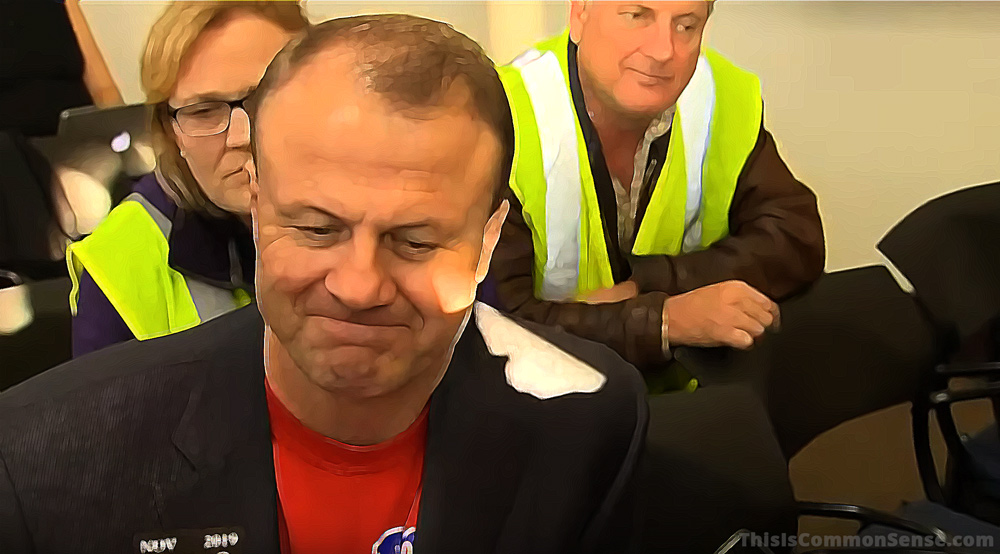
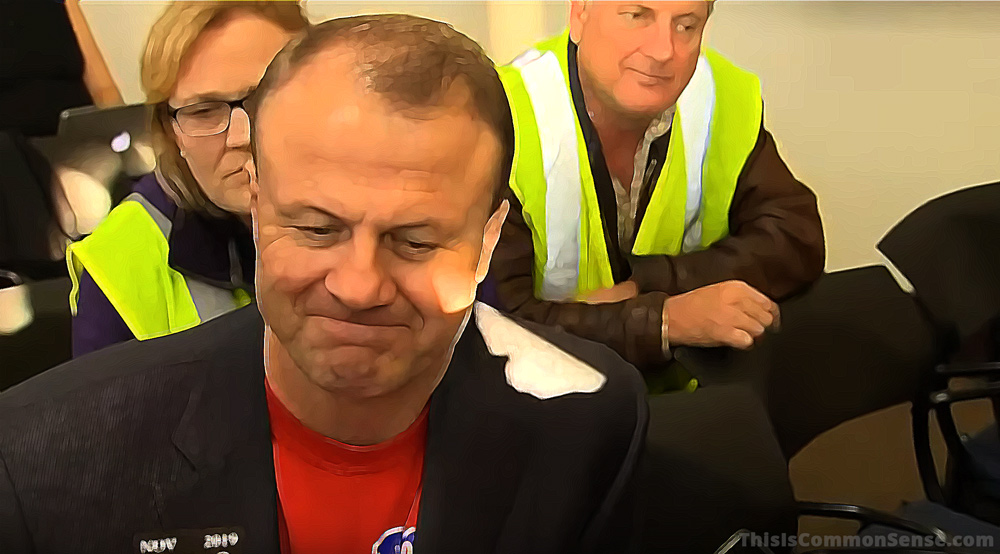
Fortunately for Evergreen State voters, there are alternatives. Indeed, one in particular: Tim Eyman.
I mention Eyman often enough that I could almost get away without introducing him now. He is arguably the most effective user of initiative and referendum in the country — offering common-sense issues a majority of voters favor, especially tax limitation and reduction measures.
On his campaign website he sports a sweatshirtemblazoned with “Let the Voters Decide,” which is so democratic it almost makes you wonder why the state’s Democratic Party isn’t embracing him.
But we know why — the very last thing Democratic political machines want is democracy!
Running as neither an R nor a D, Mr. Eyman’s campaign slogan is “One of us as Governor!”
And considering the popularity of his many initiative measures designed to combat their elected representatives’ love of raising taxes and “fees” — especially on automobiles — as well as the way politicians in Olympia (including that ultimate insider, Inslee) freak out over the very name “Eyman,” it promises to be a very interesting and entertaining race.
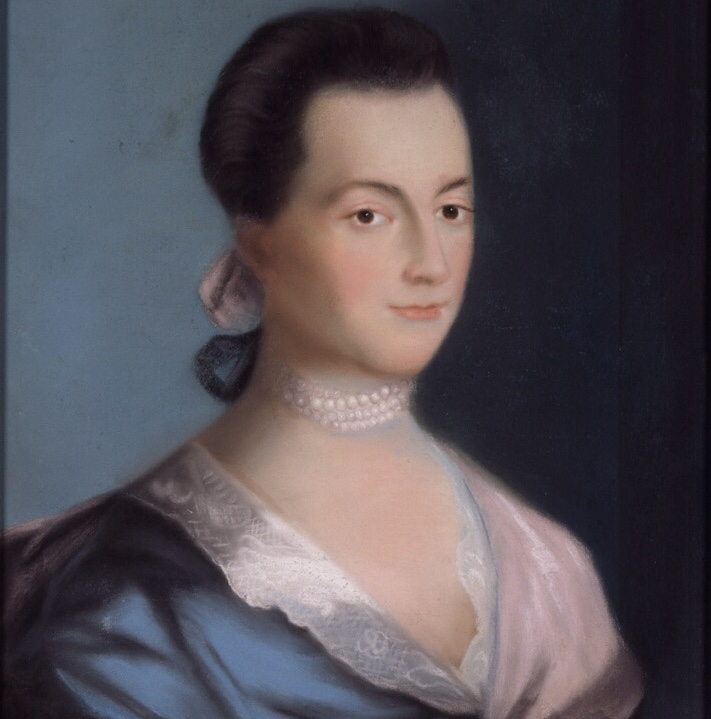
I feel anxious for the fate of our monarchy, or democracy, or whatever is to take place. I soon get lost in a labyrinth of perplexities; but, whatever occurs, may justice and righteousness be the stability of our times, and order arise out of confusion. Great difficulties may be surmounted by patience and perseverance.
Abigail Adams, Letter to her husband John Adams (November 27, 1775).
November 27, 1295, the first elected representatives from Lancashire were called to Westminster by King Edward I to attend what later became known as “The Model Parliament.”
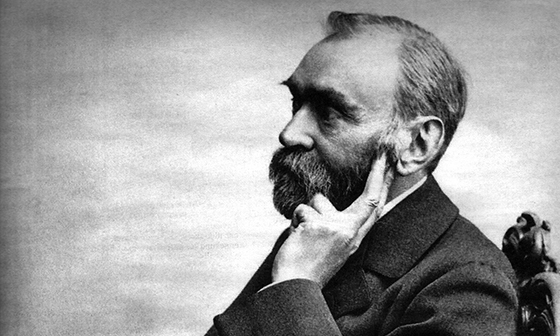
On the same date in 1895, Alfred Nobel (pictured) signed his last will and testament, thereby establishing the Nobel Prizes.