On March 24, 1765, the Kingdom of Great Britain passed the Quartering Act,* which required the Thirteen Colonies to house British troops.
On the same date in 1855, slavery was abolished in Venezuela.
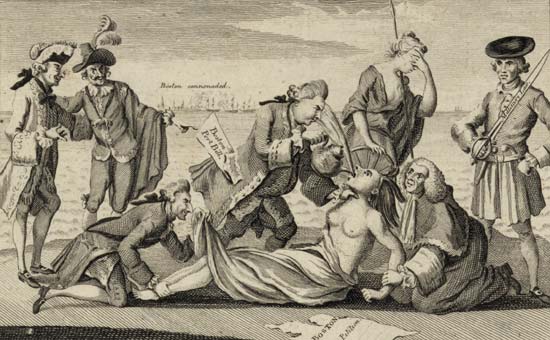
On March 24, 1765, the Kingdom of Great Britain passed the Quartering Act,* which required the Thirteen Colonies to house British troops.
On the same date in 1855, slavery was abolished in Venezuela.

It’s war!
A common refrain regarding the coronavirus. “This is our World War II,” say media mavens and politicians . . . who have never had to endure anything like World War II.
The utter vapidity of the “war” response was explained very well by Peter Schiff on a recent episode of The Tom Woods Show. Schiff is famously bearish on the American economy, which he has argued for years is addicted to debt and consumption but not production and responsibility. He notes how different this new “war” is.
Folks today, he argues, have no more idea how World War II was won than how the economy works.
which now we are talking about suspending.
What is widely being proposed today is not the “socialism” of war, where lives and wealth are conscripted.* What is being proposed is the “socialism” of bailouts and sugar-plum fairies, where consumers are coddled.
And unlike in World War II, Schiff contends, there is no vast private wealth to tax to pay for what is deemed necessary. Instead, we have debt.
It is indeed a strange war where we fight the threat of any harm coming to us, or any sacrifice required.
This is Common Sense. I’m Paul Jacob.
* We should oppose the conscription of individuals, as was done in the First and Second World War as well as Korea and Vietnam. Not only does it violate the Thirteenth Amendment’s prohibition against involuntary servitude, it was not needed then, nor is it now. More on this later in the week.

See all recent commentary
(simplified and organized)
See recent popular posts

I should like to be able to love my country and still love justice.
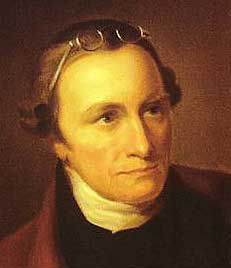
On March 23, 1775, Patrick Henry delivered his “Give me Liberty, or give me Death!” speech at St. John’s Church in Richmond, Virginia.
On this date in 1992, economist and social philosopher Friedrich August von Hayek died.

Paul discusses the headline-stealing story of the week — and the bigger story behind the story:

On March 22, 1630, the Massachusetts Bay Colony outlawed the possession of cards, dice, and gaming tables. Exactly eight years later, the colony expelled Anne Hutchinson for religious dissent.
In 1812 on this date, Stephen Pearl Andrews was born. Andrews would go on to become an important American abolitionist, free love advocate, and theorist of “individual sovereignty,” promulgating the reforms of Josiah Warren.

Paul Jacob discusses the biggest story of the week here at This Is Common Sense:
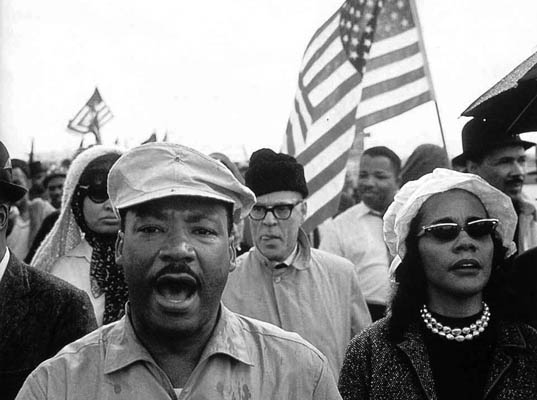
On March 21, 1965, Dr. Martin Luther King, Jr. led 3,200 people on the start of the third and finally successful civil rights march from Selma to Montgomery, Alabama.
Nearly two decades earlier, the Twenty-second Amendment (Amendment XXII) of the United States Constitution, passed Congress. The date was March 21, 1947. The amendment, ratified on February 27, 1951, set a term limit for election and overall time of service to the office of President of the United States. This was an obvious reaction to Franklin Delano Roosevelt’s more than three terms in office.
The first section of the amendment reads as follows:
No person shall be elected to the office of the President more than twice, and no person who has held the office of President, or acted as President, for more than two years of a term to which some other person was elected President shall be elected to the office of the President more than once. But this Article shall not apply to any person holding the office of President, when this Article was proposed by the Congress, and shall not prevent any person who may be holding the office of President, or acting as President, during the term within which this Article becomes operative from holding the office of President or acting as President during the remainder of such term.
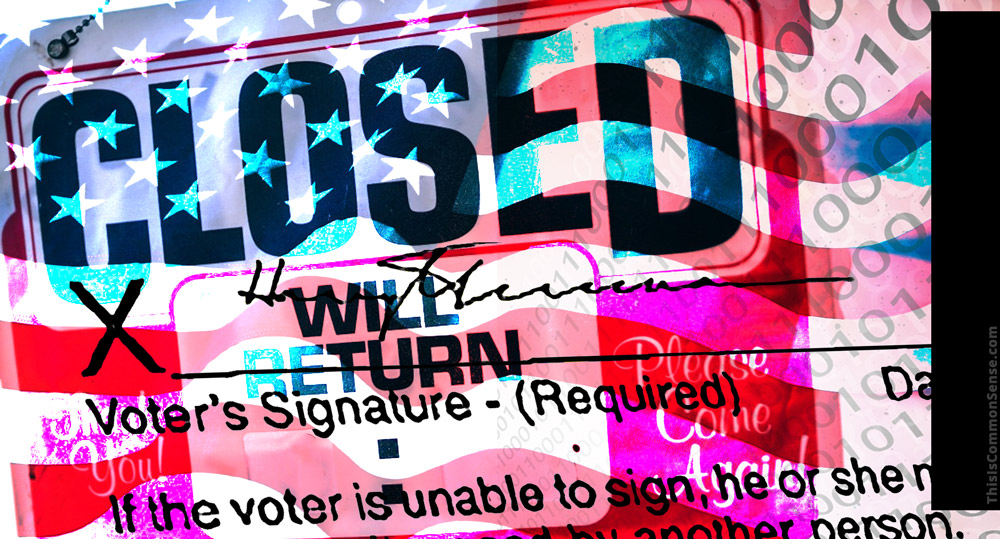
“Our political system, our way of life, our Constitution cannot be let go,” the Libertarian Party’s Nicholas Sarwark argued on MSNBC’s Morning Joe, “just because there is a terrible illness spreading through the country.”
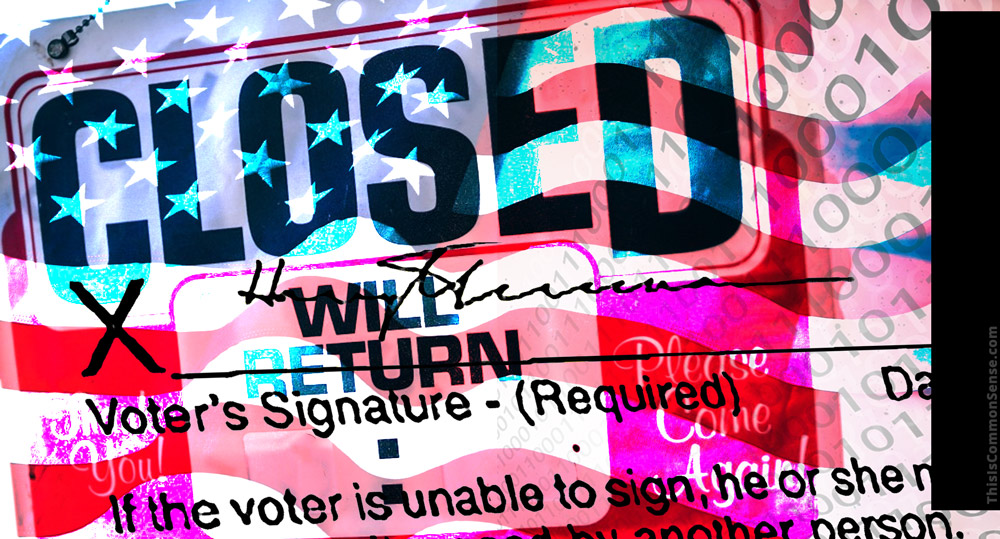
His concern? Libertarians — and Greens and other parties or independent candidates — must still gather hundreds of thousands of voter signatures to put their candidates on state ballots this November.
And so, too, must citizen-initiated ballot measures.
But who wants to petition into a deadly pandemic? Supposing you carefully made a grocery run, would you stop to chat with petitioners and grab their pen to sign?
“That would be a public health nightmare,” explained Sarwark, “to force petitioners to go out with clipboards and gather signatures.”
Libertarians are asking governors “to suspend these requirements that would endanger the public.”
Cogent points, but I’m not so sure governors have lawful power to order candidates or initiatives onto the ballot.
Much less the inclination.
Legislatures could act . . . but why help competing candidates gain access to the ballot?
And as for green-lighting issues that haven’t gone through their sausage-maker?
Puh-leeze.
Back in 2010, the Utah Supreme Court ruled that electronic signatures were legally valid. Rather than facilitate that process, the state legislature quickly banned it.
But it is the obvious solution: allow voters to sign petitions online for candidates or ballot initiatives.*
“The law has long recognized electronic signatures as legally effective where hand-signed signatures are required,” contends Barry Statford in a law review article. “As early as 1869, the New Hampshire Supreme Court acknowledged the validity of a contract accepted by telegraph.”
The courts should mandate state acceptance of electronic signatures.
Let’s sue.
This is Common Sense. I’m Paul Jacob.
* Voters in Boulder, Colorado, passed an initiative allowing electronic signatures in 2018.
See all recent commentary
(simplified and organized)
See recent popular posts
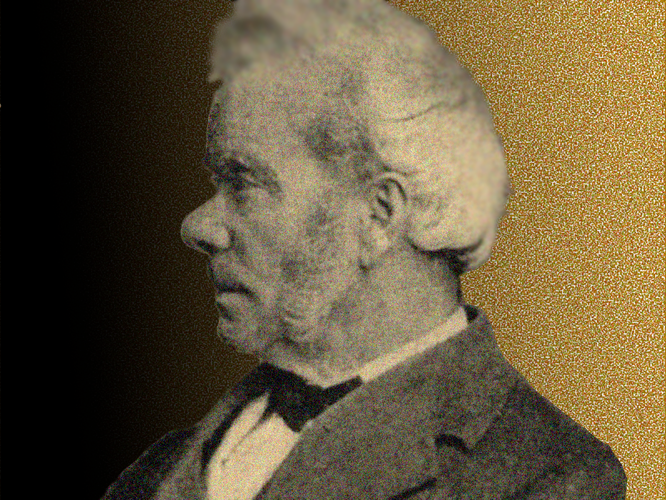
Liberty, then, is the sovereignty of the individual, and never shall man know liberty until each and every individual is acknowledged to be the only legitimate sovereign of his or her person, time, and property, each living and acting at his own cost.
Equitable Commerce, 1848.