Categories
Today

“Malaise”

On July 15, 1976, Jimmy Carter accepted the nomination of the Democratic Party to run for the presidency.

Three years later, as president, he gave his infamous “malaise” speech, in which he focused on energy but did not mention the one thing that actually helped turn the 1970s’ energy crisis around: the phased deregulation of oil prices that had started three months earlier, under his own directive. Instead of touting this deregulatory effort, Carter did the usual politic thing and promised a number of new government programs, extensively ground home a “crisis of confidence” message, and vaguely talked of a spiritual challenge.

The deregulation was startlingly effective, in the long run — though the immediate effect was a rocketing of prices. These high prices presented profit opportunities, and (lo and behold!) domestic production greatly increased, allowing for many, many years of lower prices. Those high prices would have worked better as market signals had not Carter and Congress also established “windfall profits” taxes, to take away those temporary gains to existing business.

Had Carter deregulated prices earlier, he would probably have been re-elected president. Had he emphasized deregulation, he probably would have beat back Ronald Reagan’s free market rhetoric — with actual action.

The price controls had been put in place earlier in the decade by the Republican president at the time, Richard M. Nixon, with the great help of his aides Dick Cheney and Donald Rumsfeld.
Categories
ideological culture media and media people

Indecent Exposure

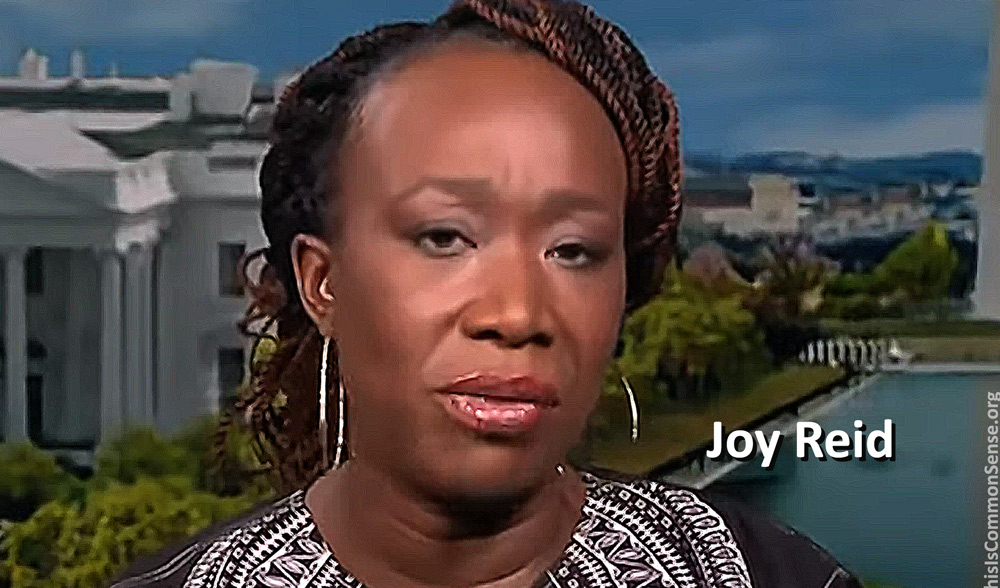
Next week, when Joy Reid begins hosting her new primetime MSNBC program, “The ReidOut,” I will not be watching.

But not because of her progressivism.

You see, those progressive bona fides “were called into question in 2017,” a New York Times feature on Reid’s promotion to cable TV’s evening lineup notes, “when homophobic posts and comments from ‘The Reid Report,’ a blog she wrote in the mid- to late 2000s, resurfaced on social media.”

When those writings were discovered, Reid publicly claimed her blog’s archive must have been hacked

“We have received confirmation the FBI has opened an investigation into potential criminal activities surrounding several online . . . blog accounts, belonging to Joy-Ann Reid,” her attorney told CNN in 2018.

But the offending posts were captured by the Wayback Machine, an internet archive, and were obviously not the result of a hack. 

No one bought her dodge. 

“Later,” as The Times puts it, “she acknowledged that there was little evidence that the posts had been faked.” 

“Little” . . . meaning zero.

The Times also refers to Reid’s “lengthy apology” to viewers. “The person I am now is not the person I was then,” she offered. But she never owned up to writing the “hateful” posts. 

“I genuinely do not believe I wrote those hateful things,” she argued, “because they are completely alien to me.” 

But she did write them. And lied to the FBI, apparently, to hide the truth.

In a time of unbridled shaming and social-media-mob recriminations for any lack of keeping up with the dominant wokeness, how is Reid able to insult gays and (to top it off) everyone’s intelligence with such bald-faced lies?

And to be rewarded with a primetime cable TV gig. Lying works!

That’s indecent.

This is Common Sense. I’m Paul Jacob.


PDF for printing

See all recent commentary
(simplified and organized)
See recent popular posts

Categories
Thought

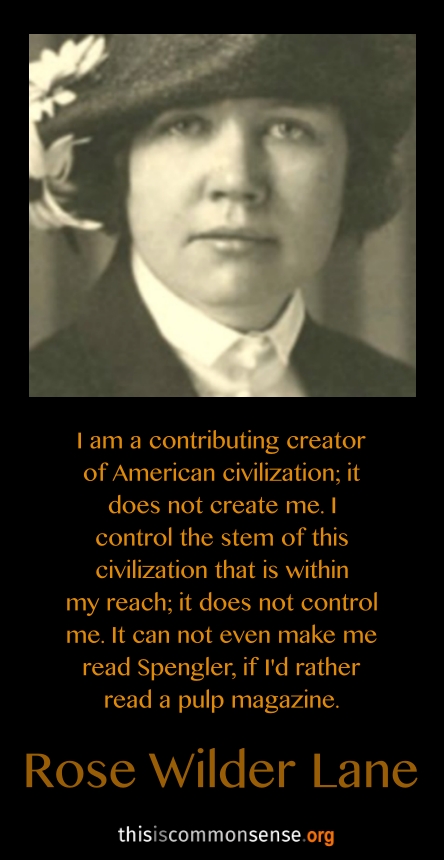
Rose Wilder Lane

I am a contributing creator of American civilization; it does not create me. I control the stem of this civilization that is within my reach; it does not control me. It can not even make me read Spengler, if I’d rather read a pulp magazine.

Rose Wilder Lane, The Discovery of Freedom (1943), p. 18.
Categories
Today

The Bastille and Beyond

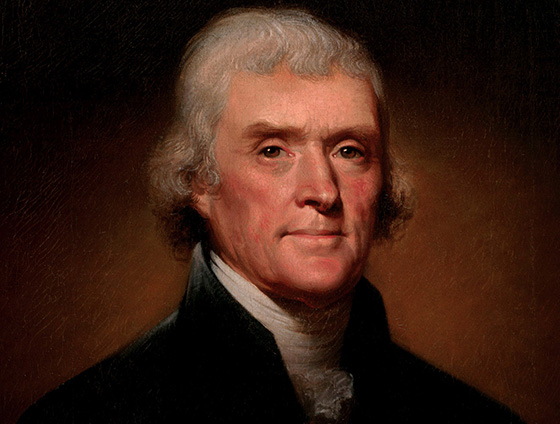
On July 14, 1789, Paris citizens stormed the Bastille. On the same date nine years later, in America, the Sedition Act prohibited the writing, publishing, or speaking false or malicious statements about the United States government.

The passage of this repressive law spurred the formation of the first opposition party in the United States, with Thomas Jefferson [above] as its leader and figurehead.

Categories
crime and punishment national politics & policies property rights

Dereliction of Duty

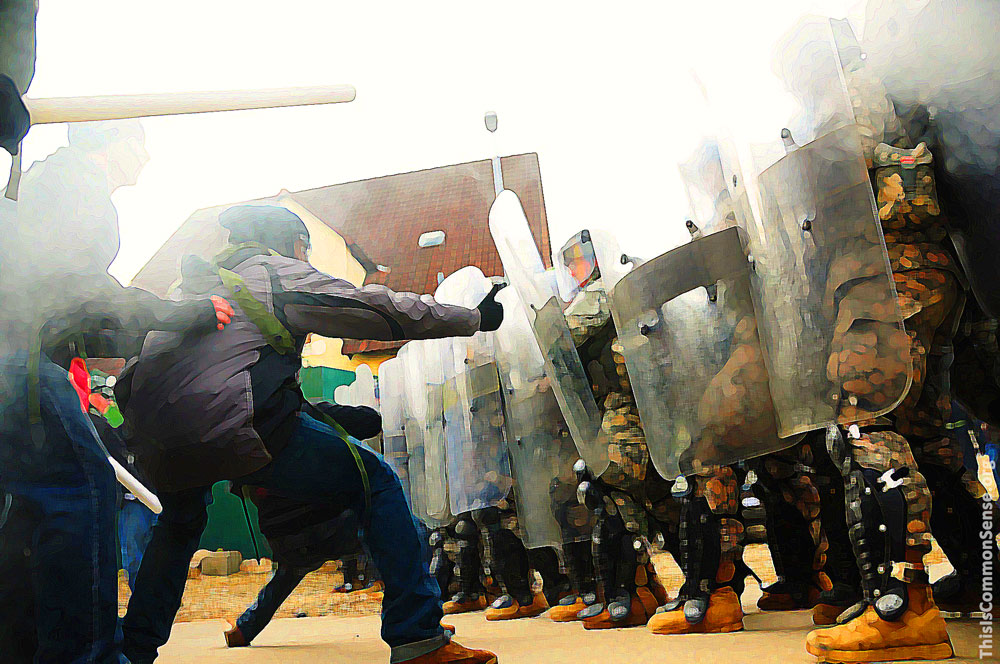
Must governments act to protect you when you or your property are attacked — for example, by rioters who vandalize and burn your store? 

Is the government liable if it willfully lets it happen?

Protection of life and property is the moral obligation of governments constituted for this purpose. But whether officials who ignore the obligation can be held to account is another question.

A Madison Avenue shop, Domus Design Center, is suing the mayor of New York City and the governor of New York State. In late May and early June, hundreds of businesses were damaged by rioters while Mayor de Blasio and Governor Cuomo refused to act to oppose them.

“Where are our tax dollars going?” asks the Center’s attorney, Sal Strazzullo. “Not protecting commercial properties is negligence of duty. Paying taxes that help pay the salary of the NYPD, we expect protection in return. Government is responsible to protect its citizens and businesses against criminals who want to do bad.”

Yes. 

But Strazzullo’s client faces the precedents of rulings in cases like Warren v. District of Columbia, Castle Rock v. Gonzales, and a lawsuit by Parkland, Florida students against the local sheriff’s office. In these cases, plaintiffs argued that law enforcers had a positive duty to protect the plaintiffs when they were being clearly threatened. 

The courts disagreed.

We must hope that there are limits to the willingness and ability of judges to avert their gaze. Otherwise, we are paying everyone in the system to look the other way when trouble comes.

This is Common Sense. I’m Paul Jacob.


PDF for printing

Photo by Georgia National Guard

See all recent commentary
(simplified and organized)
See recent popular posts

Categories
Today

The Nixon Tapes

On July 13, 1973, the minority (Republican) counsel on the Senate Watergate investigative committee, Donald Sanders, asked Nixon aide Alexander Butterfield if he knew of any recordings made in the Nixon White House, and Butterfield responded, “everything was taped” at least while Nixon was in attendance, and that “there was not so much as a hint that something should not be taped.”

This revelation of the Nixon Tapes transformed the Watergate scandal into a major legal as well as political event, and proved to be one of the most astounding examples of “government transparency” in modern times — indeed, it helped demystify and desanctify the Office of the Presidency, a very republican (if not pro-Republican Party) development.

Categories
Thought

William Leggett

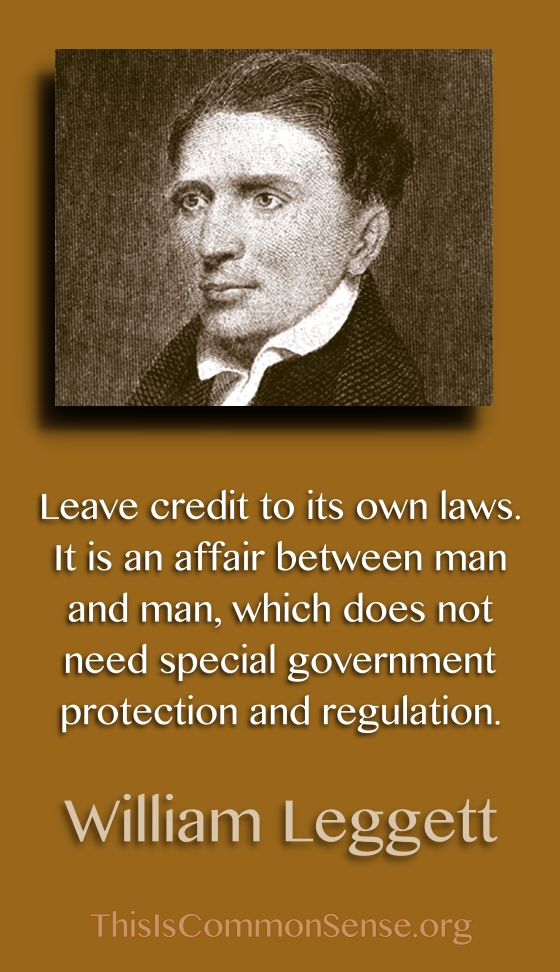
In the complete separation of government from the bank and credit system consists the chief hope of renovating our prosperity, and restoring to the people those equal rights, which have so long been exposed to the grossest violations. Leave credit to its own laws. It is an affair between man and man, which does not need special government protection and regulation. Leave banking to be conducted on the same footing with any other private business, and leave the banker to be trusted or not, precisely as he shall have means to satisfy those who deal with him of his responsibility and integrity. All this is a matter for men to manage with each other in the transaction of private affairs.

William Leggett (1801–1839), Plaindealer (July 22, 1837).

This same passage was published here a few days ago. But we repeat because the image snips out an even juicier two sentences from the passage than before!

Categories
by Paul Jacob video

Watch: For the Day Is Coming?

Categories
Thought

Alexis de Tocqueville

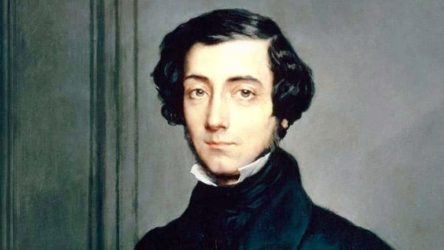
Two things in America are astonishing: the changeableness of most human behavior and the strange stability of certain principles. Men are constantly on the move, but the spirit of humanity seems almost unmoved.

Alexis de Tocqueville, Democracy in America, Book Three, Chapter XXI
Categories
Today

Thoreau

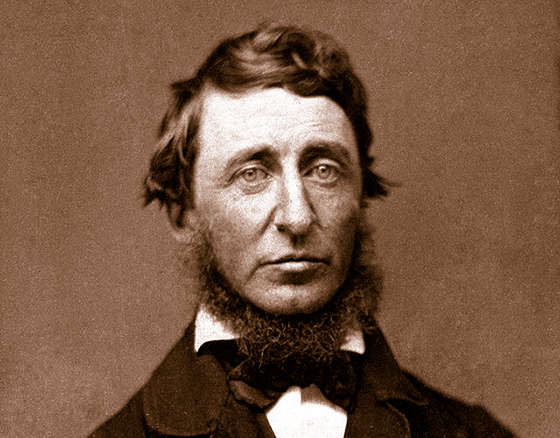
On July 12, 1817, American poet, abolitionist, businessman, and Transcendentalist philosopher Henry David Thoreau was born. He is perhaps best known, today, for his book of meditations on the simple life, Walden, and his influential essay on civil disobedience.