Paul clarifies last week’s big stories:
Categories
Watch: Trying Harder?

Paul clarifies last week’s big stories:
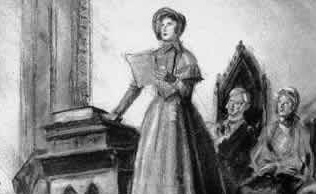
On July 19, 1848, a two-day Women’s Rights Convention opened in Seneca Falls, New York.

Paul re-caps the big stories of the week as they appear here, on Common Sense with Paul Jacob:
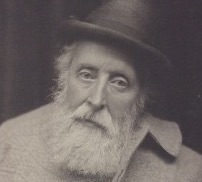
On June 18, 1838, Auberon Edward William Molyneux Herbert was born.
Auberon Herbert was a Liberal Member of Parliament who, after reading the writings of Herbert Spencer, became a radical individualist and author of essays such as “The Ethics of Dynamite,” “A Politician in Trouble About His Soul,” and “The Right and Wrong of Compulsion by the State.”
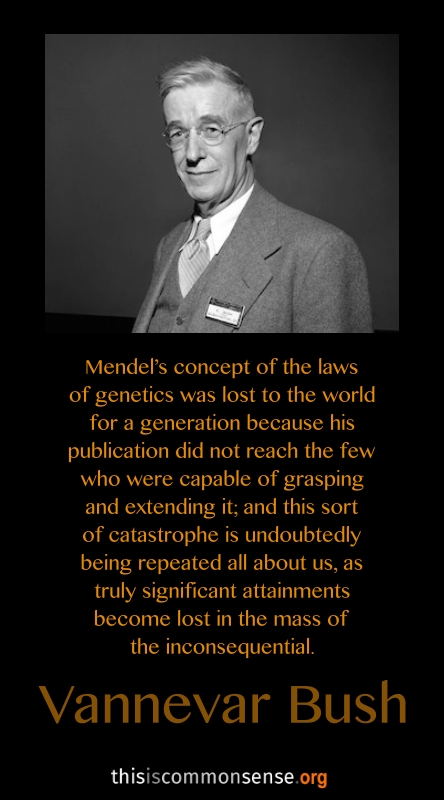
Mendel’s concept of the laws of genetics was lost to the world for a generation because his publication did not reach the few who were capable of grasping and extending it; and this sort of catastrophe is undoubtedly being repeated all about us, as truly significant attainments become lost in the mass of the inconsequential.
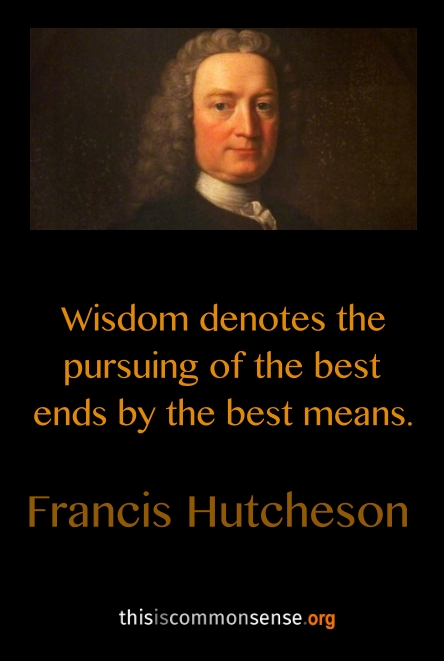
Wisdom denotes the pursuing of the best ends by the best means.

Sometimes you should not try a balancing act.
Last weekend, Hong Kong citizens voted in opposition primaries — conducted in defiance of China’s new “national security” law that deprives Hong Kong of the last vestiges of democracy and individual freedom that the region had been allowed to retain after Great Britain handed it over to China in 1997.
General elections will be held in September.
The primary organizers developed a voting platform called PopVote with apps for iOS and Android.
Although China condemns the elections as illegal, Google has accepted the app for Android. But Apple first voiced technical objections to the code; then, after programmers made requested changes, the company stopped responding to them at all.
“We think it is being censored by Apple,” says Edwin Chu, one of the developers.
It wouldn’t be the first time Apple has rejected apps in obedience to the Chinese government.
The Quartz website says that the firm “has long had to walk a tightrope between its commitment to user rights and placating China” because of the large market for (and production of) iStuff in that country.
Apple’s conduct may be unfavorably compared to that of companies like the one responsible for the secure messaging app Telegram. When China banned the app in 2015, founder Pavel Durov saw no point trying to get the ban reversed. He said: “It’s pretty obvious that the Chinese government’s desire for total control over its population is incompatible with our values.”
Not so incompatible with Apple’s values, apparently.
This is Common Sense. I’m Paul Jacob.
See all recent commentary
(simplified and organized)
See recent popular posts
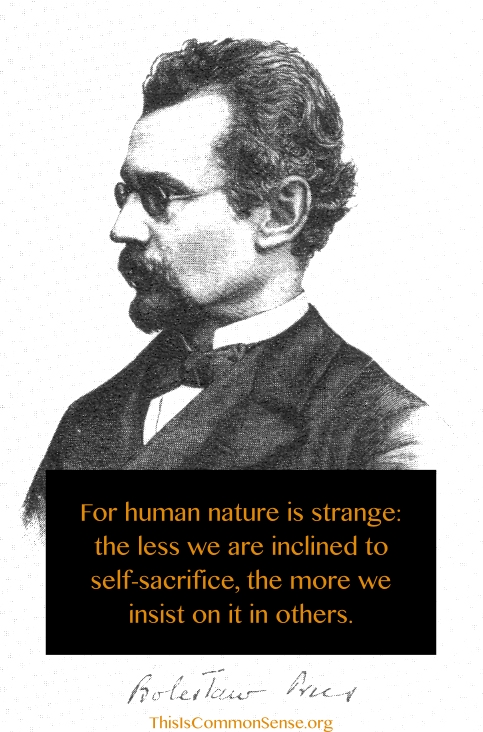
For human nature is strange: the less we are inclined to self-sacrifice, the more we insist on it in others.

On July 16, 1931, Ethiopia’s Emperor Haille Selassie I signed a new Constitution. Not exactly a model of limited government, the new document proved that the emperor was in keeping with the time, which was a period of weakening constitutional limits in America, Europe, and Britain. A flavor of the document can be gained by its most “rights-oriented” measures:
Art. 22. Within the limits laid down by the law, Ethiopian subjects have the right to pass freely from one place to the other.
Art. 23. No Ethiopian subject may be arrested, sentenced, or imprisoned except in pursuance of the law.
Art. 24. No Ethiopian subject may, against his will, be deprived of his right to be tried by a legally established court.
Art. 25. Except in cases provided for by law, no domiciliary searches may be made.
Art. 26. Except in cases provided by the law, no one shall have the right to violate the secrecy of the correspondence of Ethiopian subjects.
Art. 27. Except in cases of public necessity determined by the law, no one shall have the right to deprive an Ethiopian subject of any movable or landed property which he owns.
Art. 28. All Ethiopian subjects have the right to present to the Government petitions in legal form.
Art. 29. The provisions of the present chapter shall in no way limit the measures which the Emperor, by virtue of his supreme power, may take in the event of war or public misfortunes menacing the interests of the nation.
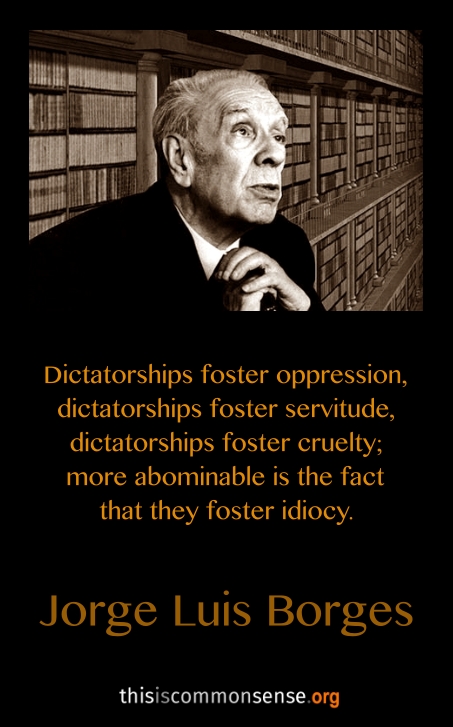
Dictatorships foster oppression, dictatorships foster servitude, dictatorships foster cruelty; more abominable is the fact that they foster idiocy.