To live at all is miracle enough.
Mervyn Peake, title of a poem as well as his epitaph.
Categories
Mervyn Peake

To live at all is miracle enough.
Mervyn Peake, title of a poem as well as his epitaph.
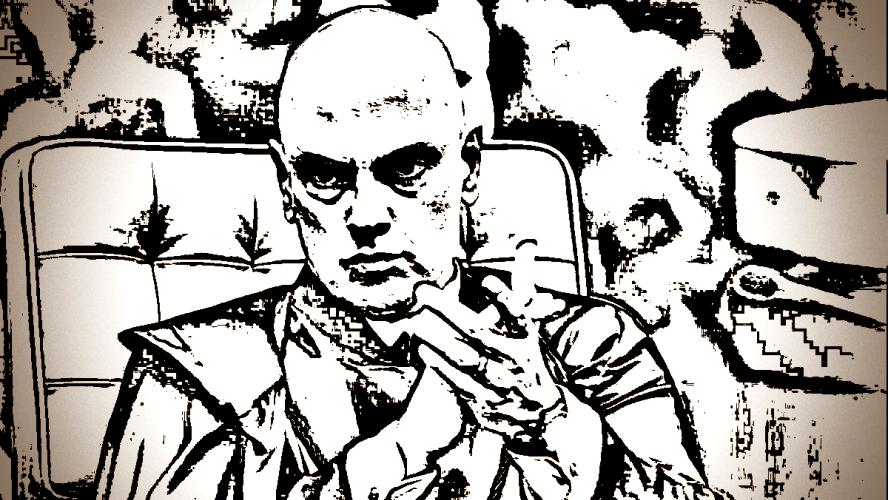
On Friday, Paul Jacob (“Deep State in a Corner”) alluded to Elon Musk’s verbal and legal battles with Brazilian censorship, suggesting “why Musk is pulling out Twitter personnel” out of the Portuguese-speaking country. And as that commentary was “going to press,” as we used to say in the print biz, the story grew much larger.
“X began to go dark across Brazil on Saturday after the nation’s Supreme Court blocked the social network because its owner, Elon Musk, refused to comply with court orders to suspend certain accounts,” explain Jack Nicas and Kate Conger in The New York Times. “The moment posed one of the biggest tests yet of the billionaire’s efforts to transform the site into a digital town square where just about anything goes.”
Yes. It’s called “free speech.” It’s almost as if Nicas and Conger are trying to dysphemize it.
“Alexandre de Moraes, a Brazilian Supreme Court justice, ordered Brazil’s telecom agency to block access to X across the nation of 200 million because the company lacked a physical presence in Brazil.” But remember: X was pulling out so personnel wouldn’t get arrested for not complying with the maniac judge, Alexandre de Moraes.
Moraes’s antics have been covered extensively by Glenn Greenwald of System Update on Rumble. As noted on Friday, Rumble is also not operating in Brazil, nor allowed to be accessed over the Internet.
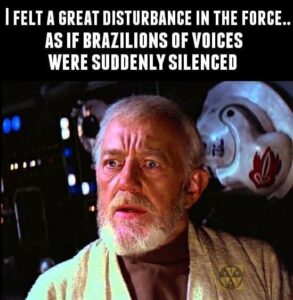
But there’s a lot more to the censorship story, and some of it expands upon the points in “Deep State in a Corner”: Mike Benz, whom you may have caught on Tucker Carlson’s show, says he was told by a Brazilian congressman that behind all this is a batch of NGOs funded by the United States: “the Brazilian think tanks who are part of the legislative development of these censorship edicts and who pressuring Brazil’s government not to create a carve-X out for congressional parliamentarians because it would give a free pass for Brazilian members of Congress to spread misinformation online.”
Political. Very political.
Ominous. Very ominous.
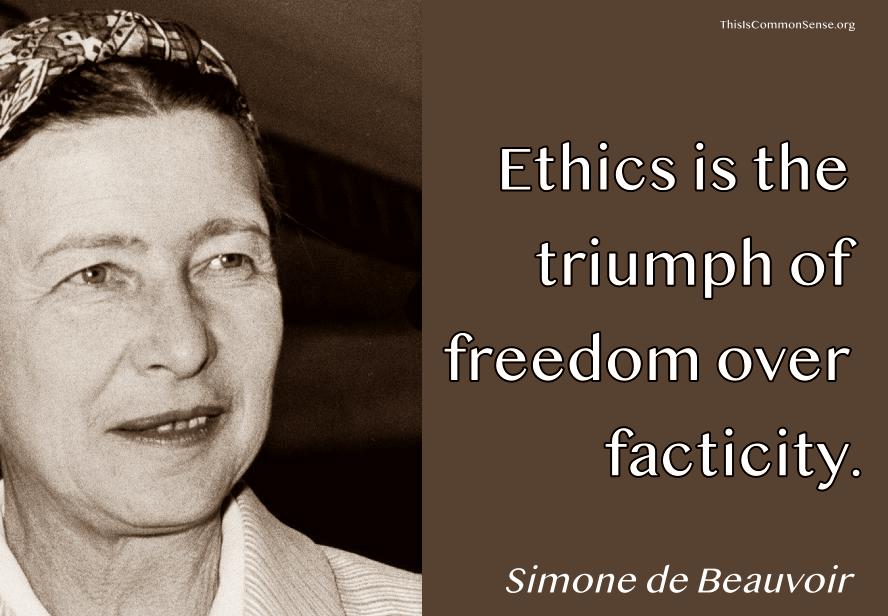
Ethics is the triumph of freedom over facticity.
Simone de Beauvoir, The Ethics of Ambiguity (1948), p. 44.
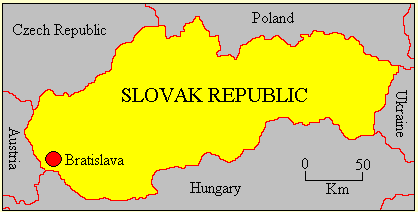
Slovakia celebrates a Constitution Day on September 1, for the Constitution passed by the Slovak National Council on September 1, 1992.
The Slovaks place their rights provision early in their document, like most American states, and not as amendments, as in the Constitution of the United States of America.
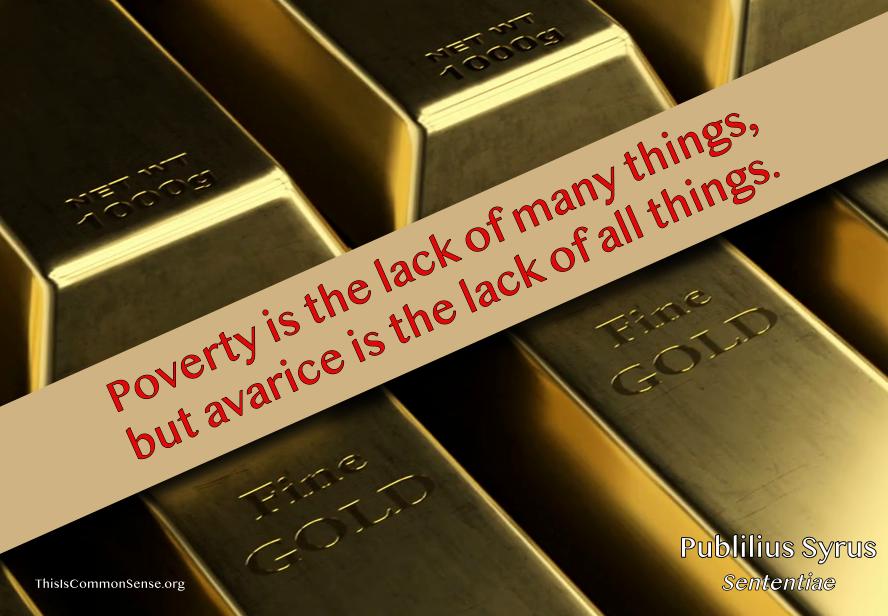
Poverty is the lack of many things, but avarice is the lack of all things.
Publilius Syrus, from the Sententiae.

On August 31, 1870, educator Maria Montessori [pictured] was born.
German Count Ferdinand von Zeppelin led aviation progress with his patent for a navigable balloon, on this date in 1895.
August 31 serves as Independence Day for Kyrgyzstan, Malaysia, and Trinidad and Tobago.
Overseas.
The rationale? Without some free speech and press rights, it was too hard to organize a populace to overthrow their government. Our spooks exported freedom of speech abroad not because they were so gung-ho American; it was all about seeding revolutions.
But not here!
The CIA couldn’t let others take advantage of American free speech like its agents leveraged free speech abroad. A change in government might mean . . . loss of jobs. Mission. Money.
What to do? Disinform at home. By corrupting journalism.
The Operation Mockingbird efforts in the 1960s helped intel insiders control information and manage “the consent of the governed,” and these early efforts grew into the close ties between the Deep State and credentialed journalists today.
The connections, I’m told are many: it’s not just Anderson Cooper’s internship at the CIA.
During the Cold War, the disinformation element found a plausible justification. Then, the Soviets had us at a disadvantage: we had trouble extracting reliable information from within the Iron Curtain, but they could grab all sorts of useful information from our open, comparatively free speech realm.
Disinformation: a strategic necessity. But the consequences?
“We’ll know our disinformation program is complete,” William Casey explained to President Ronald Reagan, “when everything the American public believes is false.”
In the early days of the Internet, the Deep State pushed online speech platforms, the better to allow for foreign coups. Is there a social media space that hasn’t received surreptitious government subsidy? It’s hard to be sure. We’re supposed to assume our government protects us rather than controls us.
But, increasingly, Internet-connected Americans see government officials chiefly as manipulators.
Which is why the Deep State’s most ardent partisans (neocons; Democrats; plutocrats) now routinely attack free speech here, and why allies overseas are so thoroughly cracking down on “de-stabilizing” opinions. It’s why Rumble is no longer available in Brazil and why Musk is pulling out Twitter personnel . . . and why France has arrested the CEO of Telegram.
Us catching on to the psy-op game places the Deep State in a corner. All the disinformation agents have left is censorship and repression.
This is Common Sense. I’m Paul Jacob.
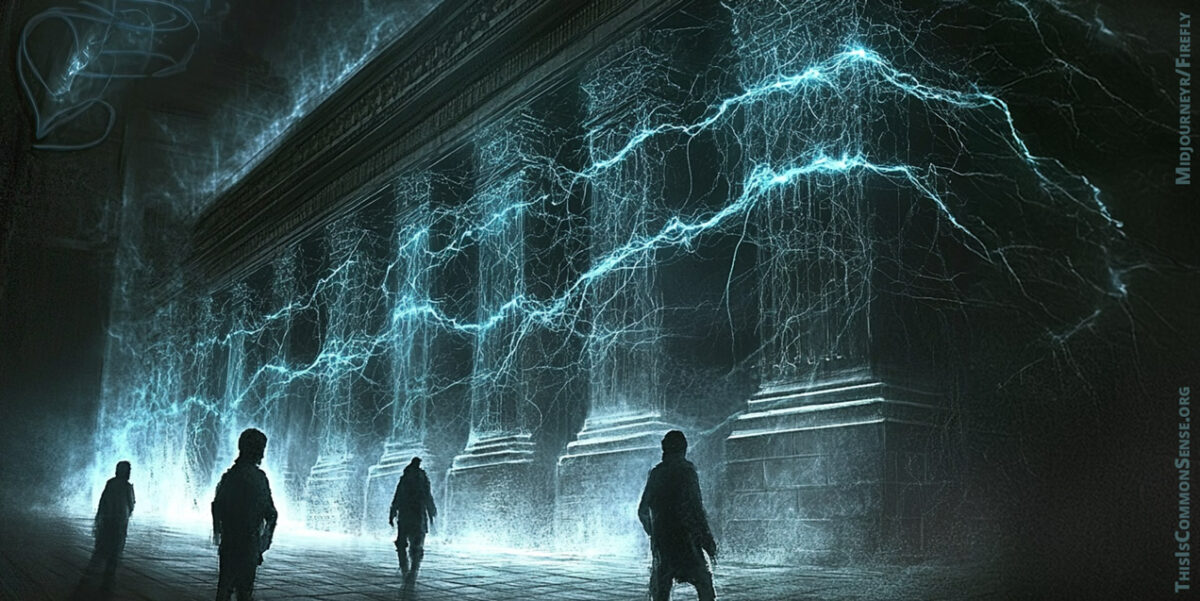
Illustration created with Midjourney and Firefly
See all recent commentary
(simplified and organized)
See recent popular posts
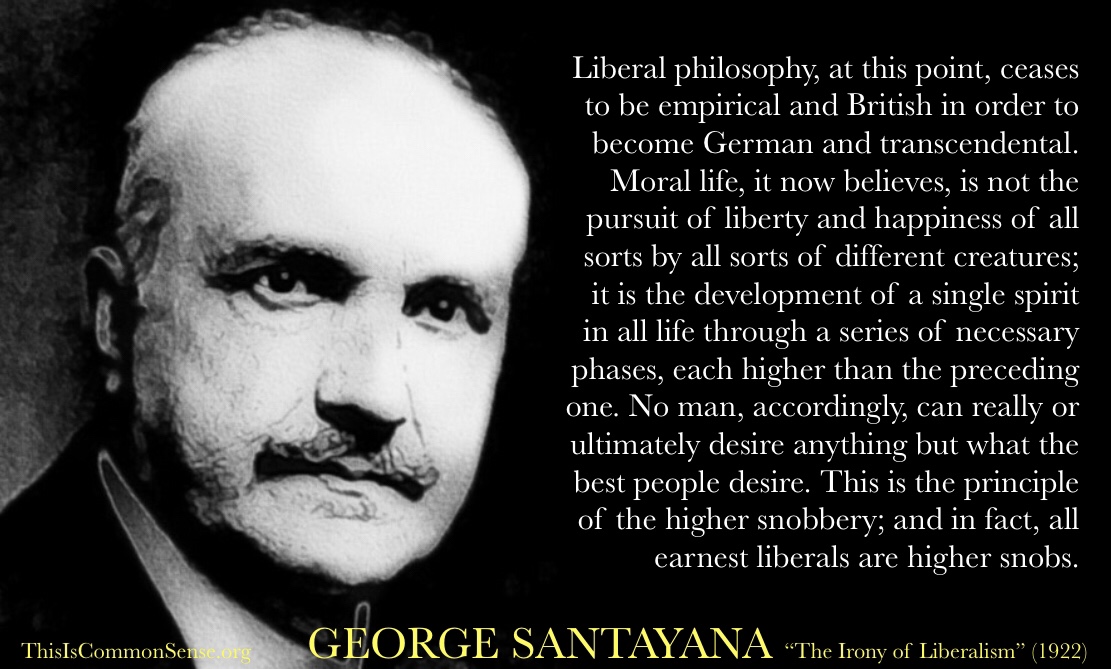
Liberal philosophy, at this point, ceases to be empirical and British in order to become German and transcendental. Moral life, it now believes, is not the pursuit of liberty and happiness of all sorts by all sorts of different creatures; it is the development of a single spirit in all life through a series of necessary phases, each higher than the preceding one. No man, accordingly, can really or ultimately desire anything but what the best people desire. This is the principle of the higher snobbery; and in fact, all earnest liberals are higher snobs.
George Santayana, “The Irony of Liberalism,” Soliloquies in England and Later Soliloquies (1922).
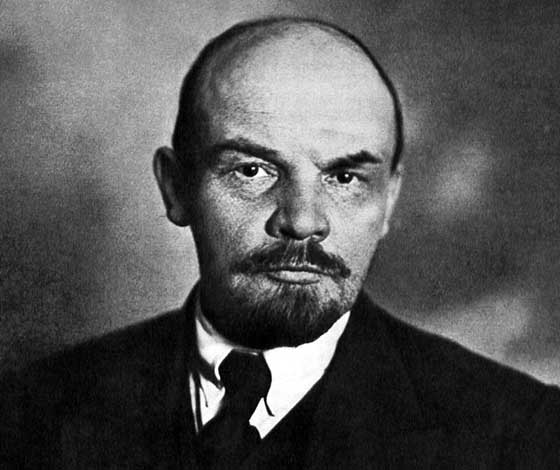
On August 30, 1918, Fanny Yefimovna Kaplan shot and seriously injured Bolshevik leader Vladimir Lenin. Though certainly justifiable on some primary level — evil killers with power probably deserve to be killed in turn — this assassination attempt prompted the mass arrests and executions known as the Red Terror.
August 30, 1999, saw East Timor’s referendum vote for independence from Indonesia succeed.

One of the lamentable ideological fads of recent years, DEI (“Diversity, Equity, and Inclusion”) programs are a vicious form of race-based and sex-based affirmative action.
All such policies subordinate merit to irrelevant but politically preferred physical characteristics.
So far as I know, old-style affirmative action at least was not normally accompanied by mandatory indoctrination and mandatory testimony by applicants about how they would cherish and uphold the ideology of compensatory racial and sexual discrimination. But such indoctrination and litmus tests are standard features of many contemporary DEI regimes.
Which are now minus one, thankfully, as Jack Daniel’s announces that it will be ending DEI initiatives, such as a social credit system and “quantitative workforce and supplier diversity ambitions.”
The Dallas Express says that the whiskey distiller is decoupling from DEI because it is “facing backlash.” Specifically, thanks to the impending attention of Robby Starbuck, “an activist known for successfully putting a spotlight on companies like Harley-Davidson and John Deere” for their DEI policies.
Starbuck said on Twitter that he had been “set to expose” Jack Daniel’s, which perhaps was tipped off by his visiting of employee LinkedIn pages. “We are winning and one by one we will bring sanity back to corporate America.”
He adds that if you want your own workplace’s DEI policies exposed, you can email “tips and evidence” to him at EliminateDEI@protonmail.com.
This is Common Sense. I’m Paul Jacob.
Illustration created with PicFinder and Firefly
See all recent commentary
(simplified and organized)
See recent popular posts