Categories
Today

After Porto

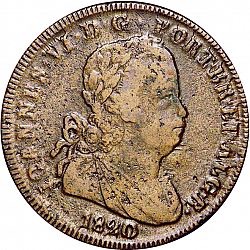
On September 15, 1820, an uprising occurred in Lisbon, Portugal, following similar insurrection in Porto the previous month. This was no bloodthirsty mob, but, instead, a popular demand for constitutional government. Unfortunately, the country was beset with imperial and monarchical problems for some time to come.

The United Nations established September 15 as International Day of Democracy, in 2007. An Independence Day is celebrated on this date in Guatemala (a Patriotic Day), El Salvador, Honduras, Nicaragua, and Costa Rica, commemorating independence from Spain in 1821.

Categories
Update

Not To Be Saved

H.R. 8281, the Safeguard American Voter Eligibility Act (SAVE Act), introduced by Rep. Chip Roy (R-TX), would require voters to provide documentary proof of citizenship at the time of registration. It passed the House in July and is hovering in the Senate where . . .

Wait. Something happened. It’s been placed in the latest Continuing Resolution (CR) on the budget!

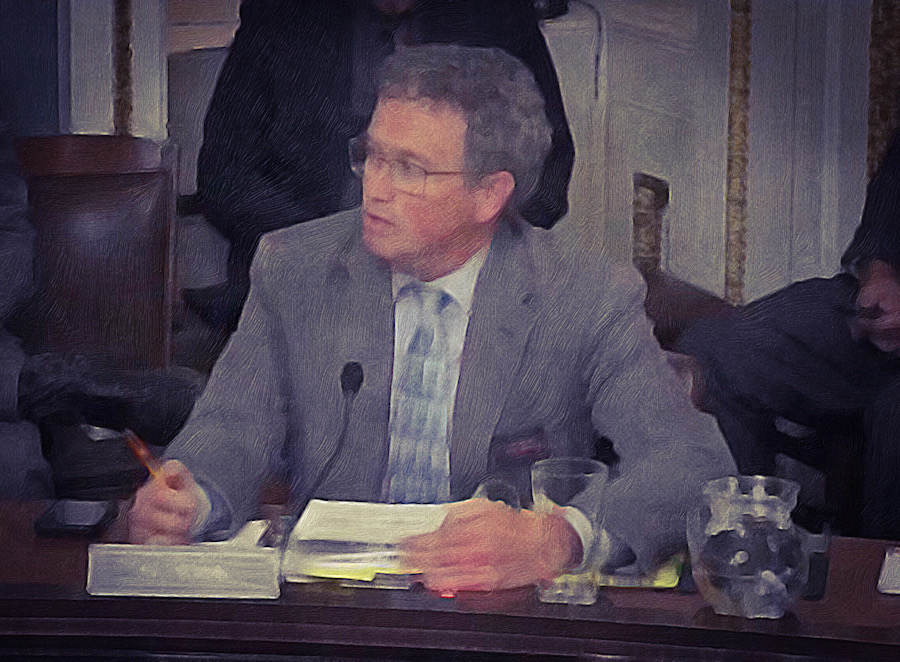
But before you get too excited, Thomas Massey, Republican Representative from Kentucky, calls this a “Bright Shiny Object” which will be voted for by Republicans and voted against by Democrats and, according to the rules of “political theater” will be removed before the CR goes to the president’s pen.

Besides, the SAVE Act can’t save the election we’re worried about, since the general election will be held just a few weeks from now and everybody’s been registered and . . .

Well, watch Massey on X.

Categories
Thought

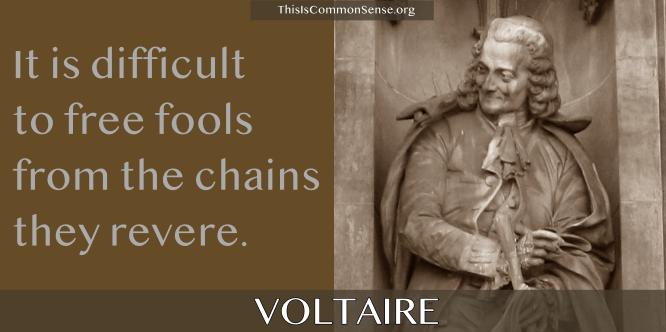
Voltaire

Il est bien malaisé (puisqu’il faut enfin mexpliquer)
d’ôter à des insensés des chaînes qu’ils révèrent.

It is difficult to free fools from the chains they revere.

Voltaire — François-Marie Arouet (1694 – 1778) — Le dîner du comte de Boulainvilliers (1767): Troisième Entretien.

Categories
Today

Missing Eleven

In 1752, throughout the British Empire, September 2 was followed, the next day, by September 14, as the government adopted the Gregorian calendar, skipping eleven days.

On September 14, 1944, Maastricht becomes the first Dutch city to be liberated by allied forces.

Categories
ideological culture national politics & policies

The Value of Principles

The late Bernie Baltic used to ask politicians, who invariably wanted him to write them a check, “What are your principles?”

They would then recite their key issues or the issues they thought were key to getting Bernie to write that check. He would stop them, saying, “Not your issues — issue positions can change — your principles.”

Values are like sorta like principles. In politician speak.

“My values haven’t changed,” Vice-President Kamala Harris assured us, after being quizzed about her flip-flopping on issues including fracking (hello Pennsylvania’s 19 electoral votes), defunding the police and building a border wall.

CNN host Erin Burnett recently took the Democratic nominee to task, citing an investigation that counted more than 50 instances of Harris “slamming Trump’s border wall,” even while her “campaign ads actually showcase that wall.”

Hard to believe but true: Kamala’s TV spot touts Trump’s wall — his “big distraction,” as she dubbed it — as a symbol of her tough border stance. 

You can’t make this stuff up.

In her 2019 book, The Truths We Hold, Kamala Harris identified “a bigger reason to oppose a border wall,” decrying such a structure as “a monument standing in opposition to not just everything I value but to the fundamental values upon which this country was built.”

Therefore . . . it would seem obvious that her values have indeed changed. Or perhaps the problem is that she doesn’t have any values that cannot be trumped (go ahead, pun intended) by the all-powerful need to secure her personal political advance.

That’s her paramount principle. 

This is Common Sense. I’m Paul Jacob. 


PDF for printing

Illustration created with …

See all recent commentary
(simplified and organized)
See recent popular posts
Categories
Thought

William Saroyan

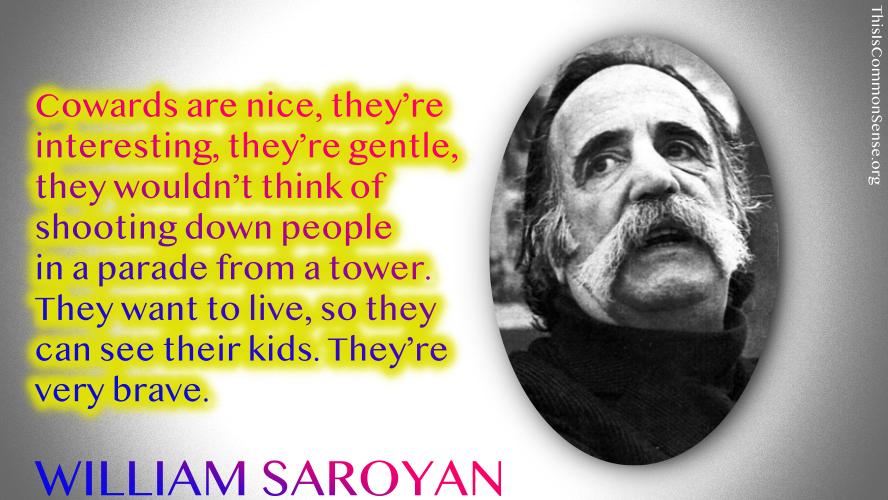
Cowards are nice, they’re interesting, they’re gentle, they wouldn’t think of shooting down people in a parade from a tower. They want to live, so they can see their kids. They’re very brave.

William Saroyan, Madness in the Family (1988).
Categories
Today

John Calvin & Desmond Tutu

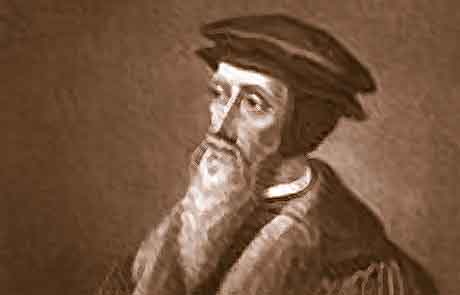
John Calvin [pictured above] returned to Geneva on September 13, 1541, after three years of exile. His subsequent work in church reform and theology became known as Calvinism, and profoundly influenced the course of European and (eventually) American culture, including several concepts of servitude and liberty.

On the same date in 1989, Desmond Tutu led South Africa’s largest march aganst Apartheid.

Categories
First Amendment rights media and media people political challengers social media

The Ignorance of Censorship

Why is Tim Walz, Harris’s running mate, governor of Minnesota right now?

Perhaps because government censors — functioning through agents like Mark Zuckerberg’s Facebook — made it harder to hear his opponent, Dr. Scott Jensen, during Walz’s 2022 re-election campaign.

A shift in a few percentage points would have tilted things in the challenger’s favor. But Jensen had made the government’s response to the pandemic — including the tyrannical policies of Walz’s state government — a central theme of his campaign.

And in those days (as in these), all-out censorship of various deviations from the government line was de rigueur. Disagreement about COVID-19, both the nature of the infection and the wisdom of the government’s response, was among the targets.

Jeffrey Tucker asks “Why Did Zuckerberg Choose Now to Confess” to the fact that Facebook had done so little, in Zuckerberg’s words, to resist repeated pressure “from the Biden administration, including the White House . . . to censor certain COVID-19 content”?

The answer to the uninteresting question “why now?” is standard CYApolitical calculus. In any case, the confession isn’t quite exhaustive; Zuckerberg doesn’t acknowledge the extent of the censorship. As Tucker notes, “every single opponent of the terrible policies was deplatformed at all levels.”

The single COVID-contrarian piece by Tucker himself that slipped through the social-media censorship net “by mistake” got an atypical tsunami of response. So what if Dr. Jensen’s message and arguments had not been perpetually smothered by government-pressured social-media companies?

Jensen may still have lost (Walz got 52 percent) but the point of elections goes further than a horse race. Where there is free speech, voters can learn something.

This is Common Sense. I’m Paul Jacob.


PDF for printing

Illustration created with PicFinder and Firefly

See all recent commentary
(simplified and organized)
See recent popular posts
Categories
Thought

Zora Neale Hurston

There are years that ask questions and years that answer.

Zora Neale Hurston, There Eyes Were Watching God (1937), Ch. 3, p. 21.
Categories
Today

Switzerland

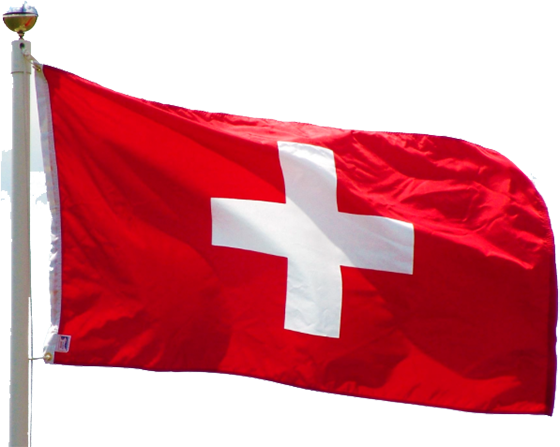
On September 12, 1848, Switzerland — known by endonyms Schweizerische Eidgenoßenschaft (German), Confédération suisse (French), Confederazione Svizzera (Italian), Confederaziun svizra (Romansh), Confoederatio helvetica (Latin) — became a unified federal state with a constitution limiting central government powers and providing decentralized state (canton) power patterned on the U.S. Constitution.


In 1880 on this date, H. L. Mencken was born. One of his earliest books was a debate with a socialist, The Men versus The Man (1910); his greatest lasting contribution was probably The American Language (1919) and its supplements (1945, 1948). His work has been collected in numerous anthologies, such as Alistair Cooke’s Vintage Mencken (1955) and the author’s own Mencken Chrestomathy.