Categories
crime and punishment privacy too much government

Are They Reading This?

You’re a nice person, Gentle Reader; I’m glad to communicate with you in a public forum and listen to your responses.

But we both expect limits to this mutual access. If we’re not legitimately suspected of being criminals, we expect to go about our business without strangers intruding upon us at will. We have a right to boundaries.

More and more, though, the borders of the privacy we rely upon are routinely violated by government employees who trawl our lives at random. We often have no idea of the existence or extent of the intrusions until long after the fact.

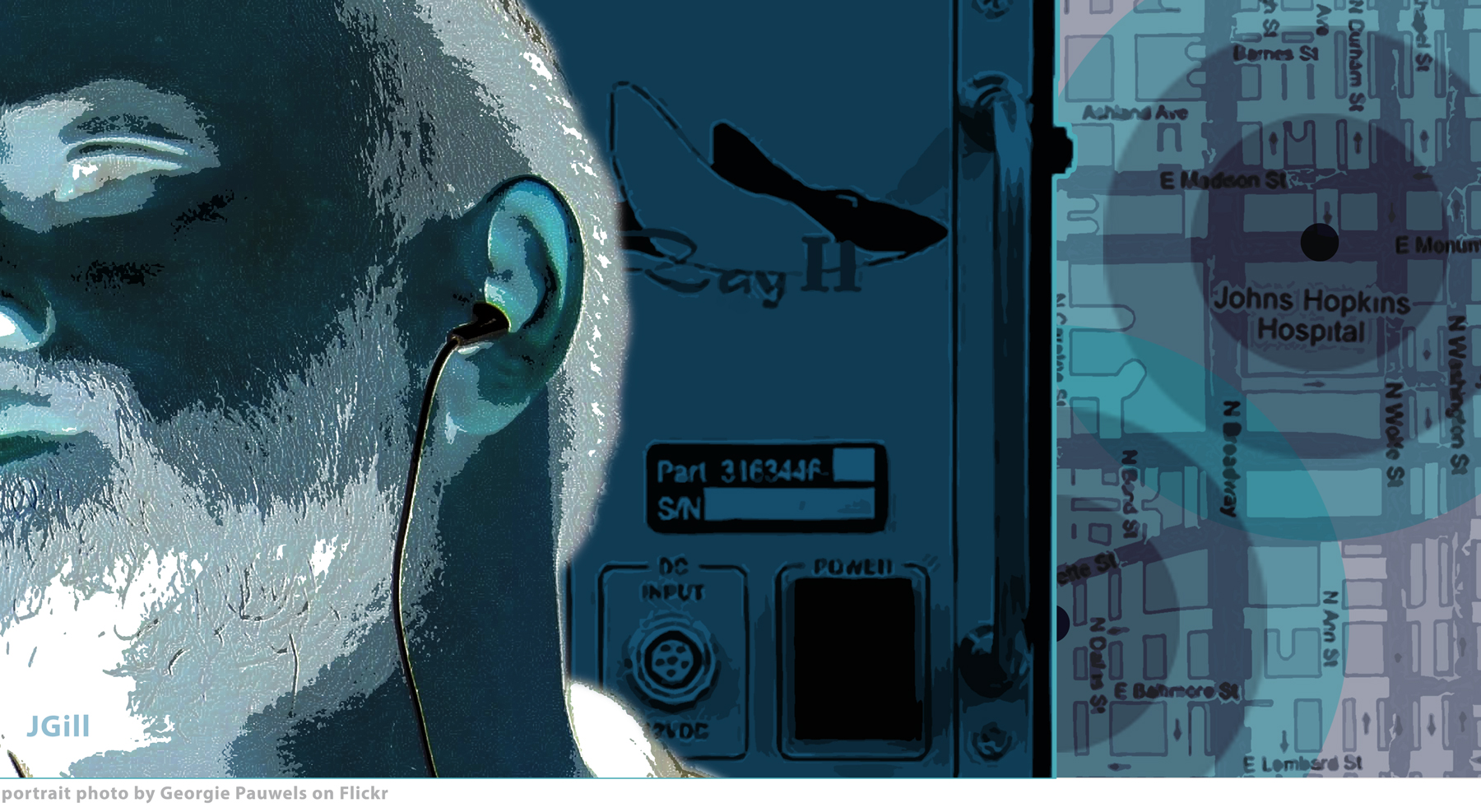
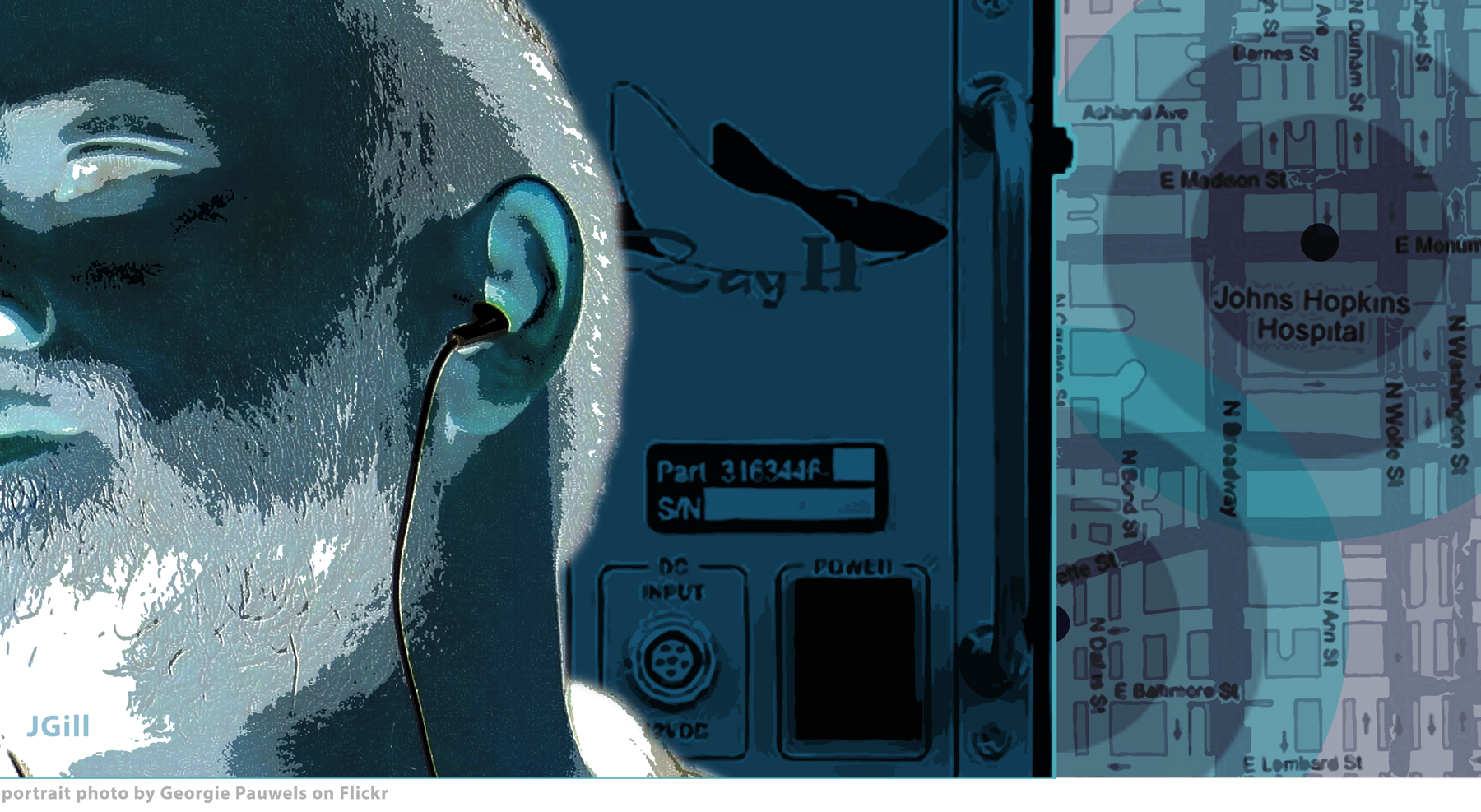
The latest disturbing practice we’re getting a smidgen of info about is the secretive use by police agencies of so-called “sting ray” devices, which simulate cell towers to track cell phone data and location.

For years, obeying FBI demands for secrecy, prosecutors have been dropping cases rather than report how the devices are deployed. In a Baltimore murder trial, though, Detective Michael Dresser testified that his department has used the device 4,300 times. He assures us that officers await judicial permission . . . unless the circumstances are too urgent.

That’s nice. But without a lot more transparency about how and when the sting ray is deployed, I don’t have much confidence that such scrupulousness is par even in Baltimore, let alone all other locales. It’s hard to give government agencies the benefit of the doubt when the track record is so lousy.

This is Common Sense. I’m Paul Jacob.

Printable PDF

stingRaY


Categories
Accountability Common Sense crime and punishment First Amendment rights

Wisconsin Raids Speak Volumes

Where’s the outcry among campaign finance “reformers”?

Silence.

In Wisconsin, laws regulating political speech, along with the clamor for stepped-up “enforcement,” have facilitated an awesomely powerful prosecutor to launch dawn SWAT raids, dragging men, women and children out of their beds, stealing their computers and cell phones and ransacking their homes.

For what crime?

Supporting an act passed by the state legislature and signed into law by the governor.

And for having the bravery, or naïveté, to think we live in a free republic where organizing with others to promote ideas about public policy is a noble pursuit.

Not a one-way ticket to Room 101.

Here at Common Sense we’ve been following these dystopian John Doe raids since 2013, when my friend and hero, Eric O’Keefe, refused to be bullied into silence: he violated a gag order to tell the Wall Street Journal and other media about secret investigations tying up 29 conservative groups.

O’Keefe’s courage inspired several suffering the dawn raids to finally speak out. An article by David French in the May issue of National Review tells their stories, which sparked attention last week from Rush Limbaugh and on Fox News’s The Kelly File.

Milwaukee County District Attorney John Chisholm “correctly identified some of the most important communicators of political messages in Wisconsin,” O’Keefe told Meghan Kelly, “and they raided their family homes, with kids at home . . . . They came in the dark.”

“Put aside whether people should have filed different campaign finance reports, is this an appropriate tactic for any kind of campaign finance question?” he asked.

O’Keefe has fought back, suing Chisholm in federal court. Today, we may discover whether the U.S. Supreme Court will hear an appeal in his case and determine whether a federal district court judge’s injunction against Chisholm’s witch-hunt will stand.

We all know what this is really about. Chisholm was retaliating against individuals and groups that supported Governor Scott Walker’s ultimately successful moves to curb Wisconsin’s public employee unions. It’s a grand example of our age’s real class warfare: between insiders with power and outsiders trying to curb that power.

This is Common Sense. I’m Paul Jacob.


Printable PDF

Assault on Free Speech in Wisconsin


Categories
Common Sense crime and punishment general freedom individual achievement responsibility

Resist Criminal Attacks

Are you ever too old to stop a mugger? Not if your mobility scooter is ready to go.

This conclusion is informed by the example of 92-year-old Eileen Mason, who was with her 75-year-old friend, Margaret Seabrook, when a mugger tried to make off with the contents of a scooter basket.

The two British great-grandmothers were returning from a lunch club in Wiltshire as the thief approached and targeted the older of the two.

When he grabbed Eileen Mason’s arm and reached for the bag, she shouted “Oh no you don’t” — at her maximum volume.

“I put my scooter into accelerate and turned really fast,” she told the UK Telegraph. “The next thing I know he was on the floor. I thought ‘my gosh.’ Something in me just told me to turn so I squeezed the accelerator and turned and he went flying. He was so evil looking.”

If you like this story, don’t miss the ones about the grandma who used a handbag to stop a jewel-store robbery, or the grandma who trapped a burglar in a shed.

Margaret Seabrook says they want their experience to teach people “not [to] leave things on display in their baskets. . . .”

That’s one lesson — don’t make yourself an unnecessarily tempting target. But the other thing is be prepared . . . to defend and evade.

If somebody is gearing up to rob you, be ready to stop him. At least, if you can do so without too much risk to life, limb, or liberty.

Thanks, ladies.

This is Common Sense. I’m Paul Jacob.


Printable PDF

Defend and Evade


Categories
folly free trade & free markets nannyism

A New, Freer Sector

Current trends in public policy and law seem to be pointing not to consistent principles, but contradictory ones.

Wyoming just made it legal for farmers to sell directly to local customers, in such venues as farmers’ markets — without government inspection and conformity to the usual, clunky set of regulations that apply when selling to other businesses for resale.

The bill, recently signed into law by the governor, also allows neighbors to sell homemade foods to one another informally and at special community events like bake sales.

An obvious win for freedom. Who can argue against a free market in foodstuffs at the community level, where normal transactions tend to be customary and casual, and also obviously subject to regulation by reputation?

But government regulations still apply maximally to farmers and supermarkets and grocery chains. And yet, many of the arguments for local free markets apply equally to these currently controlled ones. Free competition would likely lead to the re-introduction of reputation economies into big agribiz markets. Could very well be transformative.

For our health.

After all, it’s not as if government has really helped us in this realm. We are right now working our way out of a government-sponsored health and diet paradigm that we are learning was exactly wrong.

The official “anti-fat” hysteria made us fat.

A more competitive approach, allowing for different philosophies to operate — as they can at the community level, with old recipes co-existing with the new-agey ones, as well as with non-pasteurized milk and organic farms and local cheese and everything else — would encourage new ways of meeting old food fears as well as accommodating new food fads.

Extend freedom. (Not waistlines.)

This is Common Sense. I’m Paul Jacob.


Printable PDF

Food Folly


Categories
folly nannyism property rights too much government

Fishy Schemes Against Human Beings

Arbitrary governmental pricing of water — as opposed to free-market pricing — provides one major reason why it’s so hard for Californians and others to deal with drought.

I’ve talked about it before. And, as before — indeed, as is so often the case when government constricts our freedom to “solve” problems — the do-badders are pursuing more than one line of attack.

Under-pricing plus edicts about how we may use water are bad enough, sure. But that kind of central planning is just one method of making it harder to quench thirst and water lawns and crops. Another method? Diverting massive amounts of water from the service of human needs in order to “help” a few expendable fish.

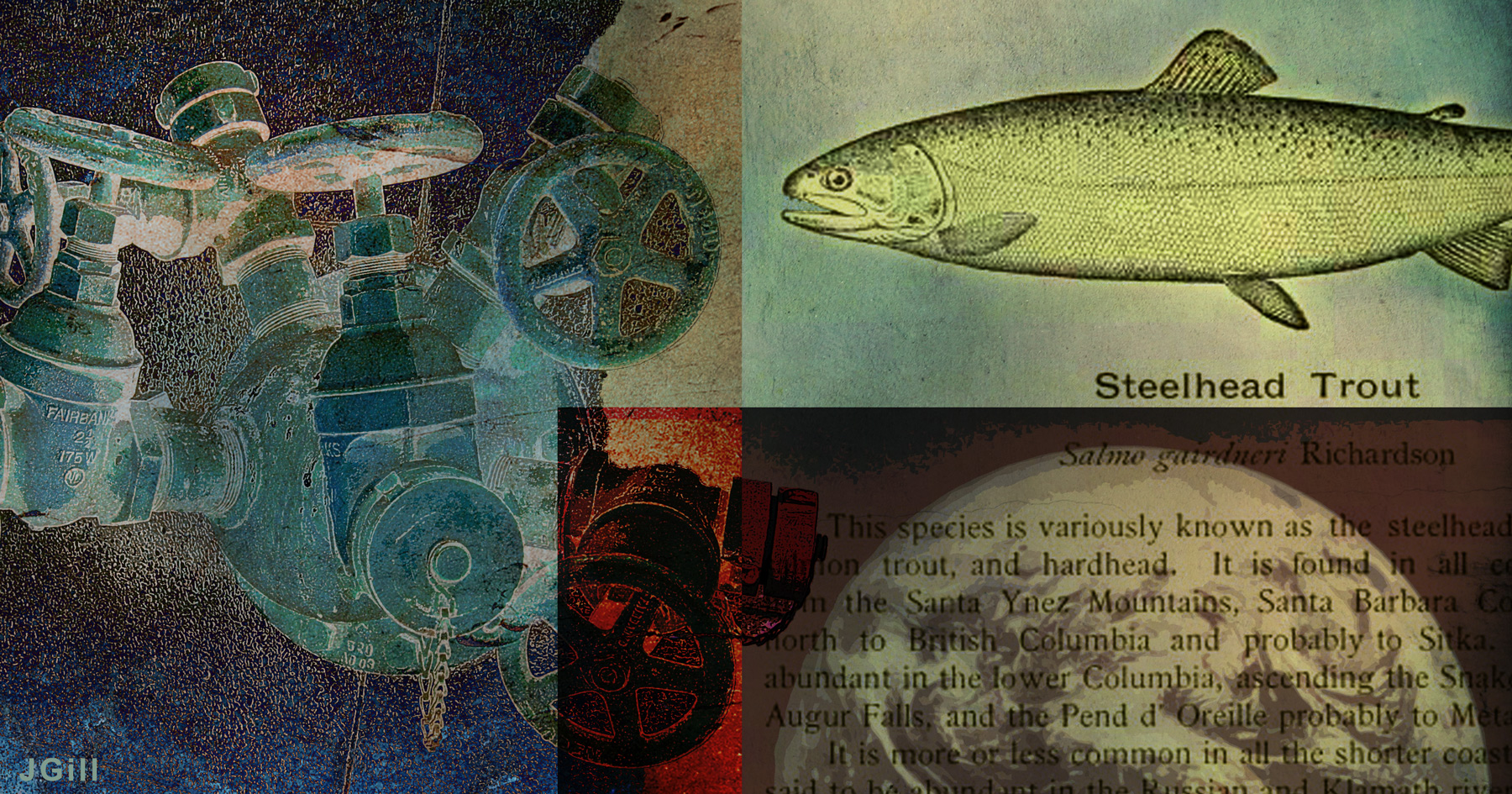
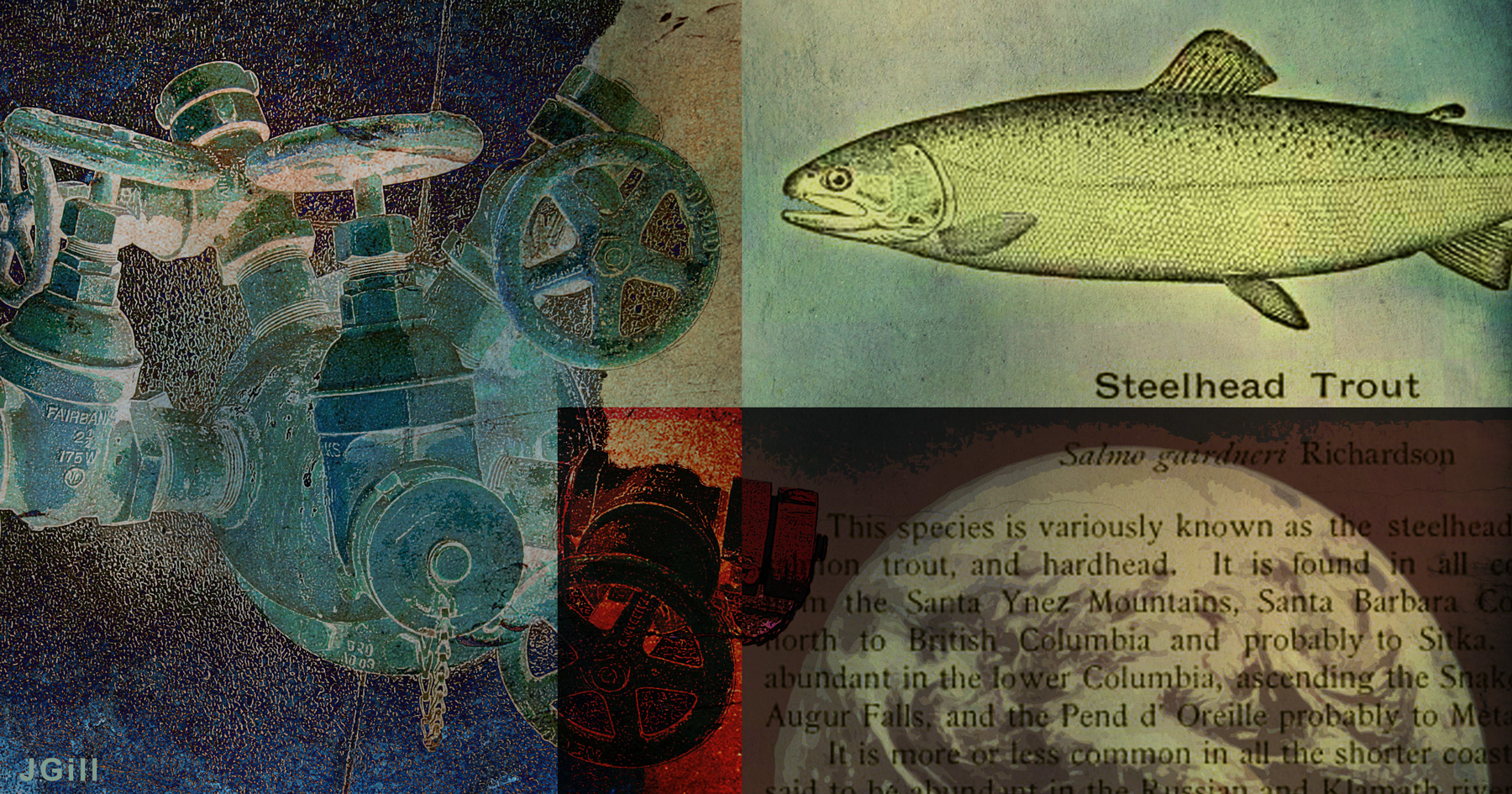
In his Reason article “California Drought a Shortage of Water or Common Sense?,” Steven Greenhut laments fishy schemes to lower reservoir levels and drain a lake near the Sierra foothills “to help coax a handful of steelhead trout to swim to the ocean.” Handful? Maybe not quite. Nine fish. A mere nine.

The Lake Tulloch Alliance estimated that up to $2 million in water value would have to be expended to save each individual fish.

Thanks to coverage like Greenhut’s and Stephen Moore’s, and the resultant public outcry — plus the eventual resistance of local water district officials to the environmental demands of state and federal agencies — this particular attempt by radical environmentalists to elevate fish life above human life has been deflected. At least for now.

But there are more battles to come.

This is Common Sense. I’m Paul Jacob.


Printable PDF

California Drought Fish


Categories
ballot access initiative, referendum, and recall

Finished Business

The civil war is over!

I mean Nebraska’s civil war, a 23-year schism between its unicameral legislature and what’s known as the state’s “second house” — that is, the people, acting through the initiative and referendum process, often checking the power of the first house.

Hero of the day? State Senator Mike Groene of North Platte, who championed Legislative Bill 367. Kudos also to the 42-0 vote of the Nebraska Legislature that enacted the measure, as well as to Governor Pete Ricketts for signing it into law.

Groene, who has been politically active for years with the Western Nebraska Taxpayers Association, got into office as a result of term limits. His LB 367 reverses the state’s seven-year ban on paying petition circulators according to the number of signatures they gather. He convincingly argued that the ban had “really broken the back of people trying to take part in their government through the petition process.”

“It’s time for this body to call a truce,” Groene told fellow lawmakers, declaring that since term limits were first passed, citizens and their representatives had been locked in a “civil war.”

During that war, State Sen. Diane Schimek, a 20-year legislator about to be term-limited, successfully pushed legislation to restrict citizen petitions. Part of her measure was struck down as unconstitutional in Citizens in Charge v. Gale.  Now the rest has been unanimously repealed by the state legislature.

Sen. Paul Schumacher of Columbus favored Groene’s bill, saying that legislators could use a more viable initiative check on their power. The unicameral’s attacks on citizen petitions were, he said, “reflective of a government that was afraid of its people.”

Now it’s peacetime in Nebraska.

This is Common Sense. I’m Paul Jacob.


Printable PDF

Nebraska Win


Categories
crime and punishment folly general freedom too much government

Police State Blues

No reason anymore to even feign surprise at today’s police state insanities.

At Townhall yesterday, I bemoaned the six-hour kidnapping of a 10-year-old Maryland boy and his 6-year-old sister for the terrible crime of peacefully walking home from a public park. The children were grabbed just a couple blocks from their home . . .

. . . by police, who held them for over two hours before handing them to Montgomery County Child Protective Services.

It was hours before anyone contacted the panicked parents.

There’s no law prohibiting kids from walking down a public street, but bureaucrats are threatening this poor family over just that.

So, I guess we shouldn’t be shocked that when an 11-year-old boy disagrees with what he’s being taught in school about marijuana, and explains that his mother has used cannabis oil to treat her Crohn’s disease and his mother is not a criminal, (a) he’s going to be detained and grilled by authorities and (b) his mother may soon become a criminal.

A raid on Shonda Banda’s home indeed turned up two ounces of cannabis oil. Ms. Banda could be facing felony drug charges in Kansas, where she now lives, but she used to live in Colorado, where her use of cannabis oil would be legal.

The Washington Post’s Radley Balko identifies the absurdity: “a woman could lose her custody of her child for therapeutically using a drug that’s legal for recreational use an hour to the west.”

Today she has a custody hearing over her son.

The state “protection” being afforded the children in both of these cases isn’t protecting them. It’s terrorizing them.

This is Common Sense.  I’m Paul Jacob.


Printable PDF

Children in a police state


Categories
general freedom ideological culture media and media people Second Amendment rights

Times Misfires

Time to revise the Times’s motto? Should “all the news that’s fit to print” read “misprint” instead?

Maybe, after the New York Times’s latest editorial snafu, charging the NRA with hypocrisy for banning arms-bearing at its April convention.

According to the editorial, “none of” the attendees were allowed to “come armed with guns that can actually shoot. After all the N.R.A. propaganda about how ‘good guys with guns’ are needed to be on guard across American life . . . the weekend’s gathering of disarmed conventioneers seems the ultimate in hypocrisy. . . . So far, there has been none of the familiar complaint about infringing supposedly sacrosanct Second Amendment. . . .”

But after first hitting print, the text has changed. It was too quickly and conspicuously confirmed that “anyone with a permit valid in Tennessee can ‘come armed [to the convention] with guns that actually shoot,” that “the NRA had no problem with gun owners with the proper gun permits bringing their weapons inside.”

So the Times editorial was edited after initial publication, nixing the reference to “the ultimate in hypocrisy.” The revised online editorial now merely professes dismay that guns won’t be allowed in one of the convention venues . . . but doesn’t mention that this is because of the policy of that particular venue, not the NRA’s.

The editorial still complains that nobody is complaining about alleged Second Amendment infringement no longer attributable to the NRA. Whose alleged hypocrisy was the Times’s original point.

It’s like somebody’s shooting at random and just hoping to hit something.

This is Common Sense. (I mean this, not the Times editorial, is Common Sense.) I’m Paul Jacob.


Printable PDF

NYT-NRA


Categories
folly property rights too much government

Rare Earth Reserve

There are many places on this planet I would hardly dare visit, much less seek to live near.

One of those places is remote Baotou, in Inner Mongolia, a boom region where much of our planet’s rare earth industry is located.

It becomes obvious as you read Tim Maughan’s BBC report on the region, “The dystopian lake filled by the world’s tech lust,” that the reason China now “monopolizes” this industry is that un-democratic, illiberal China does not have a Not-In-My-Back-Yard “problem.”

NIMBY is for freer societies.

The devastation to the landscape, Maughan writes, is astounding in scope and horror. “Dozens of pipes line the shore, churning out a torrent of thick, black, chemical waste from the refineries that surround the lake,” he explains. “The smell of sulfur and the roar of the pipes invades my senses. It feels like hell on Earth.”

But NIMBYnomics aside, Maughan’s parting shot is interesting. “[O]nce we made watches with minerals mined from the Earth and treated them like precious heirlooms; now we use even rarer minerals and we’ll want to update them yearly. Technology companies continually urge us to upgrade; to buy the newest tablet or phone. But I cannot forget that it all begins in a place like Bautou, and a terrible toxic lake that stretches to the horizon.”

I hazard that Apple and its competitors will discover ways around rare earth reliance, in the future — if consumers raise a stink.

It is amazing how responsive free markets can be.

And as for outrageous pollution? Socialist command economies were notorious for their horrifying pollution standards back in the day. Corporatist, one-party (fascist) China carries on that tradition.

The cure for pollution is obvious.

This is Common Sense. I’m Paul Jacob.

Printable PDF

NIMBY


Categories
general freedom government transparency tax policy

Latest Learned About Lois Lerner

Is it time to spell out the IRS as the Internal Revenue Scandal?

The IRS has so many scandals under its belt.

But the biggest, from a broad, threat-to-the-republic point of view, surely remains the agency’s targeting of Tea Party and conservative organizations seeking 501c(3) and 501c(4) nonprofit status. Agents ideologically tagged their applications for special obstruction in the run-up to the 2012 presidential campaign. And after.

I don’t bother Googling to get my IRS-scandal updates, I just visit the indefatigable Paul Caron’s TaxProf Blog. Day in, day out, for the past 700+ days and counting, TaxProf has aggregated all the latest reportage and analysis about this abuse of power.

Lois Lerner — former head of the IRS’s stomp-conservative-nonprofit-applicants division — has both declared herself innocent of any wrongdoing and asserted her Fifth Amendment right not to incriminate herself.

But evidence is piling up of her actual attitudes and what-she-knew-when.

TaxProf points to an email by Lerner from way back in February of 2012 in which she advocates training for IRS staffers in the fine art of “understand[ing] the potential pitfalls” of providing too much information to Congress. A 2013 email by Lerner states that she can understand “why the IRS criteria” leading to the targeting of Tea Party and other groups “might raise some questions.”

The documents are out in the wild now, thanks to Judicial Watch’s Freedom of Information Act requests. JW has been relentless in trying to hold the IRS accountable.

Which has to be one of the very toughest jobs on earth.

This is Common Sense. I’m Paul Jacob.

Printable PDF

Lois Lerner