Categories
crime and punishment folly general freedom media and media people national politics & policies too much government

Not Buying a Stairway to Riches

I am not a writer by trade. I don’t make a living off of these daily and weekly writing gigs. I give this stuff away, for free. The donations I ask for are there to cover bandwidth, website expertise, artwork, etc. They don’t cover my contributions.

But that doesn’t disqualify me from my occasional wonder and amazement (and worse) at how intellectual “property” is handled in America.

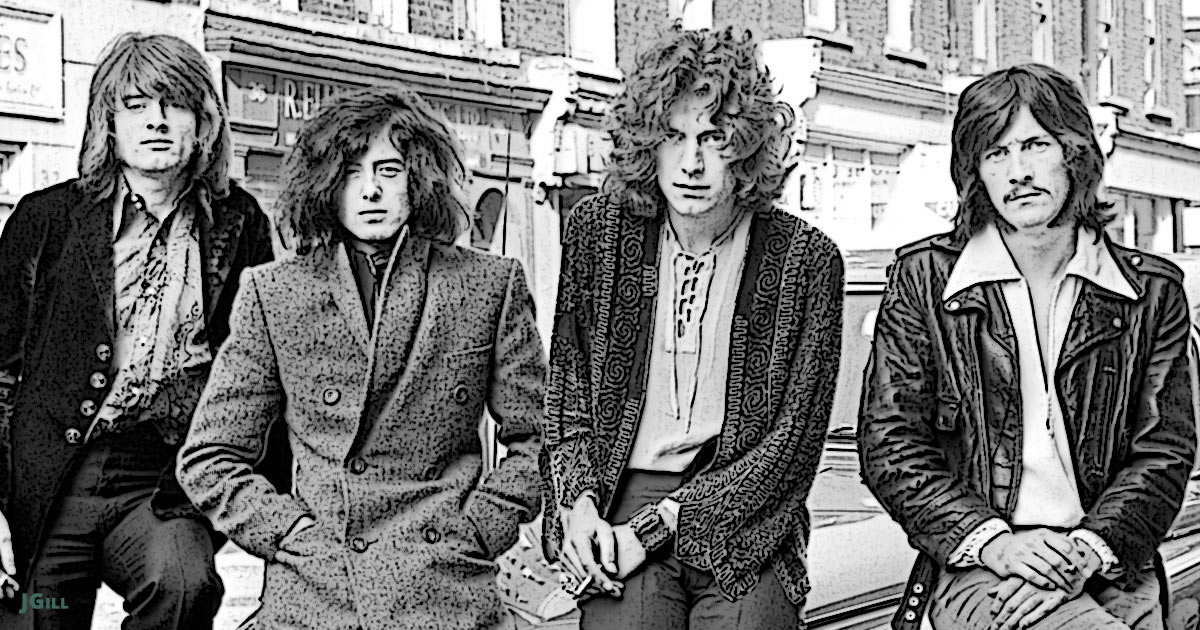
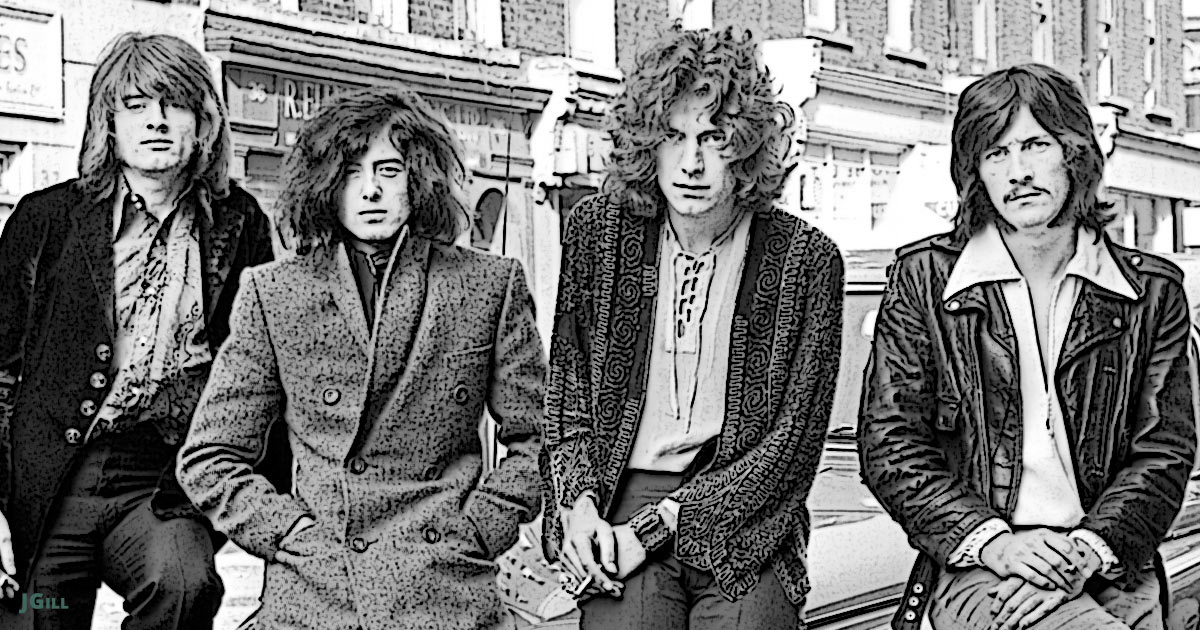
This week a Los Angeles jury found that the great rock band “Led Zeppelin did not plagiarize the opening chords of the rock epic Stairway to Heaven from the U.S. band Spirit,” the BBC reports. “It said the riff Led Zeppelin was accused of taking from Spirit’s 1967 song Taurus ‘was not intrinsically similar’ to Stairway’s opening.”

So, my surprise, and perhaps yours too, is that a riff, a mere riff, taken from one song and put into another, could be actionable at law. It seems to me that this would be like suing over an essay title (one has no private property rights to your headlines, no matter how original), or clever turn of phrase. Writers copy this stuff all the time. Even more commonly, they inadvertently regurgitate these writerly “riffs” from the far corners of their minds, or even think up these things separately.

But honestly, I didn’t think one could sue over a riff. Riffs and chord progressions vary in originality, but some of the best songs use the same three chords, so there is a lot of apparent “stealing” going on.

Thankfully, the jury wisely knew the difference between What Is and What Should Never Be.

This is Common Sense. I’m Paul Jacob.

Printable PDF

Led Zeppelin, copyright, lawsuit


Categories
Accountability crime and punishment folly free trade & free markets general freedom ideological culture nannyism national politics & policies

Digs at the Gig Economy

In Texas’s progressive enclave of Austin, the government has regulated Uber and Lyft out of the city.

Massachusset’s uber*-progressive Sen. Elizabeth Warren cautions that the “much-touted virtues”of the “gig economy” that these services represent are actually dark signs of the times, providing workers a false “step in a losing effort to build some economic security in a world where all the benefits are floating to the top 10 percent.”

Vermont’s Sen. Bernie Sanders, the independent candidate for the Democratic Party’s presidential nomination, is also no fan. Why? These services are not regulated.

Sanders’s charge that these person-to-person (P2P) ride-sharing services are “unregulated” is of course the opposite of the truth. They are self-regulated for safety and efficiency in ways that taxi services never were. How much extra value did governments add, with their regulations of the taxicab industry? They just reduced competition and made cabs more expensive.

P2P online cooperation is revolutionary. And “progressives” are stuck in the past, itching to suppress that revolution. “Initially,” writes Jared Meyer in the July issue of Reason, “hostility mostly came from state and municipal governments, at the behest of local special interests.” But as the services became more popular, opposition shifted. To the national Democrats like Sanders, Warren and . . . Hillary Clinton. She promises to “crack down on bosses who exploit employees by misclassifying them as contractors or even steal their wages.”

Par for the course: the Internet provides more opportunity than ever, and all some progressives see are the old socialist fears of “exploitation” and “greed” . . . while they greedily suck up to unions and special interests.

The bright side, Meyer argues, is that they are on the losing side.

This is Common Sense. I’m Paul Jacob.
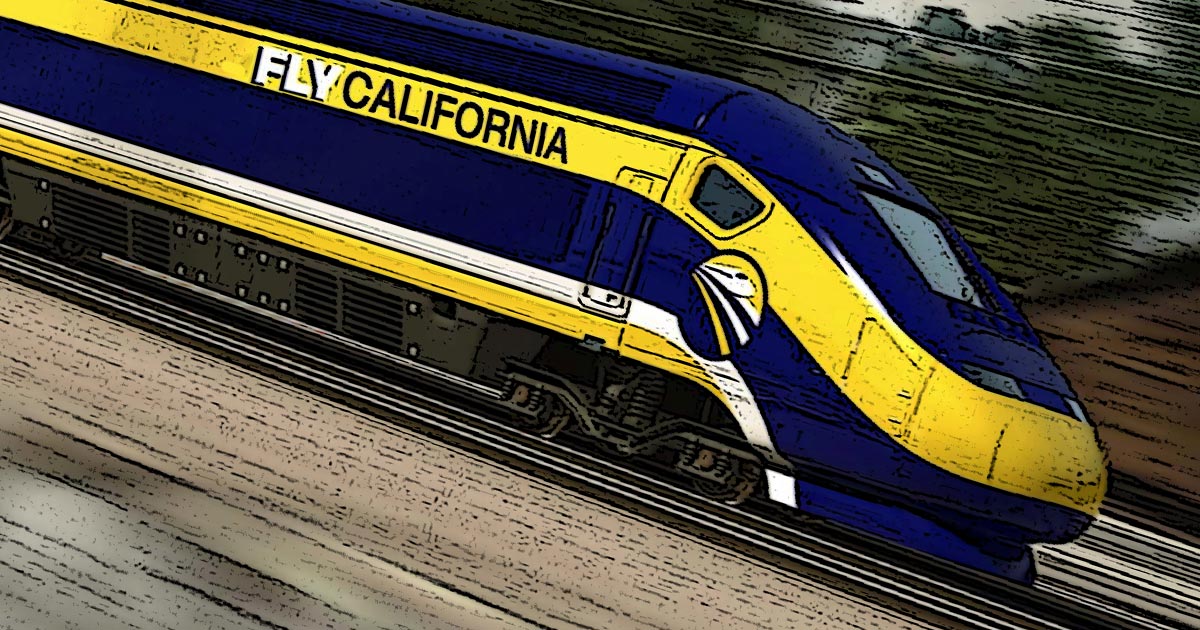
 

*I guess the pun here is intended. Or not. You choose, P2P style.


Printable PDF

Uber, Lyft, sharing, economy, HIllary, Bernie, illustration


Categories
Accountability ideological culture media and media people nannyism national politics & policies property rights responsibility

The Climate Cassandra

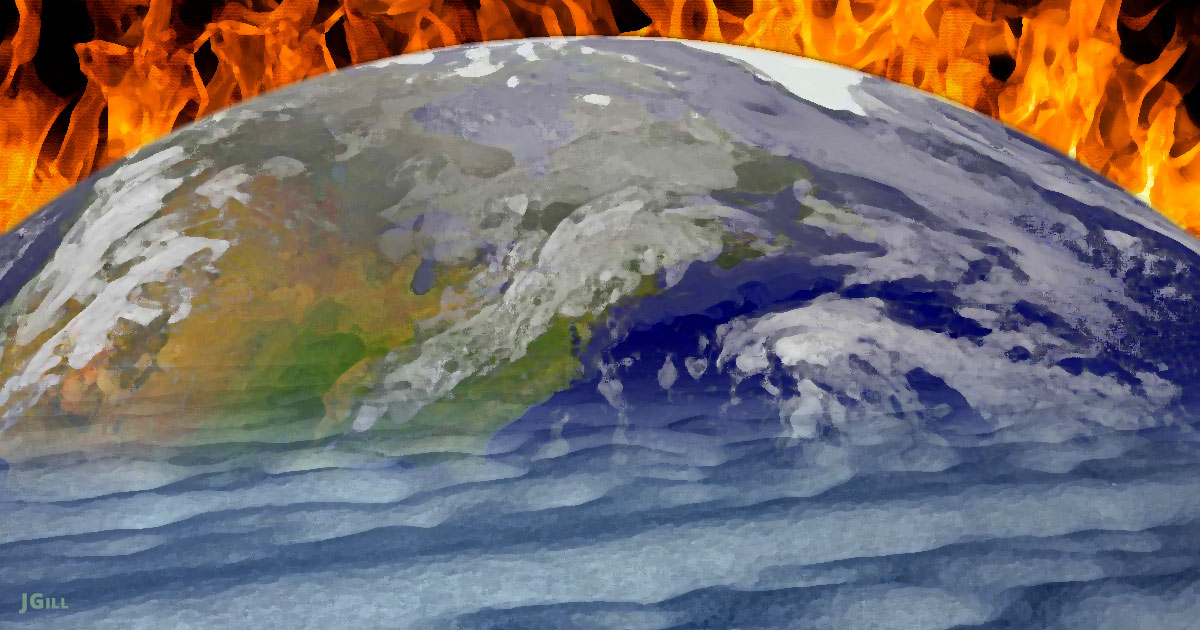
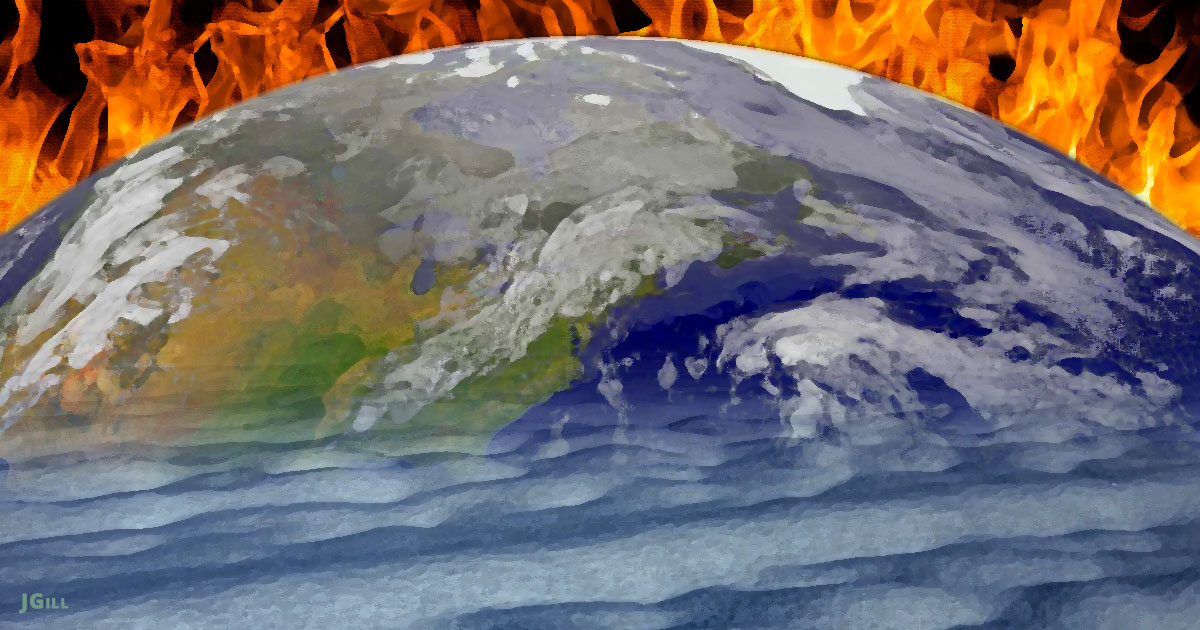
Thirty years ago, in June, 1986, the Senate Environment and Public Works Committee met to consider the problems of ozone depletion, the greenhouse effect, and climate change.

Present at those hearings was today’s climate Cassandra, James Hansen, then of the Goddard Institute of Space Studies. And he was predicting that “global temperatures should be nearly 2 degrees higher in 20 years,” according to Associated Press reporting at that time.

There was some sloppiness either in Hansen’s account, or the AP’s, for in one part of his testimony Hansen claimed that his institute’s climate models projected, for “the region of the United States, the warming 30 years from now is about 1 1/2 degrees C, which is about 3 F.”

Ronald Bailey, the science writer over at Reason, tries to make sense of this mess of numbers, models, and predictions.

Oh, and actual, tabulated results.

Hansen’s predictions went, as Bailey put it, “definitively off the rails when tracking the temperature trend for the contiguous U.S. between 2000 and 2016. Since 2000, according to the NOAA calculator, the average temperature trend has been downward at -0.06 F degree per decade.”

That’s not the whole picture, though: “global temperatures have increased by 0.51 C degree since 1986, so perhaps the man-made global warming signal has finally emerged.”

No matter, though, as Bailey notes, “the United States and the Earth have warmed at considerably slower pace than Hansen predicted 30 years ago.”

Which suggests that Hansen’s models may be inspired more by wish, fear, and ideology than genuine science.

So, to those who wish to rush to “do something” (anything?) to combat “climate change,” take it slow. Follow the pace of the Earth itself.

This is Common Sense. I’m Paul Jacob.

Printable PDF

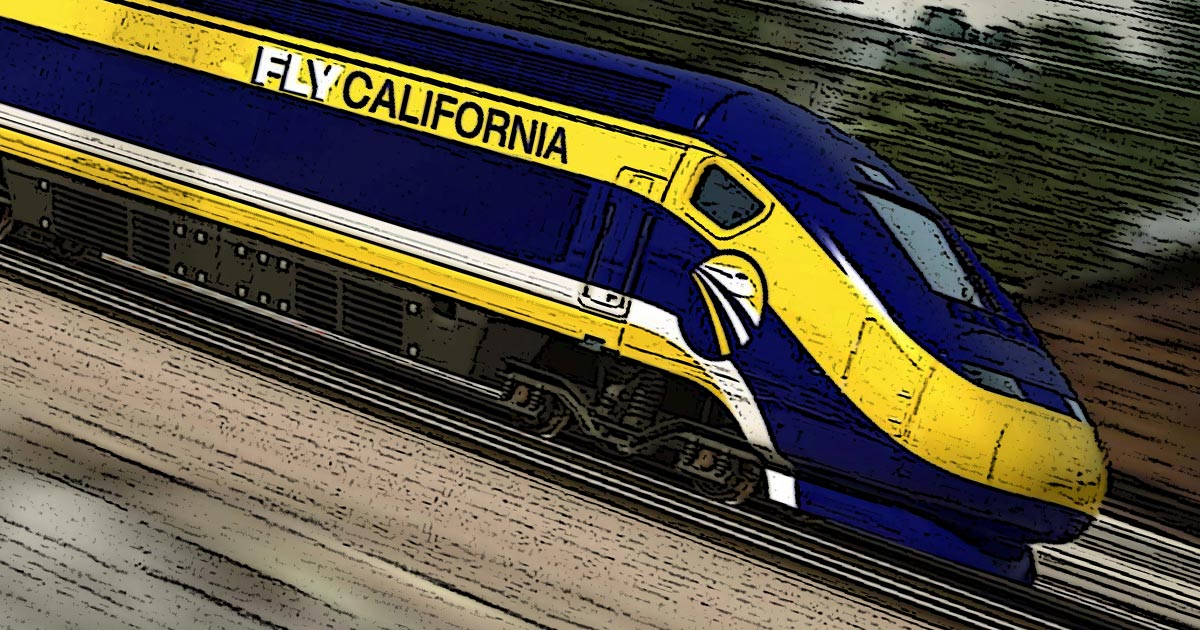
Global warming, climate change, illustration


Categories
free trade & free markets general freedom too much government

Hysteria, Assassination, and Big Government

The biggest political story of the month? Brexit.

The people of Great Britain will vote, this week, whether to remain in, or exit, the European Union. (Britain+exit=“Brexit,” you see.)

Establishment forces in Britain have engaged in hysterical, hyperbolic overkill, warning of grave disaster were Britain to leave the union. America’s President Barack Obama contributed to this, recently, when he warned that an independent Britain might find itself placed “at the back of the queue” in trade talks.

Tragically, things got more troubling last week when anti-Brexit, pro-union campaigner Jo Cox, a Member of Parliament and prominent Labour Party activist, was brutally slain last week in front of her local library. The man had just left a mental health facility, after requesting help.

At first, major media reported that the killer had shouted “Britain First,” an old patriotic motto as well as the name of a pro-Brexit political party, while shooting and stabbing her. Of the several eyewitnesses to have allegedly testified to this murderous shout, only one is sticking to the story . . . a member of the British Nationalist Party, which is antagonistic to Britain First. Other eyewitnesses deny the story.

Next, both sides promised to cease campaigning, out of good taste. Still, polls fluctuated, while remaining close.

Much of the furor has risen over immigration policy, especially fears about EU laxity towards Muslim refugees.

But the bedrock issue is Big Government. The EU is not effectively controlled by citizens; indeed, membership representation is mostly show, a mockery of republican government.

That is why, if I were British, I’d vote to Brexit.

This is Common Sense. I’m Paul Jacob.

Printable PDF

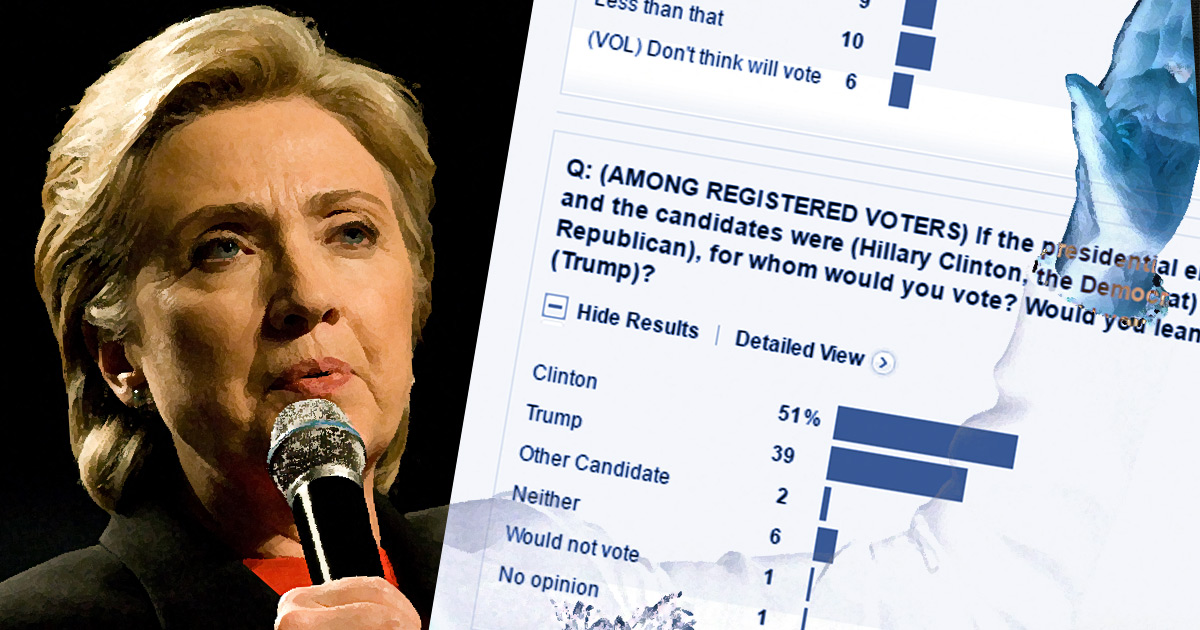
Brexit, EU, European Union, independence, democracy, illustration


Categories
Common Sense responsibility

Fatherlessness

Yesterday was Father’s Day; tomorrow, I’ll attend my father’s funeral.

Ample opportunity to reflect on missing Dad . . . and dads.

My father was two months shy of 85 years. He lived a long, full life with a loving wife of more than 60 years, six children he adored and who felt likewise about him, 13 grandchildren and eight great-grandchildren.

He started his own small business and achieved his version of the American Dream: to be his own boss.

More than a decade ago, when my pop was fighting through open heart surgery, I wrote in this space that he was, in the words of one of his favorite movies, “the richest man in town.” Sadly, he’s no longer in town.

Except that he still is . . . in me. And in my kids and their kids.

As an adult, admittedly I haven’t often asked my dad for advice. Why? Because I already know exactly what he would say. I like that. And thankfully that voice remains.

Moons ago, I also acknowledged that I was privileged, but argued “My Privilege Isn’t White.” Instead, my advantages mostly came from growing up in a home with two loving parents.

We Homo sapiens learn by imitating others. Hence the term “role model.”

Nowadays we often hear about poor role models when some spoiled-brat sports celebrity or narcissistic rock star behaves badly. As a teenager, I had their posters on my wall. But my dad served as my 24/7 role model.

He still does.

This is Common Sense. I’m Paul Jacob.

PDF for printing

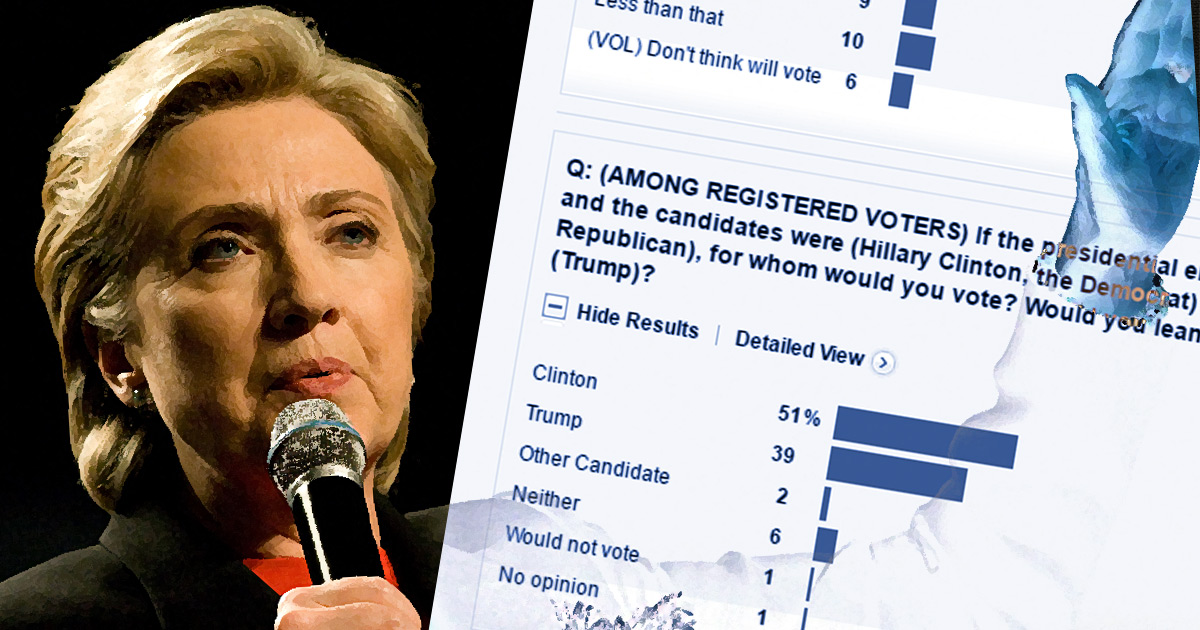
father, father's day, dad, Paul Jacob, role model, illustration, photo


Categories
Accountability crime and punishment general freedom national politics & policies too much government

What Doesn’t Fly

After the Orlando massacre, isn’t it finally time to get guns out of the hands of . . . licensed security guards?

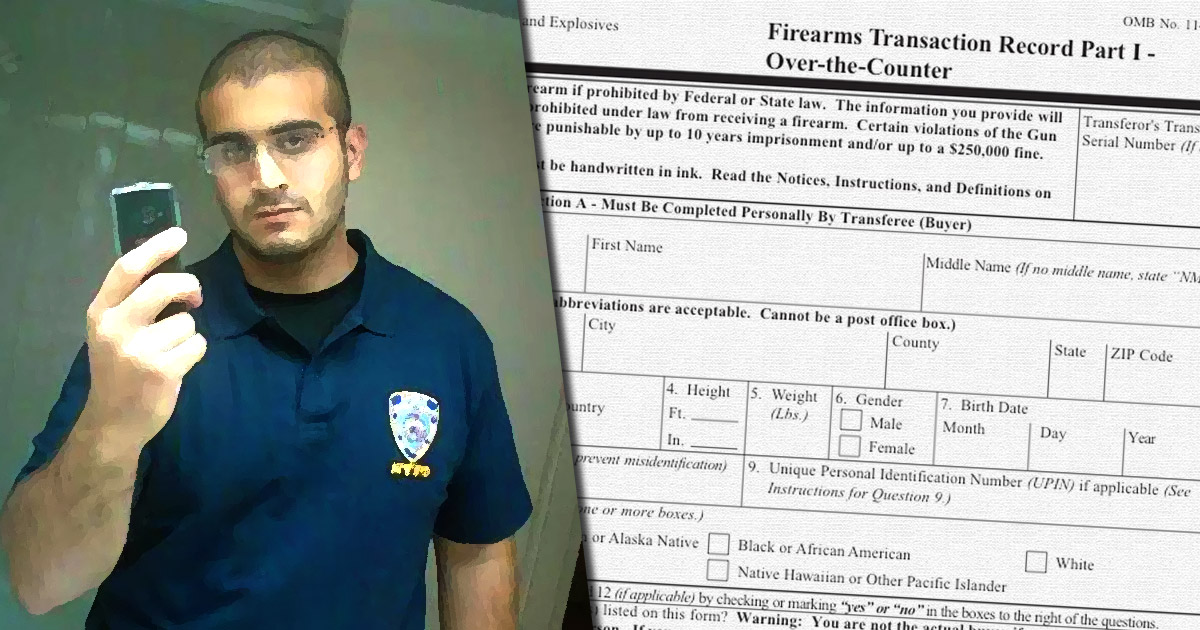
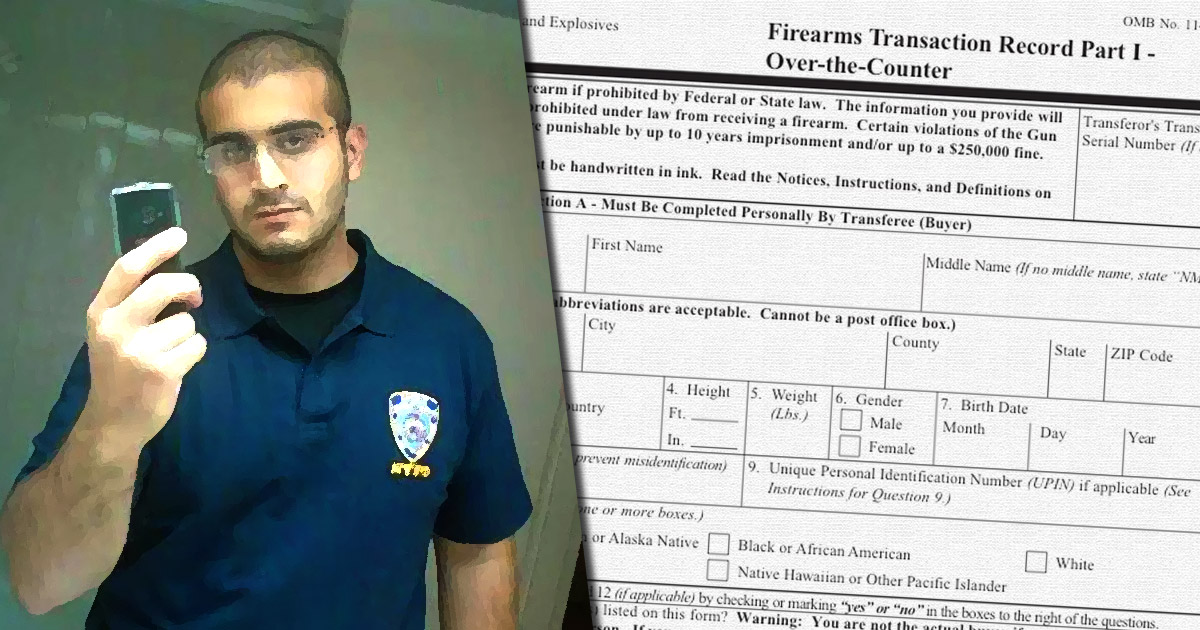
Omar Mir Seddique Mateen, who murdered 49 people and wounded 53 others in the Pulse nightclub, worked for the globe’s largest security firm, Britain’s G4S. He passed two background checks conducted by the company, and his government credentials included “a Florida state-issued security guard license and a security guard firearms license.”

Not to mention that Omar Mateen was twice investigated by the FBI — in 2013 and again in 2014 — and cleared by the agency both times. Though on the terrorist watch list for a while, he was removed from that list after the FBI closed its investigations.

So we need more and tougher background checks? Must the FBI check every gun purchaser three times, is that the charm?

Even if the Feds blocked gun sales to those on the terrorist watch list and the “no-fly” list, it wouldn’t have affected Mateen, for he wasn’t on these lists when he purchased his Sig MCX.

Nevertheless, Connecticut Sen. Chris Murphy led a 14-hour filibuster to bring attention to his gun control legislation . . . that wouldn’t have stopped the Orlando massacre . . . or the shooting in Newtown.

“I will be meeting with the NRA, who has endorsed me,” tweeted Donald Trump, the presumptive GOP presidential nominee, “about not allowing people on the terrorist watch list, or the no fly list, to buy guns.”

If our government ever uses a secret list developed by security agencies to deny citizens their rights, without due legal process, without innocence until proven guilty, we will sorely need our Second Amendment rights.

This is Common Sense. I’m Paul Jacob.

Printable PDF

Omar Mir Seddique Mateen


Categories
general freedom ideological culture moral hazard national politics & policies The Draft U.S. Constitution

Equal or Free?

On Tuesday, the Senate voted to force American women, in their early years, to register for the draft.

Just like men have been required to do since 1980.

The White House threatens to veto the bill, though perhaps on other grounds, since the bill also, in the words of Richard Lardner (AP), “authorizes $602 billion in military spending, bars shuttering the prison at Guantanamo Bay, Cuba, and denies the Pentagon’s bid to start a new round of military base closings.”

The Senate’s social conservative ranks made the whole process leading up to the vote difficult for the mainliners, like Sen. John “Maverick” McCain, who is enthusiastic about registering women. Sen. Ted Cruz expressed alarm at the direction “sexual equality” is taking, and didn’t want to see “girls drafted onto the front lines.”

Decades ago, the Supreme Court had nixed a challenge to draft registration on discrimination lines, reasoning that since women weren’t allowed onto the front lines, there was no cause to force them to register for military conscription.

But now there are women in combat positions. So the old ruling no longer applies. If draft registration isn’t expanded to women, it’s likely to be struck down for men.

We have no draft, we are reminded, mere registration — which our government keeps in place mainly to remind men that they may be drafted.

In the House version of the bill, there’s no draft registration amendment. So there will be negotiations. Maybe a compromise can be reached where neither young men nor women face a military draft* or, likewise, signing up for one.

This is Common Sense. I’m Paul Jacob.
 

* For more on why to oppose the draft, see my essay “The Draft Is Slavery” in J. Neil Schulman, The Rainbow Cadenza, pulpless.com edition (1999).


Printable PDF

draft, conscription, women, servitude, military, illustration


Categories
Accountability crime and punishment general freedom nannyism national politics & policies

Beggar Thy Philanthropist

Making up petty rules and enforcing them is one thing governments do well.

On Monday I warned about the dangers of asking too much from government. I think, today, I’ll make the opposite warning: of not asking enough.

Mandatory seatbelt laws were enacted (sometimes by citizens initiative and referendum) to save people’s lives. But the reason many police and local jurisdictions like these laws is that it gives them a chance to engage in shakedowns, entrapping citizens into non-compliance, and then socking them with fines.

In Regina, Saskatchewan, a man pulled up to an intersection and saw a down-and-outer with a sign. He felt sorry for him, so, as he pulled up, he unbuckled his seat belt and pulled three bucks in change out of his pocket. And dropped the three dollars on the curb.

A few moments later, police stopped him, and handed him a ticket. The “homeless guy” with the sign turned out to have been an undercover cop, and the few moments without a seat belt was enough to charge our philanthropist $175 Canadian.

Though an obviously preposterous misuse of police time and attention, and an abuse of the citizenry, Regina’s police force remains adamantine, claiming that “this is nothing new. It’s part of a project that has police watching for traffic violations at intersections.”

Because this sort of thing only hits people almost at random, but the benefits are concentrated on police coffers, it’s hard to organize against such nonsense. Which is precisely why such nonsense goes on.

Still, we must prevent such abuse at the local level, if we’re ever to control the federal leviathan.

This is Common Sense. I’m Paul Jacob.

Printable PDF

seatbelt, trap, police, Regina, Saskatchewan, illustration


Categories
Accountability government transparency moral hazard national politics & policies

Secrecy, Conspiracy, and the Sauds

The U. S. cleaves to some bizarre security standards. That is, about secrecy. Critics have been complaining for years about how “liberal” the federal government is in classifying information as secret. Or, put another way, how stingy the government is in providing us with information.

Not liberal at all.

This problem inhabits every nook and cranny of official Washington. But it’s most obvious in the case of 2002’s 9/11 report, from which 28 pages were removed. For reasons of state secrets. And that, as the BBC related this weekend, is the likely cause of much suspicion against Saudi Arabia.

Saudi Arabia? Yes. The country whose sands were walked upon by Mohammad, the Prophet, is also the country that gave birth to 15 of the 18 terrorist skyjackers, as well as spreading the Wahabist spin on jihad throughout the Islamic world.

So, by withholding portions of the report from the public, the government fed the flame of conjecture. And with it, the belief in a Saud conspiracy and a Bush and Obama cover-up.

The withholding of information does not give us a univocal perspective. We don’t know what is being kept from our eyes and ears. So when I read the BBC report, which stated that the “probable publication” of the previously classified parts “will clear Saudi Arabia of any responsibility, CIA chief John Brennan has said,” I get suspicious.

Good, if true. But the timing of this Brennan opinion, on the weekend of the Orlando massacre?

Stinks of spin and deflection by the government, against us . . . who wonder, not without reason, about “conspiracies.”

Should we trust the newly de-classified segments?

This is Common Sense. I’m Paul Jacob.

Printable PDF

secrets, government, Saudi, 911, conspiracy, illustration


Categories
crime and punishment responsibility

Don’t Demand Too Much

It’s commonly said that government is here to protect us. Well, that’s one theory.

In the wake of the horrible massacre at the Pulse in Orlando, Florida, I’ve been hearing a lot of murmuring. People are wondering why a man who had been interviewed by the FBI several times in relation to possible terrorist activities could have legally purchased firearms without flagging greater attention.

Others complain that it took the police three long hours to gather themselves and enter the Pulse, to rescue the living, and kill (as they ended up doing) the shooter, Omar Mateen.

Where’s the protection? Where’s the security?

Governments don’t seem to be much good at that.

And why should we expect them to be?

It’s hard to collate information well — though the government had everything it needed, what it lacked was the sense and the willpower to do it. Why? Because novel, dispersed information is hard to deal with.

And let’s not second-guess the Orlando police. It’s a tough job dealing with a killer who wants to kill as many people as he can before he is, himself, killed.

If we wanted real security, real protection, we’d be more armed ourselves (the Pulse had security personnel, but the night club was a gun-free zone, so that’s not much protection), and we’d hire, by contract, security professionals to protect us.

Government police aren’t here to protect us. We have them to clean up after something terrible has happened. Re-establish order. Seek justice against the perpetrators. And, thus, provide “security theater,” more than security itself.

Governments are good at some things.

Just don’t expect more than they can deliver.

This is Common Sense. I’m Paul Jacob.


Printable PDF

police, law enforcement, prevention, law, response, illustration, photo


Photo credit: Elvert Barnes on Flickr