Categories
Today

Non-Violence … and Violent Reaction

On Jan. 30, 1948, Indian leader Mohandas K. Gandhi, known for his non-violent, non-cooperation struggle for freedom and national independence, was assassinated by a Hindu extremist.

On Jan. 30, 1956, Martin Luther King, Jr.’s home was bombed in retaliation for his work on the Montgomery Bus Boycott.

On Jan. 30, 1972, British soldiers killed fourteen unarmed civil rights marchers in Northern Ireland in what came to be known as “Bloody Sunday.” Soldiers shot 26 unarmed protesters and bystanders – 13 males, seven of whom were teenagers, died immediately, while another man died of his injuries nearly five months later. In the immediate aftermath, an investigation by the British Government largely cleared the soldiers and British authorities of blame. A second investigation begun in 1998, released a report in 2010 declaring that all of those shot were unarmed, and that the killings were both “unjustified and unjustifiable.”


Not quite fitting today’s “non-violence elicits violence” theme, on January 30, 1835, Richard Lawrence attempted to shoot former military leader and then-President Andrew Jackson, but failed. He was subdued by a crowd, including several congressmen. That marked the first attempt on the life of a sitting U.S. president.
Categories
Thought

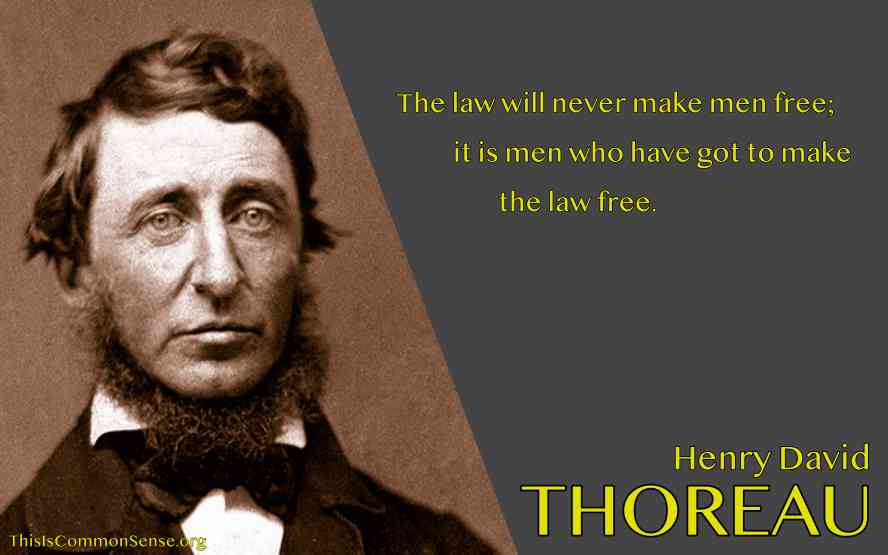
Henry David Thoreau

The law will never make men free; it is men who have got to make the law free.

Henry David Thoreau, “Slavery in Massachusetts” (1854).

Categories
Today

Gallatin

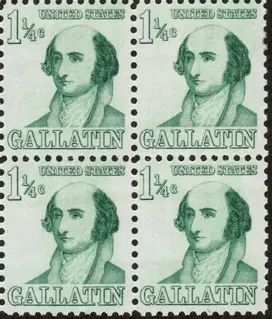
On January 29, 1761, Albert Gallatin was born. Gallatin served as the fourth United States Secretary of the Treasury — a post in which he served longer than any other in American history — advanced the anthropological and linguistic study of native Americans, and became the subject of a biography by Henry Adams. Called the “father of American ethnology,” he has been honored with a 1967 U.S. stamp as well as many place names, including the Gallatin National Forest in Montana.

Categories
Thought

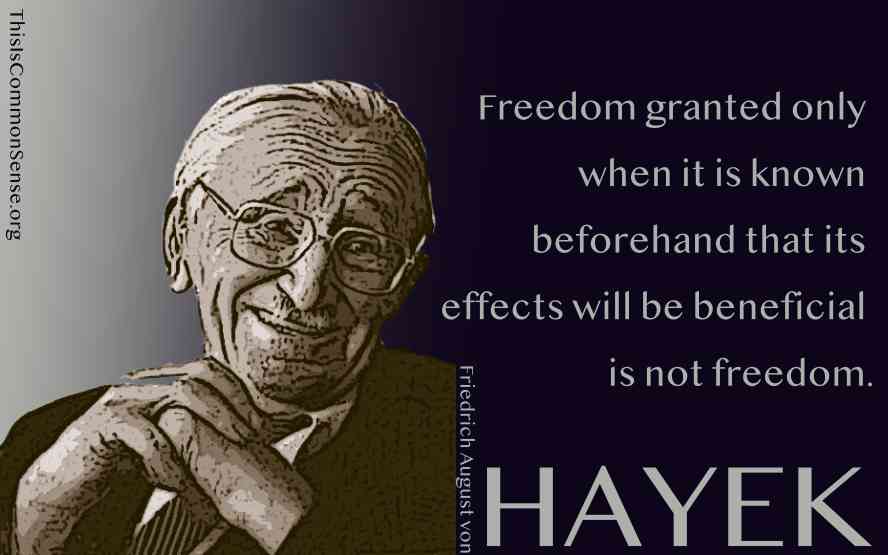
F. A. Hayek

Freedom granted only when it is known beforehand that its effects will be beneficial is not freedom.

F.A. Hayek, The Constitution of Liberty, p. 83.

Categories
Today

End of an Age

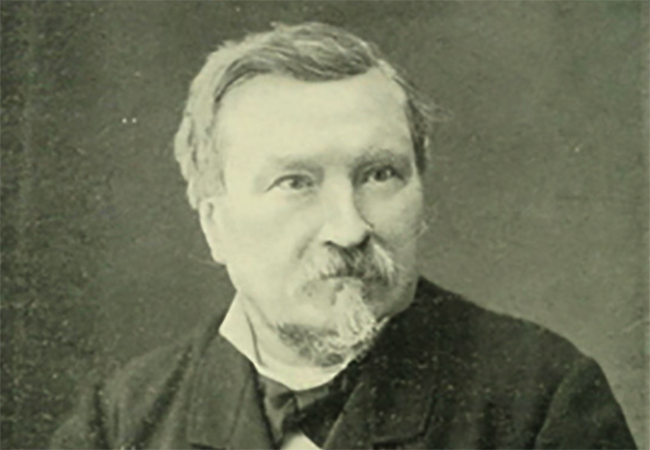
On January 28, 1912, Belgian economist Gustave de Molinari died. Molinari was one of the last major economists of the French Liberal School, heir to Frederic Bastiat, and a prominent advocate of free trade. His last book, The Society of To-morrow (the only one of his many books to be translated into English in his day) envisioned a future of extremely limited government, and argued against the growing tide of socialism and war that was becoming all too apparent as the future of Europe.

Sadly, the old liberal order of Europe ended with the beginning of the Great War, exactly two and one half years after Molinari’s demise.


On Jan. 28, 1981, President Ronald Reagan lifted the federal government’s remaining domestic petroleum price and allocation controls in the United States, helping to end the 1970s energy crisis and begin the 1980s’ oil glut.

The deregulatory move had been begun by Democrats in Congress, particularly Sen. Ted Kennedy, but had been placed on a gradual schedule, and the whole effort clouded with talk of “windfall profits” and a tax on those allegedly unfair returns on investment.

Categories
Today

American Conscription Ends

On Jan. 27, 1973, President Richard Nixon’s Secretary of Defense, Melvin R. Laird, announced an end to the military draft in favor of a system of voluntary enlistment. Since 1973, the United States armed forces have been known as the All-Volunteer Force.

Categories
Thought

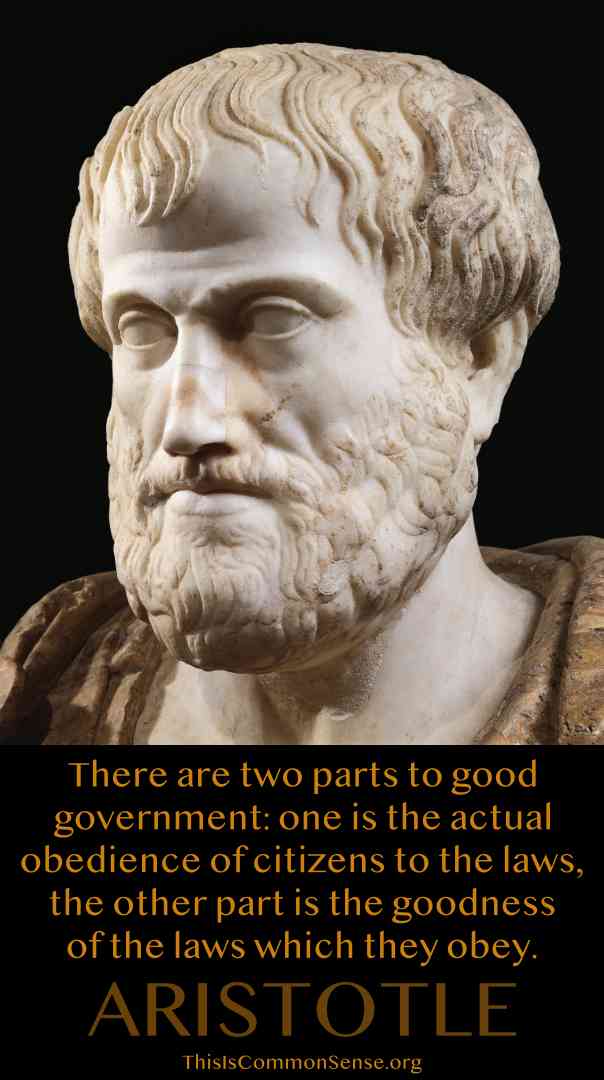
Aristotle

There are two parts to good government: one is the actual obedience of citizens to the laws, the other part is the goodness of the laws which they obey.

Aristotle, Politics, 4.8, Benjamin Jowett, trans. (1885).
Categories
by Paul Jacob video

Watch: Keep Taiwan Free

Paul no longer produces his weekly “weekend wrap-up” podcast, This Week in Common Sense. But he still has something to say. This is the video of the talk shared on audio yesterday:

Please go to StopTheChinazis.org for more information.

Categories
Today

Winter War

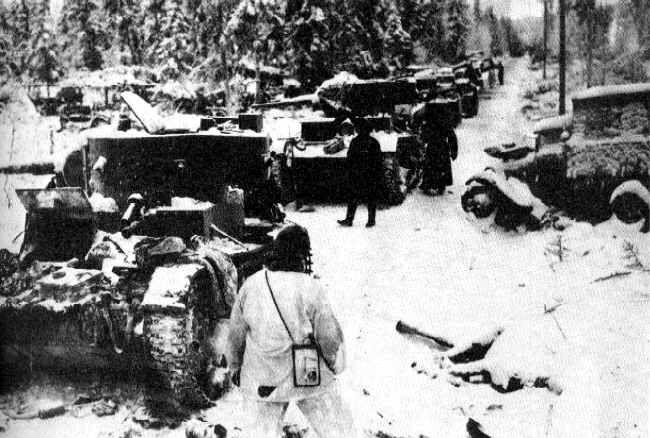
On January 7, 1940, the Finnish 9th Division completely destroyed the much-larger Soviet forces on the Raate-Suomussalmi Road, in a crucial battle during Finland’s Winter War.

Categories
Common Sense general freedom Thought

Happy New Year–2024

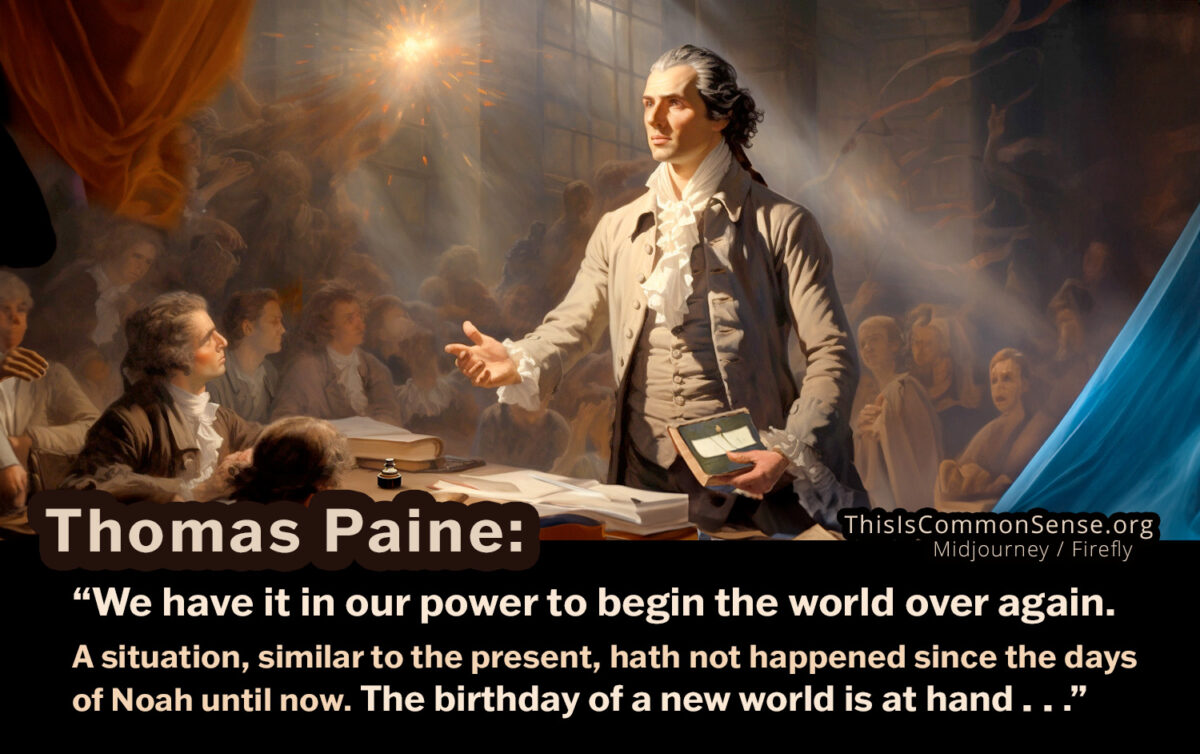
“We have it in our power to begin the world over again. A situation, similar to the present, hath not happened since the days of Noah until now. The birthday of a new world is at hand, and a race of men, perhaps as numerous as all Europe contains, are to receive their portion of freedom from the events of a few months. The reflection is awful, and in this point of view, how trifling, how ridiculous, do the little paltry cavilings of a few weak or interested men appear, when weighed against the business of a world.”

from “Common Sense” by Thomas Paine