Categories
national politics & policies progress voluntary cooperation

Dream & Achieve More, Not Less

The successful Artemis II mission is one answer to what we have been told for way too long, that exploration “beyond known boundaries” is unaffordable and “too risky.”

“We are told not only to consume less but to dream less,” writes John Tillman. “Always the same chorus: lower your expectations. Stop reaching.” SpaceX and Artemis II have interrupted this tune.

And Artemis II has a lot to do with SpaceX, Tillman stresses. It’s NASA, it’s a government program, but one heavily reliant on markets.

NASA deserves credit for managing a complex mission. But 2,700 private companies were involved in providing crucial components.

Lockheed Martin. Made the Orion spacecraft that carried the crew.

Boeing. Made “the massive core stage of the Space Launch System rocket.”

Northrop Grumman. Made rocket boosters and an abort system.

Aerojet Rocketdyne. Made engines and thrusters.

“That’s just the prime contractors. Beneath them sat a supply chain of extraordinary depth.”

There’s more. In the five decades that NASA avoided lunar exploration and colonization, private enterprise had been providing reminder after reminder as to just how much could be accomplished by tapping dispersed knowledge and talents — from feeding the masses to connecting everyone via computer networking — making any lingering timidity or depressive preconception ultra-passé.

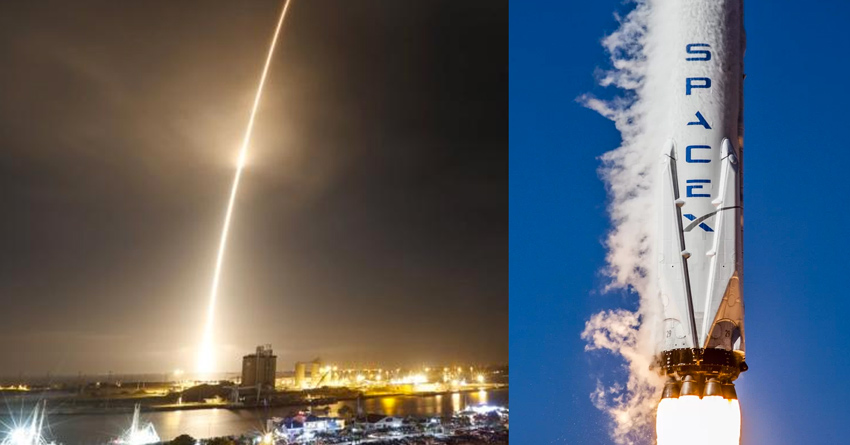
“SpaceX’s Falcon 9 launches for $67 million, lands its boosters, and flies again within weeks. That’s a nearly twenty-five-fold cost reduction through competition and innovation. When companies bear the risk, they solve problems creatively. When taxpayers bear the risk, you get decades of stagnation.”

That’s how markets and dreams work — when they’re allowed to.

This is Common Sense. I’m Paul Jacob.


PDF for printing

Illustration created with Nano Banana

See all recent commentary
(simplified and organized)
See recent popular posts
Categories
free trade & free markets individual achievement

Not Just a Recycled Rocket

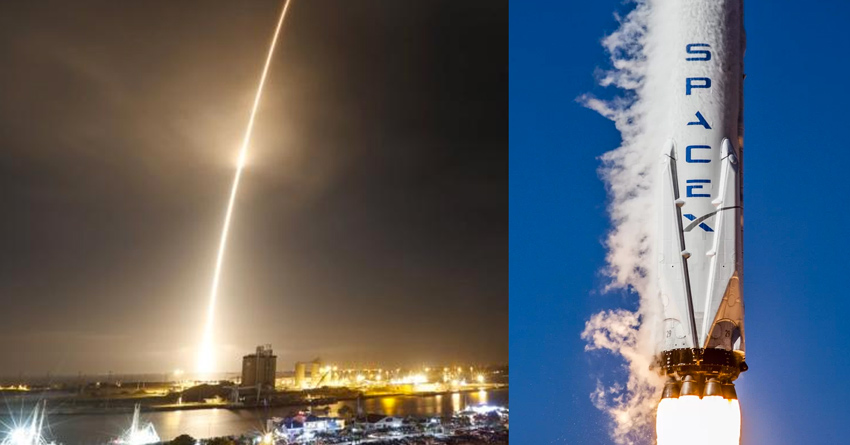
Last Thursday, SpaceX successfully re-used a previously flown rocket to launch a payload into orbit.

Sure, NASA had re-cycled rocket parts before. That is, the U.S. space agency had recovered spent rockets.* But those were rebuilds.

SpaceX’s most recent triumph was to launch a “stage one” rocket that had gone into space before —and returned. Last April it delivered a payload to the International Space Station and then safely touched down vertically** — just like in 1950s sci-fi!

You could see the evidence: the weathered look of the rocket fuselage.

This Falcon 9 rocket not only placed its Luxembourg-owned SES-10 into orbit last week, it then returned — again! to its ocean “drone ship” platform.

A new age in space commerce thereby hit a new landmark.

Or would that be “spacemark”?

Re-using a rocket is like how airlines re-use jet aircraft. Less waste, expense. Making the whole industry more viable. The technology and expertise to safely land and recover the rocket is astounding.

Alas, videocasting of the most amazing part of the effort, the landing and recovery of the Falcon 9 rocket, failed — noticeable by its lack in both the live Periscope feed and the YouTube archive. But we had seen that very same rocket land last April, onto SpaceX’s charmingly named droneship, Of Course I Still Love You.

Ocean mark? Drone mark? It hit the mark, whatever you call it.

Elon Musk, head of SpaceX, had every reason to breathe a sigh of relief, as well as engage in some apt exultation, after the mission.

We can, too. Space industry privatization and progress? Actually happening.

This is Common Sense. I’m Paul Jacob.


* The Space Shuttle was a different technology entirely, a re-usable spacecraft. What we are talking about today is the powerhouse stage-one booster rocket, like the old Saturn V that the Apollo program famously exploited.

** The Space Shuttle, remember, landed horizontally, like an airplane. Future re-usable manned spacecraft will no doubt do this. A private return-entry spacecraft, like Virgin Galactic’s SpaceShip Two, put into orbit by a re-usable Falcon 9 rocket, would be the next logical new achievement. Though, obviously, these are different companies with tech that is not, I think, meant to work together.


Printable PDF