Yesterday, I defended the honor, so to speak, of Elon Musk against Eric Peters’s charge — published, on his website — that the high-tech magnate is a “grifter.”
I focused only on the free speech angle. But Mr. Peters (“the libertarian car guy”) didn’t limit himself to criticizing X. He also criticized Tesla, SpaceX and DOGE.
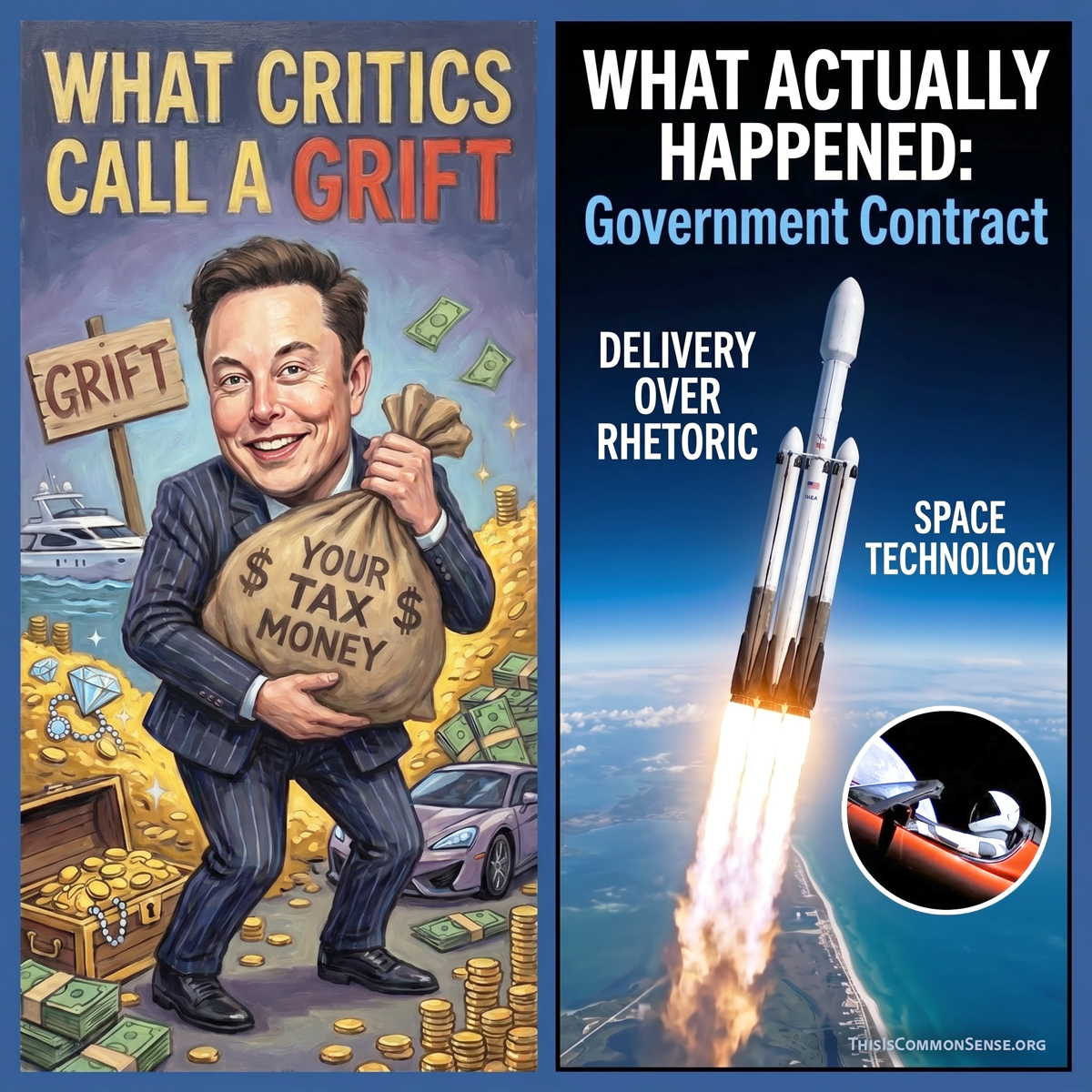
Musk, Peters notes, “has just become a trillionaire by dint of the IPO of his Space Xcrement grift.” Folks bought into SpaceX, he says, because “they believe there is a Tesla roadster in orbit around the Earth and that we’ll soon be able to buy tickets for a trip to Mars.”
Is Peters suggesting that Musk did not send a Tesla Roadster into space? Is this some new sort of (forgive me) “conspiracy theory”? Truth is, the Roadster orbits the Sun, coming back from beyond the Martian orbit.
What does he think is really going on here? What Musk’s investors “have bought into is the grift of government contracts,” he says, “which are paid for with dollars fleeced from the tax sheep. People who buy Space Xcrement stock can share in the grift, of course. But it does not change the nature of the grift.”
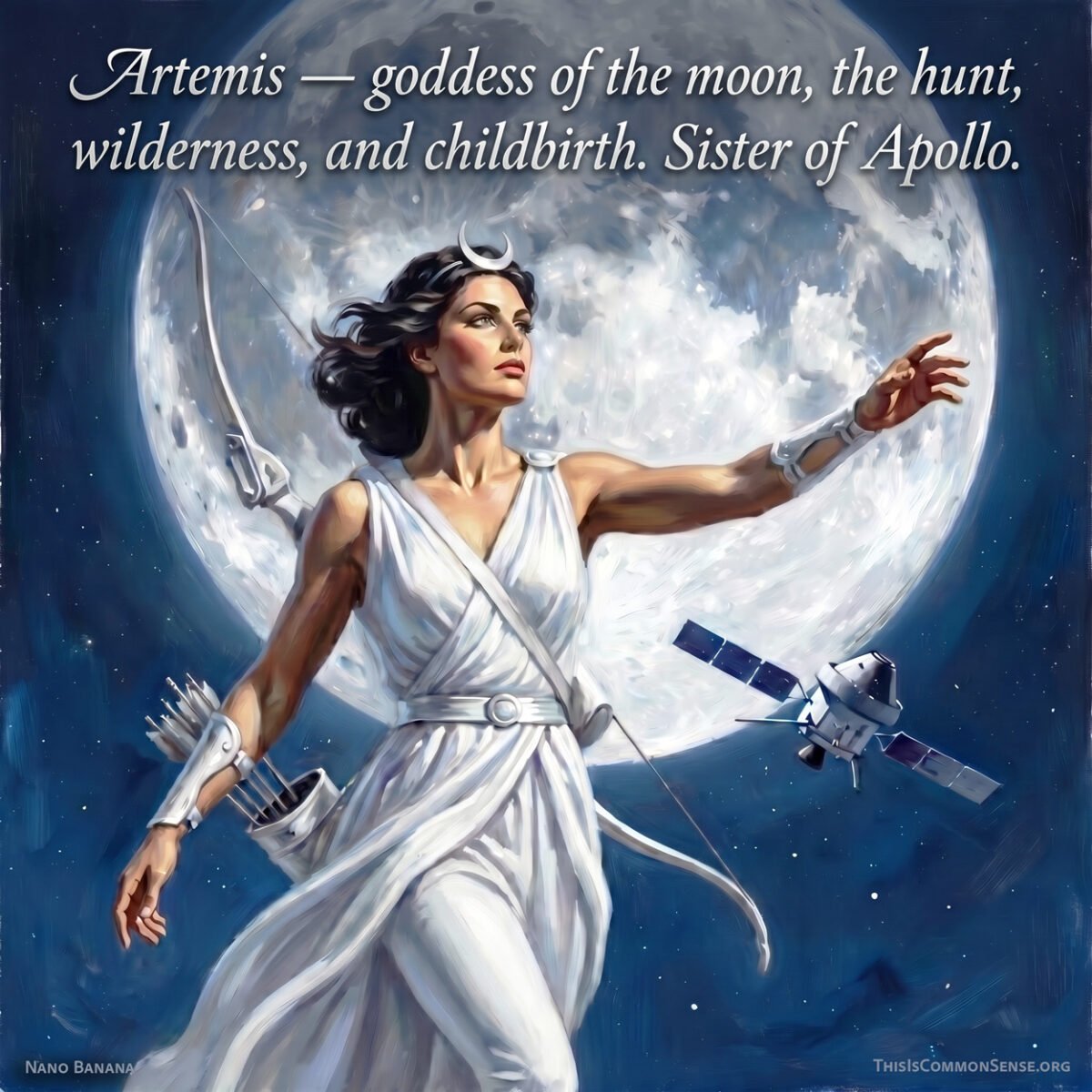
While the bulk (but definitely not the whole) of SpaceX’s clients are government agencies, most importantly NASA, remember something that one might forget while reading Peters’s fun rant: Musk is indeed putting objects into orbit, with new and astounding technology of amazing efficiency, and NASA has announced that SpaceX’s biggest and best will soon take astronauts back to the Moon.
As for Tesla, these cars are on the road. They work. I wouldn’t buy one, but I wouldn’t call it a grift a million times, or even once. And Musk himself has said he’d happily produce cars without the subsidies. But he continues to use the system set up for more than just him — the usual businessman rationale.
Criticizable? Yes. Wholly a grift? No.
And as for DOGE, it’s not as if Musk did not try. He just got little support from Congress . . . or the President. Too bad. Still not a grift.
This is Common Sense. I’m Paul Jacob.
Illustration created with Grok and Nano Banana
See all recent commentary
(simplified and organized)
See recent popular posts