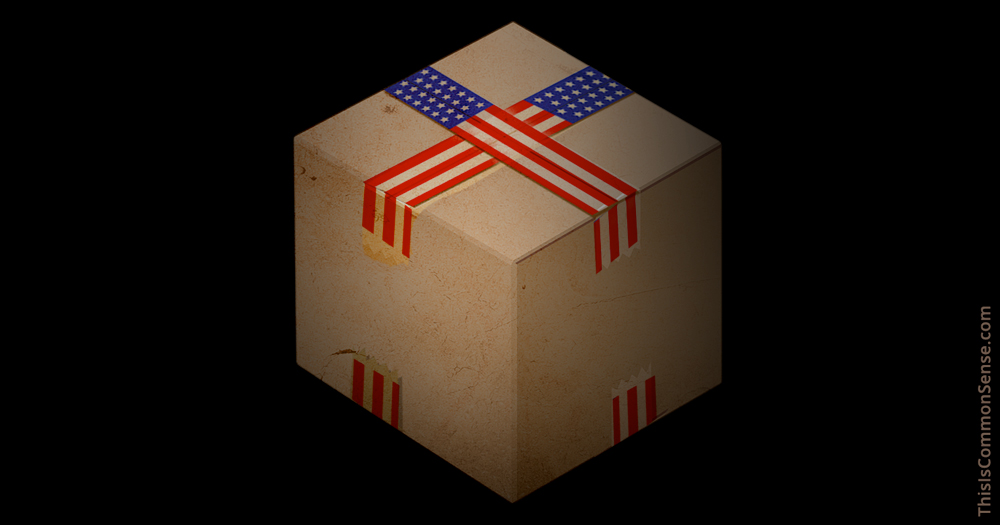
Transparency is usually a good thing. But so is privacy. And so, too, are limits on government power.
Which bring me to the Epstein files — or, more accurately, those files bring me here.
“I don’t think we’ve had a scandal like this in this country,” Rep. Ro Khanna (D-Calif.) offered yesterday on Meet the Press, “and what we’re asking for is justice for those survivors.”
I want justice, too — that is, the prosecution of any crime grand juries honestly believe was likely committed.
By anyone! No matter how powerful that suspect might be.
On the other hand, the Epstein File Transparency Act, which will be voted on this week in the U.S. House of Representatives and for which Khanna is a primary sponsor, “would require the Justice Department to declassify and release all files pertaining to the prosecution of the late sex trafficker, Jeffrey Epstein.”
The public has a right to know!
But does it?
And if so, does that ‘right’ mean we permit the federal Department of Justice to use prosecutorial power to grab incriminating evidence on “suspected criminals” and then weaponize and deploy that information not to prosecute a crime in a court of law, but rather to publicize the damaging dirt discovered in the court of public opinion?
From then-FBI Director James Comey’s ridiculous public preening over the non-prosecution of Hillary Clinton in 2016 to the demanded release of the Epstein files today, we must be careful the DOJ does not become an opposition research firm for the party in power, using badges and guns. Or the world’s most outrageous doxxing scheme.
Our criminal justice system should do one thing and only one thing: Prosecute crimes.
This is Common Sense. I’m Paul Jacob.
Illustration created with Krea and Firefly
See all recent commentary
(simplified and organized)
See recent popular posts