As is often the case in Supreme Court decisions, in Learning Resources v. Trump it is the dissenters’ views that are most interesting.
At issue? The president’s authority to impose tariffs, or alter them. Donald Trump — a life-long tariff proponent — took the International Emergency Economic Powers Act (IEEPA) as an excuse to levy broad new duties on imports from multiple countries. That act delegated to the executive the power to use tariffs as emergency foreign policy measures.
On February 20, the majority on the court gave a decisive No to the President’s use of IEEPA to impose tariffs.*
I generally oppose Congress delegating powers to the executive branch and support free trade. But what does the Constitution actually say? Could dissenters Kavanaugh, Thomas and Alito have a point?
Kavanaugh’s humungous written opinion claims that tariffs are a traditional, common, and lawful means of “regulat[ing] . . . importation” in foreign-policy crises; he says the majority’s narrow reading ignores text, history, precedent, and the special deference due the President in external affairs. “The text of IEEPA authorizes the President to regulate importation,” explains Kavanaugh, “and tariffs are a means of doing so.”
Thomas stresses that IEEPA’s emergency-declaration process provides political accountability, so judicial second-guessing is unwarranted. Further, he argues that from the Founding, “regulate importation” has always included duties; early Congresses and Presidents (Monroe, Jackson, etc.) routinely delegated and adjusted tariffs. While matters of rights cannot be delegated, Thomas argues that privileges can, and have, and that this has long been recognized in constitutional law.
The key question, as Kavanaugh advances, is the balance of power. “Congress retains the ultimate authority to clarify, amend, or repeal IEEPA,” he reasonably asserts, “if it believes the President’s exercise of emergency powers has gone too far.”
This issue became a federal court case because Congress is dysfunctional.
Which puts the issue back in our lap. Where voters can have some control. How? Through elections, pressure, or pushing . . . term limits.
This is Common Sense. I’m Paul Jacob.
* Other avenues may remain open. And Trump is jumping on them.
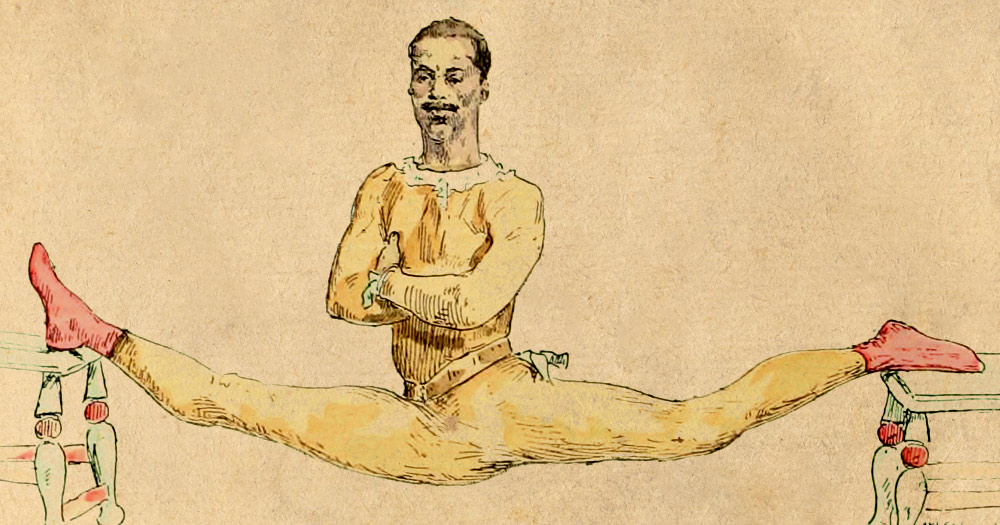
Illustration created with Nano Banana
See all recent commentary
(simplified and organized)
See recent popular posts