Categories
Today

Patriotism and Protest and Ousting

On August 19, 1919, Afghanistan gained full independence from Great Britain. The British attempts to maintain an imperial presence in this region elicited an earlier, infamous essay in protest by English sociologist and anti-imperialist Herbert Spencer (pictured), “Patriotism” (Facts and Comments, 1902).

On this day in 1991, Soviet President Mikhail Gorbachev was placed under house arrest, a crucial event leading to the dissolution of the Soviet Union.

In 1999, a mass rally of Serbians demanded the resignation of Slobodon Milosevic.

Categories
Accountability folly general freedom ideological culture media and media people moral hazard nannyism national politics & policies too much government U.S. Constitution

Statues and Limitations

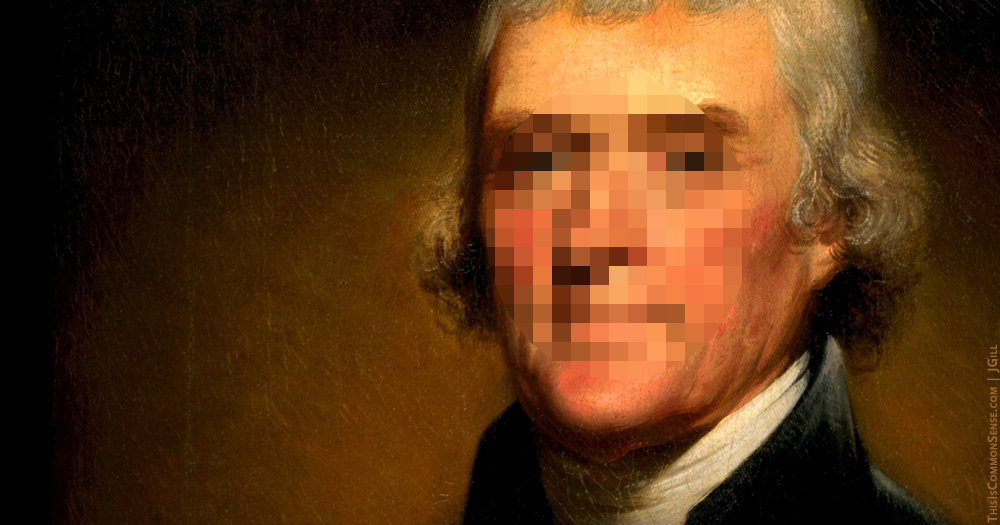
“Should they take down the Jefferson Memorial?”

That is what PBS’s Charlie Rose asked Al Sharpton. Now, the “Reverend” is not my go-to source for political insight, but his answer* caught my attention.

“I think that people need to understand that, when people that were enslaved and robbed of even the right to marry and had forced sex with their slave masters, this is personal to us,” replied Rev. Sharpton. “My great-grandfather was a slave in South Carolina . . . Our families were victims of this.”

Asked if this precluded “public monuments” for “everyone associated with slavery,” Sharpton argued: “When you look at the fact that public monuments are supported by public funds, you are asking me to subsidize the insult to my family.”

One can attack the messenger, Sharpton, sure. But what if we instead think of him as our neighbor? I certainly wouldn’t want to insult a neighbor, much less make him pay for the privilege.

Notably, the Reverend embraced privatization, suggesting, “You have private museums.” Privatizing controversial monuments would certainly solve Sharpton’s stated problem.

Of course, the logic behind taking down statues or dismantling the Jefferson Memorial — or merely privatizing them — might also lead to changing the names of cities, counties and states, rivers and mountains. And it’s not just Washington and Jefferson — twelve presidents were slave owners, including Union General U.S. Grant.

Who knows how many are undeservedly memorialized?

Frankly, I’ve never liked the name of my Virginia county: Prince William. A liberty-loving people ought not be stuck with such a monarchial brand.

Let the people decide.

But by vote, not street brawl.

This is Common Sense. I’m Paul Jacob.


* This exchange begins at the 15:22 mark in the interview.


PDF for printing
 

Categories
Today

Free to Choose

On August 18, 1920, the Nineteenth Amendment to the United States Constitution was ratified, guaranteeing women’s suffrage.

Eighty-eight years later, Pakistan’s President, Pervez Musharaf resigned under threat of impeachment.

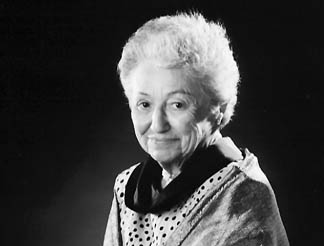
The next year, Rose Director Friedman, economist, wife of economist Milton Friedman, sister of economist Aaron Director and mother of economist David D. Friedman, died. With her husband she had written one of the most popular pro-liberty books of our time, Free to Choose. She had been born in late December, 1910, in Staryi Chortoryisk, in Ukraine, to the Director family, prominent Jewish residents.

With her husband she co-authored their memoirs, Milton and Rose D. Friedman, Two Lucky People, which appeared in 1998. Together they founded the Milton and Rose D. Friedman Foundation, with the aim of promoting the use of school vouchers and freedom of choice in education. She also helped produce the PBS television series, Free to Choose, and assisted her husband in writing his 1962 political philosophy book Capitalism and Freedom.

Categories
Thought

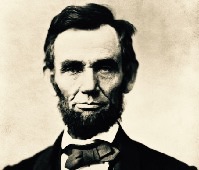
Abraham Lincoln

Those who deny freedom to others deserve it not for themselves.

Categories
ideological culture moral hazard national politics & policies U.S. Constitution

The Great Diversion

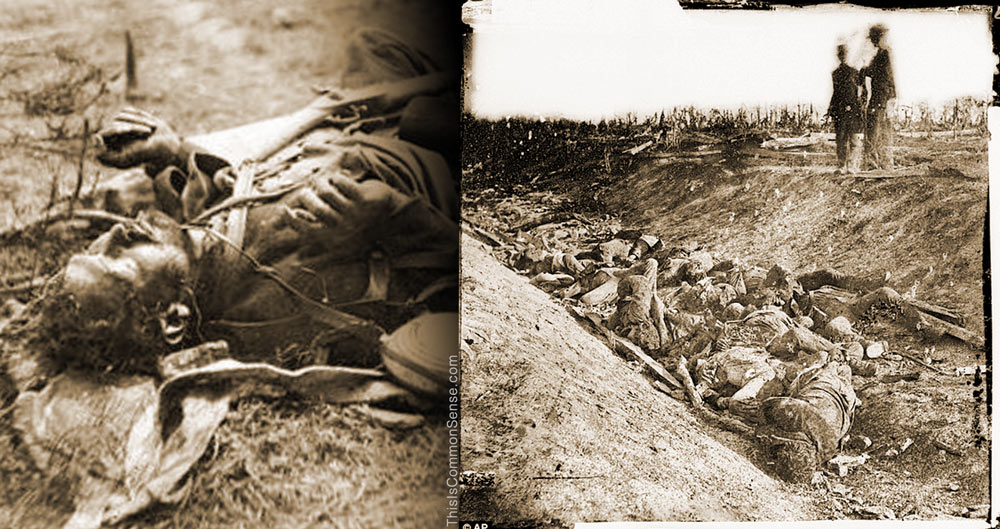
Though the breakdown of civil debate seems new, the subjects are old. We are actually talking about Nazis, again. Nazi death counts. And the Confederacy. The former defeated by my father’s generation, the latter defeated several generations earlier.

Why?

Because talking about the future would require actual thought. It’s easier to fight over the past, over symbols of the past.

That is why there was a Charlottesville debacle. It is about a statue, a monument to dead soldiers featuring the Confederacy’s General Robert E. Lee. And what it means. The “Unite the Right” rally was set in Charlottesville because of the city council’s decision to remove it.

It is interesting, though, that the event did not unite “the Right.” Conservative and even many alleged “alt-right” groups refused to participate.

But “the Left” seems more united than before. If you focus on past racism and the persistence of Nazi and Confederate symbology, it’s pretty easy to agree. I agree.

And yet, I take a step back, and remember that those monuments do not have the univocal racist meaning attributed to them. They were intended to heal wounds.*

Now they open up old ones.

And yet this is all a diversion. We are facing a major set of crises that could lead to war, depression, chaos, and (possibly) worse. But we are not now handling them because we are fighting over symbols of the past.

This may be a very human thing to do.

But it is not smart.

This is Common Sense. I’m Paul Jacob.

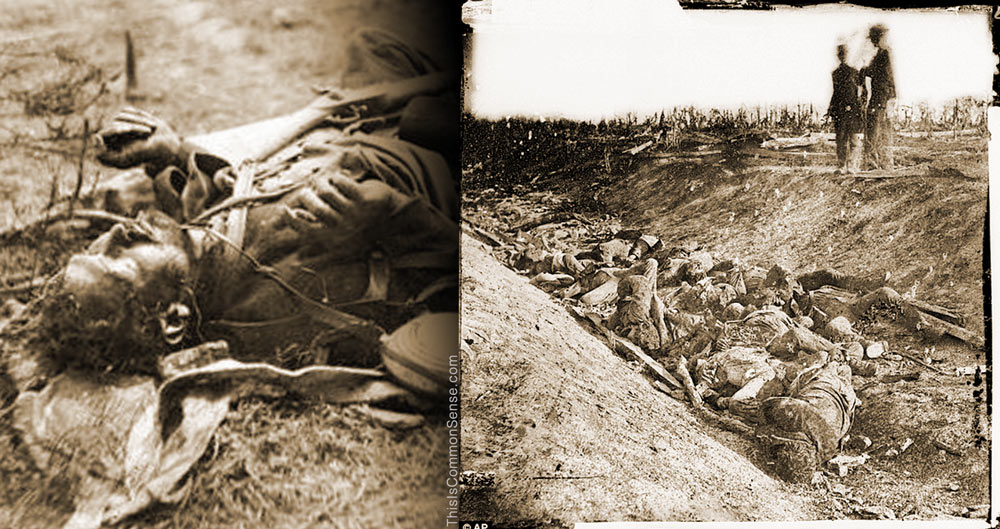
* At least 350,000 young American men died wearing Confederate uniforms in the Civil War, and half a million Union soldiers are believed to have died directly from their war wounds. Today’s population is ten times greater, so adjusted for today it would be eight million deaths. That is a lot of searing wounds.


PDF for printing


Categories
Today

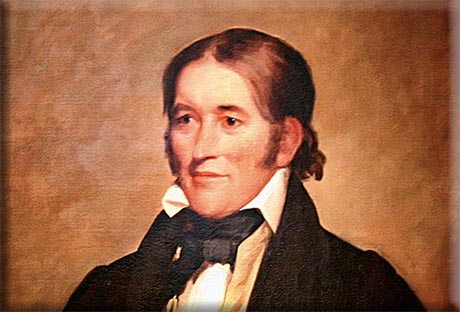
David Crockett

On August 17, 1786, American backwoods hero and politician, David Crockett, was born. Famous as a politician, he brought personal principle and honor and a “common sense” approach in representing Tennessee in the U.S. House of Representatives. He later served in the Texas Revolution, dying at the Battle of the Alamo.

Crockett grew up in East Tennessee, where he gained a reputation for hunting and storytelling, which helped make him a legend in his own time. After being made a colonel in the militia of Lawrence County, Tennessee, he was elected to the Tennessee state legislature in 1821.

In 1825, Crockett was elected to the U.S. Congress, where he vehemently opposed many of the policies of President Andrew Jackson, most notably the Indian Removal Act.

Categories
Thought

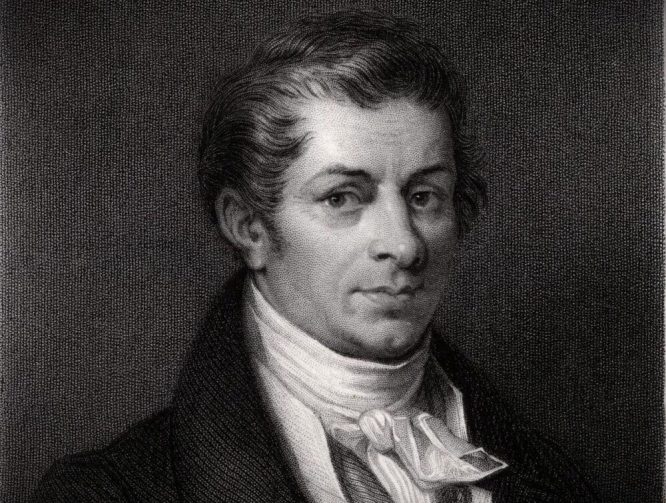
Jean-Baptiste Say

The command of a large sum is a dangerous temptation to a national administration. Though accumulated at their expense, the people rarely, if ever profit by it: yet in point of fact, all value, and consequently, all wealth, originates with the people.

Categories
crime and punishment folly general freedom ideological culture moral hazard nannyism

Loco Micro Repression

Close but no cakewalk prize.

Modern social justice advocates sometimes come up with legitimate complaints . . . only to wander off terra firma and into cloud-cuckoo land.

“Microaggressions” is one of these airy wanderings, and Katherine Timpf has spotted another in the ever-growing catalog of social justice beefs:

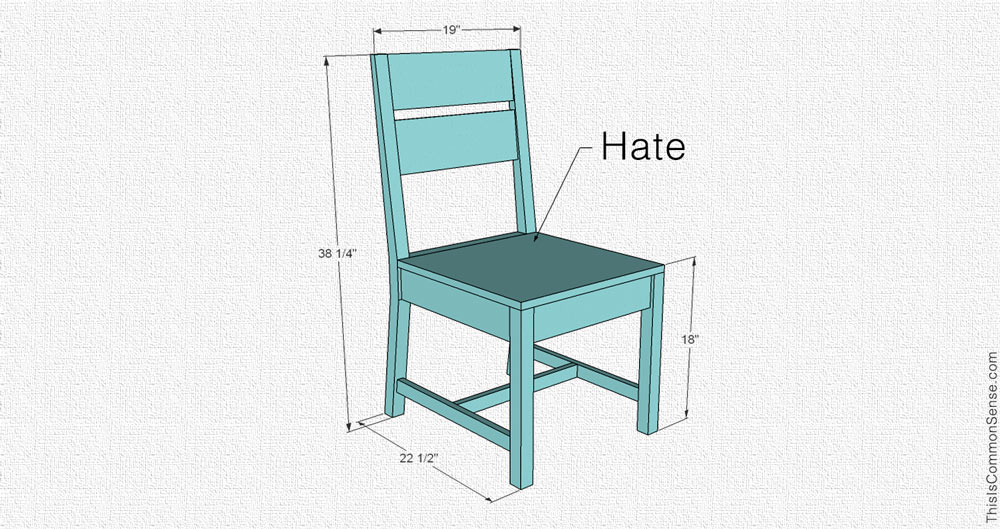
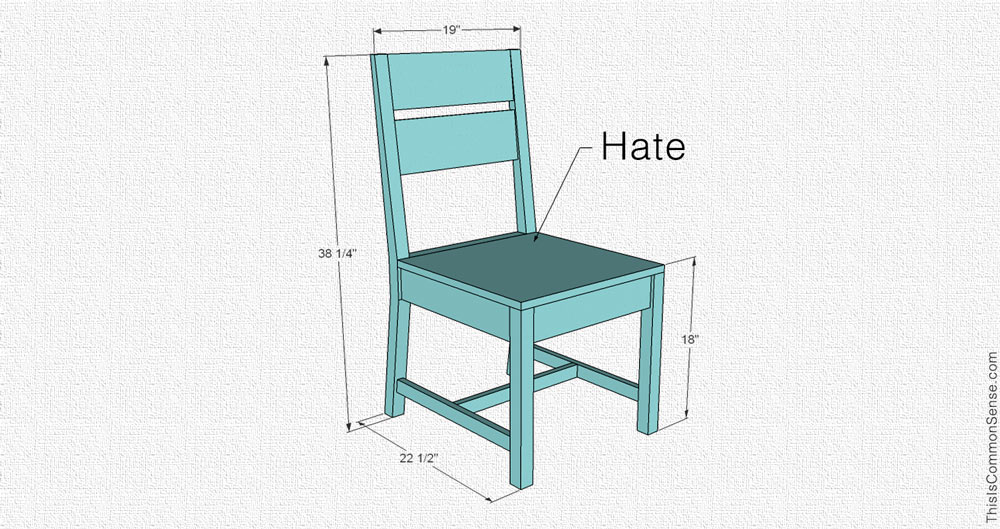
The size of our society’s chairs is now being considered a “microaggression” against overweight people, according to a guide released by The New School, a private college in New York City.

Proponents of this cause, Timpf notes, insist that “Microaggression is not ‘Micro’ in Impact,” and that the best response to faux pas, slights, indelicacies, and what-have-you is snitching to the administration and intervention from same. Quite overbearing, if you ask me. During my too brief college stint it would have been considered an insult — a microaggression? — to think that young adults could not handle minor affronts such as so helpfully listed at The New School.

But let’s get real here. Microaggressions do not justify treating adults as children and setting up college administrators as in loco parentis tribunals — much less Molotov cocktails, sucker punches or bike locks in socks. At best, as has been pointed out elsewhere, Ned’s microaggression justifies Zed’s microretaliation. Nothing more.

So how does one micro-respond?

Manners; etiquette.

In olden times, a well-mannered person, when snubbed or otherwise insulted had the option of responding with a cutting remark . . . without any actual cutting, without even raising the tone of his or her voice.

Activists and collegians really should look into it.

And not bring up chair size: the micro-chair/macro-posterior issue has too many “microaggressive” jokes built into it.

This is Common Sense. I’m Paul Jacob.


PDF for printing


Categories
Thought

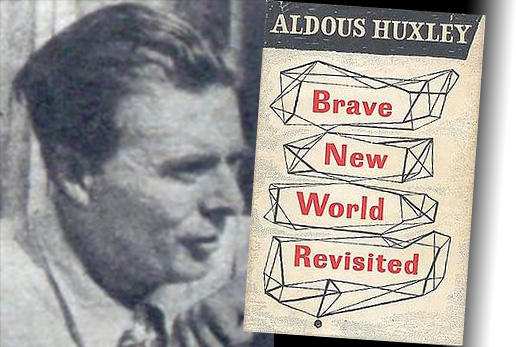
Aldous Huxley

The surest way to work up a crusade in favor of some good cause is to promise people they will have a chance of maltreating someone. To be able to destroy with good conscience, to be able to behave badly and call your bad behavior “righteous indignation” — this is the height of psychological luxury, the most delicious of moral treats.

Attributed to Aldous Huxley by John H. George in Be Reasonable (1994), but definitely misattributed to Huxley’s first novel, Crome Yellow (1922). See actual source.

Categories
Today

The WINO!

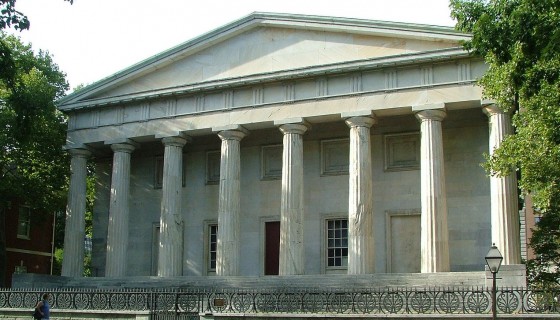
On August 16, 1841, U.S. President John Tyler vetoed a bill to re-establish the Second Bank of the United States (pictured). Enraged Whig Party members — feeling betrayed by the WINO* Tyler — rioted outside the White House in history’s most violent demonstration on White House grounds.


* “Whig In Name Only,” anachronistic joke term. A play on the contemporary initialisms “Republican in Name Only” (RINO) and “Democrat in Name Only” (DINO).