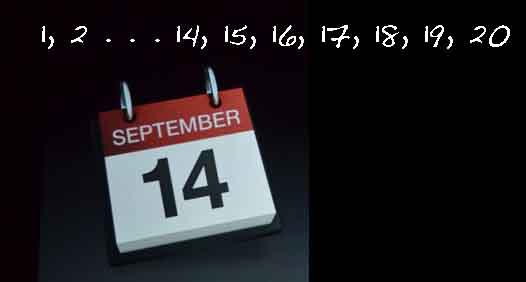
In 1752, throughout the British Empire, September 2 was followed, the next day, by September 14, as the government adopted the Gregorian calendar, skipping eleven days.
On September 14, 1944, Maastricht becomes the first Dutch city to be liberated by allied forces.
That’s what Democratic presidential aspirant and South Bend, Indiana, Mayor Pete Buttigieg reminded last night’s debate audience. “All day today, I’ve been thinking about September 12th, the way it felt when for a moment we came together as a country.”
The terrorist attacks in New York City and at the Pentagon, and the attempt foiled by brave citizens who were killed in the crash of their airliner in Shanksville, Pennsylvania, did indeed result in a wonderful bond of unity throughout our country.
Having lost more than 3,000 citizens, we came together.
“Imagine,” instructs Buttigieg, “if we had been able to sustain that unity.”
Before we all sing along with John Lennon, though, consider: (1) It is not so easy for government to re-create the sort of public horror, fear, grief, etc., necessary to ensure maximum national unity, and (2) please don’t try.
The purpose of government is not to produce a pressure-cooker society where we forever exist on a wartime footing.
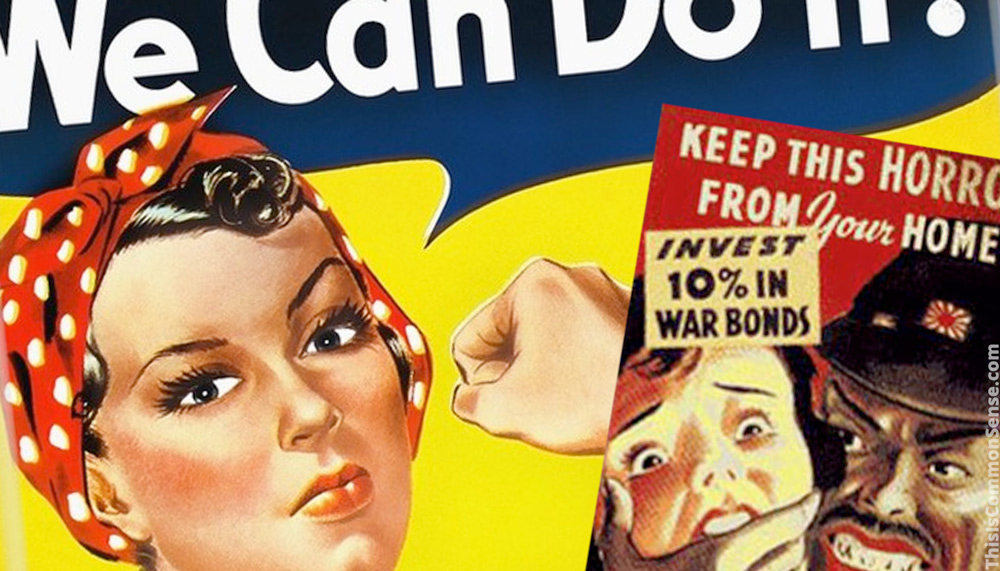
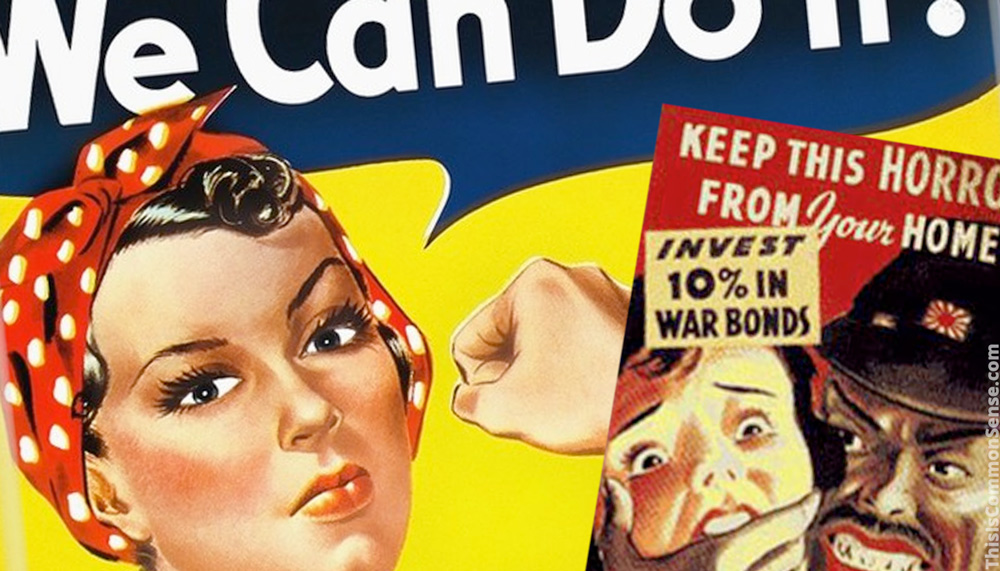
Do you miss the good old days of World War II? Totalitarianism threatened much of the globe; 70 million people died in the war. But it unified our country, which defeated Nazism, fascism, and a murderous empire.
We must memorialize the victory, not repeat it . . . just for unity’s sake.
Yet the Green New Deal resolution introduced by Rep. Alexandria Ocosio-Cortez (D-NY) states that “the House of Representatives recognizes that a new national, social, industrial, and economic mobilization on a scale not seen since World War II and the New Deal is a historic opportunity. . . .”
Opportunity?
Our motto should be ‘Liberty’ — not ‘never let a crisis go to waste.’
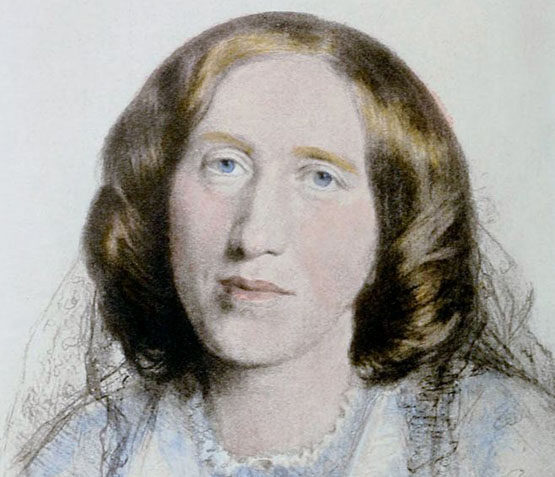
It is doubtful whether our soldiers would be maintained if there were not pacific people at home who like to fancy themselves soldiers. War, like other dramatic spectacles, might possibly cease for want of a “public.”
Mary Ann Evans (1819–1880), writing as George Eliot, The Mill on the Floss (1860)
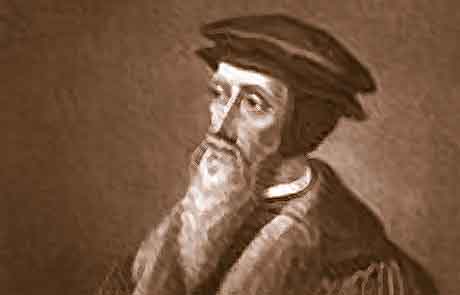
John Calvin [pictured above] returned to Geneva on September 13, 1541, after three years of exile. His subsequent work in church reform and theology became known as Calvinism, and profoundly influenced the course of European and (eventually) American civilization, including several concepts of servitude and liberty.
On the same date in 1989, Desmond Tutu led South Africa’s largest march aganst Apartheid.
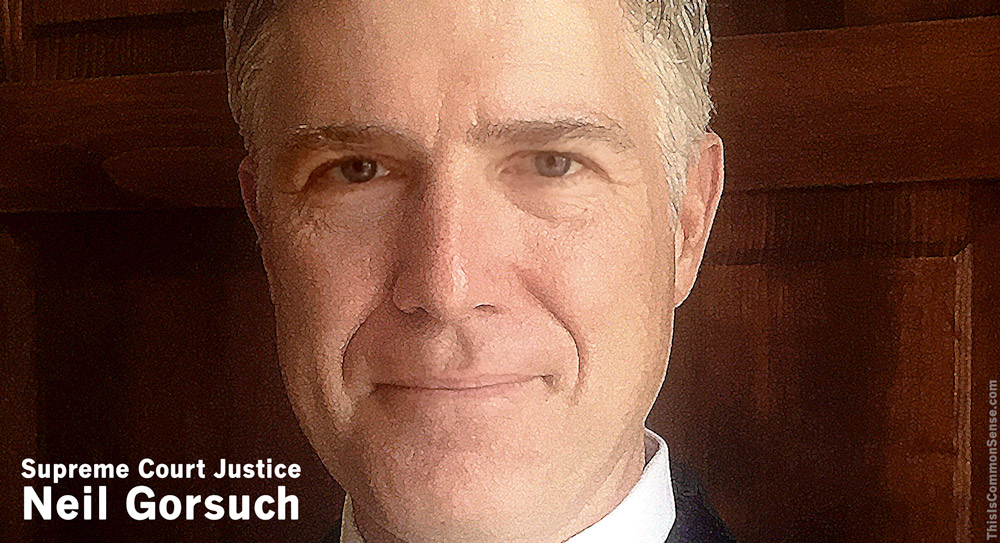
“Do you really want me to rule the country?” Supreme Court Justice Neil Gorsuch pointedly asked CNN’s Ariane de Vogue.
“It is not a judge’s job to do whatever he or she thinks is good,” Gorsuch added, in response to her concern that judicial activism might sometimes be “needed.”
“We wrote a Constitution; we put down what we wanted to put in it,” explained President Trump’s first SCOTUS pick. “We can amend it when we wish, and it is not up to nine people to tell 330 million Americans how to live.”
Gorsuch is making the media rounds promoting his new book, A Republic, If You Can Keep It — borrowing Ben Franklin’s famous quip when asked about what form of government the delegates at the 1787 Constitutional Convention had produced.
Gorsuch follows the judicial philosophy of originalism, criticizing interpretations that jigger the Constitution with the times. “You know, the living Constitution is going to take your rights away,” the justice argues, “and it’s going to add ones that aren’t there.”
And defending the rights actually in the Constitution means, Gorsuch believes, that judges must enforce limits on government. Last weekend in The Wall Street Journal, Kyle Peterson noted that Gorsuch has been true to that mission, pushing back against the High Court’s longtime deference to the administrative state.
This philosophy puts him beyond partisanship. “Gorsuch voted with liberal justices on important decisions on surveillance and sentencing,” Jonathan Turley writes in The Hill. “He also joined in key decisions supporting free speech against the government. . . .”
All this makes Neil Gorsuch the best justice on the Supreme Court. Perhaps the best in my lifetime.
And surely Exhibit A in Mr. Trump’s case for reelection.
The natural liberty of man is to be free from any superior power on Earth, and not to be under the will or legislative authority of man, but only to have the law of nature for his rule.
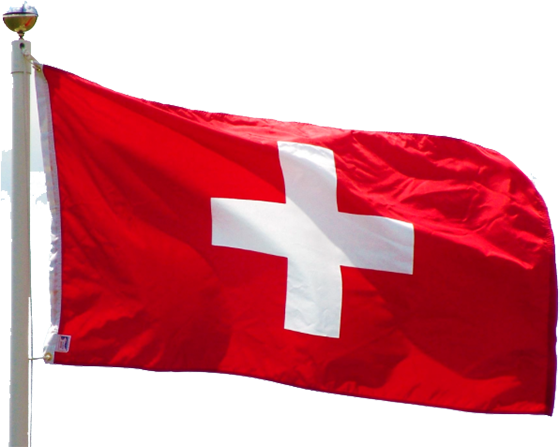
On September 12, 1848, Switzerland became a unified federal state with a constitution limiting central government powers and providing decentralized state (canton) power patterned on the U.S. Constitution.
In 1880 on this date, H.L. Mencken was born. One of his earliest books was a debate with a socialist, The Men versus The Man (1910); his greatest lasting contribution was probably The American Language (1919) and its supplements (1945, 1948). His work has been collected in numerous anthologies, such as Alistair Cooke’s Vintage Mencken (1955) and the author’s own Mencken Chrestomathy.
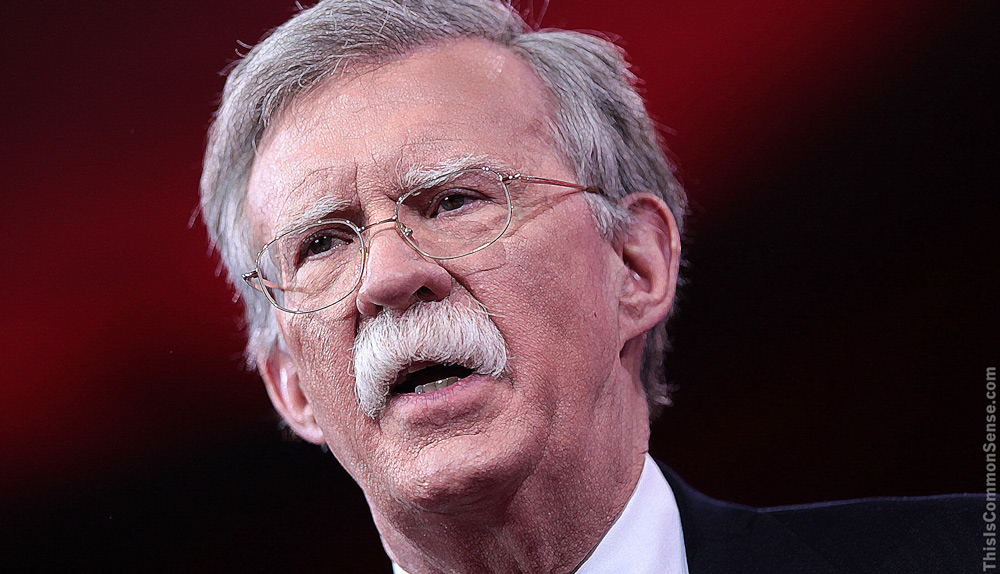
At long last, John Bolton’s 17 month tenure in the Trump Administration isover.
I won’t pretend not to be pleased. Yet I also do not pretend this national security advisor was always and completely on the wrong side. He has consistently claimed to have an ulterior motive for his favored never-ending war footing: “Individual liberty is the whole purpose of political life, and I thought it was threatened then” — when he was a teenager and exposed to the ideas of Barry Goldwater — “and I think it’s threatened now.”
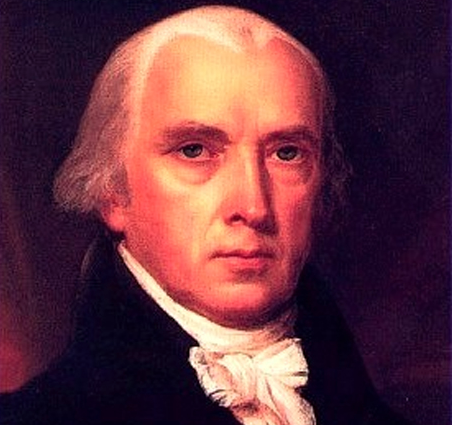
Unfortunately, he rejected the lesson that our Founders knew all too well: constant war-making doesn’t yield freedom. “Of all the enemies to public liberty,” James Madison wrote, it is war that “comprises and develops the germ of every other.” Madison’s list of reasons for war’s dangers include
Debts and taxes;
Rule of the many by the few;
Discretionary executive power;
Special favors greed economy;
Propaganda; etc.
Nevertheless, folks like John Bolton continue to think that we can be free while our military micromanages the “resolution” of every conflict across the globe.
Meanwhile, Donald Trump, who often comes off like a war skeptic, continues to side with the interventionists.
“We’re going to keep a presence” in Afghanistan, Trump said the other day. “We’re reducing that presence very substantially. We’re not fighting a war over there. We’re just policemen.”
Of all the enemies to public liberty war is, perhaps, the most to be dreaded, because it comprises and develops the germ of every other. War is the parent of armies; from these proceed debts and taxes; and armies, and debts, and taxes are the known instruments for bringing the many under the domination of the few. In war, too, the discretionary power of the Executive is extended; its influence in dealing out offices, honors, and emoluments is multiplied; and all the means of seducing the minds, are added to those of subduing the force, of the people. The same malignant aspect in republicanism may be traced in the inequality of fortunes, and the opportunities of fraud, growing out of a state of war, and in the degeneracy of manners and of morals engendered by both. No nation could preserve its freedom in the midst of continual warfare.
James Madison, “Political Observations,” Apr. 20, 1795 in Letters and Other Writings of James Madison, vol. 4, p. 491 (1865).
The date is known for some famous and not-so-famous wars and massacres and atrocities. So maybe, for once, we recognize some birthdays . . . literary:
Juhani Aho, originally Johannes Brofeldt (1861 – August 8, 1921), Finnish author and journalist. “It’s having hope which requires having guts. So wear your heart on your sleeve and if it bleeds, let it, so long as it still beats.”
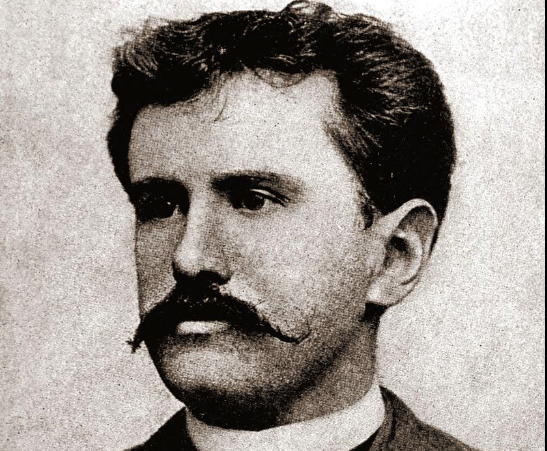
William Sydney Porter (1862 – June 5, 1910 — pictured), who under his pen name O. Henry earned fame for being the master of the American “surprise ending” short story writer. “A straw vote only shows which way the hot air blows.”
David Herbert Lawrence (1885 – March 2, 1930), an English writer and poet. “Men fight for liberty and win it with hard knocks. Their children, brought up easy, let it slip away again, poor fools. And their grandchildren are once more slaves.”