Categories
Today

U. S. Military Zones

February 19, 1942, was a sad day for constitutional rights, with President Franklin D. Roosevelt signing Executive Order 9066, authorizing the Secretary of War to prescribe certain areas of the country as military zones. These zones were used to incarcerate Japanese Americans in internment camps.

Categories
individual achievement media and media people

The Dittos Now in Order

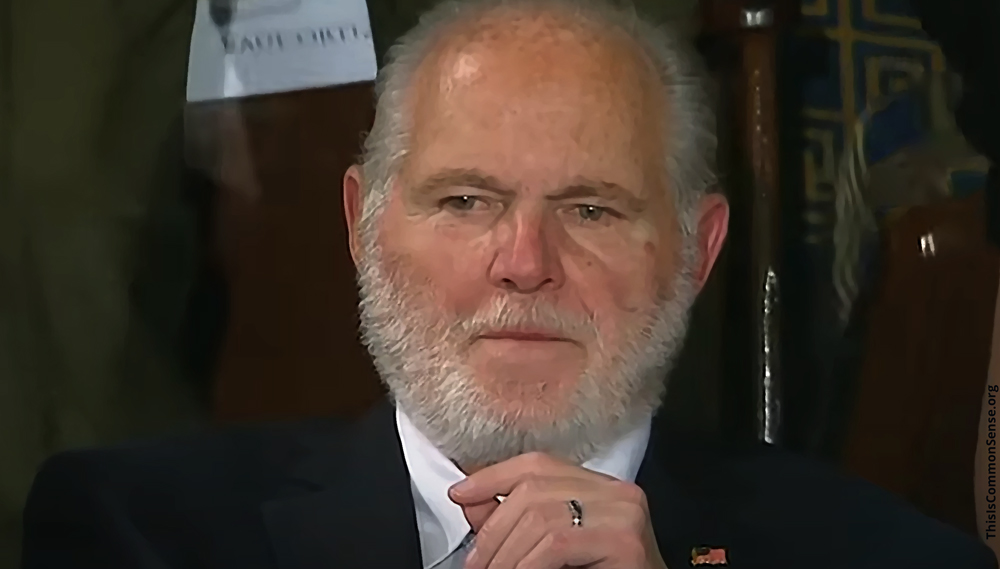
In reporting Rush Limbaugh’s passing, yesterday, from lung cancer at age 70, the Associated Press dubbed Limbaugh a “bombastic talk radio host and voice of American conservatism.” 

The latter, yes; but if you think Rush was “bombastic,” you missed the joke. Sure, he spoke of “talent on loan from God” and of “flawlessly” running the “Excellence in Broadcasting Network . . . with zero mistakes.” But bombastic means “high-sounding but with little meaning; inflated.” 

Washington, D.C., in other words.

Decidedly not Rush.

Rush was both communicator and political force. When Republicans took the House in 1994 on a promise to vote on term limits, Limbaugh strongly supported the strict term limits passed by the states, challenging congressional Republicans for playing games on the issue. 

Later, in 2007, Rush also gave this program a boost by reading my column, “The Two Americas,” on the air, calling it “a great way of restating the ideological arguments that exist in the country today.”

Rush stood for “the America of ever-increasing wealth, innovation, creativity. . . . The abundant work product of freedom.” And not “the politician’s America: The regulated America, the subsidized America, the earmarked America.”

Unlike so many seemingly angry shock jocks in talk radio, Mr. Limbaugh was actually nice to callers — even those who disagreed with him — and thoughtful, intelligent, and polite.

While on the hot seat speaking live for three hours each weekday to the nation’s largest radio audience (upwards of 15 million people a show) Mr. Limbaugh was one of the most transparent personalities of the age. “Dittoheads” could feel like they really knew precisely who and what they were ditto-ing.

Now, they ditto their respect. As do I.

This is Common Sense. I’m Paul Jacob.


PDF for printing

See all recent commentary
(simplified and organized)
See recent popular posts
Categories
Thought

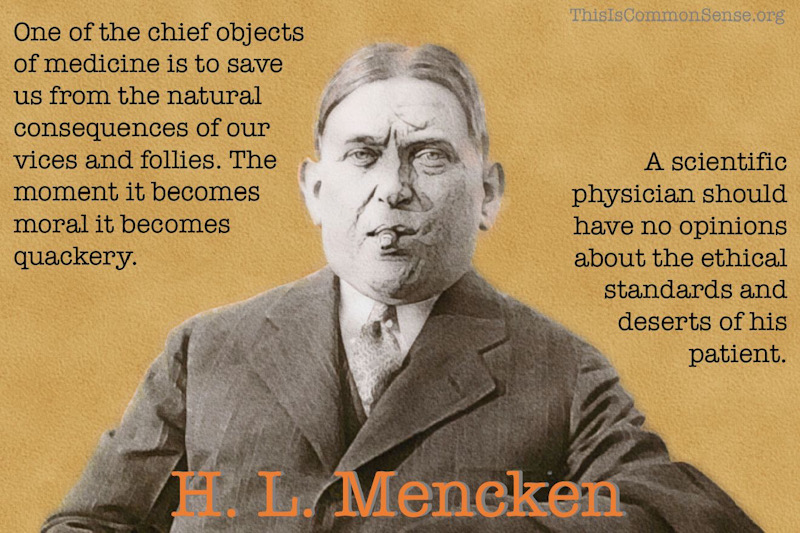
H. L. Mencken

One of the chief objects of medicine is to save us from the natural consequences of our vices and follies. The moment it becomes moral it becomes quackery. A scientific physician should have no opinions about the ethical standards and deserts of his patient.

H. L. Mencken, Minority Report: H. L. Mencken’s Notebooks (1956), p. 7.
Categories
Today White Rose

White Rose

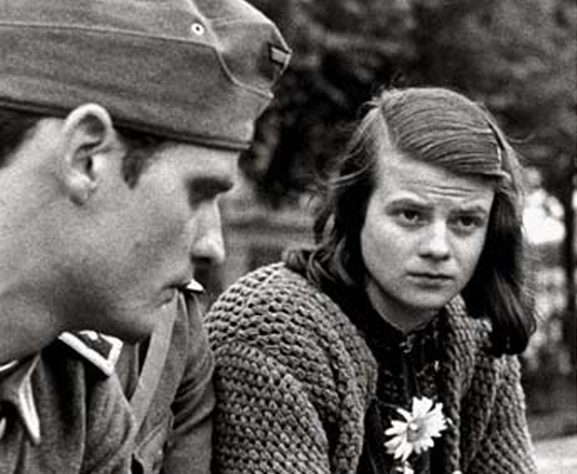
On Feb. 18, 1943, Hans and Sophie Scholl, a brother and sister, were arrested at the University of Munich for secretly (or not so secretly) putting out leaflets calling on Germans to revolt against Adolf Hitler and the Nazi regime.

In the previous year Hans had founded a group of students, who called themselves “The White Rose.” The group wrote and distributed six leaflets aimed at educated Germans. The leaflets made their way across Germany and to several other occupied countries. The Allies later dropped them all over the Third Reich.

Categories
national politics & policies

End in Ice?

When I was young, some folks worried about a return to Ice Age conditions. The climate alarm, in the decades since, prophesies hotter conditions, not colder.

So, with this cold snap hitting North America — ice storms from Washington State to Texas and now heading east by northeast — climate change has emerged in the back (or even front) of our minds.

It’s just not necessarily Fire we fret about. It’s Ice. (Cue recitation of the great Robert Frost poem, now.)

“The arctic air that poured into Texas resulted in a record-breaking demand for power that caused the state’s electric grid to fail,” the Weather Channel reports. “Suppliers had planned to use rolling blackouts, but the system was overwhelmed” — effecting an “estimated 75% of Texas power generation capacity.”

Millions in Mexico are also without power, because natural gas pipelines from Texas froze.

The main hit to the electric grid sure looks like it has been directly* to the distribution — if what I glean from Georgetown’s electric outage page is a good indication.

But that town went heavy into alternative forms of energy production (as has the whole of the state, along with many others). Did that investment help them when the cold came? Former Secretary of Energy Dan Brouillette says the problem is that alternative energy sources are not “base load electricity” but “intermittant and sometimes unreliable.”

Just as batteries under-perform in the cold, windmills don’t turn well when covered in ice. When we really need power, energy production that flakes out is not an energy alternative at all — it’s non-energy.

And if an Ice Age does come back, we’ll need more energy, not less than were global warming to remain the trend.

This is Common Sense. I’m Paul Jacob.


* The reason there was no weekend podcast from me is that my partner in podcasting was without power simply because an ice storm brought down trees on multiple power lines in his area.

PDF for printing

See all recent commentary
(simplified and organized)
See recent popular posts

Categories
Thought

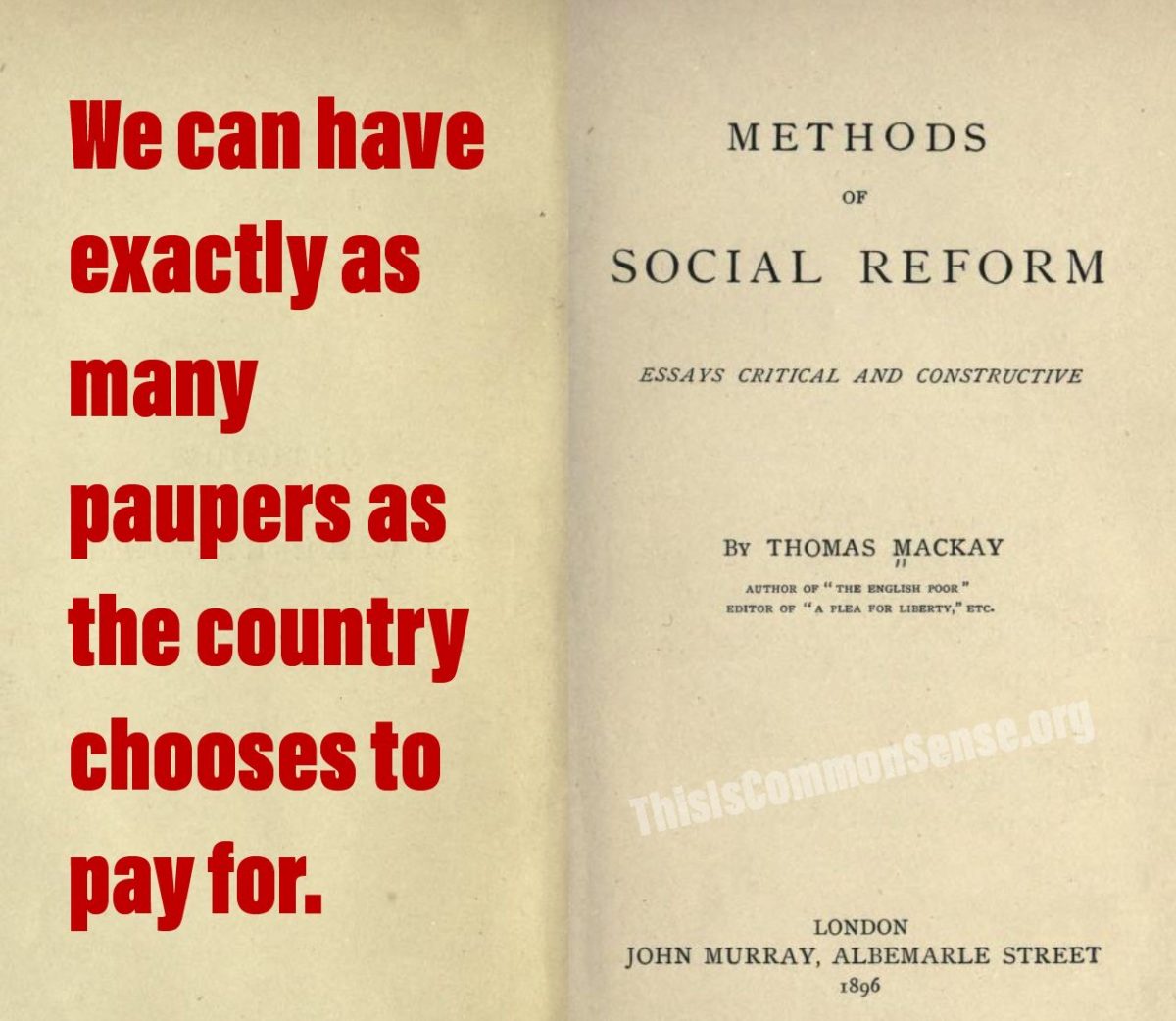
Thomas Mackay

We can have exactly as many paupers as the country chooses to pay for.

Thomas Mackay, Methods of Social Reform (London: John Murray, 1896), p. 210.
Categories
Today

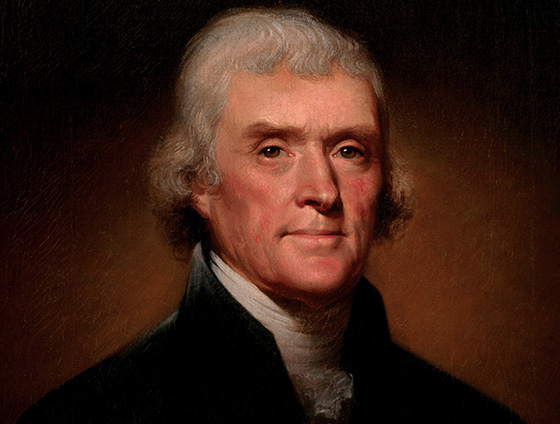
President Jefferson

On Feb. 17, 1801, Thomas Jefferson was elected by the U.S. House of Representatives to be the third president of the United States, after an arduous election process that ended only 15 days prior to inauguration.

The fracas included a tie vote in the Electoral College followed by 35 indecisive ballots in the House. At that time, votes were cast for president, with the second place candidate becoming Vice-President. But in the Electoral College, Jefferson tied with his vice-presidential running mate, Aaron Burr. When that sent the balloting to the House of Representatives, the Federalists opposing Jefferson initially threw their support to Burr.


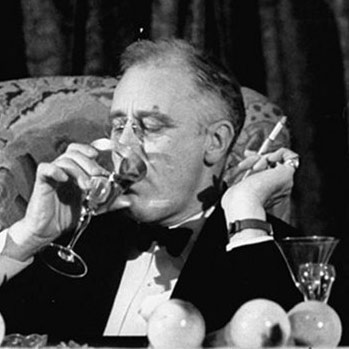
On Feb. 17, 1933, a constitutional amendment to repeal the Eighteenth Amendment to the U.S. Constitution, which had established the national prohibition of alcohol, was passed by the U.S. Senate. Known as the Blaine Act, the prime author was Wisconsin Senator John J. Blaine. By the end of 1933, the repeal of prohibition was adopted as the 21st Amendment to the Constitution.

Categories
media and media people

Should Oppressors Host the Olympics?

China is scheduled to host the Winter Olympics in 2022. Should it be allowed to? If allowed, should anybody go?

Cato scholar Ilya Somin argues, at Reason, for at least boycotting the event.

Why? To respond to the Chinese government’s “many egregious atrocities, including its detention of hundreds of thousands of Uighurs in concentration camps, brutal repression in Hong Kong, and much else.”

China is one of the worst violators of human rights in the world. So why let the Olympics serve as a “propaganda showcase” for the regime?

The ideal of an Olympic Games unencumbered by politics is untenable. You can’t keep the games free of politics when tyrant-hosts routinely exploit the event for political purposes while appeasers turn a blind eye.

A globally publicized boycott would make the work of the appeasers much harder.

Somin goes further, however. He argues that the International Olympic Committee should permanently prohibit oppressive governments from hosting the Olympics.

If this policy were enacted, there would be heated debates about whether Country Y or Country Z belong to the same ban-worthy category as China, Russia, Iran, Cuba, North Korea, and Zimbabwe.

Maybe we could use Cato’s Human Freedom Index as a guide to oppression.

How brutal is too brutal? Let’s talk, because without open argument, any decision or policy will be arbitrary and useless.

And I welcome those debates about borderline cases, just as long as the most blatantly brutal regimes can never again host the Olympics and exploit them to advance their vicious agendas.

Until then: Boycott the 2022 games in China.

This is Common Sense. I’m Paul Jacob.


PDF for printing

See all recent commentary
(simplified and organized)
See recent popular posts
Categories
Thought

Fawcett & Greenwood

In this age of communication, ignorance is no longer bliss.

Lawrence Fawcett & Barry J. Greenwood, The UFO Cover-Up: What the Government Won’t Say (1984).
Categories
Today

Silver Coinage

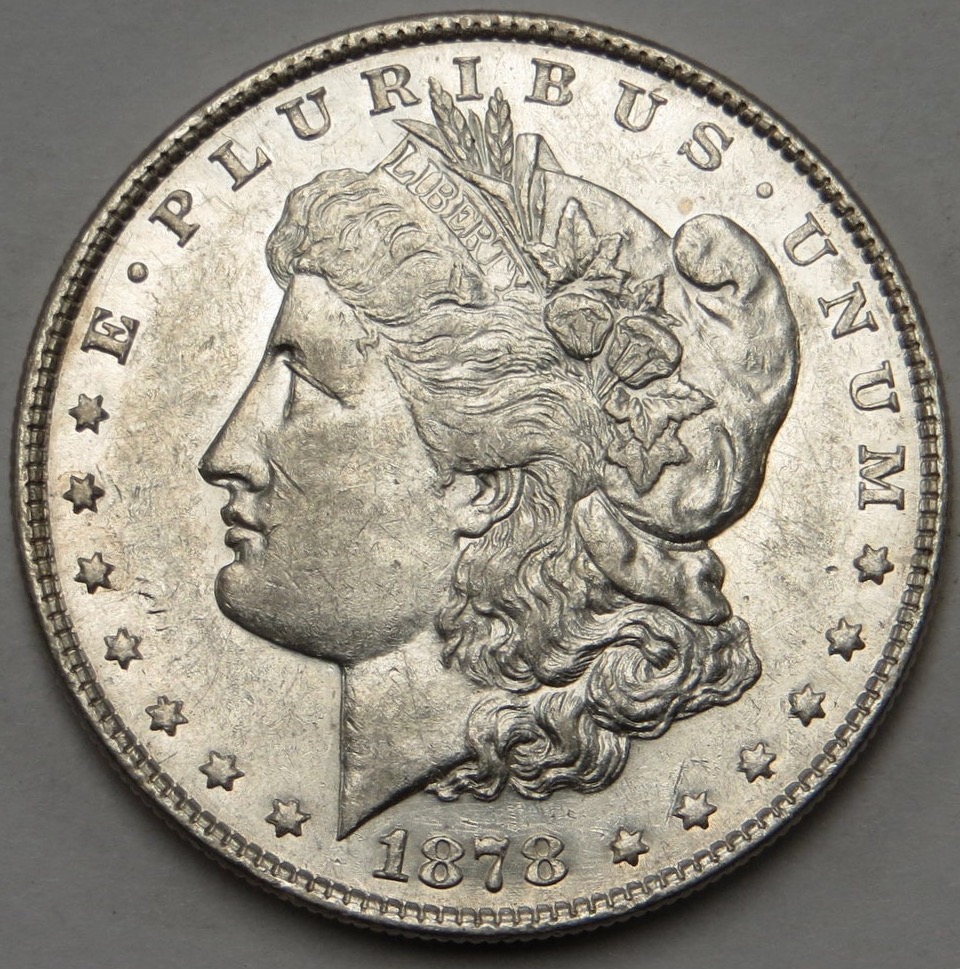
On Feb. 16, 1878, the Bland-Allison Act, which provided for a return to the minting of silver coins, became U.S. law. Today, the value of American money is secured only by public faith in the stability of the government, but during the 19th Century, money was backed by actual deposits of silver and gold.

That is, money was silver and gold. But that did not mean that all was right with the monetary system.

Five years earlier, when Congress had stopped buying silver and minting silver coins — following the lead of European nations — a financial panic ensued. Reasons for the suspension lay in the fact that the exchange value of silver and gold had retained an old, out-moded fixed ratio that favored silver producers. Had the United States Treasury let the two standards freely float, making a distinction between silver dollars and gold dollars, none of the political strife over bimetallism would have occurred.

As it was, with silver over-valued, the silver coins increasingly “drove” gold out of circulation, as well as out of the Treasury and into private hands.

In 1893, in the midst of another financial panic, this time as a result of depletion of gold reserves in the U.S. Treasury, President Grover Cleveland called a special session of Congress to repeal the bimetallic standard. He was successful, though agrarian inflationists took over the Democratic Party and offered up, for the next election, William Jennings “Cross of Gold” Bryan as a counter to Cleveland’s old-fashioned fiscal conservative/social liberalism.