Politics: a Trojan horse race.
Stanisław Jerzy Lec, in Unkempt Thoughts [Myśli nieuczesane] (1957) as translated by Jacek Galazka (1962).
Categories
Stanisław Jerzy Lec
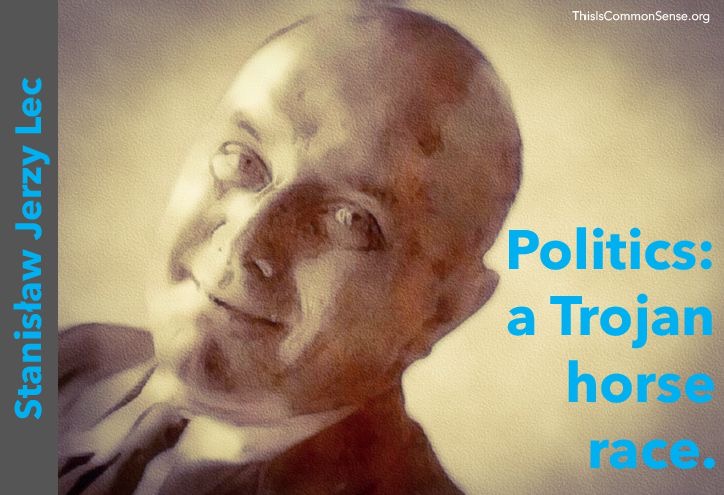
Politics: a Trojan horse race.
Stanisław Jerzy Lec, in Unkempt Thoughts [Myśli nieuczesane] (1957) as translated by Jacek Galazka (1962).
On November 23, 1644, British poet John Milton published Areopagitica, a pamphlet decrying censorship.
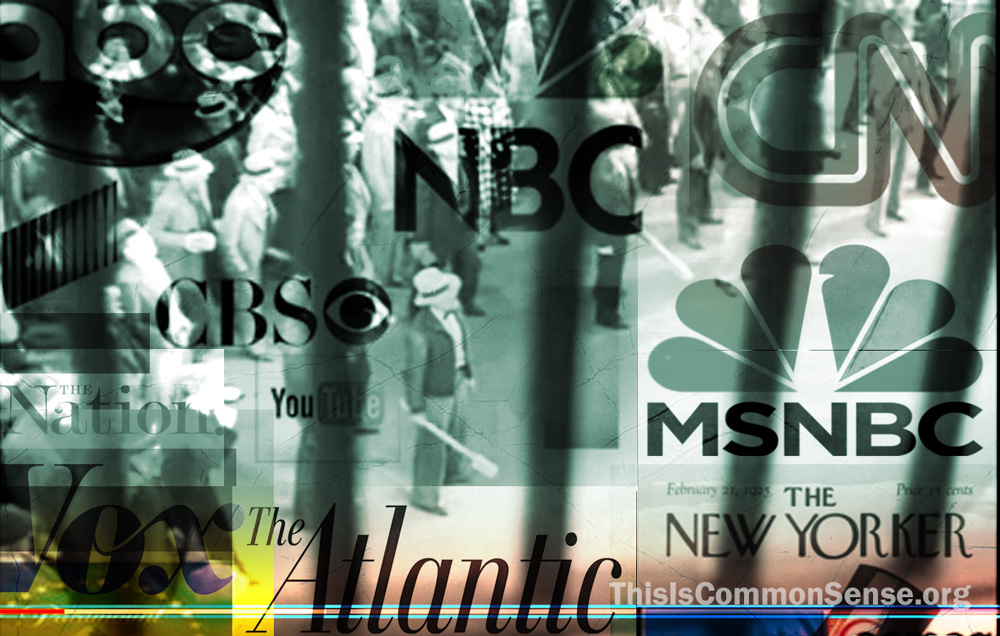
The facts in the Kyle Rittenhouse case were never the focus of the bulk of news reporting. What was? Constructing a rationale for progressive Democrats to ceaselessly wax eloquent on the strawman of their choice. Or worse.
Trapped in legend, the conclusion of the trial could only appear to them as something utterly alien and malign.
“The Rittenhouse Verdict is Only Shocking,” Matt Taibbi headlined his Substack media takedown, “if You Followed the Last Year of Terrible Reporting.”
The jury’s decision “was hardly a surprise to many of us who watched the trial rather than the media coverage,” wrote Jonathan Turley at USA Today.
“Two Americas are hearing two entirely different stories about this case,” GOP pollster Kristen Soltis Anderson noted on Meet the Press, “and neither of them is the full view that that jury got over the days and weeks of that trial.”
We were repeatedly told that young Rittenhouse “crossed state lines” (still perfectly legal*) looking for trouble (any evidence of that?) and had “no business being there.”
The truth? Kyle Rittenhouse had a constitutional right to be in Kenosha.
Notice I did not say “showed good judgement,” however, neither did Rittenhouse fit the legacy-left-media’s or Joe Biden’s “white supremacist” vigilante stereotype.
Thank goodness, the Kenosha jury got it right. The media nearly universally got it wrong — largely on purpose — as well as missing the biggest issue of all, identified concisely by former Democratic Party presidential candidate and Hawaii congresswoman Tulsi Gabbard: “This tragedy never would have happened if the government had simply carried out its responsibilities to protect the safety, lives and property of innocent people.”
Government failed to do its job, and a lynch mob press corps failed to report it.
This is Common Sense. I’m Paul Jacob.
* Sadly, even the ACLU joined the chorus harping on Rittenhouse having “traveled across state lines.” The group also rightfully ripped the Kenosha Police Department and the Kenosha County Sheriff’s Office for “an outrageous failure to protect protesters.”
See all recent commentary
(simplified and organized)
See recent popular posts
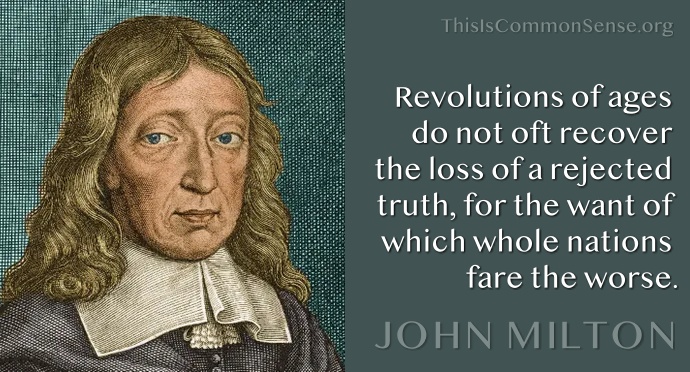
Revolutions of ages do not oft recover the loss of a rejected truth, for the want of which whole nations fare the worse.
John Milton, Areopagitica; A speech of Mr. John Milton for the Liberty of Unlicenc’d Printing, to the Parlament of England (1644).
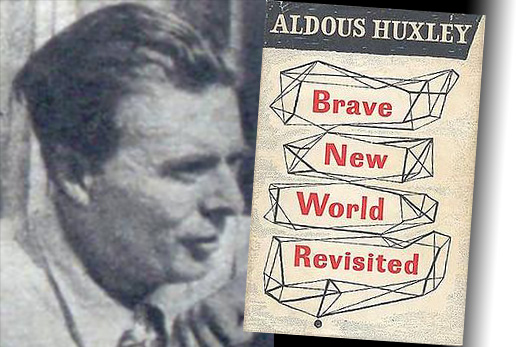
November 22 marks the death dates of a number of eminent writers, including that of English-American novelist and essayist Aldous Huxley and Irish-English novelist, theologian and medieval scholar C.S. Lewis, both of whom died in 1963, the same day as the assassination of American President John F. Kennedy. British novelist Anthony Burgess died exactly 30 years later.
The date also marks the birth of the great British novelist George Eliot (Mary Ann Evans), in 1819.
Recommended reading from these authors include:

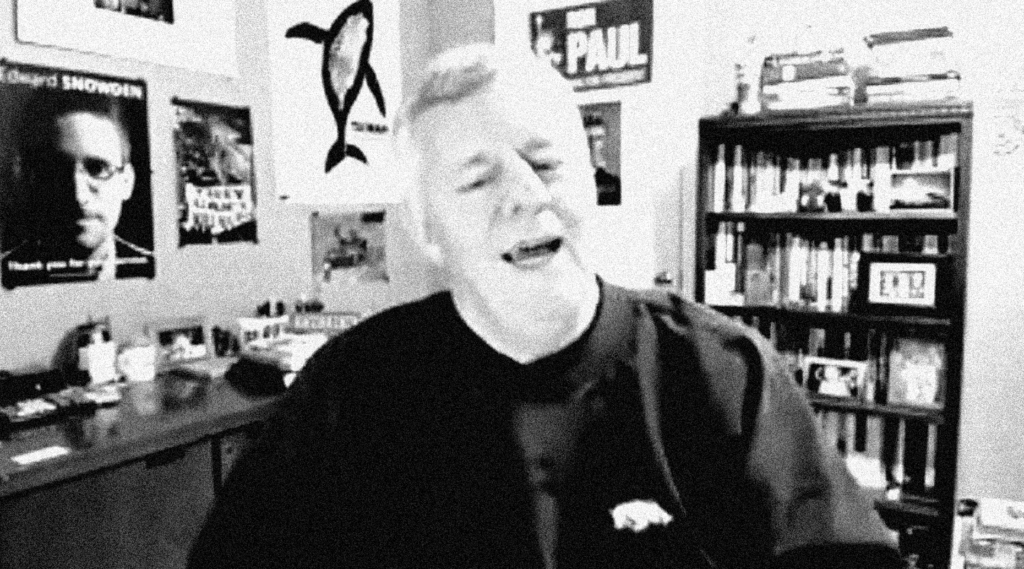
Paul Jacob sees some good developments this past week, starting with the Rittenhouse verdict:
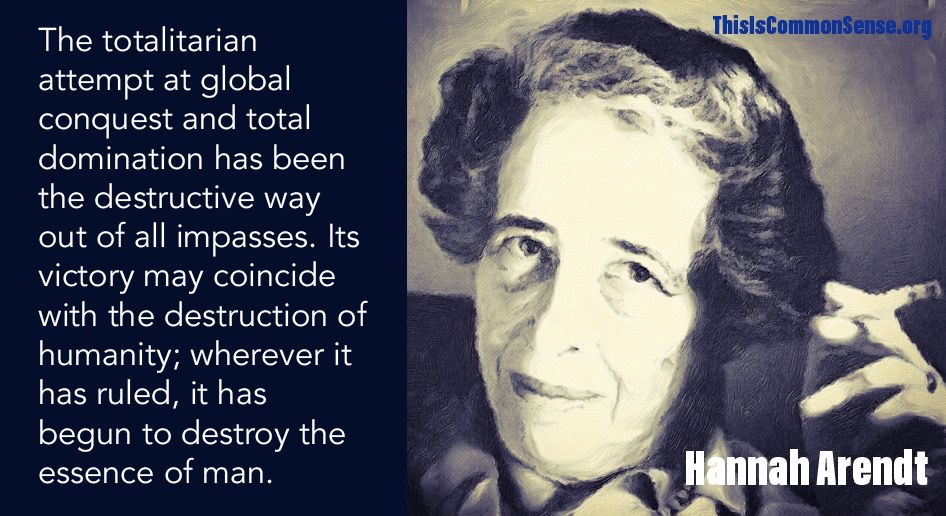
The totalitarian attempt at global conquest and total domination has been the destructive way out of all impasses. Its victory may coincide with the destruction of humanity; wherever it has ruled, it has begun to destroy the essence of man.
Hannah Arendt, The Origins of Totalitarianism (1948), as quoted in “Totalitarianism and the Five Stages of Dehumanization,” by Christiaan W.J.M. Alting von Geusau, Brownstone Institute (November 17, 2021).
On November 21, 1620, Plymouth Colony settlers signed the Mayflower Compact.
On this day in 1922, Rebecca Latimer Felton of Georgia took the oath of office, becoming the first female United States Senator.
November 21st birthdays include:
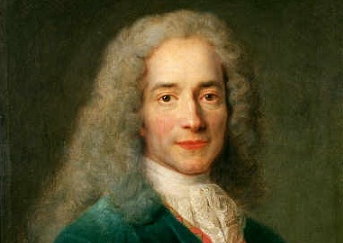
1694 – Voltaire, French philosopher (d. 1778) — portrait above.
1729 – Josiah Bartlett, American signer of the Declaration of Independence (d. 1795).
1870 – Alexander Berkman, anarchist (d. 1936), who shot but did not kill industrialist Henry Clay Frick.

Paul Jacob covers the two biggest stories of the week — and more! — on this weekend review of the news.

All of our separate fictions add up to joint reality.
Stanisław Jerzy Lec, in Unkempt Thoughts [Myśli nieuczesane] (1957) as translated by Jacek Galazka (1962).