Categories
Today

John & José

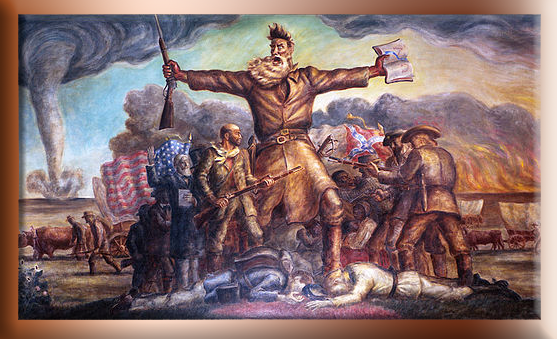
On May 9, 1800, abolitionist hero and revolutionary (and, depending upon your point of view and certain definitions, insurrectionist, perhaps even terrorist) John Brown was born.

In 1883 on this date, Spanish philosopher José Ortega y Gasset was born. He is most famous for his book The Revolt of the Masses.

Categories
by Paul Jacob video

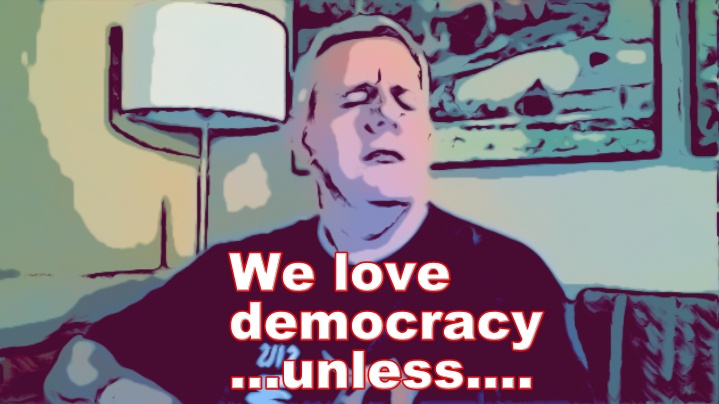
Watch: We Love Democracy… Unless….

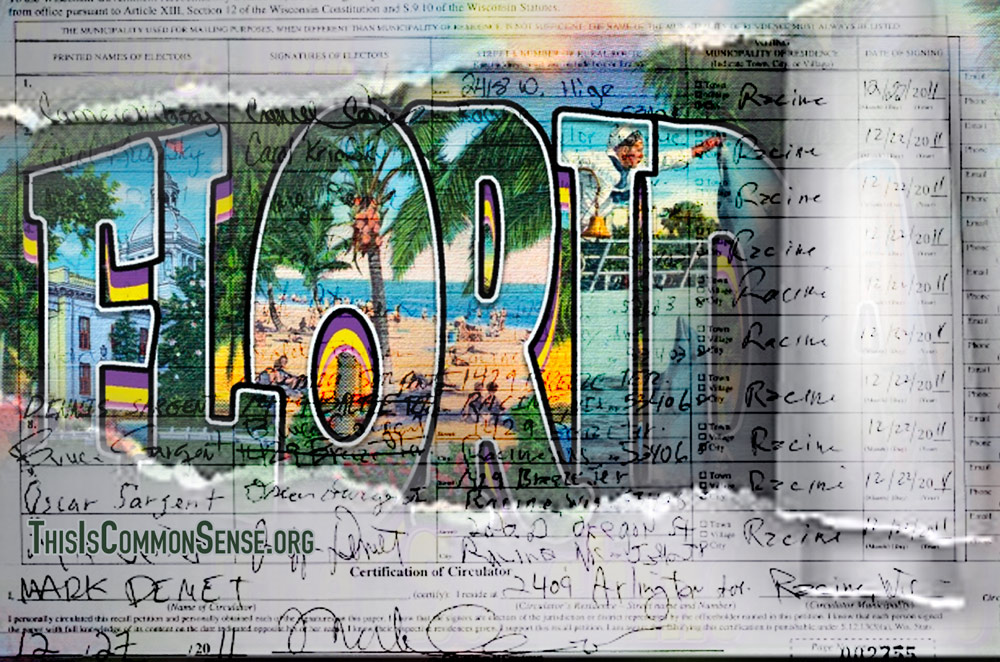
Finding the lead lining of a silver story from Florida — and other adventures.

Categories
Thought

Maurice Merleau-Ponty

Machiavelli is the complete contrary of a machiavellian, since he describes the tricks of power and “gives the whole show away.” The seducer and the politician, who live in the dialectic and have a feeling and instinct for it, try their best to keep it hidden.

Maurice Merleau-Ponty, Éloge de la philosophie (1953; In Praise of Philosophy, 1963), p. 59.
Categories
Today

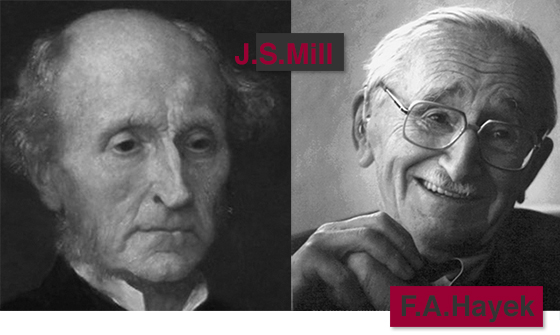
Mill & Hayek . . . & bang!

On May 8, 1899, Austrian-English economist and philosopher Friedrich August von Hayek was born. He signed the bulk of his books written in the English language as “F.A. Hayek,” and is best known for The Road to Serfdom, The Constitution of Liberty, The Fatal Conceit, and many essays, several of them widely cited, including “Individualism, True and False” and “The Use of Knowledge in Society.”

Years earlier, on the same date in 1873, English philosopher and economist John Stuart Mill died. Now best known for On Liberty (1859) and Utilitarianism (1861), he was and is considered one of the most important economists and philosophers of the Victorian age, with other classics including A System of Logic (1843) and Principles of Political Economy (1848). Mill’s letters to his wife were edited into book form by Hayek.


On May 8, 1946, two Estonian school girls (Aili Jõgi and Ageeda Paavel) blew up the Soviet memorial which stood in front of the Bronze Soldier in Tallinn.

Categories
audio podcast

Listen: Sure, Sure — We All Love Democracy…

There has been good news this week. But don’t flinch from looking at the bad news, too!

Categories
Today

Belated Amendment

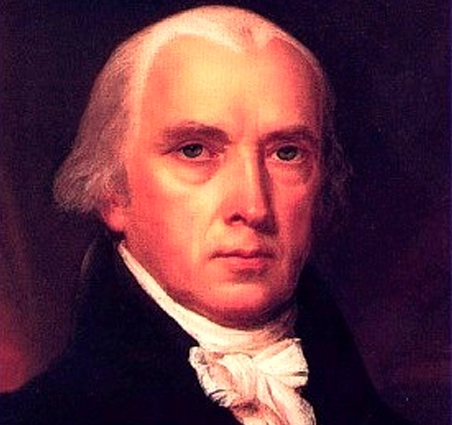
On May 7, 1992, the State of Michigan ratified a 203-year-old proposed amendment to the United States Constitution, thereby fulfilling the terms of amending the document, adding it as 27th Amendment. The amendment had been written by James Madison. He had presented it as part of the original twelve amendments that became the ten making up the Bill of Rights. It bars the U.S. Congress from giving itself a pay raise until after the next election, so that voters have a chance to decide whether those voting for the raise would remain in Congress to receive it.

Categories
Thought

Aristotle

The truly good and wise man will bear all kinds of fortune in a seemly way, and will always act in the noblest manner that the circumstances allow.

Aristotle, Nicomachean Ethics, Book I.
Categories
initiative, referendum, and recall

Good News . . . For Now

For now.

One must always add that proviso — at least with respect to constitutional provisions like term limits and citizen initiative rights, which limit the power of lawmakers and expand that of citizens. For these, incumbents’ hostility never ends.

But for now? The news is good. 

The Florida House of Representatives website reports that HJR 1127 “Died on Second Reading Calendar” in mid-March. The same fate is reported for the companion senate bill.

The measure would have amended the constitution to limit citizen-initiated amendments “to matters relating to procedural subjects or to structure of government or of State Constitution.”

Citizen initiatives would have been prohibited from dealing with policy matters, including legislatively enacted (or citizen-enacted) policy that voters seek to reverse.*

During the battle over the measure, Kara Gross of the ACLU observed that some lawmakers “continue to find new ways to make the already-stringent citizen initiative process even more challenging.”

One legislator who challenged the Republican-sponsored measure was Democratic Representative Andrew Learned.

“Is it really best that the legislature make decisions and not the citizens of Florida on the ballot?” he asked. “If the people of Florida at the ballot aren’t a check on the legislature, I don’t know what is.”

No matter how unpopular such a bill might be with mere constituents, many lawmakers would have had no problem imposing it. As a constitutional amendment, though, such a change must be approved by voters. 

And that proved a bridge too far.

This is Common Sense. I’m Paul Jacob.


 * Florida politicians cry crocodile tears over citizen initiatives amending the constitution instead of merely changing a statute. Those same legislators refuse to establish a path for citizens to petition statutory changes onto the ballot.

PDF for printing

See all recent commentary
(simplified and organized)
See recent popular posts
Categories
Today

Good Sailing

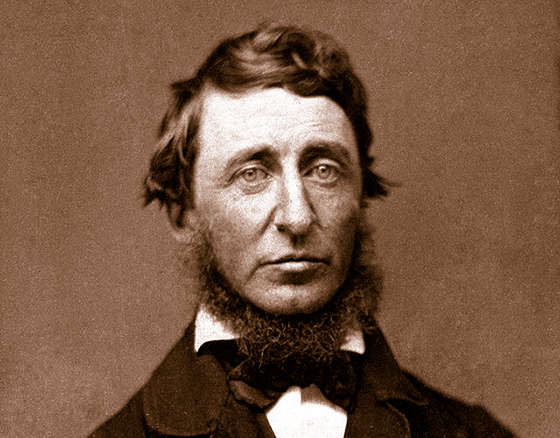
On May 6, 1862, American author, philosopher and abolitionist Henry David Thoreau died, after many years of tuberculosis. 

Aware he was dying, Thoreau’s last words were “Now comes good sailing,” followed by two lone words, “moose” and “Indian.” Bronson Alcott planned the service and read selections from Thoreau’s works, and Ralph Waldo Emerson wrote the eulogy spoken at his funeral. 

His remains, as well as those of members of his immediate family, were eventually moved to Sleepy Hollow Cemetery in Concord, Massachusetts.

His most famous works are An Essay on Civil Disobedience (1849) and Walden (1854).

Categories
Thought

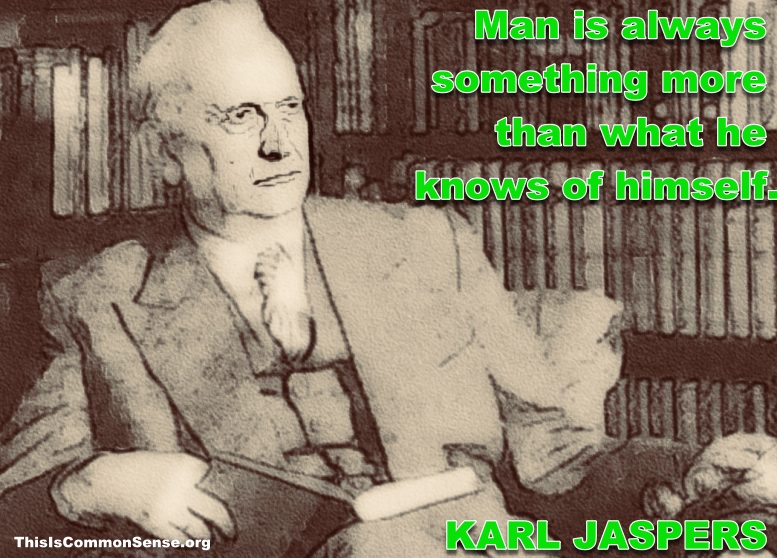
Karl Jaspers

Man is always something more than what he knows of himself. He is not what he is simply once and for all, but is a process…