On August 9, 1942, British forces arrested Mahatma Gandhi in Bombay, spurring the Quit India Movement into nationwide action.
In 1999, Russian President Boris Yeltsin fired his Prime Minister, Sergei Stepashin, and his entire cabinet.
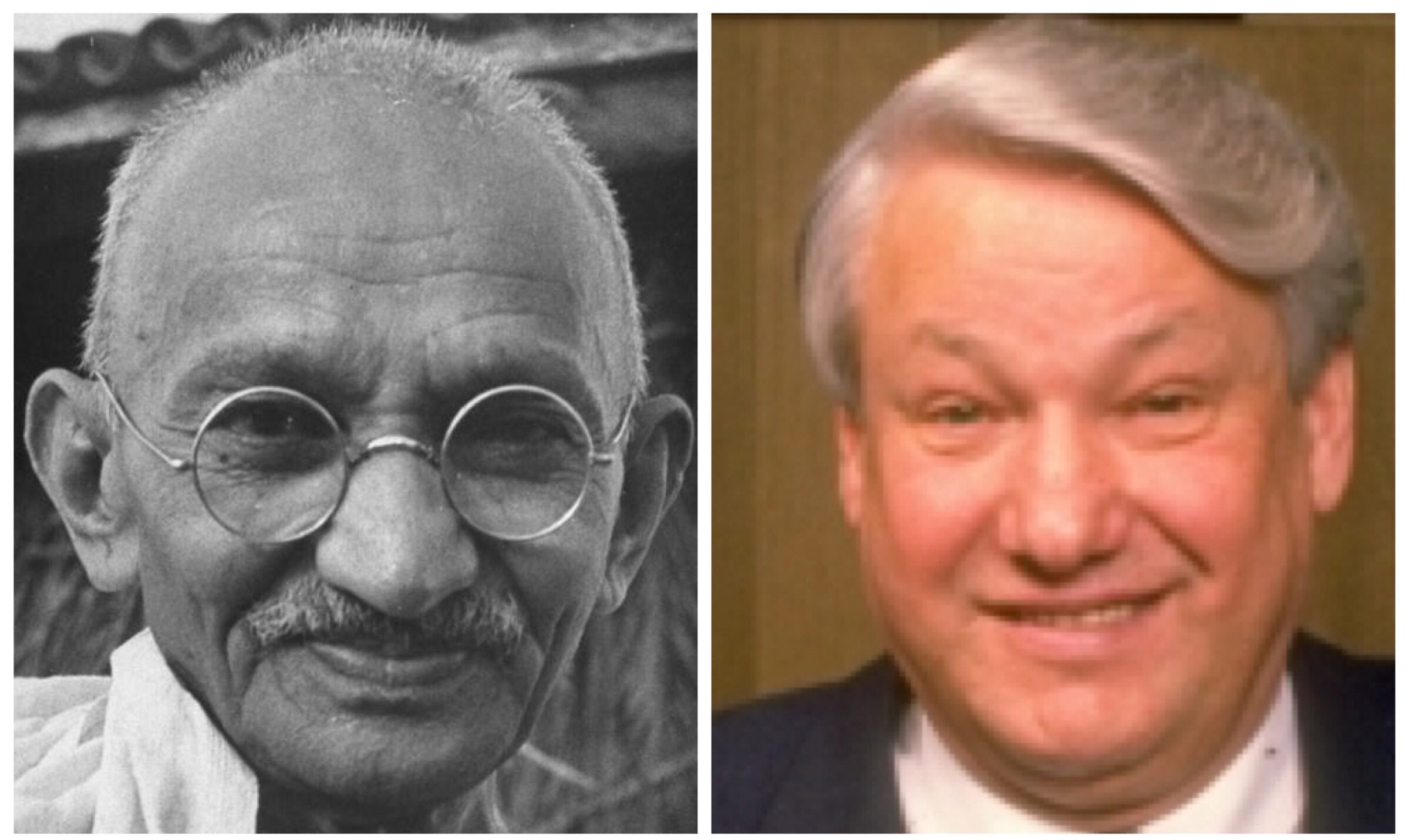
On August 9, 1942, British forces arrested Mahatma Gandhi in Bombay, spurring the Quit India Movement into nationwide action.
In 1999, Russian President Boris Yeltsin fired his Prime Minister, Sergei Stepashin, and his entire cabinet.
Suddenly, her million words were no longer hers.
That should be a lesson to us all about cloud storage (keep local, off-line back-ups of precious data!), but it’s especially a lesson about China.
While other governments and companies have already begun to emulate China’s censorship of social media and social credit scores, China’s remains at the cutting edge. Chinese writers are losing access to their work because a cloud-based software, WPS, is censoring at the behest of the Chinazi government.
The first to report the development was the novelist with the pen name of Mitu, mentioned above. Writers are being locked out of their manuscripts because the technology has spied illegal content.
Technology Review observes that the ensuing controversy has “highlighted the tension between Chinese users’ increasing awareness of privacy and tech companies’ obligation to censor on behalf of the government.”
An odd way of putting it. But yes, there’s often tension between persons who want to be free to act and others eager to repress.
Could it happen here?
We’re past the point of regarding any form of Big Tech-enabled censorship on behalf of the American state as unthinkably beyond the pale. When they’re routinely gagging scientists for discussing research inconsistent with government-approved doctrines about COVID-19, that’s a strong clue about how far they’re willing to go.
This is Common Sense. I’m Paul Jacob.
See all recent commentary
(simplified and organized)
See recent popular posts
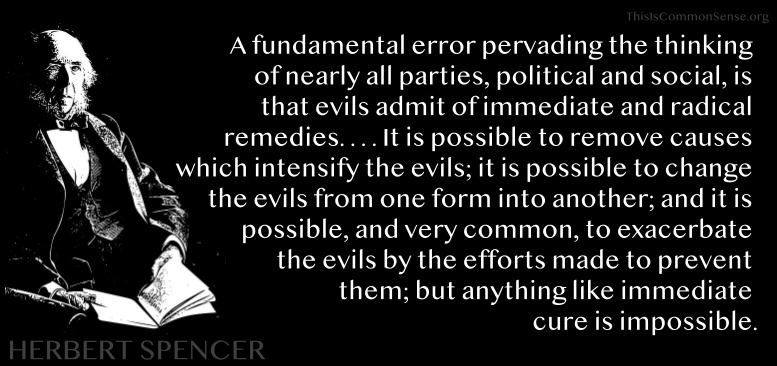
A fundamental error pervading the thinking of nearly all parties, political and social, is that evils admit of immediate and radical remedies. “If you will but do this, the mischief will be prevented.” “Adopt my plan and the suffering will disappear.” “The corruption will unquestionably be cured by enforcing this measure.” Everywhere one meets with beliefs, expressed or implied, of these kinds. They are all ill-founded. It is possible to remove causes which intensify the evils; it is possible to change the evils from one form into another; and it is possible, and very common, to exacerbate the evils by the efforts made to prevent them; but anything like immediate cure is impossible.
Herbert Spencer, “From Freedom to Bondage,” Essays: Scientific, Political & Speculative (1891), and in Thomas Mackay, editor, A Plea for Liberty (1891).
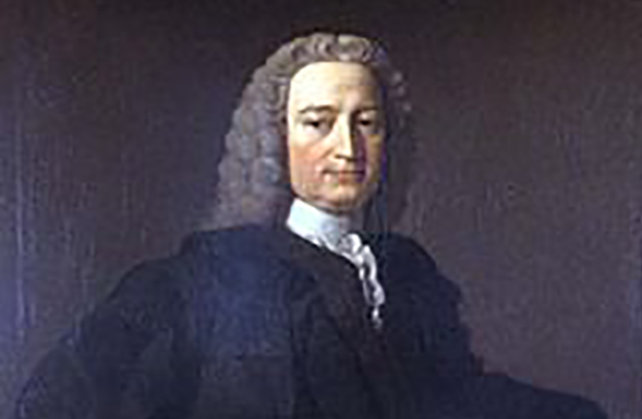
Francis Hutcheson, philosopher of the Scottish Enlightenment and a great influence on David Hume and Adam Smith, was born in Ireland on August 8, 1694. He died on his birthday in 1746.
Followers of Mahatma Gandhi launched the Quit India Movement against the British rule on August 8, 1942.
On the same day in 1974, President Richard M. Nixon resigned.
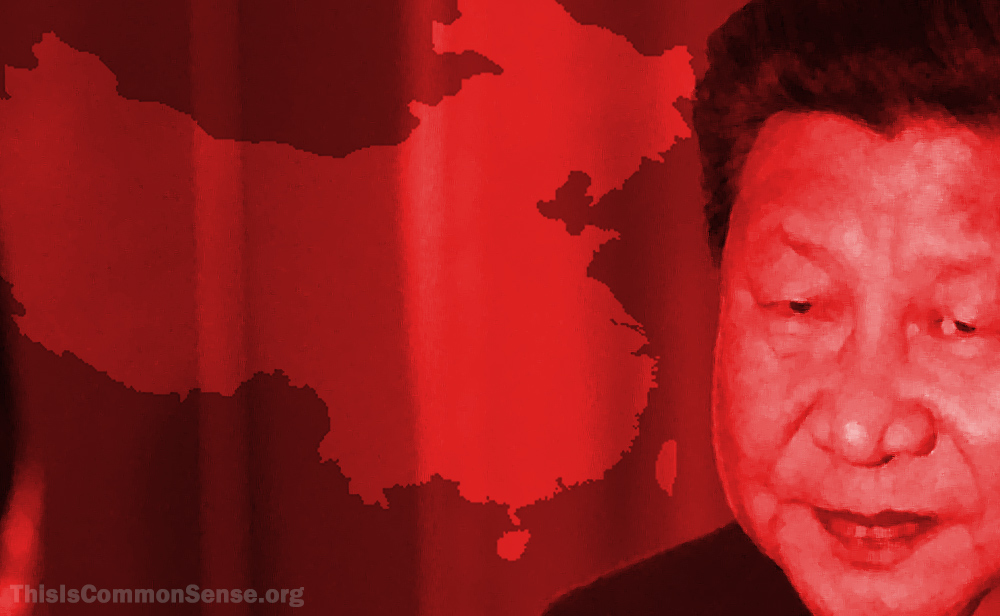
Paul Jacob looks at the world under threat of totalitarianism, while America “fights its own shadow”:
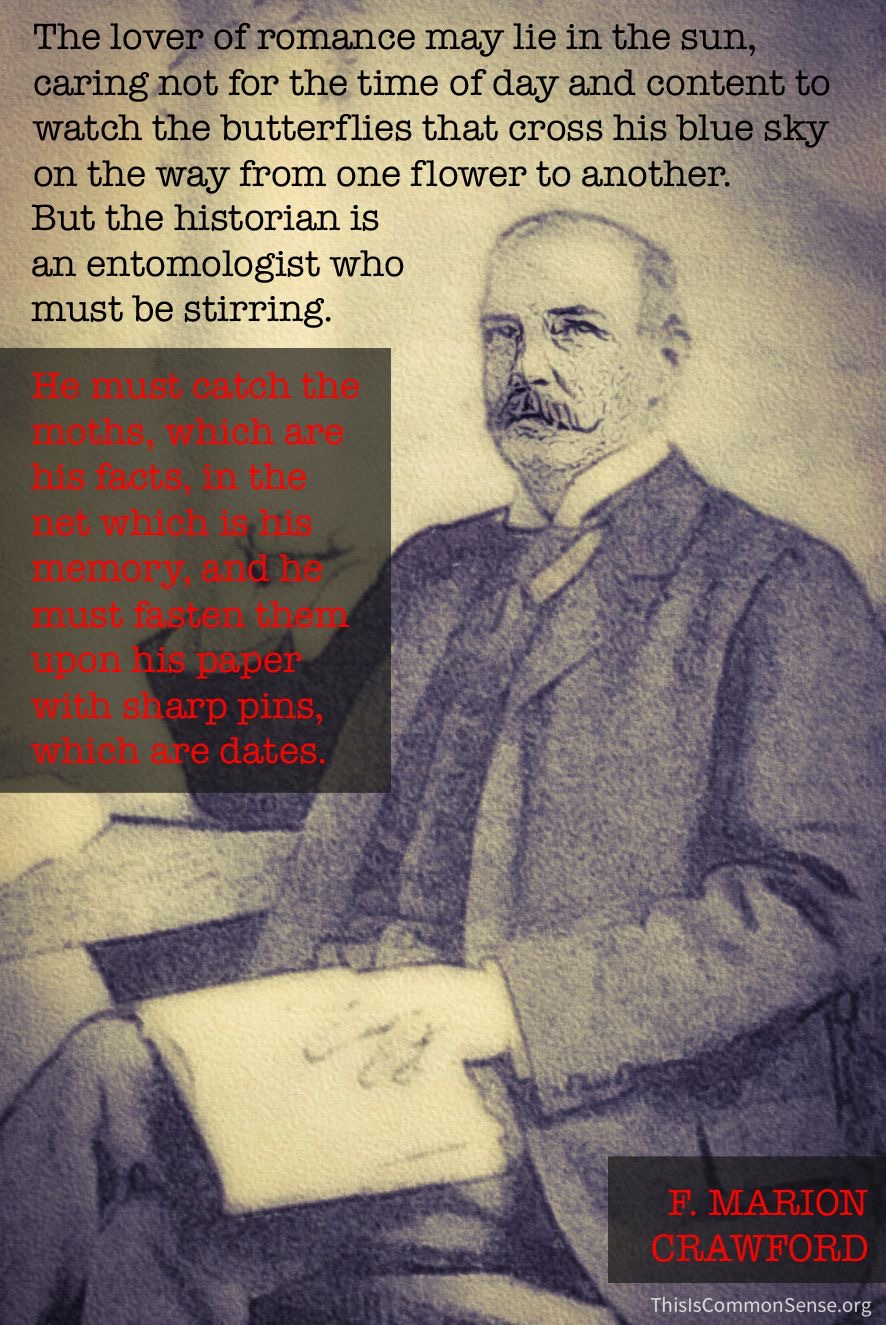
The lover of romance may lie in the sun, caring not for the time of day and content to watch the butterflies that cross his blue sky on the way from one flower to another. But the historian is an entomologist who must be stirring. He must catch the moths, which are his facts, in the net which is his memory, and he must fasten them upon his paper with sharp pins, which are dates.
Francis Marion Crawford, Don Orsino (1891).
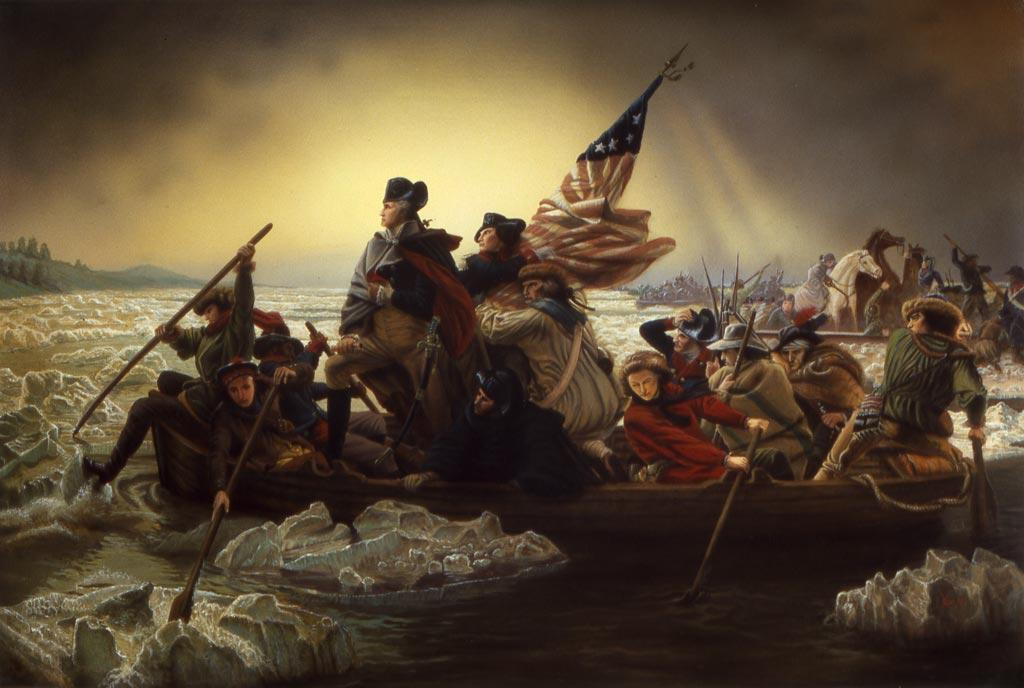
On August 7, 1782, George Washington instituted the Badge of Military Merit to honor soldiers wounded in battle, an award later renamed “the Purple Heart.”
Illustration: “Washington Crossing the Delaware,” Emanuel Leutze, 1851, Oil on canvas (Metropolitan Museum of Art, New York City), depicting an event in 1776, not 1782.
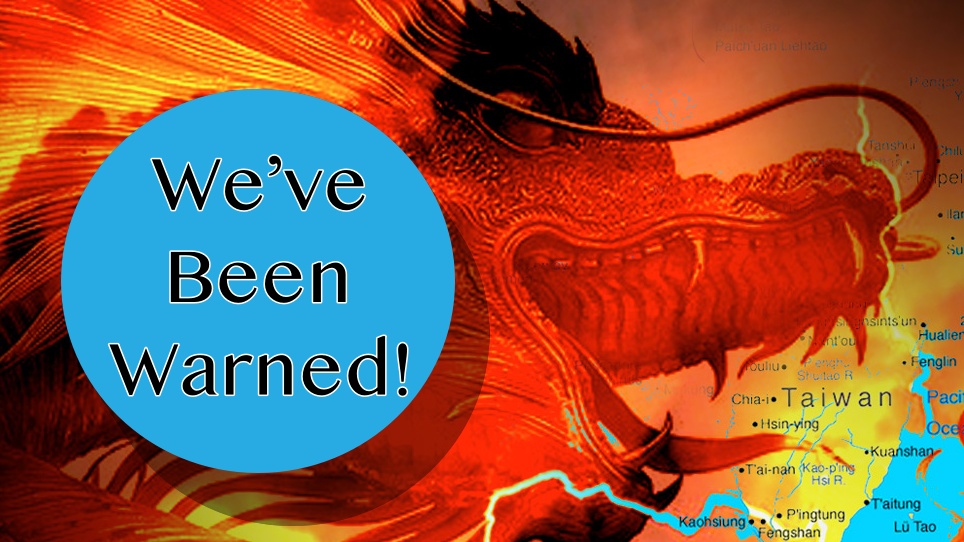
Paul Jacob on the west in general and Americans in particular needing to get their act together — and not just to face the Chinazi threat.
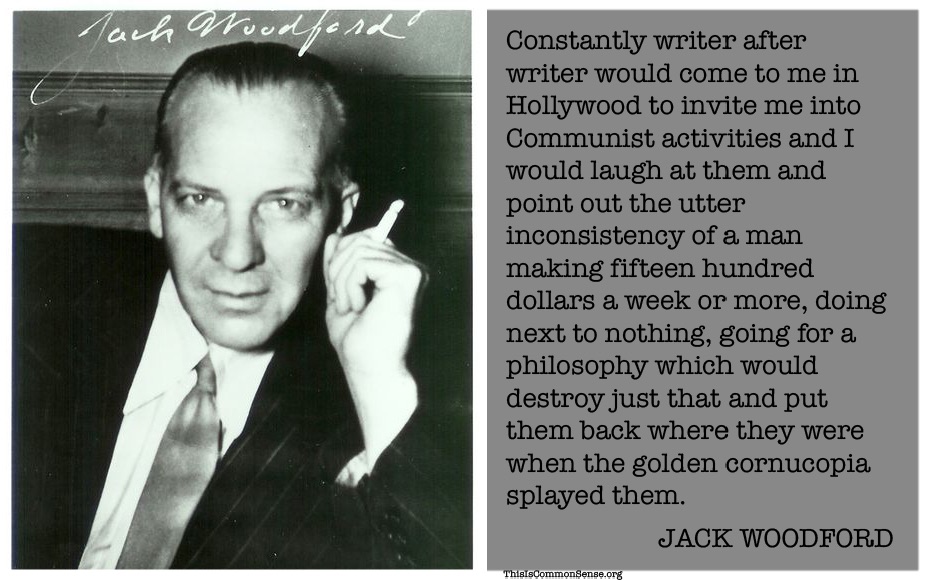
Constantly writer after writer would come to me in Hollywood to invite me into Communist activities and I would laugh at them and point out the utter inconsistency of a man making fifteen hundred dollars a week or more, doing next to nothing, going for a philosophy which would destroy just that and put them back where they were when the golden cornucopia splayed them.
Jack Woodford (1894–1971) was a successful American pulp novelist and non-fiction writer of the 1930s and 1940s. He had a brief stint in Hollywood, and wrote about his literary adventures in his 1962 autobiography.

On August 6, 1962, Jamaica became independent of Great Britain.
In 1991, on this date, Tim Berners-Lee released files describing his idea for the World Wide Web, and put up the first website, running on a NeXT computer at CERN, in France.