amnesty, n.
The state’s magnanimity to those offenders whom it would be too expensive to punish.
Ambrose Bierce, The Devil’s Dictionary (1911).
Categories
Ambrose Bierce
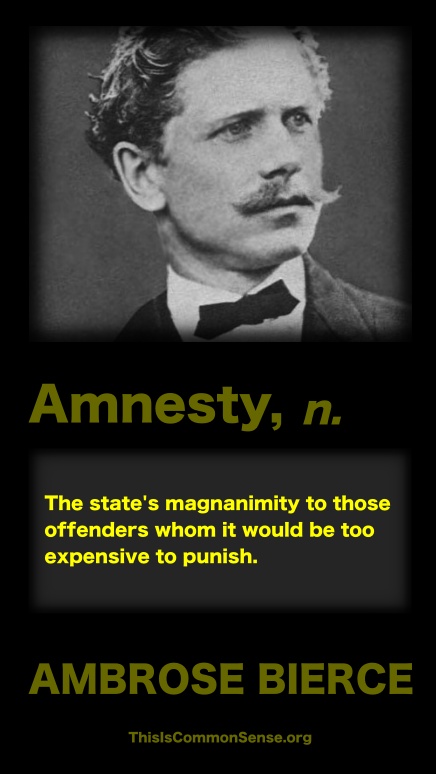
amnesty, n.
The state’s magnanimity to those offenders whom it would be too expensive to punish.
Ambrose Bierce, The Devil’s Dictionary (1911).
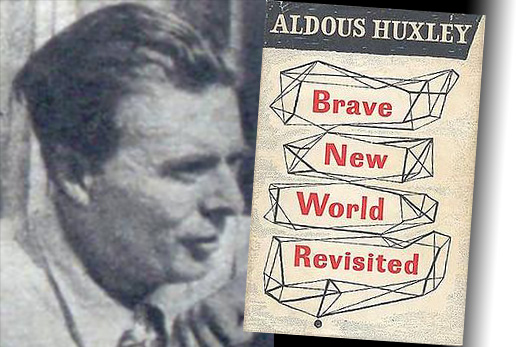
November 22 marks the death dates of a number of eminent writers, including that of English-American novelist and essayist Aldous Huxley and Irish-English novelist, theologian and medieval scholar C.S. Lewis, both of whom died in 1963, the same day as the assassination of American President John F. Kennedy. British novelist Anthony Burgess died exactly 30 years later.
The date also marks the birth of the great British novelist George Eliot (Mary Ann Evans), in 1819.
Recommended reading from these authors include:
Last month, a federal judge issued a temporary stay on the program while the litigation plays out.
On November 10, another federal judge, Mark Pittman, ruled that the program is a “complete usurpation” of congressional authority. Per Pittman, the U.S. is “not ruled by an all-powerful executive [but] by a Constitution that provides for three distinct and independent branches of government.”
In consequence, the Biden administration stopped accepting applications for student-loan debt relief. By then more some 26 million borrowers had applied.
On November 14, another federal court also blocked the program. So Biden’s debt-transfer plan is apparently at least thrice bogged down.
Except that another student-loan-debt-erasing thing has been going on since early in the pandemic, a pause on debt payments rationalized by the economic hardship imposed by lockdowns.
This pause was set to lapse at the end of this year, with payments to resume in January. But according to a White House insider “familiar with the matter,” the administration has been making “increasingly firm plans to extend the repayment pause.”
The pause also costs taxpayers money. The original rationale for it no longer exists. Like the mega-debt-relief program, extending the pause would also be unconstitutional.
This subsidy is also unlikely to inspire kindness from the courts.
This is Common Sense. I’m Paul Jacob.
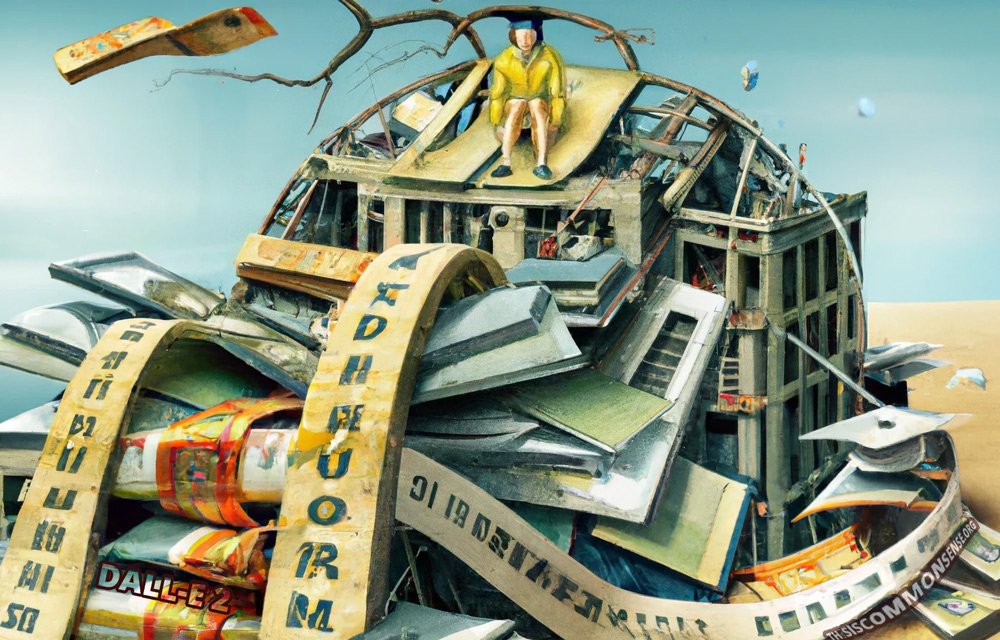
Illustration created with DALL-E 2
See all recent commentary
(simplified and organized)
See recent popular posts
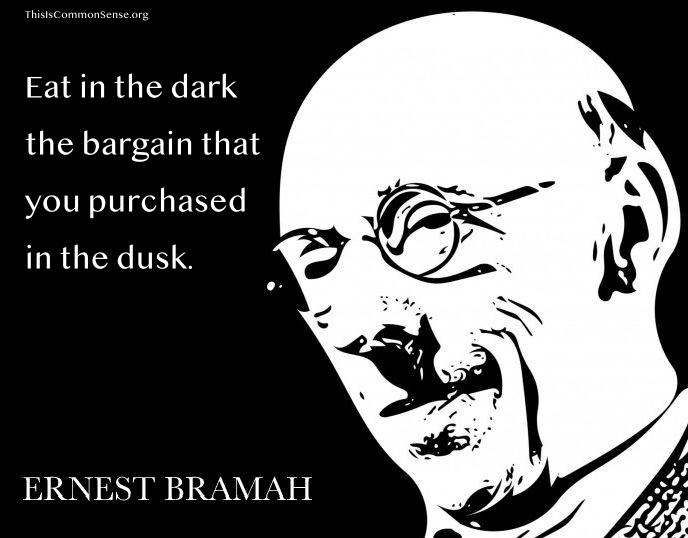
Eat in the dark the bargain that you purchased in the dusk.
Ernest Bramah, from “The Story of Kin Wen and the Miraculous Tusk” in Kai Lung Unrolls His Mat (1928).
On November 21, 1620, Plymouth Colony settlers signed the Mayflower Compact.
On this day in 1922, Rebecca Latimer Felton of Georgia took the oath of office, becoming the first female United States Senator.
November 21st birthdays include:
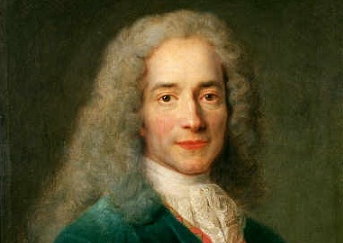
1694 – Voltaire, French philosopher (d. 1778) — portrait above.
1729 – Josiah Bartlett, American signer of the Declaration of Independence (d. 1795).
1870 – Alexander Berkman, anarchist (d. 1936), who shot but did not kill industrialist Henry Clay Frick.

This Week in Common Sense starts with the rear end of a Coke can and ends with UFOs and Trump:

cynic, n.
A blackguard whose faulty vision sees things as they are, not as they ought to be. Hence the custom among the Scythians of plucking out a cynic’s eyes to improve his vision.
Ambrose Bierce, The Devil’s Dictionary (1911).
On November 20, 1789, New Jersey became the first U.S. state to ratify the Bill of Rights.
In 1805 on this date, Ludwig van Beethoven’s only opera, Leonore, oder Der Triumph der ehelichen Liebe (in English, Leonore, or The Triumph of Marital Love, later renamed Fidelio), premiered in Vienna. Beethoven wrote four overtures for the opera, all part of the orchestra’s concert repertoire. The opera tells the tale of the rescue from unjust imprisonment of Florestan by his wife Leonore, who disguises herself as a boy, Fidelio.
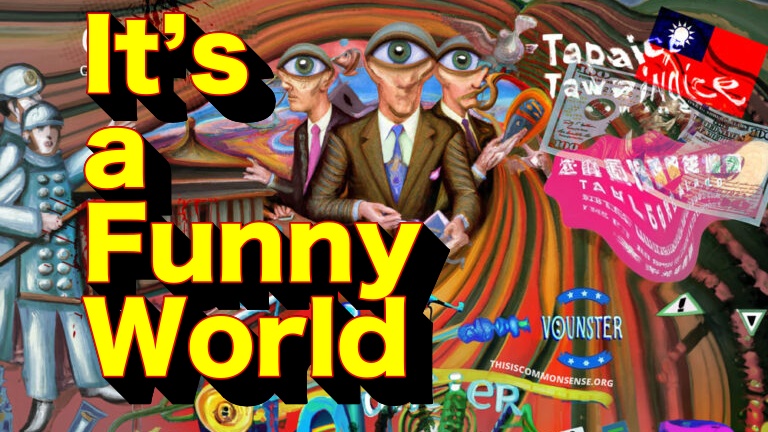
Everybody says that but only a few of us laugh.
Paul and Timo talk up never-ending election counts, FTX, and UFOs, and the strangest thing of all: presidential politics, complete with Trump and Biden, hardest to explain of all.
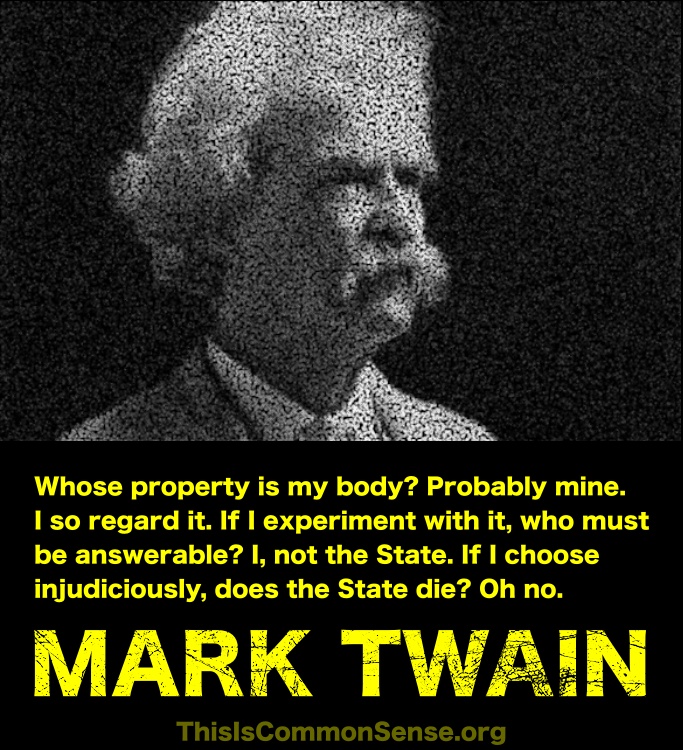
Whose property is my body? Probably mine. I so regard it. If I experiment with it, who must be answerable? I, not the State. If I choose injudiciously, does the State die? Oh no.