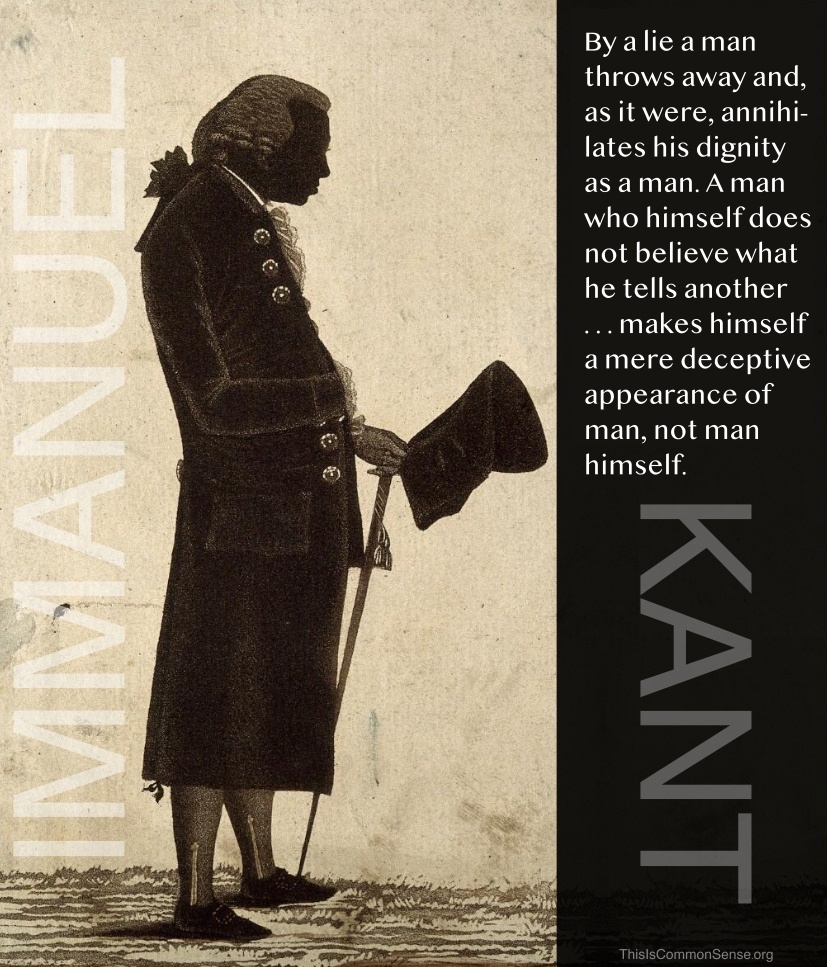
By a lie a man throws away and, as it were, annihilates his dignity as a man. A man who himself does not believe what he tells another . . . has even less worth than if he were a mere thing. . . . makes himself a mere deceptive appearance of man, not man himself.
Immanuel Kant, Doctrine of Virtue as translated by Mary J. Gregor (1964), p. 93.
March 15 was “the Ides of March” in the Roman calendar. On that date in 44 BC, Julius Caesar, Dictator of the Roman Republic, was stabbed to death by a handful of prominent senators.
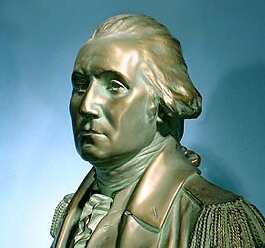
On the same date in 1783, General George Washington eloquently entreated his officers not to support the Newburgh Conspiracy. His plea was successful: the threatened coup d’état never took place.
Is it still capitalism if the capital is guaranteed?
“The U.S. government will guarantee all customer funds in Silicon Valley Bank (SVB) after a series of bad decisions and a run on deposits led to the bank’s collapse,” explains Elizabeth Nolan Brown in Reason.
Technically, the bank isn’t being bailed out. Its customers are. And that’s a lot more popular than bailing out banks directly. There are more bank customers who vote than bankers who vote — though there is probably more political donations from banks directly seeking banking policy “correctives” than bank customers doing the same. That’s almost apodictically true.
The most bizarre element? While the FDIC, the federal agency that insures depositors of this and similar banks, is designed to guarantee depositors’ capital up to a certain limited amount ($250,000, more or less), the regulatory triumvirate of Treasury Secretary Janet Yellen, Federal Reserve Board Chair Jerome Powell, and FDIC Chair Martin Gruenberg declare that “all depositors of this institution will be made whole.”
All.
Even the super-rich.
The key concept, here, is moral hazard — “The decision creates bad incentives for financial institutions and their customers” is how Ms. Brown puts it. We’ve been through all of this before. Is there really any question? The answers are in.
So, to the opening, Is it still capitalism if the capital is guaranteed? — if even Prince Harry’s fortune will be guaranteed — the answer is No.
Sorta.
It’s a special kind of capitalism. State-dominated capitalism; Neo-mercantilism; f***-ism. Use whichever term.
As we contemplate a profit-and-loss system without loss, and how the losses will be made up within the financial system, just remember that the federal government playing the role of Savior is not itself costless, and . . . its debt keeps growing. And the Ultimate Result of all this still looms.
We must picture hell as a state where everyone is perpetually concerned about his own dignity and advancement, where everyone has a grievance, and where everyone lives with the deadly serious passions of envy, self-importance, and resentment.
Clive Staples Lewis, The Screwtape Letters (1942).
On March 14, 1900, the Gold Standard Act was ratified, ending the long practice of bimetallism by placing the United States Treasury — and banking and currency — on the gold standard.
With major financial institutions going belly up lately, now may not seem the best time to start a new bank.
But economic conditions are always dicey.
In any case, much depends on whether the partners in such a venture follow sensible policies or treat depositors’ funds as gambling chips to be flung about in accordance with wishes, prayers, and prejudices.
Singer John Rich, doctor and politician Ben Carson, and pundit Larry Elder are teaming up to run Old Glory Bank. They’ve got at least one thing right. They see a market for “digital-first banking solutions” that is expressly anti-cancel-culture.
The three purchased an existing bank, First State Bank of Elmore City, Oklahoma, and are giving it a new name and modified mission.
According to Elder, Old Glory Bank, currently accepting account reservations, will be guided by principles of “liberty, privacy, security, community, family, and faith.” It’ll eschew what Rich calls “the political weaponization of the financial system.”
This sentiment contrasts with the animus animating outfits like PayPal, which cancels customers for having PayPal-disapproved views or political goals. (A pro-democracy group in Hong Kong is one victim of this policy.)
Some standard banks, too, have begun spurning customers involved in certain legal but politically controversial industries, like the firearms industry.
According to a press release issued late last year, Old Glory Bank “will never cancel law-abiding customers for their beliefs or for exercising their lawful rights of free speech.”
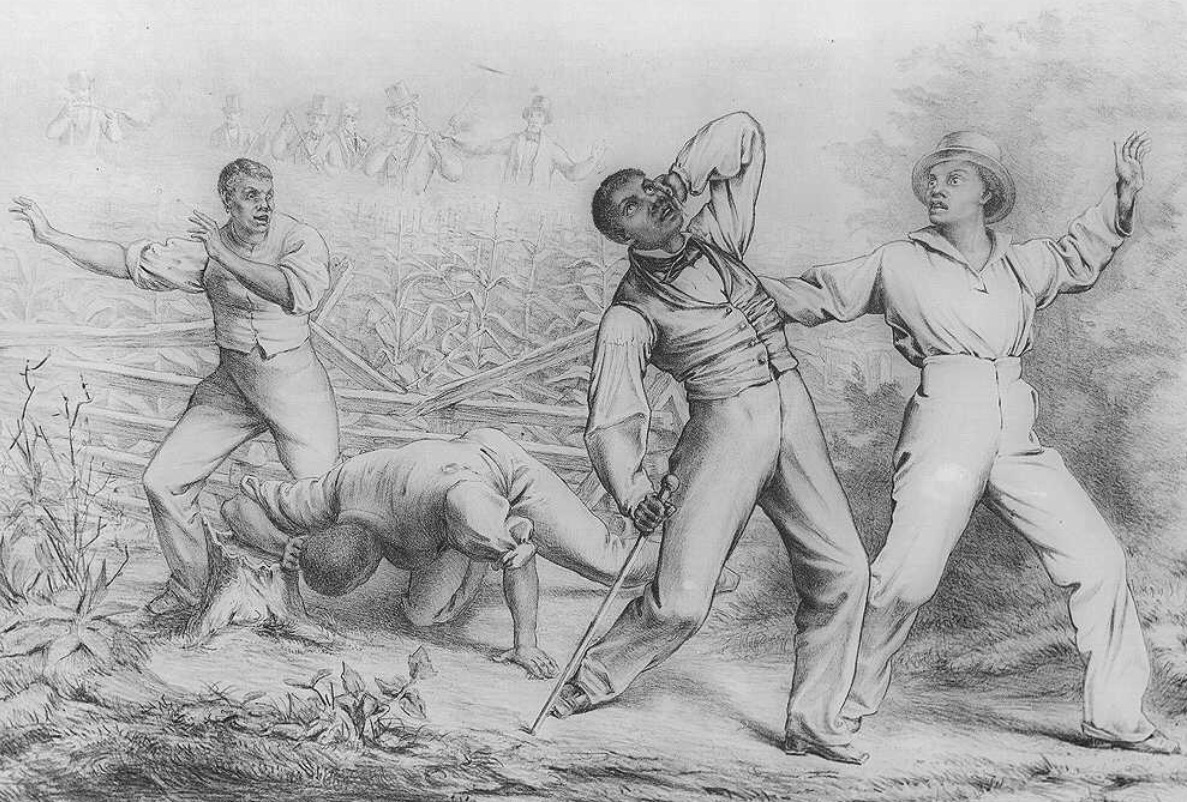
On March 13, 1862, the U.S. federal government forbade all Union army officers from returning fugitive slaves, thus effectively annulling the Fugitive Slave Act of 1850 and setting the stage for the Emancipation Proclamation.