On August 14, 1765, Sam Adams led the first rebel mob against enforcers of the Stamp Act in Britain’s American colonies.
On this day in 1980, Lech Wałęsa led strikes at the Gdańsk, Poland, shipyards.
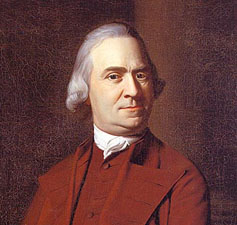
On August 14, 1765, Sam Adams led the first rebel mob against enforcers of the Stamp Act in Britain’s American colonies.
On this day in 1980, Lech Wałęsa led strikes at the Gdańsk, Poland, shipyards.

We live in fascinating times.
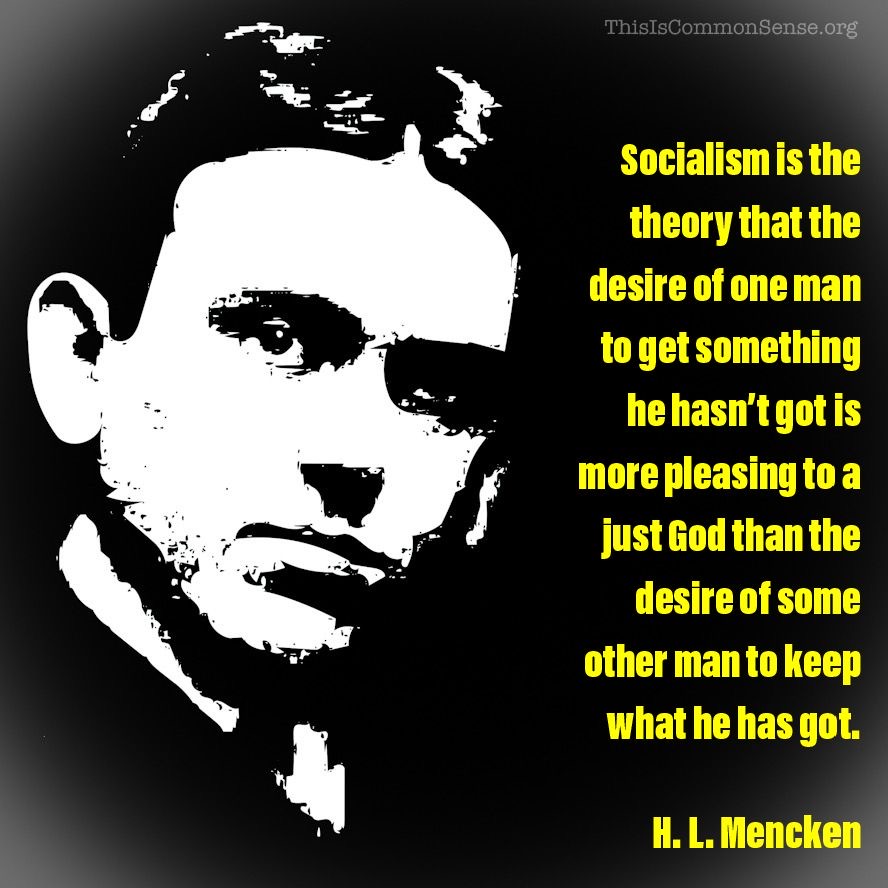
Socialism is the theory that the desire of one man to get something he hasn’t got is more pleasing to a just God than the desire of some other man to keep what he has got.
H.L. Mencken, A Little Book in C Major (1916), p. 51.

On August 13, 1831, Nat Turner witnessed a solar eclipse, which he interpreted as a sign from God. Eight days later he and 70 other slaves killed approximately 55 whites in Southampton County, Virginia.

Not all dogs, certainly, or just any dog. None were harmed in the making of this podcast. This is a metaphor about major media, not fulfilling its watchdog role.
But there is a lot of hope this week around:
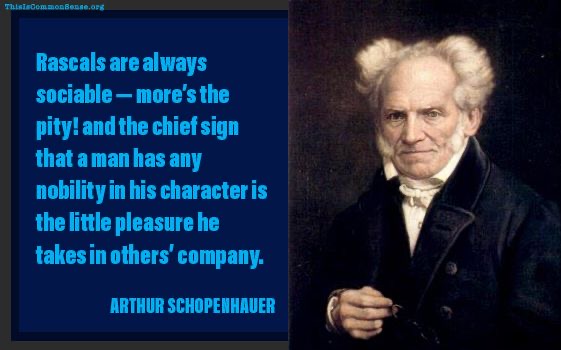
Rascals are always sociable — more’s the pity! and the chief sign that a man has any nobility in his character is the little pleasure he takes in others’ company.
Arthur Schopenhauer, Aphorismen zur Lebensweisheit (On The Wisdom of Life: Aphorisms), Vol. 1, Ch. 5, § 9.
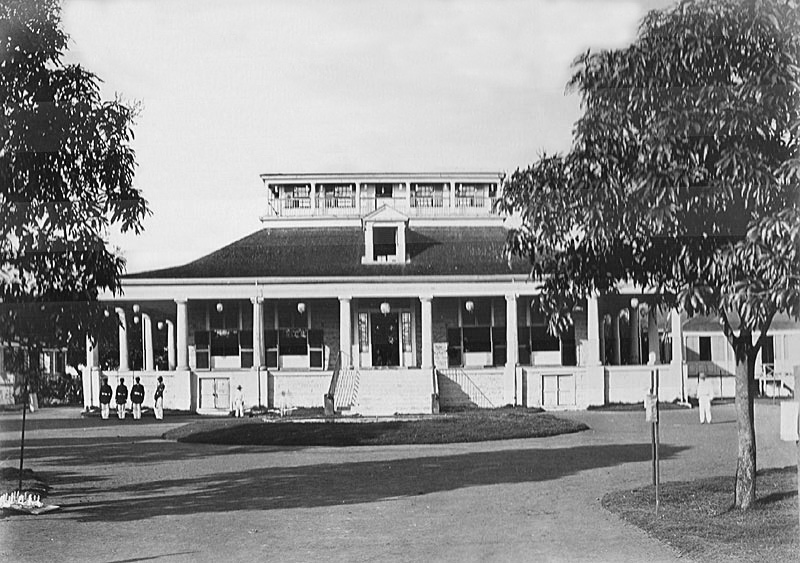
On August 12, 1898, the Hawaiian flag was lowered from ʻIolani Palace in an elaborate annexation ceremony and replaced with the flag of the United States to signify the transfer of sovereignty from the Republic of Hawaii to the United States.
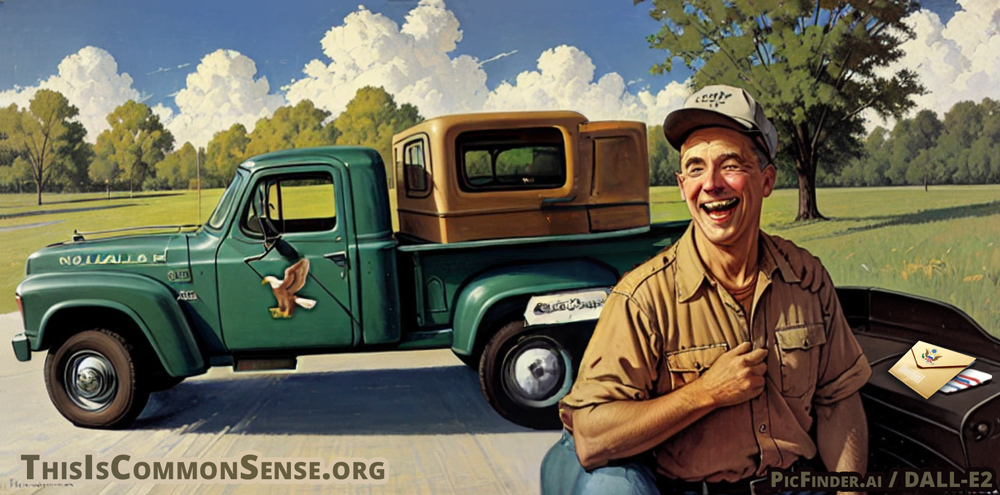
Once, enforcers even tossed him in jail for a night to deter him from his dastardly deeds, deeds that were so galling and offensive to . . . well, to competitors in the same business who had decades of regulatory tyranny on their side.
On the Liberty website, Bruce Ramsey recalls the story. Born Michael Patrick Shanks, Mike officially changed his name to Mike the Mover.
Why? For the advertising value.
Maybe also the annoyance value.
His job was helping people move. Illegal, because the state of Washington doled out a strictly limited number of professional licenses. And for half a century it was virtually impossible to get one.
“Mike had started in 1981 with one truck,” says Ramsey. “When he painted his name on his trucks his competitors noticed him and complained. In 1987 the state cited him. In 1992 it hit him with a cease-and-desist order. In 1993 it slapped him with a court injunction. . . . He ignored them all. [State] enforcers wrote 89 tickets, each a gross misdemeanor, for operating without a license.”
Where Mike the Mover led, others followed. Finally, the regulators eased up and began licensing many more people to move for a living.
Not Mike the Mover. When he was finally offered a license, “I told them to shove it.”
Thanks, Mike.
This is Common Sense. I’m Paul Jacob.
Illustration created with PicFinder.ai and DALL-E2
See all recent commentary
(simplified and organized)
See recent popular posts
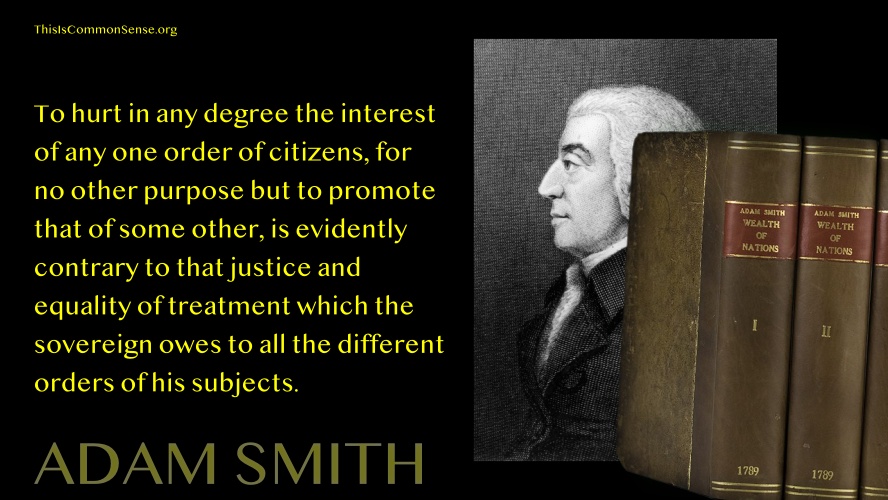
To hurt in any degree the interest of any one order of citizens, for no other purpose but to promote that of some other, is evidently contrary to that justice and equality of treatment which the sovereign owes to all the different orders of his subjects.
Adam Smith, An Inquiry into the Nature and Causes of the Wealth of Nations (1776).
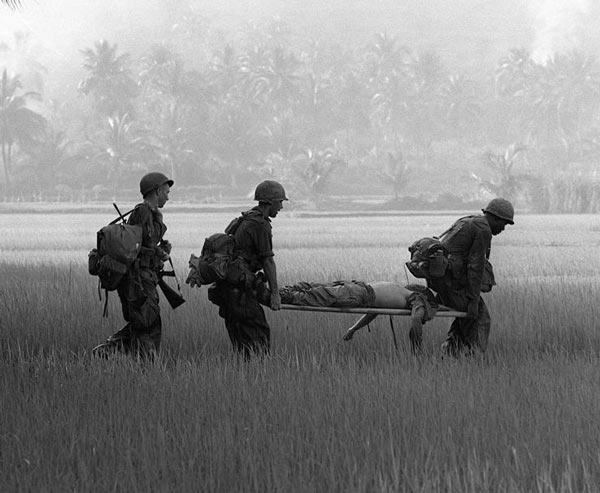
On August 11, 1972, the last of American ground combat troops exited South Vietnam.