Propaganda is to a democracy what the bludgeon is to a totalitarian state.
Noam Chomsky, interview on WBAI, January 1992.
Categories
Noam Chomsky
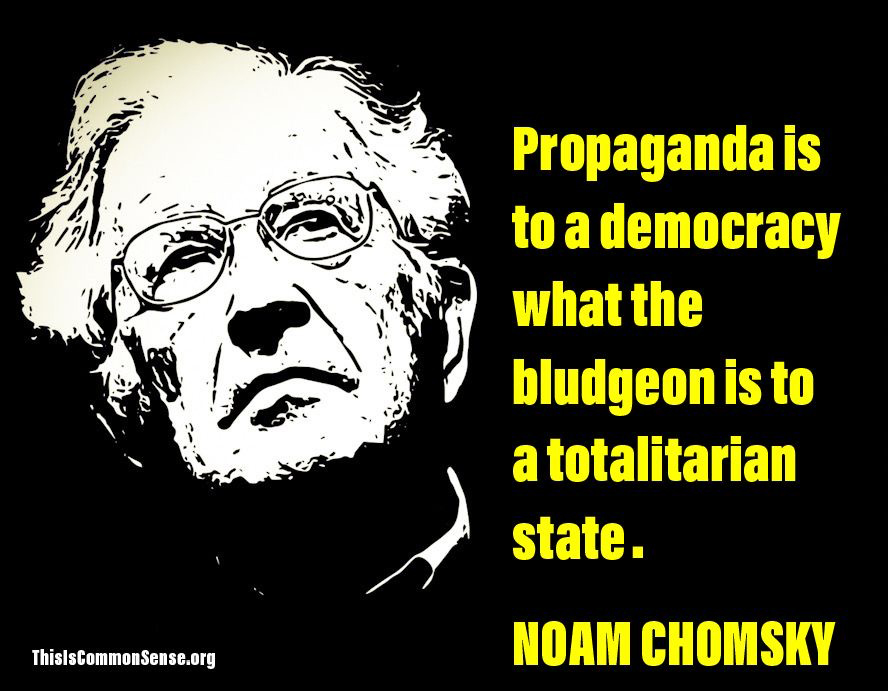
Propaganda is to a democracy what the bludgeon is to a totalitarian state.
Noam Chomsky, interview on WBAI, January 1992.
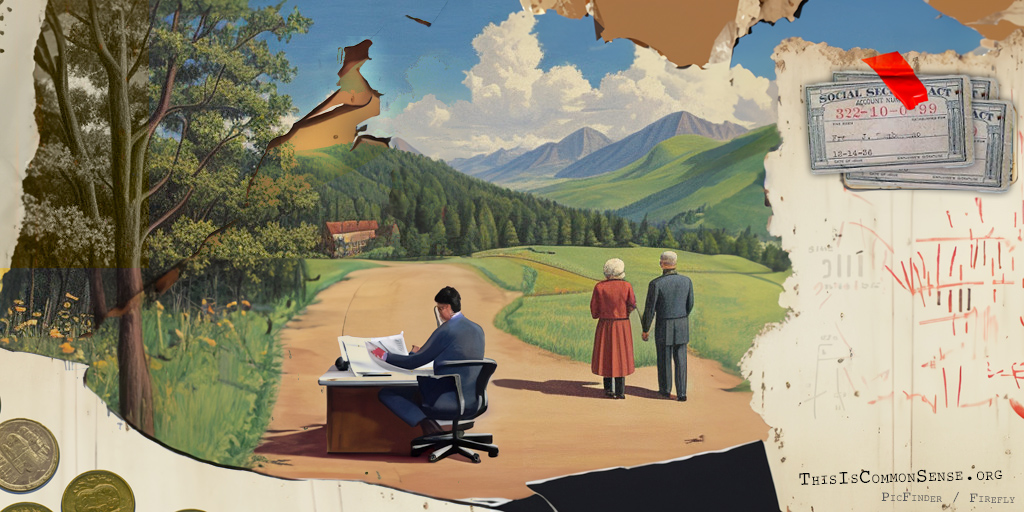
This old chestnut is a sad indicator that American education isn’t up to snuff and an even sadder indicator that people are especially confused about the country’s biggest wealth transfer program.
An “entitlement” is something one is owed. We are entitled to Social Security benefits, it is said, because we are forced to pay into the fund. That’s why it’s called an “entitlement program.”
That being said, it sadly isn’t. Social Security has never been run soundly as a pension fund. From the beginning, and by design, politicians have used it as a way to buy votes, but — in typical politician fashion — they have lied about it.
But the Supreme Court hasn’t. That body has made it quite clear that Social Security is not an entitlement program, but a mere “welfare” program, subject to the whims and wiles of tax-and-spend politicians.
Because of the lies and evasions, American voters remain perennially confused, and get very uncomfortable when the insolvency issue is brought up. Hence the issue’s long status as the “third rail” of American politics, with the frontrunners in the current presidential race each accusing the other of seeking to touch that rail.
Nevertheless, Eric Boehm notes at Reason, a few Republican challengers now talk about a major overhaul. Chris Christie wants means testing; Nikki Haley wants to raise the retirement age. Vivek Ramaswamy says we must act sooner rather than later, but Tim Scott said seniors shouldn’t take any cuts — which Boehm notes misses the true nature of the problem.
So, is the GOP finally getting serious?
I wouldn’t bet my retirement on it.
This is Common Sense. I’m Paul Jacob.
Illustration created with Firefly and PicFinder
See all recent commentary
(simplified and organized)
See recent popular posts
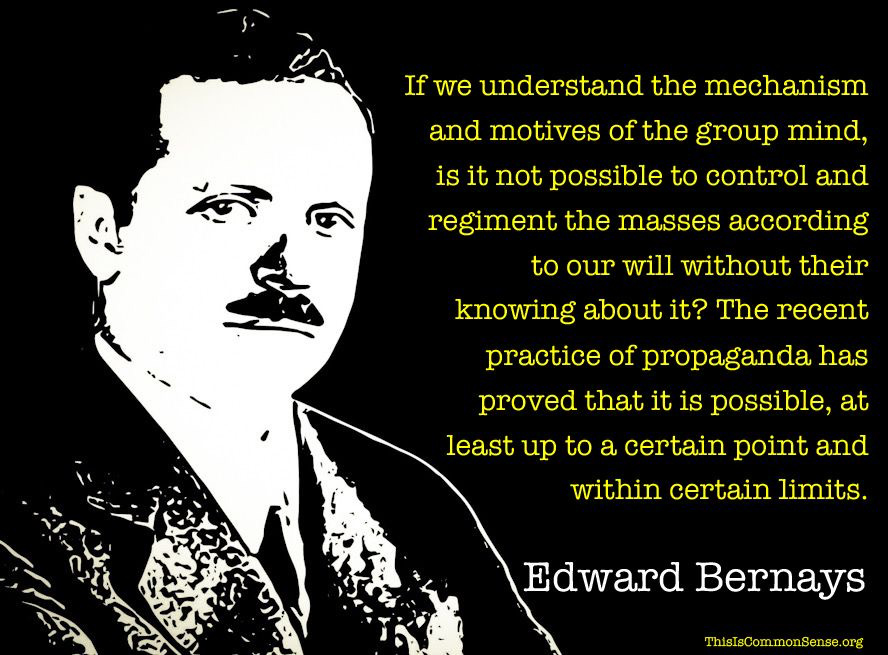
If we understand the mechanism and motives of the group mind, is it not possible to control and regiment the masses according to our will without their knowing about it? The recent practice of propaganda has proved that it is possible, at least up to a certain point and within certain limits.
Edward Bernays, Propaganda (1928).
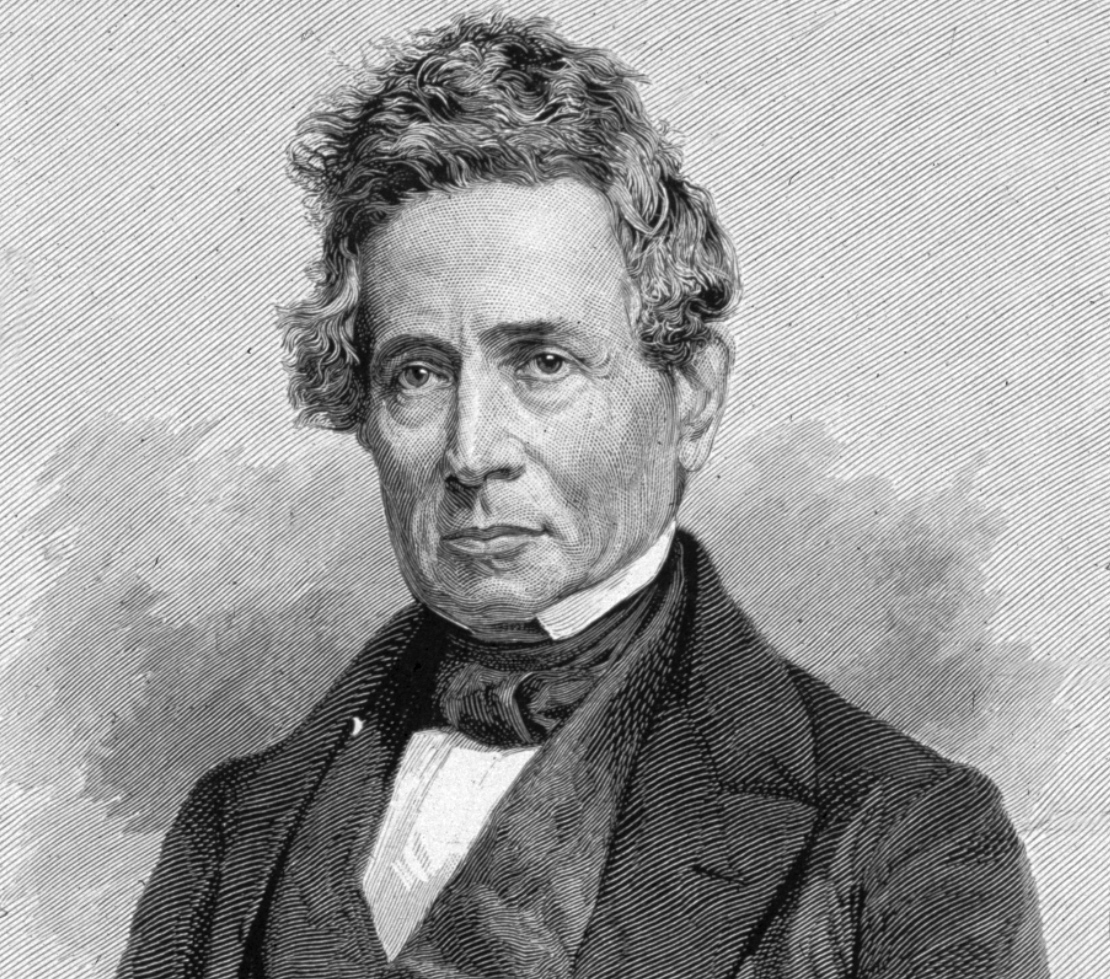
On this day in 1833, Denison Olmsted was alerted by his neighbors to something truly amazing, a night sky filled with shooting stars.
Not just a one or two or a dozen or a hundred: 72,000 or more per hour. Though recognizing where among the constellations meteors came from was ancient knowledge, it had not been recorded by modern-era scientists, at least in this case. What Olmsted noticed was that the meteors were coming from one point in the sky, the constellation Leo. This regular meteor event is now called the Leonid meteor stream.
In the morning, Olmsted wrote a brief report on the meteor storm for the New Haven Daily Herald newspaper, which elicited correspondence from around the country, thus beginning a social storm, in a sense: crowd-sourced science.

It is not all bleak. As Paul insists in this episode of This Week in Common Sense:
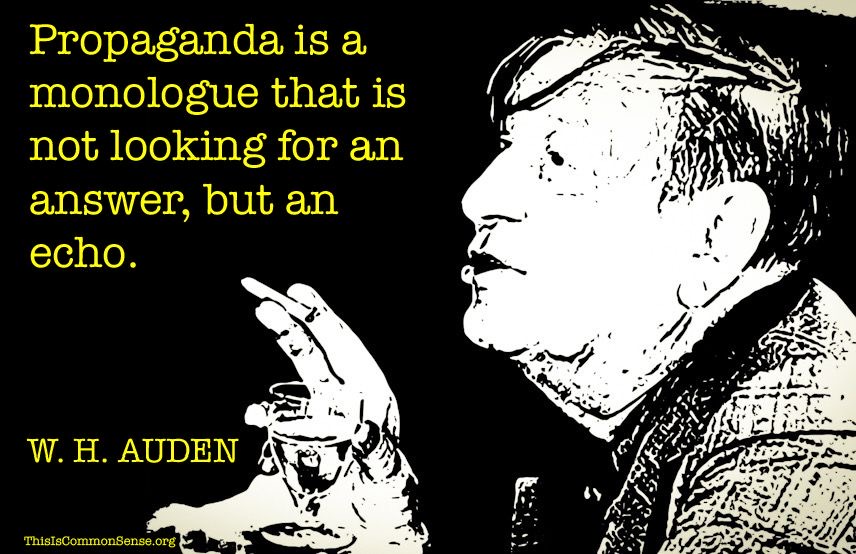
Propaganda is a monologue that is not looking for an answer, but an echo.
W. H. Auden, A Short Defense of Poetry (October 1967).
On November 12, 1905, Norwegians established, by referendum, a monarchy — not a republic. Exactly 14 years later, to the day, Austria became a republic.

Thus we begin and end a podcast, but what is Paul saying, here? He’s not talking about Nikki H’s mutterings about Vivek R. Listen in and find out:

Our most dangerous tendency is to expect too much of government, and at the same time do for it too little.
President Warren Gamaliel Harding, inaugural address (March 4, 1921).
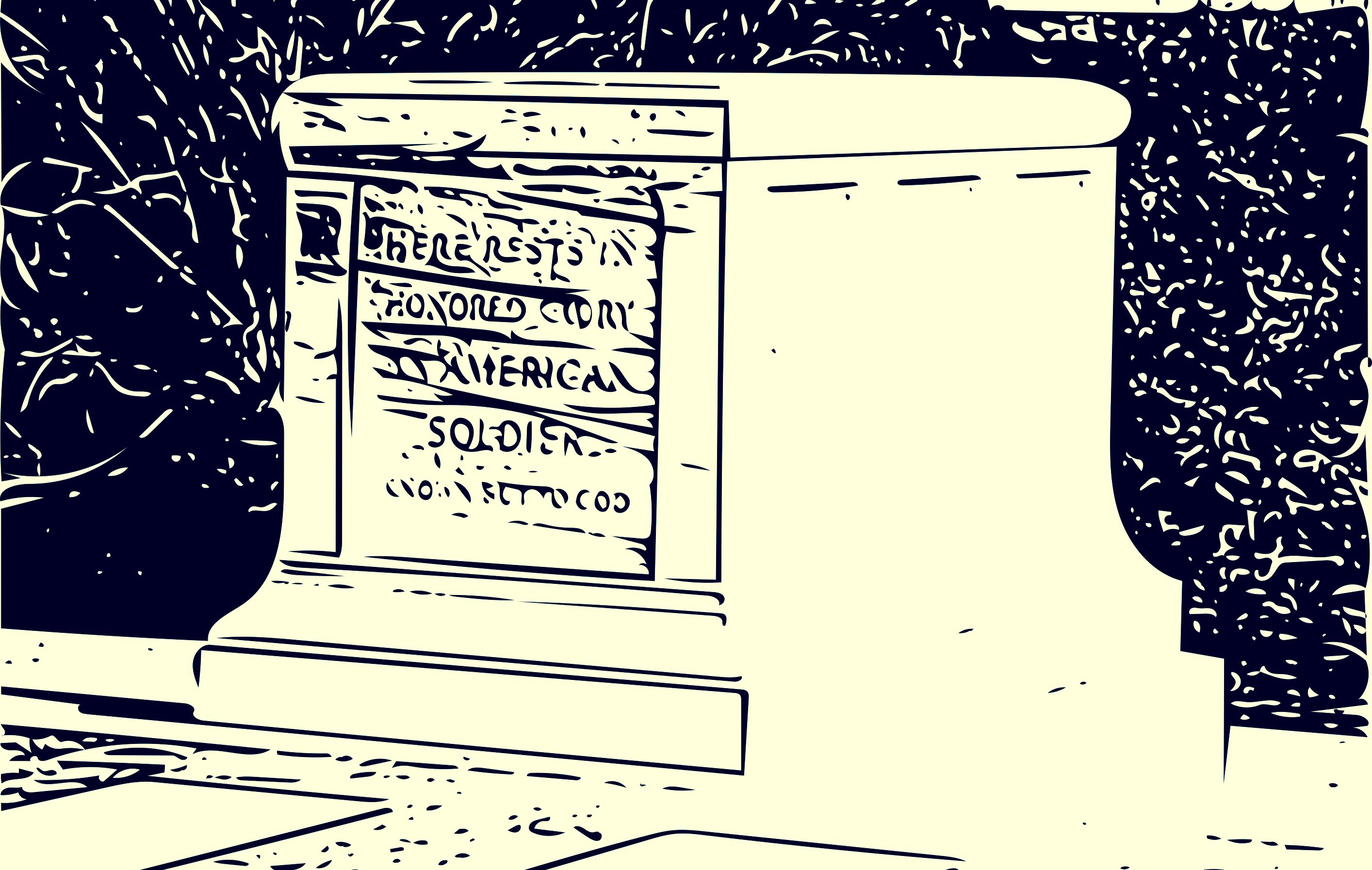
On November 11, 1889, the State of Washington was admitted as the 42nd State of the United States.
In 1918, German officials signed an armistice agreement with the Allies in a railroad car in the forest of Compiègne, France. The fighting officially ended at 11:00 a.m. — the eleventh hour of the eleventh day of the eleventh month. The war officially ended with the signing of the Treaty of Versailles on June 28, 1919.
In 1921 on this date, U.S. President Warren G. Harding dedicated the Tomb of the Unknowns at Arlington National Cemetery.