Many evils must mortals bear.
Gnaeus Naevius (c. 270 – c. 201 BC), quoted by Jerome, ad Heliodorus, 3.
Categories
Gnaeus Naevius

Many evils must mortals bear.
Gnaeus Naevius (c. 270 – c. 201 BC), quoted by Jerome, ad Heliodorus, 3.
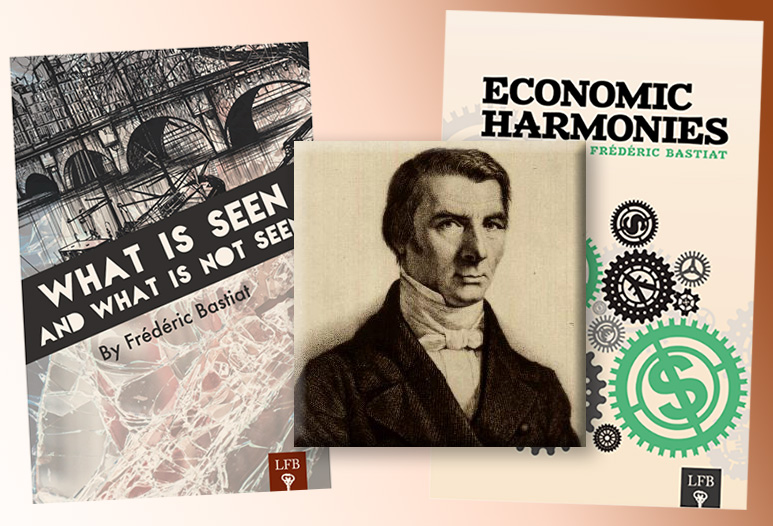
On June 30, 1801, Frédéric Bastiat was born. Bastiat became one of the most important French Liberal School economists, following Condilliac and Jean-Baptiste Say, best known for his books Economic Harmonies and Economic Sophisms and two monographs, “The Seen and the Unseen,” and “The Law.” He was a brilliant stylist and perceptive critic of state-managed trade. His influence on conservative, libertarian and “limited-government thought” has been vast. He died on Christmas Eve, 1850.
The emergency number of “999” was introduced in London, June 30, 1937, the first of its kind — arguably the best innovation in government service in modern times.

“The North Carolina General Assembly wrapped up this year’s chief work session Thursday,” explains Gary D. Robertson for the Associated Press, “after overriding Democratic Gov. Roy Cooper’s vetoes, putting a constitutional amendment about citizens and voting on the November ballot and sending to Cooper’s desk many additional bills.”
Kyle Ingram, writing in the Raleigh News & Observer, describes the override vote as having “passed the House and Senate with bipartisan support.”
Bipartisan support?
“Yes,” Paul Jacob clarifies (via email), “I’d say so: The votes were 104-12 in the House and 40-4 in the Senate.”
The Lake Gaston Gazette-Observer quotes North Carolina’s leaders for the measure, who insisted that “‘President Joe Biden has been asleep at the wheel the past four years, letting millions of people illegally cross the border into our country. Now, as voters are fleeing the Democratic party in droves, Democrats are seeking to fill the gap by extending voting rights to noncitizens,’ Sens. Brad Overcash (R-Gaston), Buck Newton (R-Wilson), and Warren Daniel (R-Burke) said. ‘To combat this movement, we are empowering North Carolinians to approve a constitutional amendment to make it crystal clear that our elections are for U.S. citizens only.’”
“The constitutional amendment heading to the ballot seeks to change language in the state constitution to clarify that only U.S. citizens at least 18 years of age and meeting other qualifications shall be entitled to vote in elections,” explains the AP. “Voting by noncitizens is already illegal, but some supporters of the amendment say the current language in the constitution could be challenged so that other people beside citizens could vote.”
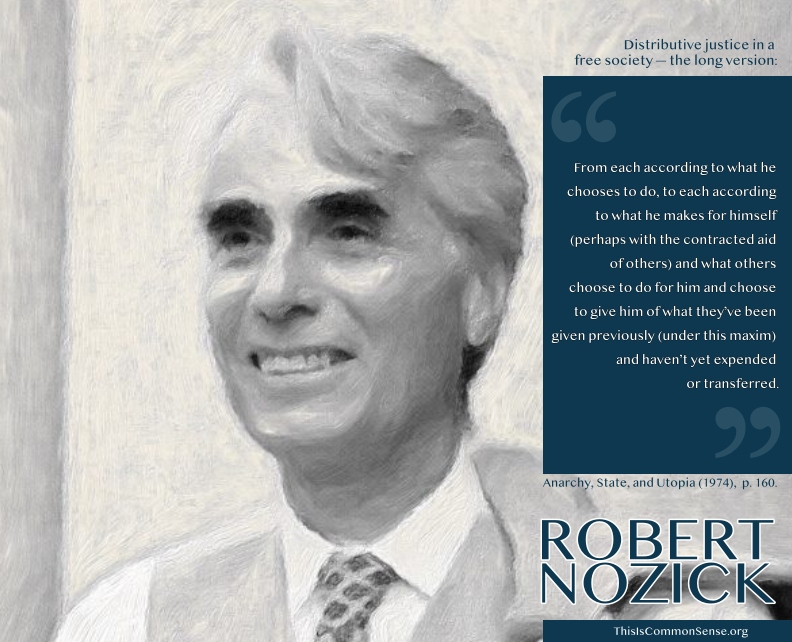
From each according to what he chooses to do, to each according to what he makes for himself (perhaps with the contracted aid of others) and what others choose to do for him and choose to give him of what they’ve been given previously (under this maxim) and haven’t yet expended or transferred.
Robert Nozick, Anarchy, State And Utopia (1974), Ch. 7: Distributive Justice, Section I, Patterning.
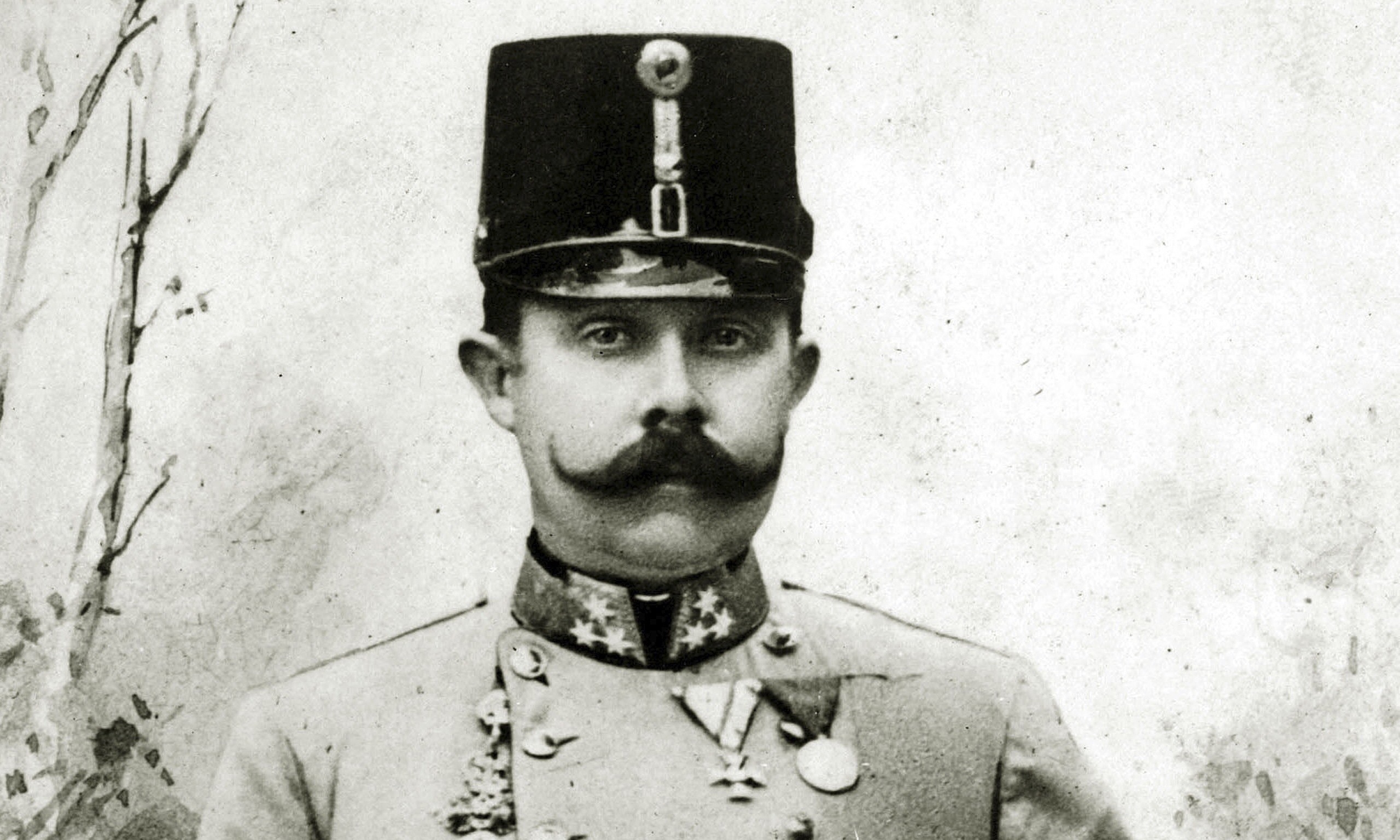
On June 29, 1914, the day after the shooting of the Archduke Ferdinand and his wife, Austrian interrogations confirmed that the Serbian government was behind the assassination. Serbia denied involvement.
Thus continued the series of events that led to “The Great War,” now known as “World War I.”
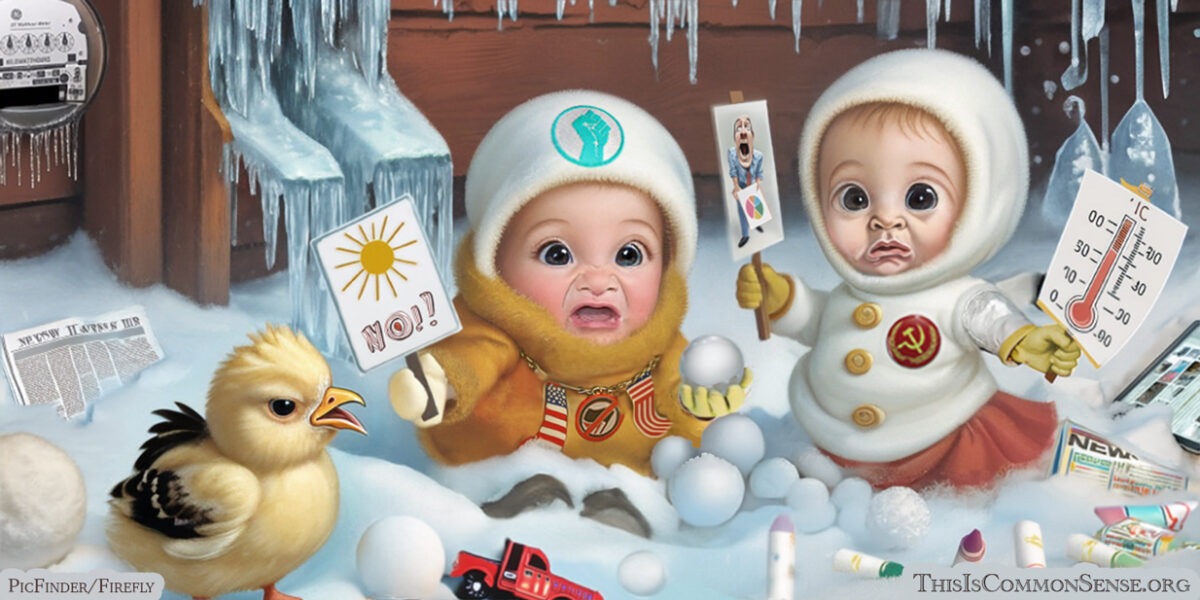
The alleged calamities of various alleged major climatic changes are allegedly due solely to human civilization. We can render the latter doctrine more plausible if we ignore all the major variations of climate that transpired for millions of years before mankind and industrial civilization showed up.
Anyway, if polar ice were indeed melting away over the long term, we could argue about the causes and effects.
But it doesn’t seem to be happening.
According to research at the University of Copenhagen using photographs and satellite data, the glaciers of Antarctica have been pretty stable over the last 85 years or so. (The SciTechDaily article about the findings calls this stability an “Antarctic Anomaly.”)
With the help of modern computer technology and aerial photographs going back to 1937, the researchers managed to track how the glaciers of East Antarctica have changed over the decades.
They found that “the ice has not only remained stable but also grown slightly over the last 85 years, partly due to increased snowfall. . . . While some glaciers have thinned over shorter intermediate periods of 10-20 years, they have remained stable or grown slightly in the long term, indicating a system in balance.”
Uh oh.
Chicken Little never had it so tough.
This is Common Sense. I’m Paul Jacob.
Illustration created with PicFinder and Firefly
See all recent commentary
(simplified and organized)
See recent popular posts
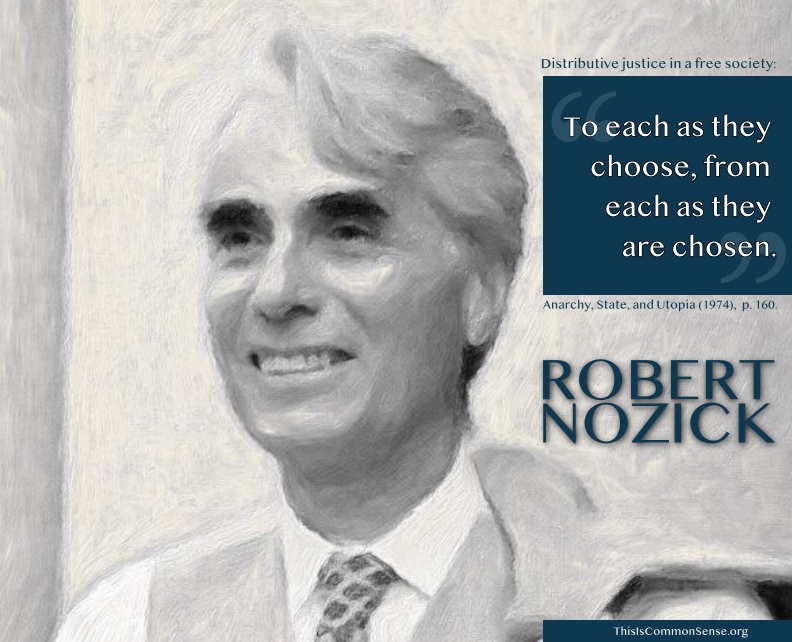
To each as they choose, from each as they are chosen.
Anarchy, State, and Utopia (1974), Ch. 7: Distributive Justice, Section I, Patterning, p. 160.
A slogan to counter the socialist principle of distributive justice, “From each according to his ability, to each according to his need.” The full, non-slogan version of Nozick’s “entitlement theory” of justice, expressed roughly in this form, appeared a few sentences before:
From each according to what he chooses to do, to each according to what he makes for himself (perhaps with the contracted aid of others) and what others choose to do for him and choose to give him of what they’ve been given previously (under this maxim) and haven’t yet expended or transferred.
“This,” Nozick admitted, “has its defects as a slogan.” Which is why he provided the shorter version.
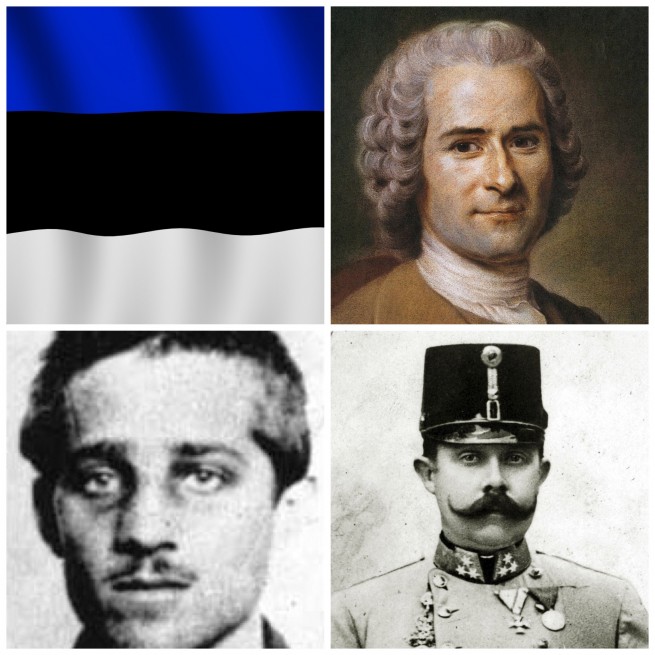
June 28 birthdays include that of Jean-Jacques Rousseau, philosopher, in 1712.
On this date in 1914, 19-year-old Gavril Princip assassinated Archduke Franz Ferdinand, heir to the Austrian throne, and the Archduke’s wife Sophie. The Archduke had earlier missed a bomb thrown at his car, which necessitated a change in the motorcade route, which the driver forgot, which is why the car paused at the precise intersection in which Princip fired his fatal shots.
The shooting began a series of events that led to “The Great War,” now known as “World War I.”
On June 28, 1992, the Constitution of Estonia was signed into law.
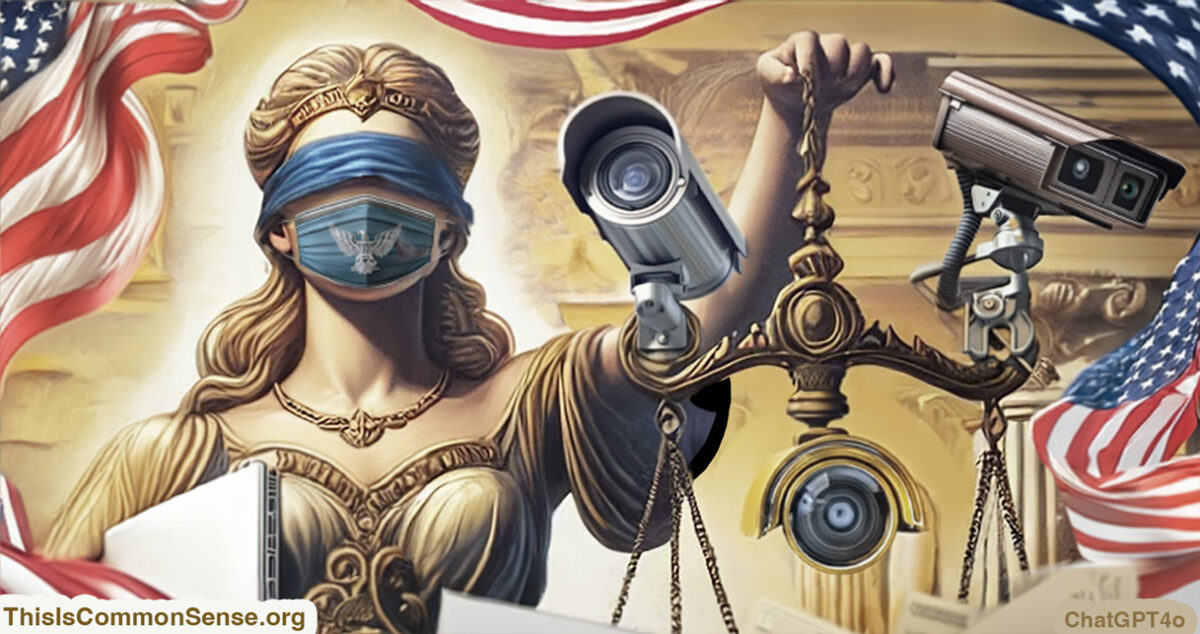
The Biden administration has for years worked to suppress social-media speech that disputes official government doctrines about biology, pandemic policy, elections, and other controversial matters. In short, the kind of speech the First Amendment was designed to protect.
Several suits have been launched against the federal government’s censorship. This one had been brought by Louisiana, Missouri, and other states, abundantly proving that administration officials actively pressed social-media companies to suppress speech.
By a 6-3 vote, the court tossed lower-court rulings that favor the states’ position. According to the decision’s coiled reasoning, the states lack legal right to sue. They lack standing.
Dissenting: Justices Alito, Gorsuch, Thomas.
The majority made a big point of ruling only on this question of “standing” — which none of us speakers of speech have, apparently — and not on the main question. We can hope, I guess, that some other case will someday be brought by plaintiffs whose rights the majority will concede have been infringed by the government’s infringing actions, which by their nature assault the right of freedom of speech of all Americans.
Meanwhile, in the words of Louisiana Attorney General Liz Murrill, the court’s decision “gives a free pass” to the government’s efforts to “threaten tech platforms into censorship and suppression of speech that is indisputably protected by the First Amendment.”
This isn’t a minor procedural setback.
This is Common Sense. I’m Paul Jacob.
Illustration created with ChatGPT4o and Firefly
See all recent commentary
(simplified and organized)
See recent popular posts
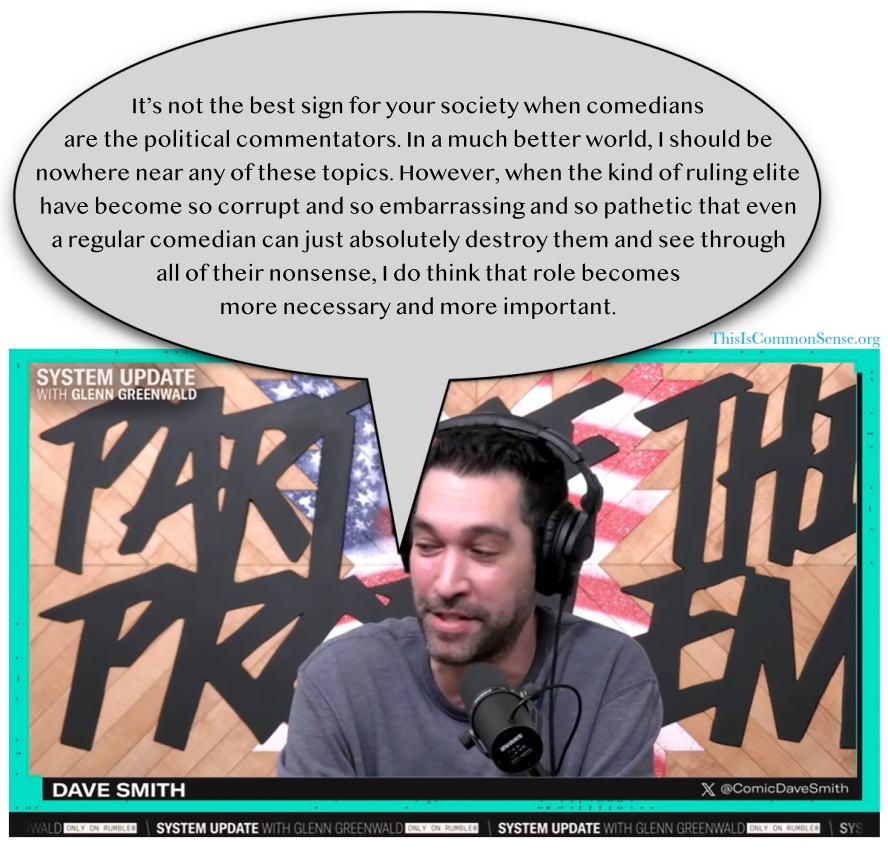
It’s not the best sign for your society when comedians are the political commentators. In a much better world, I should be nowhere near any of these topics. However, when the kind of ruling elite has become so corrupt and so embarrassing and so pathetic that even a regular comedian can just absolutely destroy them and see through all of their nonsense, I do think that role becomes more necessary and more important.
Dave Smith, comedian, in conversation with Glenn Greenwald during his first appearance on Greenwald’s System Update (Rumble).