On September 20, 480 BC, Greeks defeated Persian forces in the battle of Salamis.
Categories
Persians Defeated

On September 20, 480 BC, Greeks defeated Persian forces in the battle of Salamis.
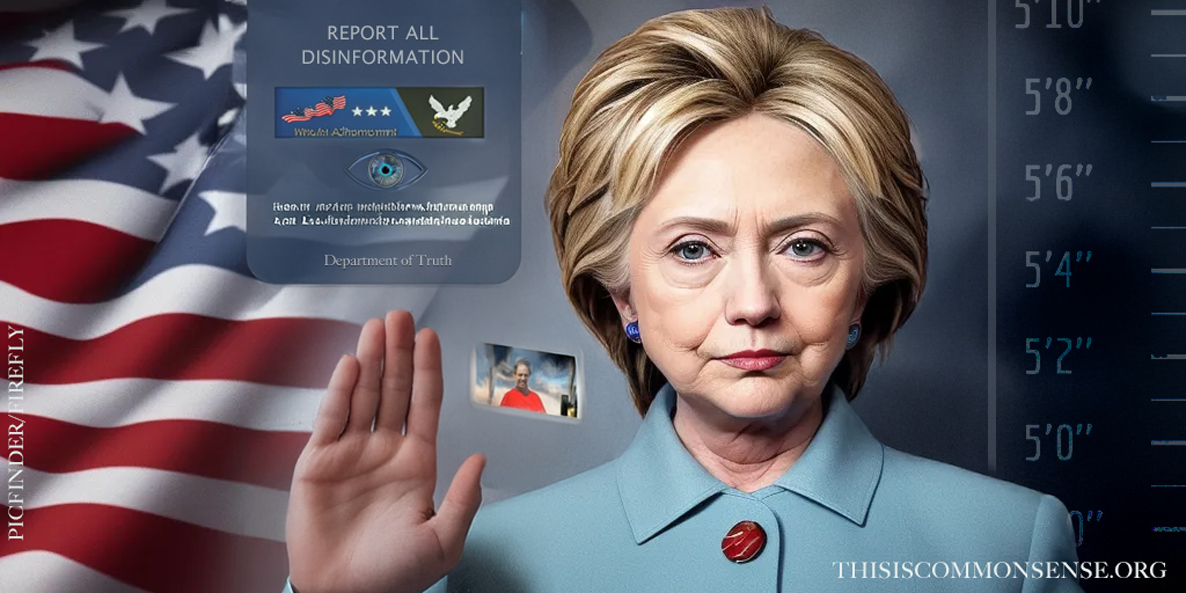
Disinformation spewed by Hillary Clinton, that is.
Mrs. Clinton has escaped jail time for all her previous crimes, whether committed singly or in partnership with her husband. But now we are going to have a brand-new crime to charge her with. And boy, is she a serial offender!!!!!!
The irony is, we would not even be able to charge anybody with this new category of crime — if indeed we’ll be able to; there’s still some controversy about it — but for the contempt of Hillary Clinton and politicians like her for the First Amendment rights that a large minority of Americans hold so dear.
Hillary Clinton, on MSNBC: “I think it’s important to indict the Russians . . . who were engaged in direct election interference. . . . But I also think there are Americans who are engaged in this kind of propaganda, and whether they should be civilly or even in some cases criminally charged is something that would be a better deterrent.”
Yes, Hillary Clinton “got away with” everything else. But can she get away with all her lies and, let’s face it, downright disinformation, certainly heavily disseminated by her around election times?
Heck, even if the new category of criminal offense won’t be applicable retroactively, thus giving her a free pass for the last umpteen years, are we in any danger of running out of actionable Hillary disinformation going forward? Does a leopard change its spots?
Maybe she’s counting on selective enforcement.
This is Common Sense. I’m Paul Jacob.
Illustration created with PicFinder and Firefly
See all recent commentary
(simplified and organized)
See recent popular posts
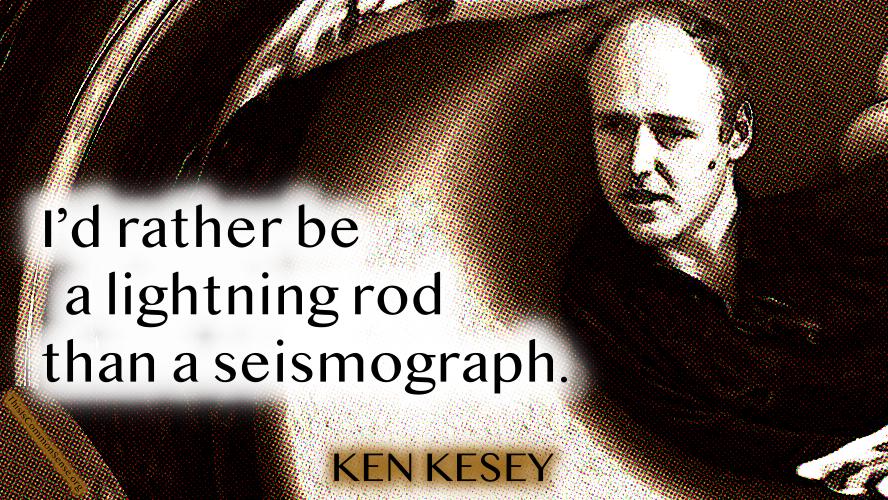
I’d rather be a lightning rod than a seismograph.
Ken Kesey, as quoted in Tom Wolfe’s Electric Kook-Aid Acid Test (1968), Chapter One.

On September 19, 1778, the Continental Congress passed the first budget of the United States.
Congress last passed a budget in 1997.
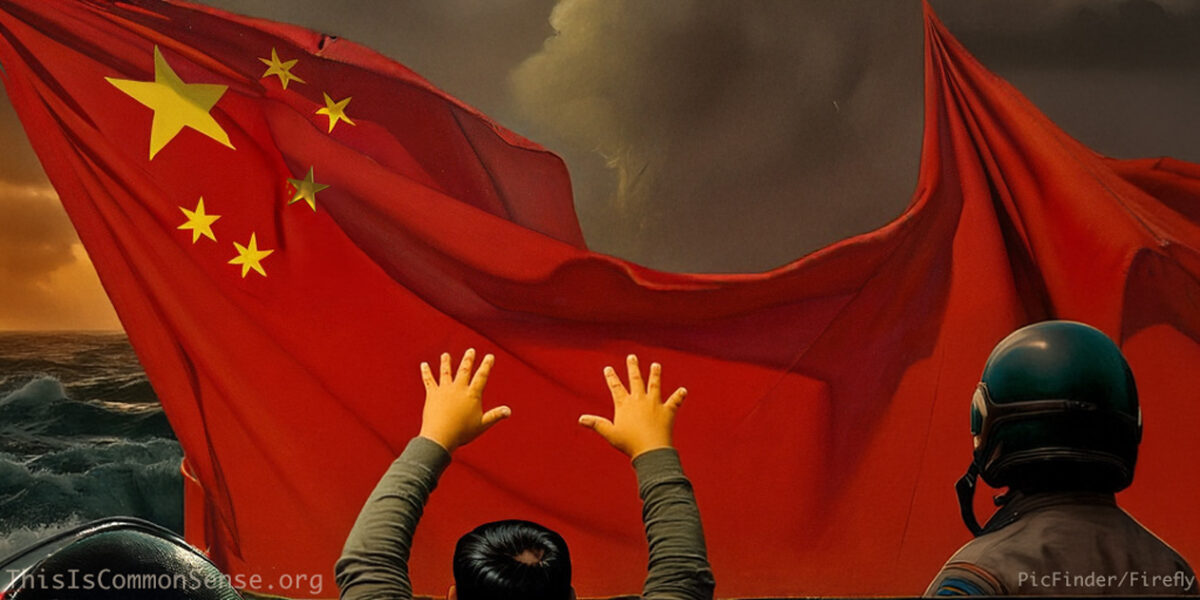
We are headed toward World War III. People deserve the truth from those who pretend to lead.
Years ago, I would have advocated bringing our troops home. Today, I think it’s too late. A military pullout by the United States would be disastrous for both Asia and us. And anything less will require standing up to China. Now or later.
Not to mention that ending the U.S. role in Asia is not even being discussed.
Which means that U.S. assets in the region will eventually be attacked. Already we see the harassment of Taiwan and the bullying of the Philippines and others in the South China Sea. The U.S. has treaty commitments to fight for Japan, South Korea and the Philippines — plus, through the Taiwan Relations Act, we have pledged to help Taiwan stay free.
I would therefore call for spending more on the military. On weapons of war. On military capabilities half a world away. (Hard to believe it myself.) And I would prepare the country for the horrific possibility of war.
I think that is the only way to back China down from its aggressions against just about every neighbor as well as the rule-based international order and, ultimately, us.
The best news on this front is that the U.S. is not having to beg and plead for support for an alliance to check China or to go it alone:
Why? All fear China.
Right now what the world needs is an alliance of the free. And a leader . . . to be very brave.
This is Common Sense. I’m Paul Jacob.
Illustration created with PicFinder and Firefly
See all recent commentary
(simplified and organized)
See recent popular posts

Never attempt to win by force what can be won by deception.
Widely cited on the Internet as by Niccolò Machiavelli and from The Prince (16th Century), this very “Machiavellian” instruction is nowhere to be found in The Prince, but its very citation may qualify as Machiavellian.
On September 18, 1793, George Washington laid the cornerstone of the Capitol building.
It has grown, since.
On September 18, 1838, Richard Cobden established the Anti-Corn Law League, which proceeded to bring free trade to Britain.

Investigative reporter Lee Fang has learned that incumbents of both major parties are ignoring ethics rules in order “to use government money for ads clearly designed to influence voters.”
Back in the 1990s, I was shocked to discover that the average incumbent congressperson spent more using the franking privilege, government funding of “official” newsletters to constituents, than the average challenger spent in his or her entire campaign. In this video age, they’ve upgraded their bragging to living color.
Here is a bipartisan couple from the many examples Fang discovered:
Democrat: A taxpayer-funded ad aired by the campaign of New York Representative Tom Suozzi, talks about how “Tom worked across party lines to convince the president” to do something about the border.
Republican: A taxpayer-funded ad aired by the campaign of Virginia Representative Jen Kiggans, in which she boasts about her track record on issues pertaining to veterans and the military.
Fang has identified at least nine other culprits and put together a YouTube video compiling some of these taxpayer-funded ads. Everyone sees these as campaign spots — or “campaign-style ads,” as Fang also puts it.
The ads even say (for example, in Wesley Hunt’s video) that they were “paid for with official funds” from the office of the congressman or with “official funds authorized by the House of Representatives.”
These “official funds” are not voluntary campaign contributions.
Congressmen, you’ve been caught.
So stop.
This is Common Sense. I’m Paul Jacob.
Illustration created with PicFinder and ChatGPT and Firefly
See all recent commentary
(simplified and organized)
See recent popular posts

Maybe not you, buddy, but the rest are even scared to open up and laugh. You know, that’s the first thing that got me about this place, that there wasn’t anybody laughing. I haven’t heard a real laugh since I came through that door, do you know that? Man, when you lose your laugh you lose your footing.
Ken Kesey, One Flew Over the Cuckoo’s Nest (1962), Chapter Five.
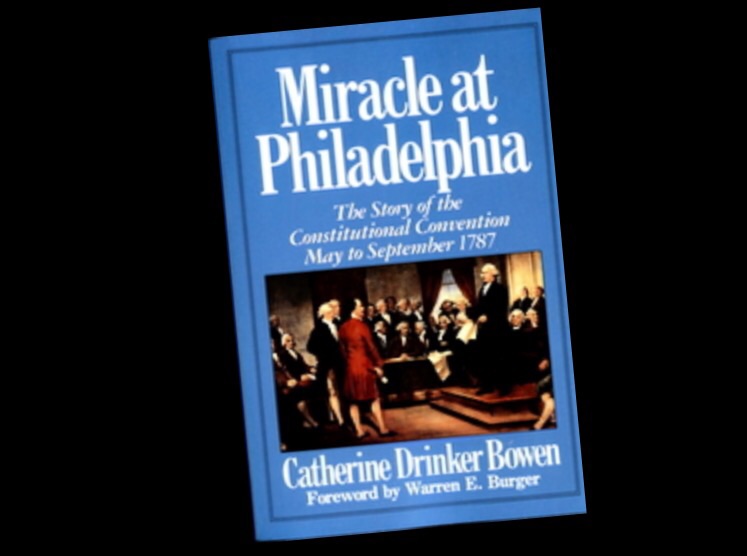
On September 17, 1787, the Constitution of the United States was signed in Philadelphia, Pennsylvania. It should be noted, however, that the signatories did not thereby ratify their proposed new constitution for the union. The states had to ratify the document, which was done state by state. The document would not have passed enough states to take effect had not there been a promise to quickly pass a set of amendments, which became known as the Bill of Rights.
In 1849 on this same day in September, Harriet Tubman escaped to freedom in Philadelphia, but soon returned to Maryland to rescue her family. She made at least 13 trips into the slave-owning South to liberate more than 70 slaves before the Civil War — in which she served as a spy for the North.