Categories
Thought

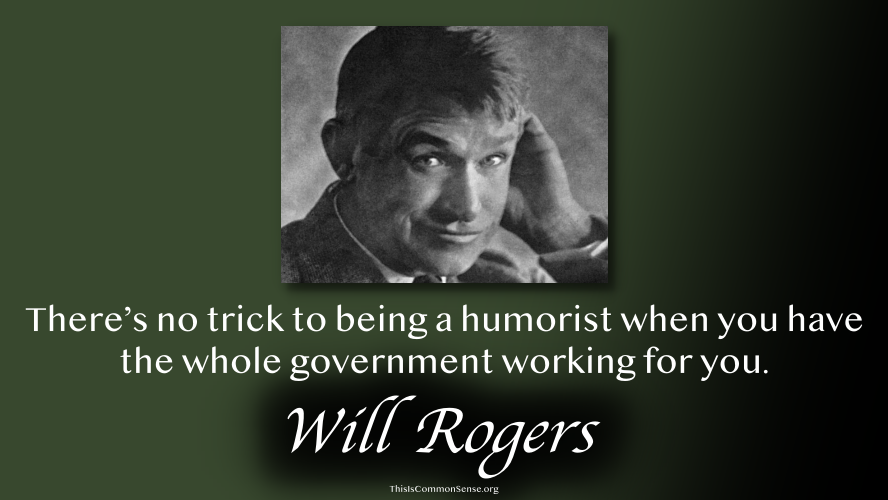
Antoine-François Momoro

There is one thing that one must not tire telling people: Liberty, reason, truth are only abstract beings. They are not gods, for properly speaking, they are part of ourselves.

Antoine-François Momoro as quoted in Emmet Kennedy, A Cultural History of the French Revolution (1989). See also “20 Brumaire, Year II.” Momoro was guillotined on 4 Germinal, Year II (March 24, 1794).
Categories
Thought

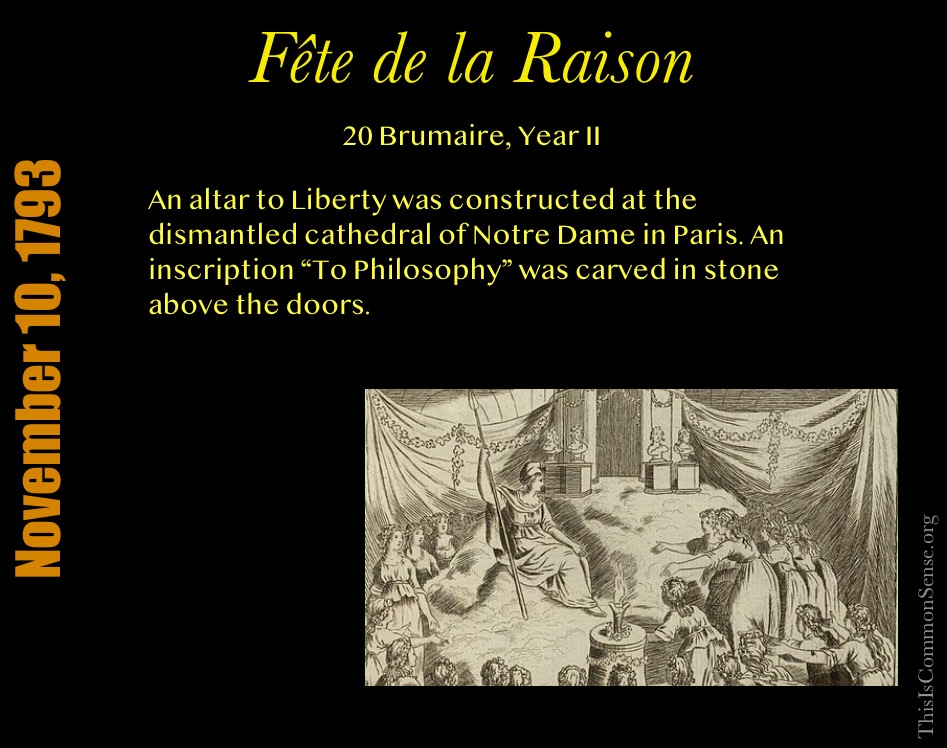
20 Brumaire, Year II

An altar to Liberty was constructed at the dismantled cathedral of Notre Dame in Paris; an inscription “To Philosophy” was carved in stone above the doors — all at “The Festival of Reason” on 20 Brumaire, Year II (November 10, 1793).

Categories
Update

Disappointed Democrats Bemoan Lack of Censorship

In 2016, when Donald John Trump won the presidency in a squeaker election, major news media and the Deep State worked together to censor online and free speech in a big way, culminating in the election of Joseph Robinette Biden, Jr., in 2020. Now, in November 2024, with many millions fewer voting than for Biden, Trump wins handily, taking the swing states and achieving what looks like a popular vote majority.

So what are major news media mavens doing?

Complaining about a lack of censorship!

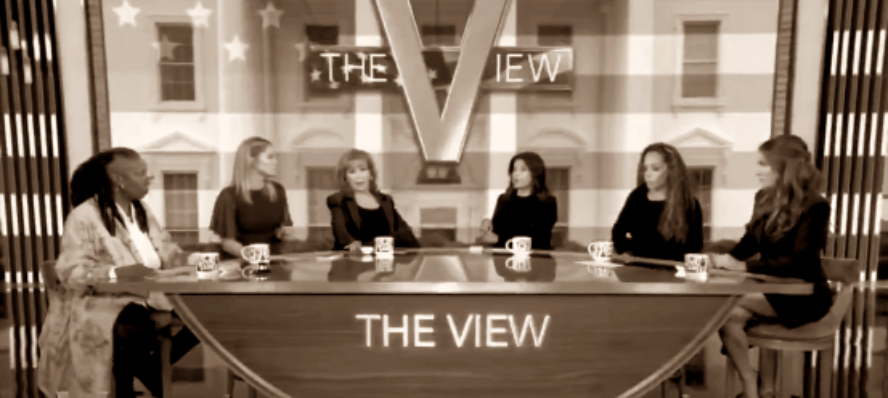
Well, some are. Specifically, as said on The View, “It would help if we could regulate social media, because one of the biggest offenders is D.C. and Congress have not been able to do one thing in regard to the rogue corporations of social media,” meaning, mainly but not exclusively, ex-Twitter/X.

There are many such laments out there. Just remember the Constitution of the United States, though:

Congress shall make no law respecting an establishment of religion, or prohibiting the free exercise thereof; or abridging the freedom of speech, or of the press; or the right of the people peaceably to assemble, and to petition the Government for a redress of grievances.

First Amendment, approved by Congress along with other amendments and submitted to the states for their ratification on September 25, 1789; ratified December 15, 1791.

Paul Jacob has covered online censorship extensively. Here are just a very few examples:

“Say No to Reich-Harris Reich,” September 6, 2024
“Censors Cancelled,” July 6, 2023
“Invitation to a Beheading,” March 13, 2023
“Buzz-Sawing the Conservatives Treehouse,” November 17, 2020

Categories
Thought

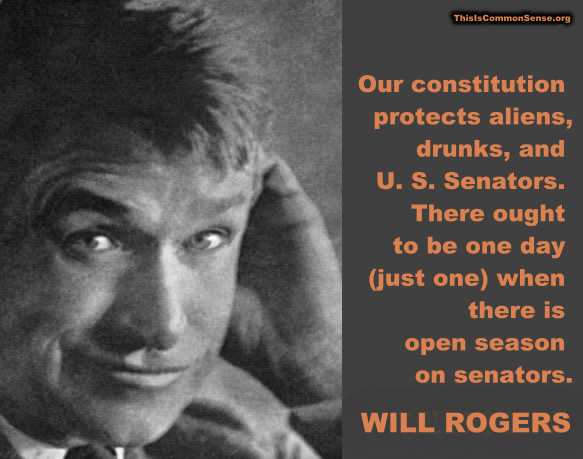
Will Rogers

Our constitution protects aliens, drunks, and U. S. Senators. There ought to be one day (just one) when there is open season on senators.

Will Rogers, Daily Telegram number 2678 (March 6, 1935).
Categories
Today

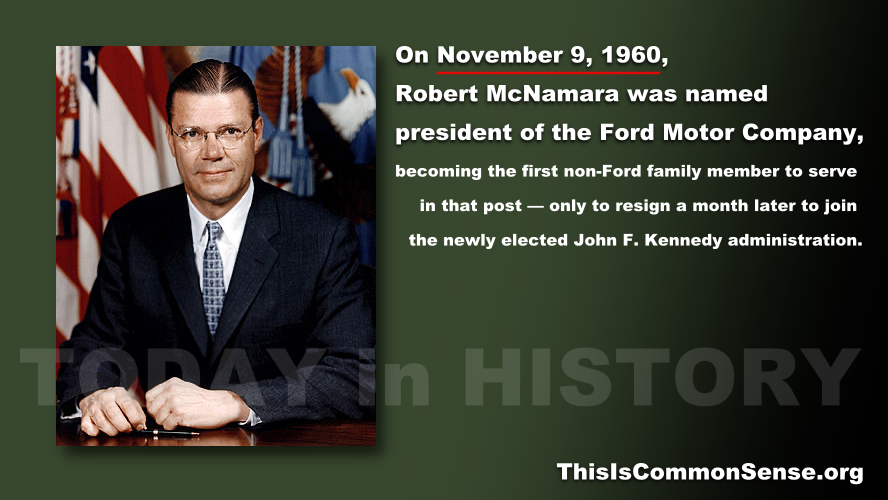
McNamara

On November 9, 1960, Robert McNamara was named president of the Ford Motor Company, becoming the first non-Ford family member to serve in that post — only to resign a month later to join the newly elected John F. Kennedy administration.

Categories
initiative, referendum, and recall

Exemplary Rejections

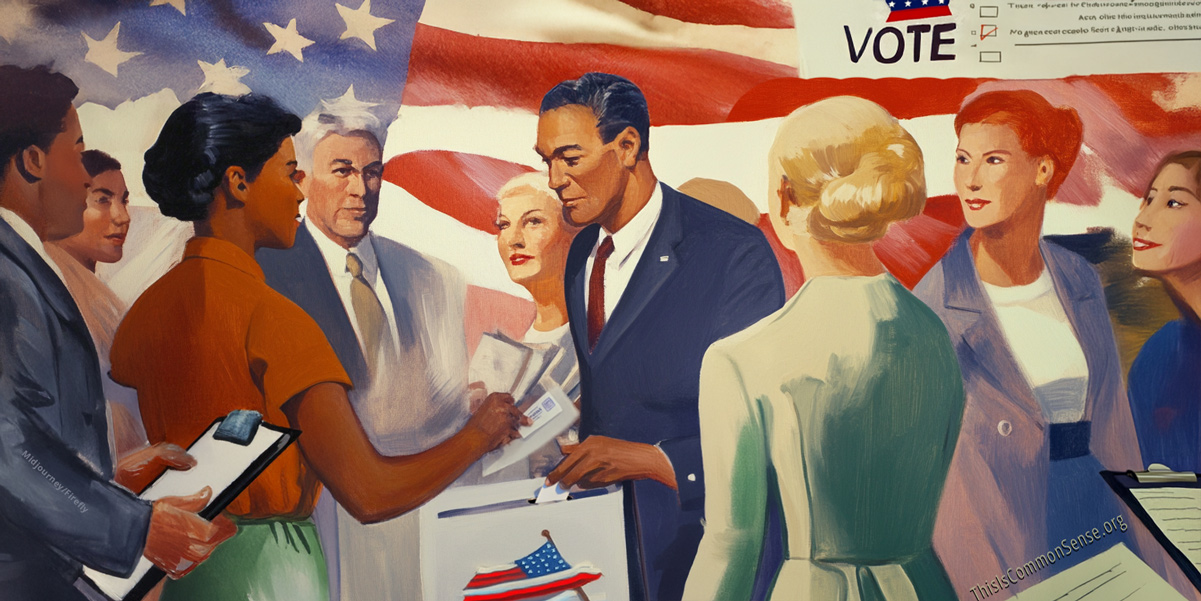
Lately, Americans have been distracted by a federal-level election. But we’ve also had important state-level matters to attend to during the recent election cycle, including some legislatively referred questions about citizen initiative rights.

In my experience, whenever many politicians push for a ballot measure in order to supposedly “fix” an already-established right of citizen initiative, the goal is usually to make it harder for people to get a question onto the ballot.

Three questions on state ballots this November exemplify the pattern. Fortunately, voters have rejected the sly politicians’ gambit in each case.

In Arizona, Proposition 136 would have let opponents of a ballot question force a doubt about its constitutionality to be adjudicated before the measure can be placed on the ballot. (Nothing prevents a measure from being challenged in court after passage.) Of course, sometimes litigation, whether sincere or not, can’t be entirely resolved before proposed urgent deadlines, like the deadline for submitting signatures to place a question on the ballot.

Arizona voters clobbered Prop 136 with about 64 percent of the vote.

In North Dakota, voters had to again defeat a lawmaker-referred measure to weaken citizen initiative rights. Among other arbitrary burdens, Measure 2 would have increased the number of signatures required to send a question to ballot.

Voters killed it by about 56 to 44 percent.

Lastly, Colorado’s Amendment K sought to impose an earlier deadline for submitting initiative signatures. This, too, voters declined by about a ten point margin.

Good results. Voters tend to see the elite’s designs and react appropriately.

This is Common Sense. I’m Paul Jacob.


PDF for printing

Illustration created with Midjourney and Firefly

See all recent commentary
(simplified and organized)
See recent popular posts

Categories
Thought

Herbert Spencer

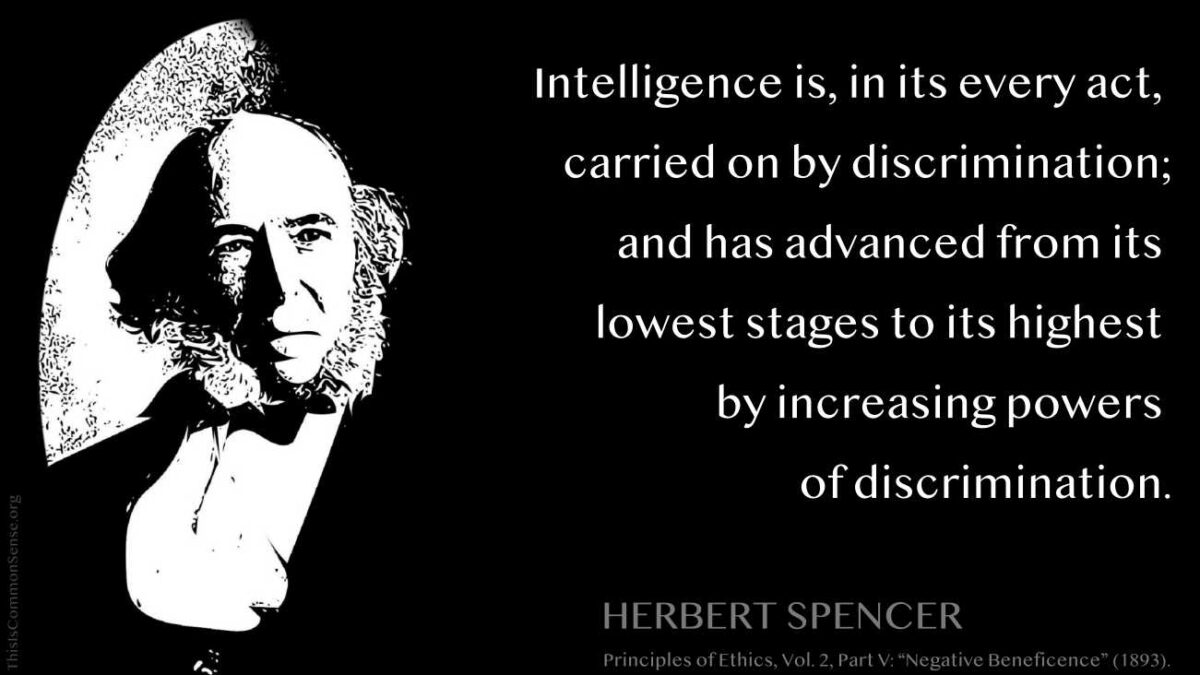
The mental action by which from moment to moment we thus, in ways commonly too rapid to observe, class the objects and acts around, and regulate our conduct accordingly, has been otherwise named by some, and especially by Professor Bain, ‘discrimination.’ Intelligence is, in its every act, carried on by discrimination; and has advanced from its lowest stages to its highest by increasing powers of discrimination. It has done this for the sufficient reason that during the evolution of life under all its forms, increase of it has been furthered by practice or habit as well as by survival of the fittest; since good discrimination has been a means of saving life, and lack of it a cause of losing life.

Herbert Spencer, Principles of Ethics, Vol. 2, Part V: “Negative Beneficence” (1893), Chapter 1: “The Kinds of Altruism.”
Categories
Today

JFK Won

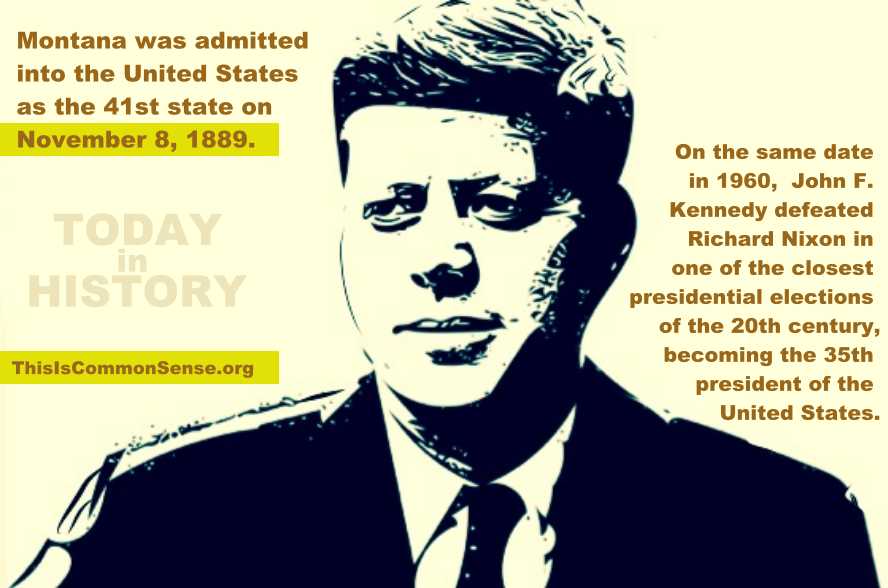
Montana was admitted into the United States federal union as the 41st state on November 8, 1889. On the same date in 1960, John F. Kennedy defeated Richard Nixon in one of the closest presidential elections of the 20th century, becoming the 35th president of the United States.

Categories
ideological culture media and media people partisanship

Not Now

“Reconsider Any Belief In Innate American Goodness,” Ken White advises at the Popehat Report. “A country that votes for Trump is broken in very complicated and daunting ways,” informs the attorney and podcaster.

“Fuck Civility,” he declares, and for good measure, “Stay Tuned For Violence.”

They do sorta go together, eh?

“Debate is preferable,” he notes for the record, “[b]ut most Americans would agree with what Thomas Jefferson said about the blood of patriots and tyrants. At some point violence is morally justified and even necessary. Americans will disagree on when.”

Though, let’s all agree, not now.

My thinking the day after takes a different route. 

First, the lawfare unleashed on Mr. Trump helped him more than it hurt. A majority of the public did not suddenly become enamored with the idea of 34 felony convictions but stuck by the former president, now president-elect, because of their contempt for the New York Attorney General and the U.S. Department of Justice, seen as rogue players in partisan politics. 

America had come to look like Egypt.

Second, the establishment media’s years-long campaign against Trump, hyperbolic and often dishonest (see Charlottesville narrative) failed miserably. Arguably, like lawfare, it was counterproductive.

“Americans don’t trust the news media,” asserted Washington Post owner Jeff Bezos, explaining his paper’s 2024 A.D. non-endorsement for president. 

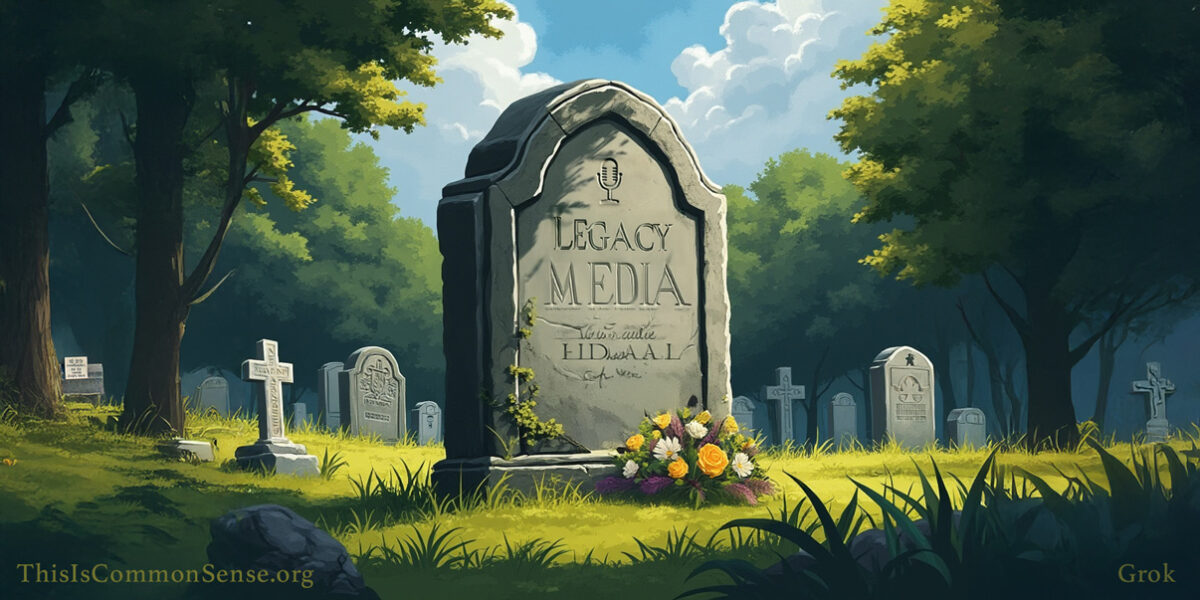
In the aftermath of Mr. Trump being declared the winner, Matt Walsh offered on X: “Legacy media is officially dead.”

Not dead. Just in need of rebirth. Like Democratic Party leaders, news media professionals face a choice, either (a) blame the public for not being more appreciative or (b) reflect upon its own principles and performance.

This is Common Sense. I’m Paul Jacob.


PDF for printing

Illustration created with Grok and Firefly

See all recent commentary
(simplified and organized)
See recent popular posts
Categories
Thought

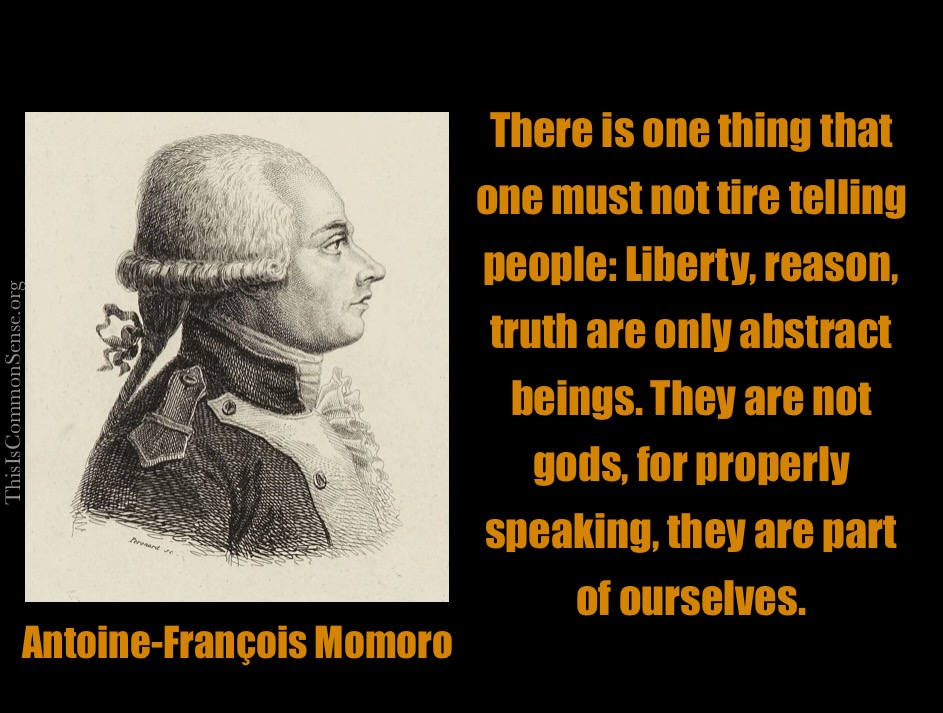
Will Rogers

There’s no trick to being a humorist when you have the whole government working for you.