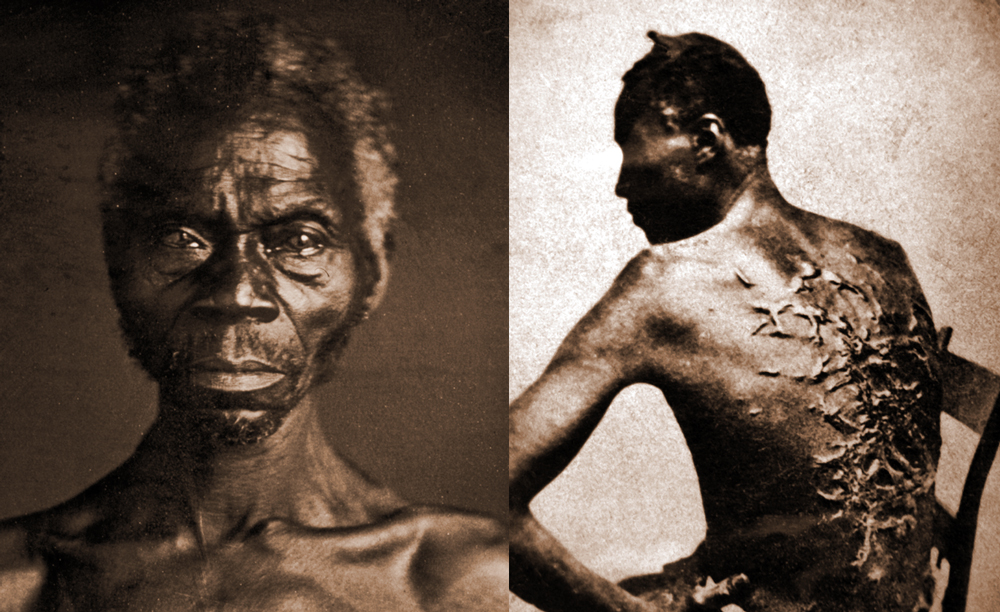
On Sunday, I marked an awful event in our history: The official beginning of chattel slavery as such in Britain’s American colonies.
At first, John Casor, an African indentured servant, had gained some control of his life. He charged his master, Anthony Johnson, a free black, with having forced him to labor longer than the term of his indentureship. He won, was freed, and then indentured himself to one Robert Parker.
But Johnson sued, and, on March 8, 1655, won Casor back — as a slave for life.
The case established a civil ground for slavery, also enabling free blacks to own slaves. Even as late as the Civil War, the South harbored families of obvious African descent who themselves owned African-Americans as slaves.
On the surface, American slavery wasn’t about race. But in the 1640 case of John Punch, sentenced to a life of slavery as criminal punishment for running away from his indentured servitude, his fellow escapees — whites — merely got longer terms of forced labor.
Racism, Thomas Sowell explains, became increasingly important to “the peculiar institution” as time went on. If you exalt the notion that “all men are created equal,” how do you square that with your slave-holding?
By denigrating the humanity of blacks.
This vile ugliness of racism is still with us, to some degree . . . and slavery, too — at least, in small pockets around the globe and in a much bigger way in the Muslim world. An estimated eleven million slaves are held in Africa and the Middle East. And black Africans are still the main victims.
Sunday was also the 240th anniversary of Tom Paine’s first American call for slavery’s abolition.
Ending slavery: it’s way past time.
This is Common Sense. I’m Paul Jacob.
Printable PDF