A state of war only serves as an excuse for domestic tyranny.
Aleksandr Solzhenitsyn, The Gulag Archipelago 1973
.
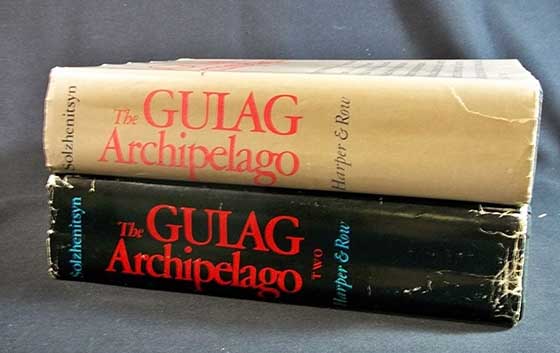
A state of war only serves as an excuse for domestic tyranny.
Aleksandr Solzhenitsyn, The Gulag Archipelago 1973
.

The stabbing event at a Thursday “Gay Pride” march in Jerusalem reveals an element of the much-talked-about “clash of civilizations” not often discussed any longer. But it used to dominate the conversation.
Why? It was not a Muslim jihadist who stabbed six people and ultimately killed one of them, a 16-year-old girl (she died in the hospital this weekend).
It was an Orthodox Jew.
That is, the man arrested at the event, identified as Yishai Schlissel, certainly looked Orthodox, when I saw him on TV, briefly, in an early report. The BBC now refers to him an “ultra-Orthodox Jew” (“ultra” theirs; emphasis, mine). He had previously carried out a similar attack in 2005.
“Israel’s government would have ‘zero tolerance’ for Jewish extremists, Prime Minister Benjamin Netanyahu said at a security cabinet meeting on Sunday,” according to a BBC report.
What suspect Schlissel shares with other terrorists is not merely a rock-hard belief that certain other people are sinful and corrupt, etc. He somehow also believes that he may assume the role of judge and executioner . . . of people he only knows by their differences.
This is beyond “ultra.” Schlissel repudiates not only the rule of law (since he acts outside it), but a basic idea that has grown in Western civilization — from roots found in his own religion.
Liberty.
The essence of liberty? Leaving peaceful people you disagree with alone.
It is more than possible for the religiously orthodox to get along with the un-orthodox. We can all get along if we respect each others’ rights, regardless of our differences.
This is Common Sense. I’m Paul Jacob.

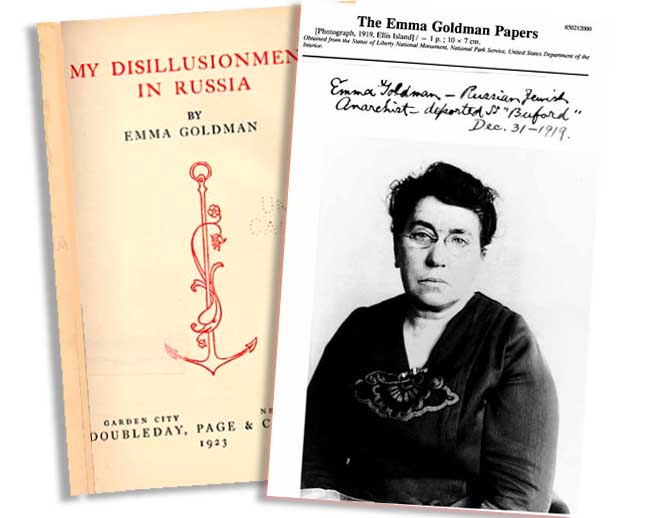
“Witness the tragic condition of Russia. The methods of State centralization have paralysed individual initiative and effort; the tyranny of the dictatorship has cowed the people into slavish submission and all but extinguished the fires of liberty; organized terrorism has depraved and brutalized the masses and stifled every idealistic aspiration; institutionalized murder has cheapened human life, and all sense of the dignity of man and the value of life has been eliminated; coercion at every step has made effort bitter, labour a punishment, has turned the whole of existence into a scheme of mutual deceit, and has revived the lowest and most brutal instincts of man. A sorry heritage to begin a new life of freedom and brotherhood.”
Emma Goldman, My Disillusionment in Russia 1923.

Bostonians win big in the Olympics. How? By not hosting them. Click on over to Townhall.com, then come back here for a few more events. Don’t worry — low hurdles. Just a little reading:
“If only there were evil people somewhere insidiously committing evil deeds, and it were necessary only to separate them from the rest of us and destroy them. But the line dividing good and evil cuts through the heart of every human being. And who is willing to destroy a piece of his own heart?”
Aleksandr Solzhenitsyn, The Gulag Archipelago 1973.

Regulation of the Internet as a public utility is atavistic and foolish:
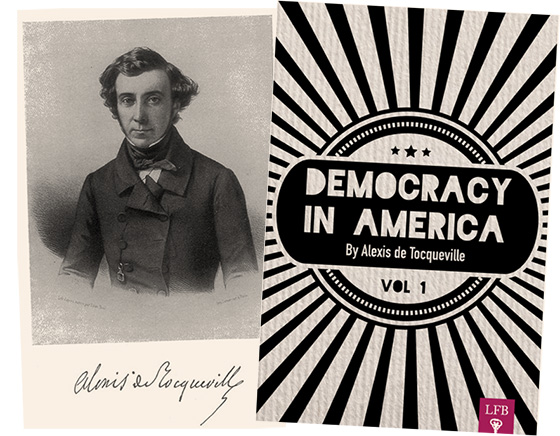
Democracy does not attach men strongly to each other; but it places their habitual intercourse upon an easier footing.
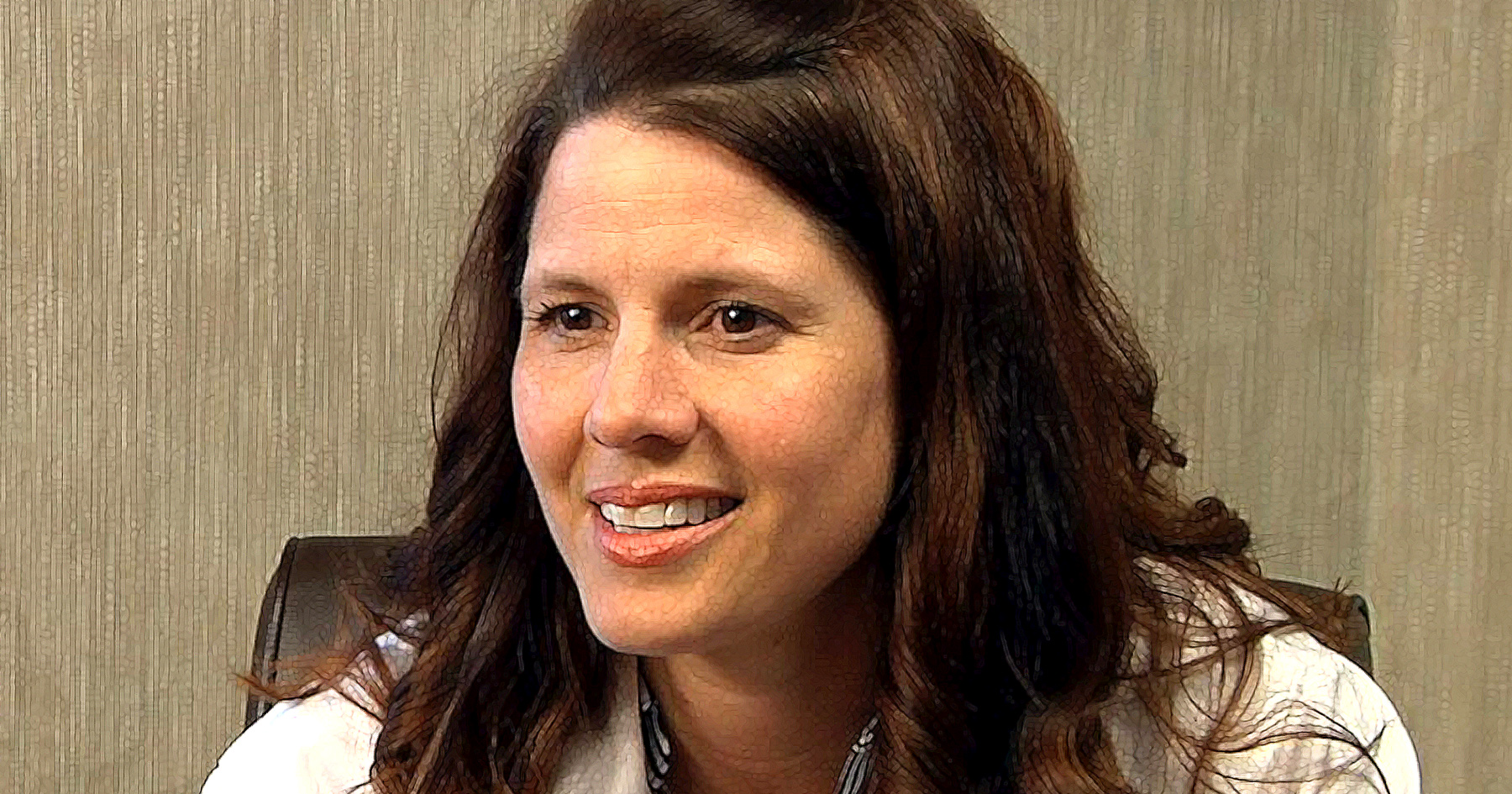
I wish Annette Bosworth were my doctor. Since she lives and practices medicine more than1300 miles away, in South Dakota, that’s not to be.
Sadly, the question to be answered, officially, is whether Dr. Bosworth will be permitted to provide medical care to anyone in her state. Following convictions on 12 felony counts pertaining to petitions she circulated, the South Dakota Medical Board has asked Bosworth to surrender her license.
Today, Annette appears at a hearing before the medical board regarding the ultimate resolution of her status to legally practice medicine. Announcing she would fight to try to save her license, Dr. Bosworth declared, “I just can’t give up.”
No one seems to doubt that she is a caring and capable physician. At her sentencing, Judge John Brown noted the many letters he received supporting her, mostly from patients, concluding that, “you did good work.”
Even Attorney General Marty Jackley, who prosecuted her, agreed: “I join in the court’s recognition coming from those that know Dr. Bosworth best, her medical patients, that she is capable of helping them. . . .”
“It’s just a terrible shame,” offered her attorney Robert Van Norman, “for her, for all of us, in a rural state, to lose permanently this woman’s talents.”
It’s difficult to remain optimistic, given that Dr. Bosworth and the state medical board have clashed again and again over the years. Yet, if the board follows the “do no harm” principle of medicine, they’ll not prevent Dr. Bosworth from regaining her license and again providing the highest quality of care to the people of South Dakota.
This is Common Sense. I’m Paul Jacob.
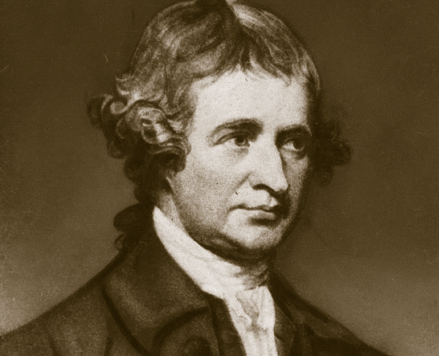
“When bad men combine, the good must associate; else they will fall one by one, an unpitied sacrifice in a contemptible struggle.”
Edmund Burke, “Thoughts on the Cause of the Present Discontents” (1770).

The 2024 Summer Olympics will not be held in Boston.
Beantown abandoned its bid to host the games after Mayor Marty Walsh refused to sign a contract that would have left the city responsible for billions in possible cost overruns.
Did I say possible?
Call it seemingly inevitable.
“I cannot commit to putting the taxpayers at risk,” declared Walsh.
People throughout the Bay State can now rest easy — no tax hike or debt burden to build expensive infrastructure . . . and produce bigger traffic jams. Of course, polls had long shown voters opposed to the idea. But that doesn’t matter to career politicians. Nor to the mayor — until recently.
Mayor Walsh’s deep concern for taxpayers notwithstanding, citizen activism made the difference. A month ago, the Yes on 1 committee joined together with Evan Falchuk, chairman of Citizens for a Say, in supporting a ballot measure to prohibit spending any tax dollars on the Olympics.
Last year, I worked with Yes on 1 — led by Steve Aylward, Rep. Geoff Diehl, Marty Lamb and Rep. Shaunna O’Connell — to pass Question 1, ending automatic gas tax increases in Massachusetts. Olympic officials had been assured a ballot measure was unlikely to get in the way; then came the Yes on 1 folks with the know-how to petition just such a measure onto the ballot.
Walsh claimed this opposition had nothing to do with his decision, calling them “about ten people on Twitter and a couple people out there who are constantly feeding the drumbeat.”
Dancing to a different drummer, Mr. Mayor.
Bostonians can thank the state’s ballot initiative process, which provides a way for the people to be heard. And, of course, citizen leaders who take the initiative.
This is Common Sense. I’m Paul Jacob.