Categories
Thought

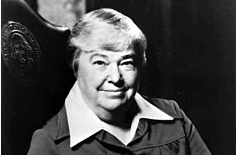
J. S. Mill

If all mankind minus one were of one opinion, and only one person were of the contrary opinion, mankind would be no more justified in silencing that one person, than he, if he had the power, would be justified in silencing mankind.

Categories
Today

Scharansky freed

On Feb. 12, 1986, Soviet human rights activist Anatoly Scharansky was released after spending eight years in Soviet prisons and labor camps. The amnesty deal was arranged at a summit meeting between Soviet leader Mikhail Gorbachev and President Ronald Reagan. Scharansky had been imprisoned for his campaign to win the right for Russian Jews, forbidden to practice Judaism in the USSR, to emigrate.

On Feb. 12, 1909, the National Association for the Advancement of Colored People (NAACP) was founded.

On Feb. 12, 1593, approximately 3,000 Korean defenders led by General Kwon Yul successfully repelled more than 30,000 invading Japanese forces in the Siege of Haengju.

Categories
ballot access initiative, referendum, and recall

Black Mark for Brown

“The outrage over the Brown Bill, and it is outrage,” wrote The Argus Leader’s Jonathan Ellis, “is being voiced across the political spectrum.”

The Brown Bill, Senate Bill 166, is legislation introduced by South Dakota State Sen. Corey Brown (R-Gettysburg) to nearly double the number of signatures citizens must gather on petitions to place issues on the ballot.

Sen Corey Brown NOEr, I mean, it was legislation.

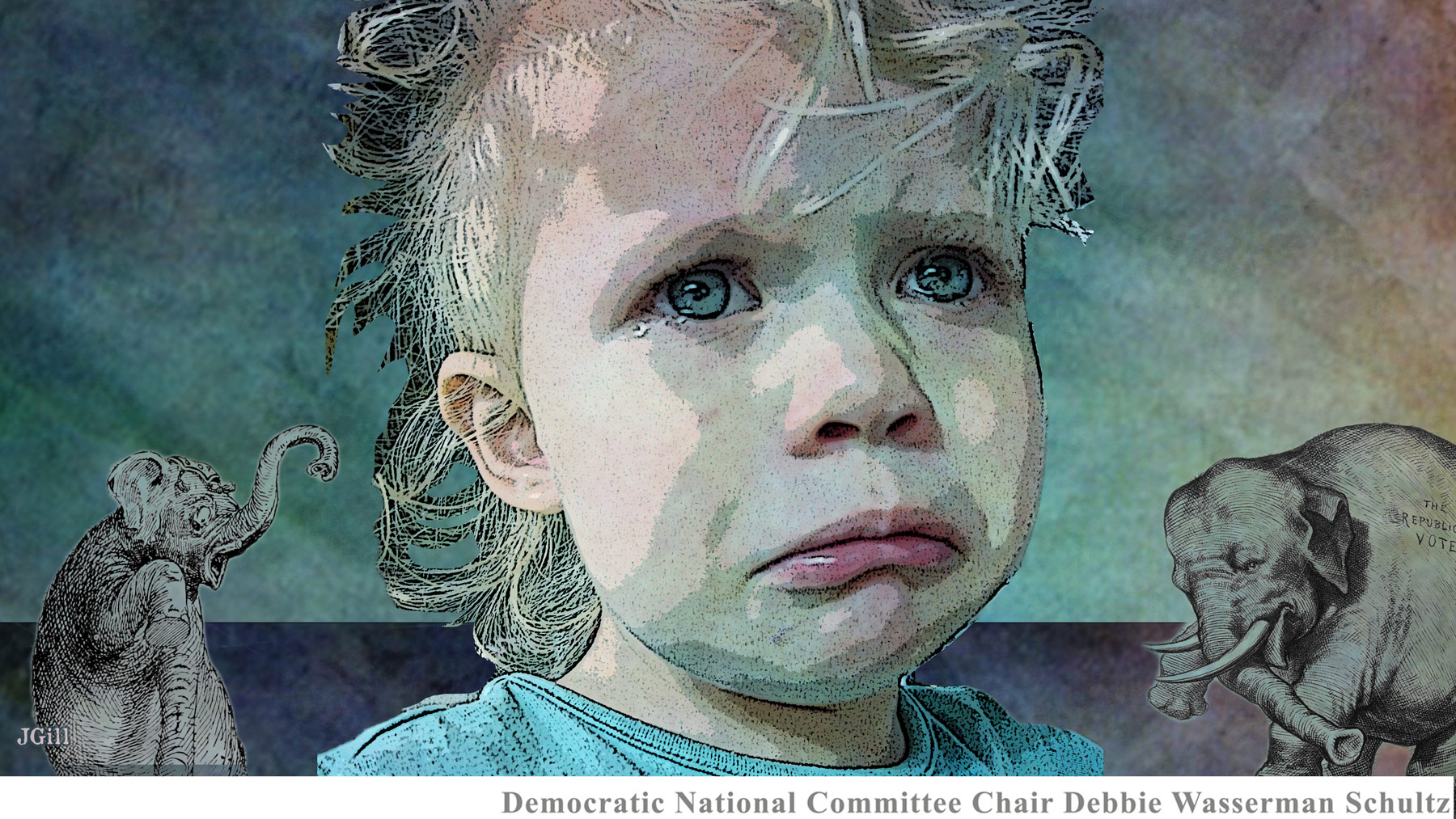
“I’m quite surprised that a lot of folks are willing to not engage in an intellectual conversation,” Sen. Brown said in scuttling a hearing where such a conversation might take place. He asked that his own bill be tabled and fellow legislators obliged, of course, meaning an inglorious demise for what had been “emergency” legislation.

Perhaps what surprised the good senator were so many folks lighting up the state capitol switchboard — fervently opposed to his move to make it more difficult for voters to have a say. An online Argus Leader poll showed 87 percent of South Dakotans against making it “harder for citizens to initiative measures.”

Then again, maybe public opposition to his bill didn’t surprise Sen. Brown one little bit. Legislators routinely slap emergency clauses onto legislation because that prevents voters from petitioning to refer that legislation onto the general election ballot.

South Dakota became the first state to enact statewide initiative and referendum back in 1898. The people cherish this process.

Not surprisingly, their politicians despise it.

Eternal vigilance.

This is Common Sense. I’m Paul Jacob.
Categories
Thought

Nelson Mandela

I like friends who have independent minds because they tend to make you see problems from all angles.

Categories
Thought

Nelson Mandela

For to be free is not merely to cast off one’s chains, but to live in away that respects and enhances the freedom of others.

Categories
Today

Mandela released

On Feb. 11, 1990, after 27 years in prison, Nelson Mandela was released by South African authorities.

Mandela had joined the African National Congress (ANC) in 1944, becoming deputy national president of the group in 1952. Arrested for treason in 1961, he was acquitted — but then arrested again in 1962 for illegally leaving the country. Convicted and sentenced to five years at Robben Island Prison, he was put on trial again in 1964 on charges of sabotage. He was convicted and sentenced to life in prison along with several other ANC leaders.

In 1989, F.W. de Klerk became South African president and began dismantling apartheid. De Klerk lifted the ban on the ANC, suspended executions, and in February 1990 ordered the release of Nelson Mandela.

Mandela subsequently led the ANC in negotiating an end to apartheid and the establishment of a multiracial government. In 1993, Mandela and de Klerk were jointly awarded the Nobel Peace Prize. One year later, the ANC won the country’s first free elections, and Mandela was elected South Africa’s president.

Categories
Thought

Thomas Paine

An army of principles can penetrate where an army of soldiers cannot.

Categories
free trade & free markets too much government

Bye-Bye, Community Banks

The Dodd–Frank Wall Street Reform and Consumer Protection Act was signed into law in 2010 by President Barack Obama. Its supporters said that would increase financial stability and transparency, prevent bailouts, and protect consumers from “abusive practices.”

I’m dubious the new regulatory regime will accomplish any of these goals.  What has really happened since passage? An extreme consolidation of financial institutions.

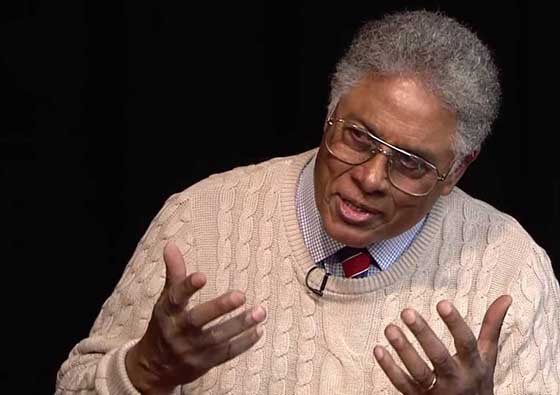
Marshall Lux and Robert Greene, in a new study, show that the long-term trend in which community banks have diminished in number and importance has doubled in severity since Dodd-Frank.

You don’t have to be a “small-is-beautiful” fetishist to worry about this. The bigger banks remaining are just all that much bigger in the “too big to fail” department.

Greene and Lux explain the mechanisms at play under Dodd-Frank. The regulations are not geared to the size of the regulated institutions, so economies of scale in regulatory compliance arise, bigger than ever.

Todd Zywicki, writing in the Washington Post, makes it clear how these “regulatory costs tend to fall proportionally heavier on smaller banks.” Leading to consolidation.

Just as Zywicki had predicted.

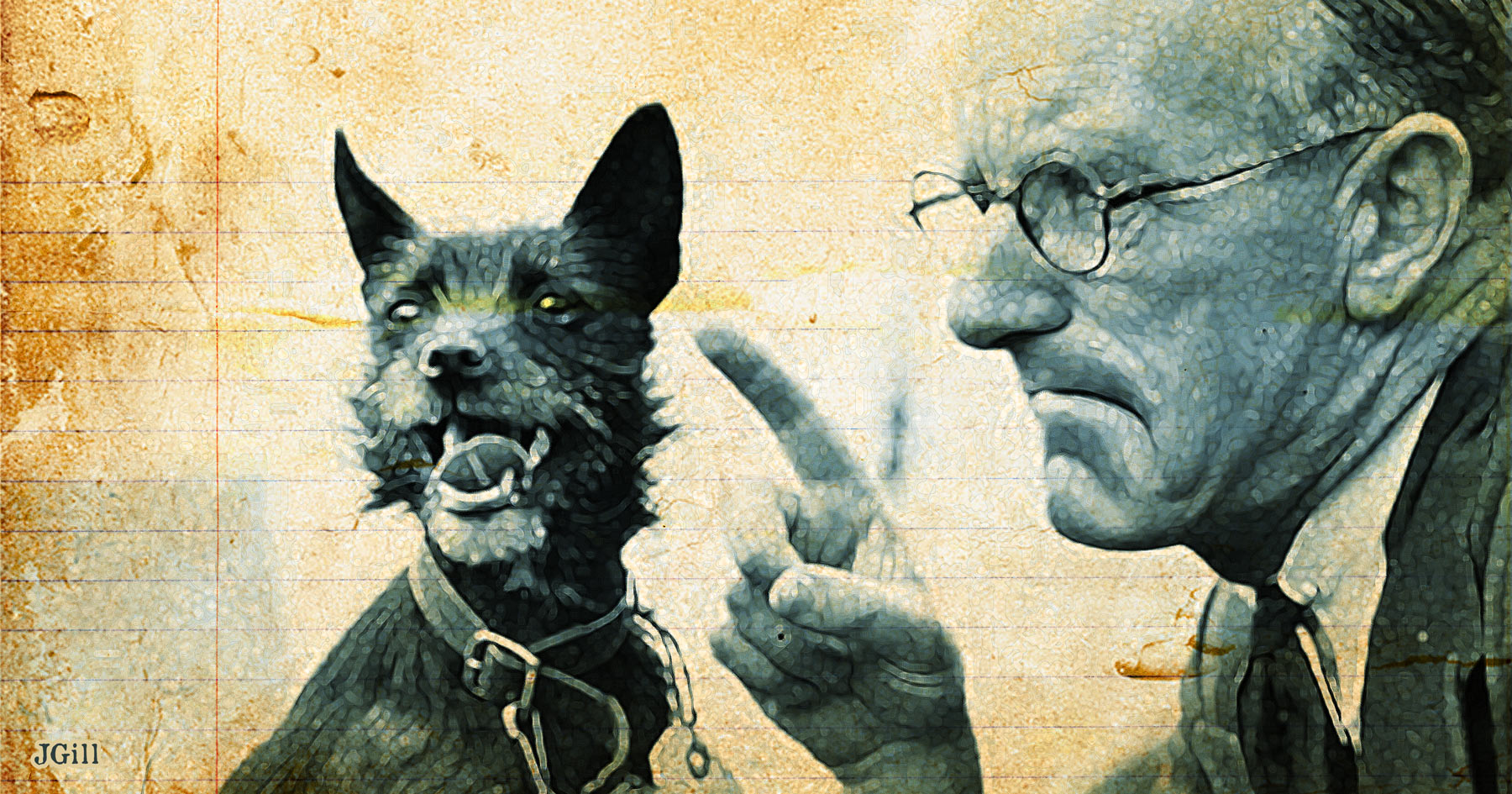
Zywicki, Lux, and Greene are demonstrating an old principle. Economist Ludwig von Mises explained it decades and decades ago. Mises dubbed regulations into market operations “interventionism,” and identified the pattern of such activity as almost an archetype. Interventionists

  1. see a “problem”;
  2. propose a “fix”;
  3. the fix puts us in a worse fix, as unintended consequences multiply;
  4. politicians and bureaucrats scramble to add an additional fix to the mix.

That is why laws keep piling up. Leading ultimately to calls for more laws.

This is Common Sense. I’m Paul Jacob.
Categories
crime and punishment

Chasing Protocol

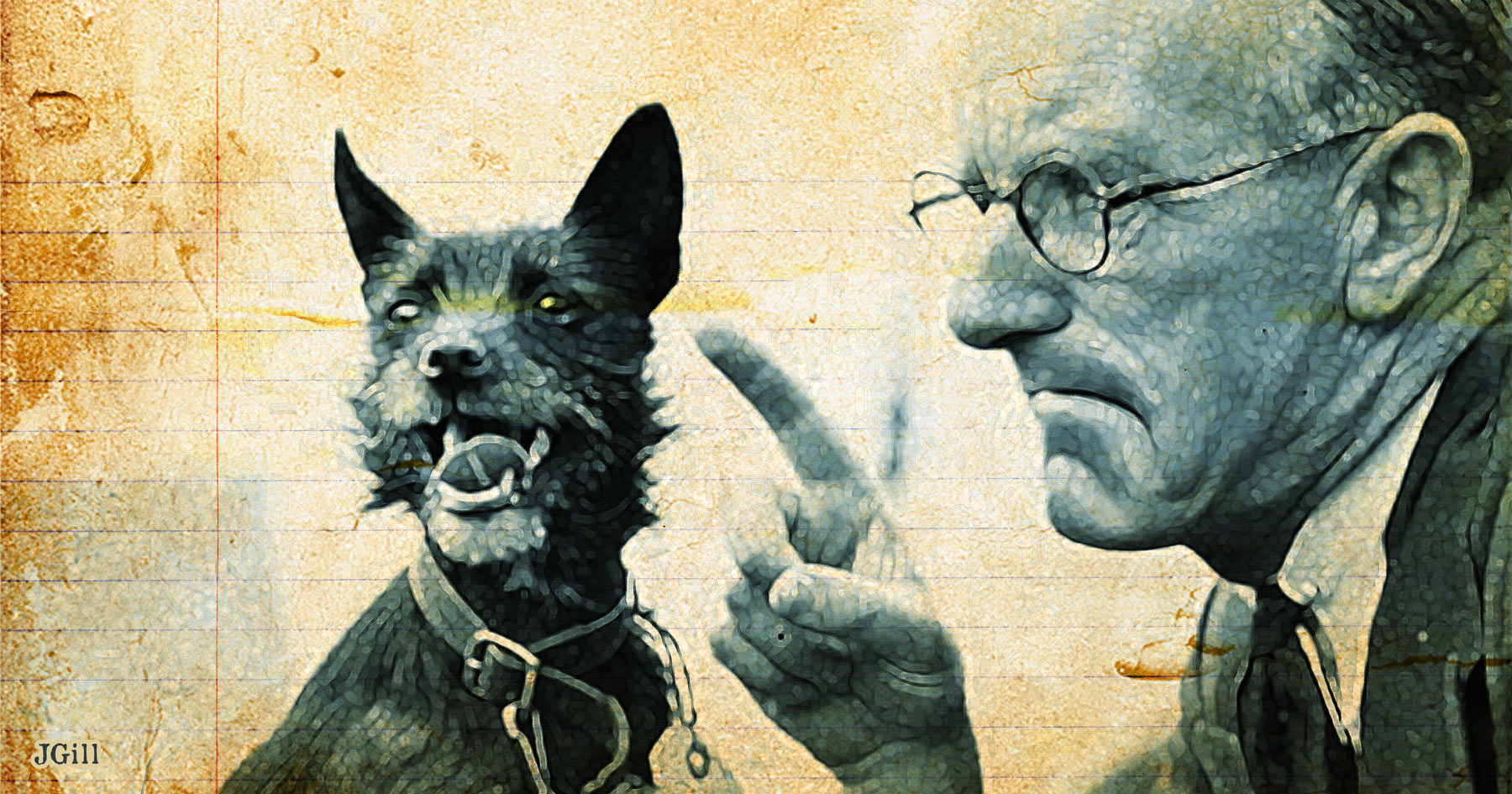
Early in January, store manager Don Watson chased a thief who had fled an Alabama Walmart with over $1,000 worth of goods. With the help of security personnel at a nearby apartment complex, he stopped the culprit, getting a punch in the nose for his trouble.

A month later, Watson got a second, figurative punch in the nose: he was fired. For violating protocol.

Walmart thinks he should have stayed put, sticking to the rules rather than sticking his neck out.

“I thought I was protecting the company,” he says.

I can understand a policy requiring employees to avoid unnecessary risks; it’s motivated by the desire to prevent lawsuits and prevent harm to employees. But to fire the man for violating this policy in the heat of the moment and acting heroically — especially when they’ve asked him to keep theft down? Come on.

That’s just wrong.

Higher-ups could instead have taken Watson aside, reiterated the what and why of the fine print, and advised him that although they appreciate his actions, he must stay put if something similar happens. They didn’t.

So, what statement is Walmart making by firing Mr. Watson? What is the company saying to other employees, customers, and, for that matter, potential thieves?

It’s not just “we care about the lives of our employees,” but also “we have no sense of proportion” and “we discount courage and initiative in the defense of our property.”

The store can still make this right, though.

Re-hire the guy. At least.

This is Common Sense. I’m Paul Jacob.
Categories
Thought

Thomas Paine

He that would make his own liberty secure, must guard even his enemy from oppression; for if he violates this duty, he establishes a precedent that will reach to himself.