On Feb. 10, 1967, the 25th Amendment to the U.S. Constitution, setting the process for presidential succession, was ratified by Nevada, the necessary 38th state to do so.
Dear Reader: This “BEST of Common Sense” comment originally aired on July 4, 2007. A longer version published at Townhall.com was picked up by Rush Limbaugh and read on his radio show. —PJ
Could Democratic presidential candidate John Edwards actually be right about something? Not where to go to get a haircut, mind you, I mean about there being two Americas.
There is the vibrant America . . . and the stagnant one.
There is the America of ever-increasing wealth, innovation, creativity, new products and services. Choices galore.
And there is the politician’s America: The regulated America, the subsidized America, the earmarked America. The failing America.
In one America, it is what you produce that gets you ahead. In the other, it’s who you know.
In one America, to earmark some money means setting aside funds (into savings) for a purchase — a car, house, college.
In the other America, to earmark is to grab from taxpayers to give to cronies. It is the highest rite of career politicians: Buying their votes with other people’s money. Oh, there have been reforms, sure. But a recent bill in the House had 32,000 earmark requests.
In one America, we decide what we pay for. We choose constantly about little things and big. We call the shots. Or we walk down the street and associate with someone else. So we have some faith in those we work with.
In the other America, we vote. But we rarely get what we vote for.
Maybe that’s why the new Democratic Congress just registered the lowest approval rating in poll history.
It surely isn’t because folks love the Republicans.
This is Common Sense. I’m Paul Jacob.

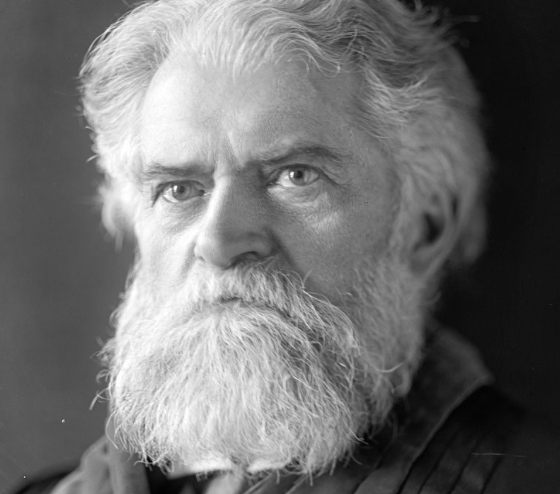
Herbert Spencer: Fools and Folly
Paine born
On Feb. 9, 1737, Thomas Paine was born in Thetford, England. Paine would come to America in 1774 and by 1776 publish “Common Sense,” urging American independence. Later works included “The Rights of Man” and “The Age of Reason.”
Thomas Paine
I love the man that can smile in trouble, that can gather strength from distress, and grow brave by reflection. ‘Tis the business of little minds to shrink, but he whose heart is firm, and whose conscience approves his conduct, will pursue his principles unto death.
February 8
On February 8, 1865, Delaware voters rejected the Thirteenth Amendment to the U.S. Constitution, voting to continue the practice of slavery. Delaware belatedly and symbolically ratified the amendment on February 12, 1901.
Townhall: The Herd That Has the Immunity
Expanding on thoughts from Thursday for Townhall‘s readership, the politics of vaccination.
Your Common Sense purveyor happens to be suffering from some bug, as if to echo the subject of the column. Not sure this lends any credence or bestows any excuse, though.
Click on over, then come back for further reading:
- “Disney Measles Outbreak Came From Overseas, CDC Says,” by Maggie Fox (NBC)
- “Dr. Obama and Dr. McCain,” by Michael Dobbs
- “Hillary Clinton Wanted To Investigate Link Between Autism And Vaccinations,” by Chuck Ross (Daily Caller)
- “Howard Dean: Rand Paul’s Anti-Vaxxer Remarks Disqualify Him From Becoming President,” by Heather (Crooks and Liars)
- “Shame and shun anti-vaccine parents,” by Ronald Bailey (New York Daily News)
- “Herd Immunity” (Wikipedia)
- “Public Goods,” by Tyler Cowen (Concise Encyclopedia of Economics) — on the concept of a “free rider”
Video: Reform Pensions Now
Nick Gillespie at ReasonTV makes a concise case for reforming our out-of-control government-worker pensions:
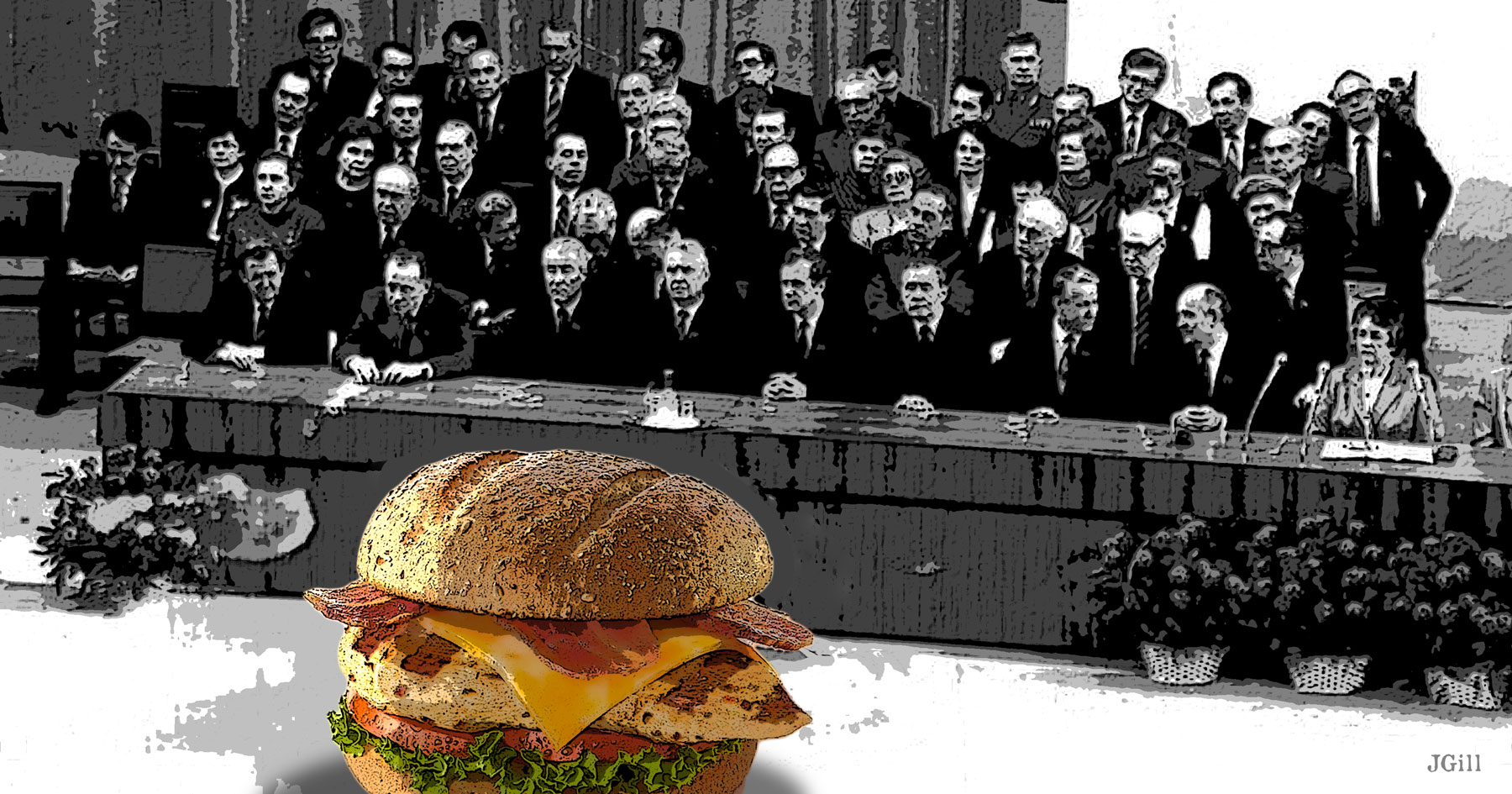
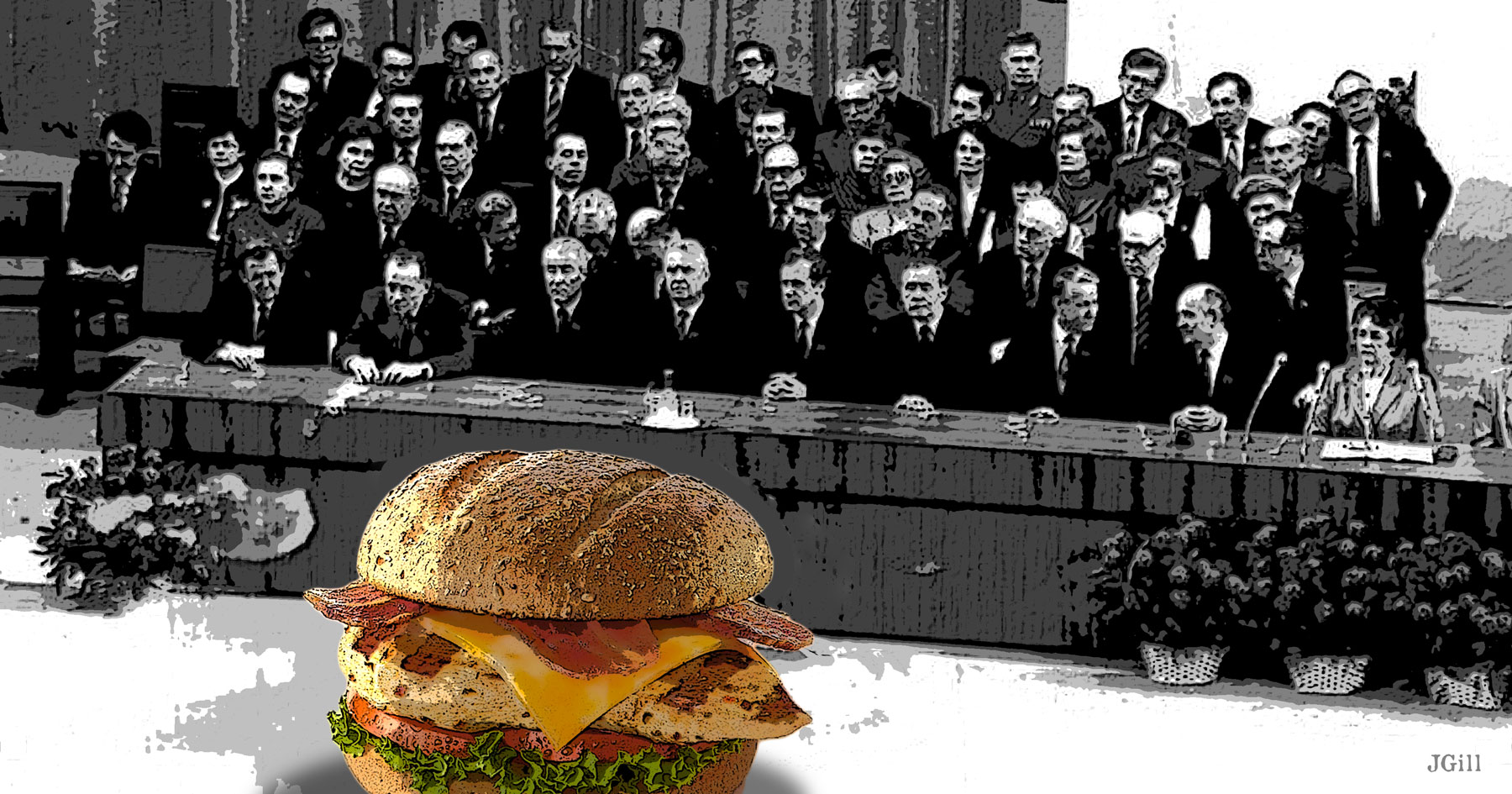
Soviet powersharing Feb 7
On February 7, 1990, the Central Committee of the Soviet Communist Party agreed to give up its monopoly on power, thus ushering the way for the dissolution of the putatively communist empire.
Diverse Drivers’ Data
The idea of a “Surveillance State,” where government watches and records our every move, is usually billed to us as a matter of protection.
That’s sure a good way to sell us tyranny.
True, we do sometimes receive protection from governments that keep tabs on us about what we do, where we go, who we see. But if this sort of thing doesn’t also give you the creeps, I am at a loss.
I hear from friends in the Libertarian Party of Virginia, where I live, that bills pending in the State House and Senate would limit the length of time state and local governments may keep data on citizens’ driving habits.
Right now, governments collect a lot of information via license-plate reading cameras, and there are no legal limits on how long the information can be kept; some jurisdictions do keep data indefinitely. AAA Mid-Atlantic, an automobile service organization, is backing the legislation, pushing for a legal limit. “AAA believes that the retention period should be limited to the time necessary to compare it with local and national crime data banks,” a press release states, adding that the limit should reflect the rather short amount of time required, which is “a matter of hours or days, not months or years.”
We don’t advocate limits on this kind of data to protect criminals, but to reduce temptation to those folks in government who might abuse their positions for personal gain or bureaucratic mission creep.
Governments tracking and recording our every move just isn’t safe — even if our safety is the professed goal.
This is Common Sense. I’m Paul Jacob.