Categories
links

Townhall: Citizens Against Virtually Everything

Politicians like to spend citizens’ money. But what about those citizens? They tend to want to spend their own money, and not give it up to politicians to spend. Thus, one of the great political tensions of our time. Click on over to Townhall.com for this week’s foray into local politics and the idea of citizens being in charge.

Then come back here for more reading:

Categories
video

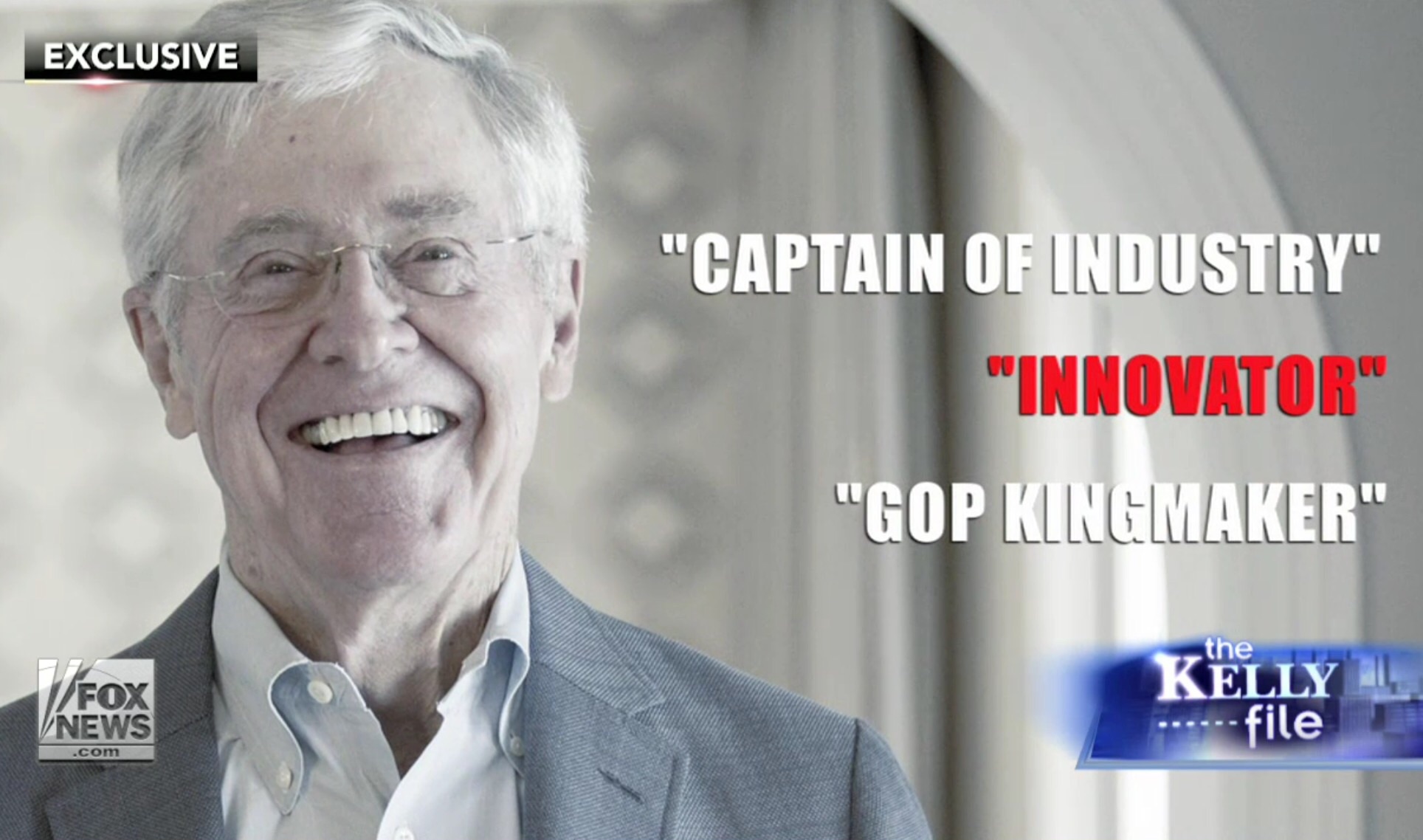
Video: Charles Koch, Man vs. Myth

There is no one hated more by today’s “progressive” left than Charles Koch and his younger brother David, the captains of industry and philanthropists. Why? Because they are EVIL? Or just because of their sometimes surprisingly effective political patronage?

So, this interview of Charles Koch, by Megyn Kelly of Fox News, is worth looking at:

The second half of the interview:

Categories
Thought

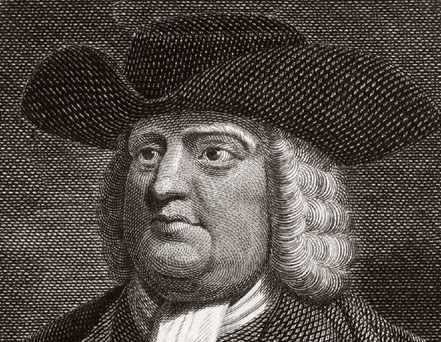
William Penn

“A good End cannot sanctifie evil Means; nor must we ever do Evil, that Good may come of it.”


William Penn, Some Fruits of Solitude, #537

Categories
folly national politics & policies

A Tunnel with No Light

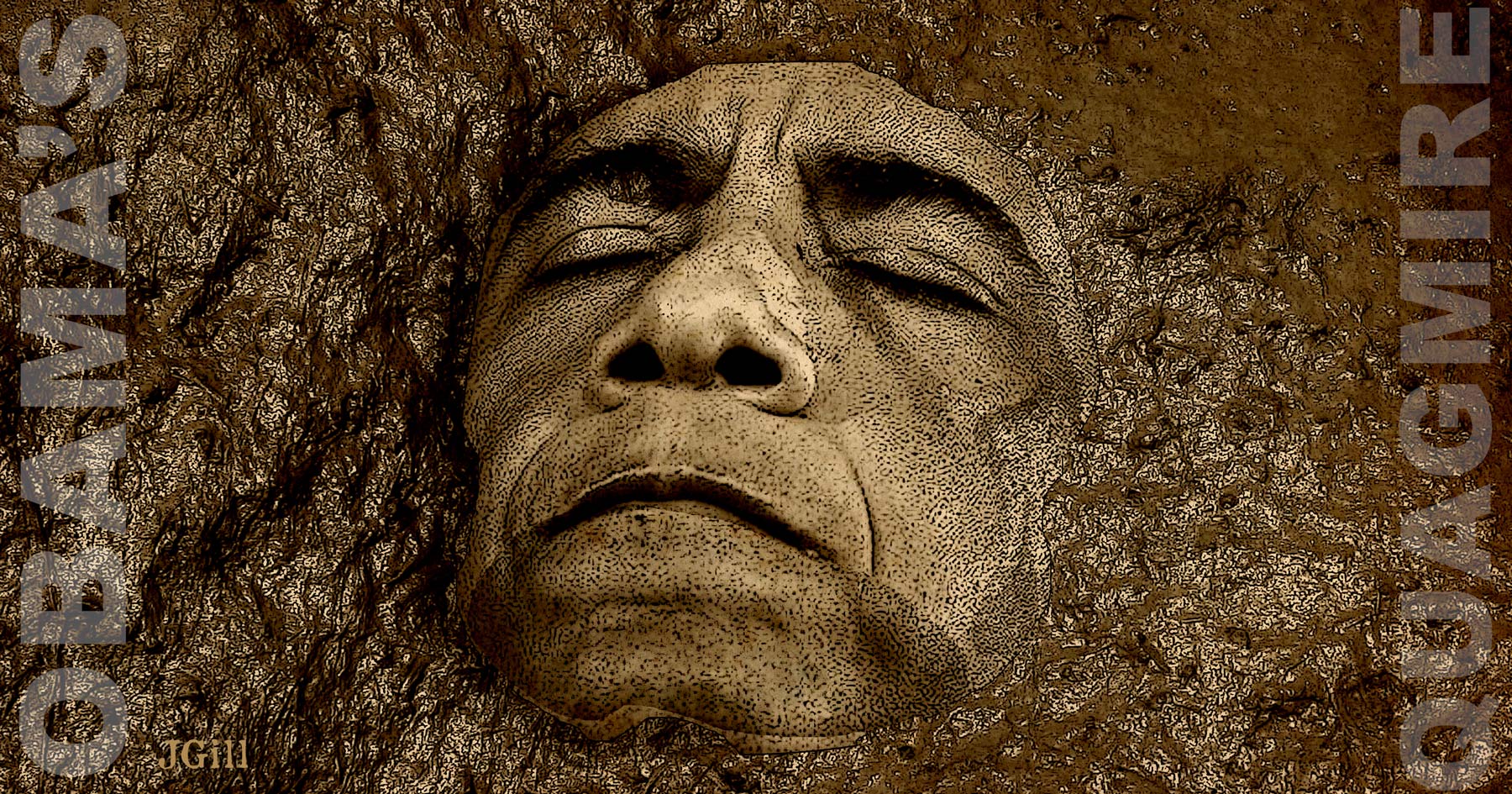
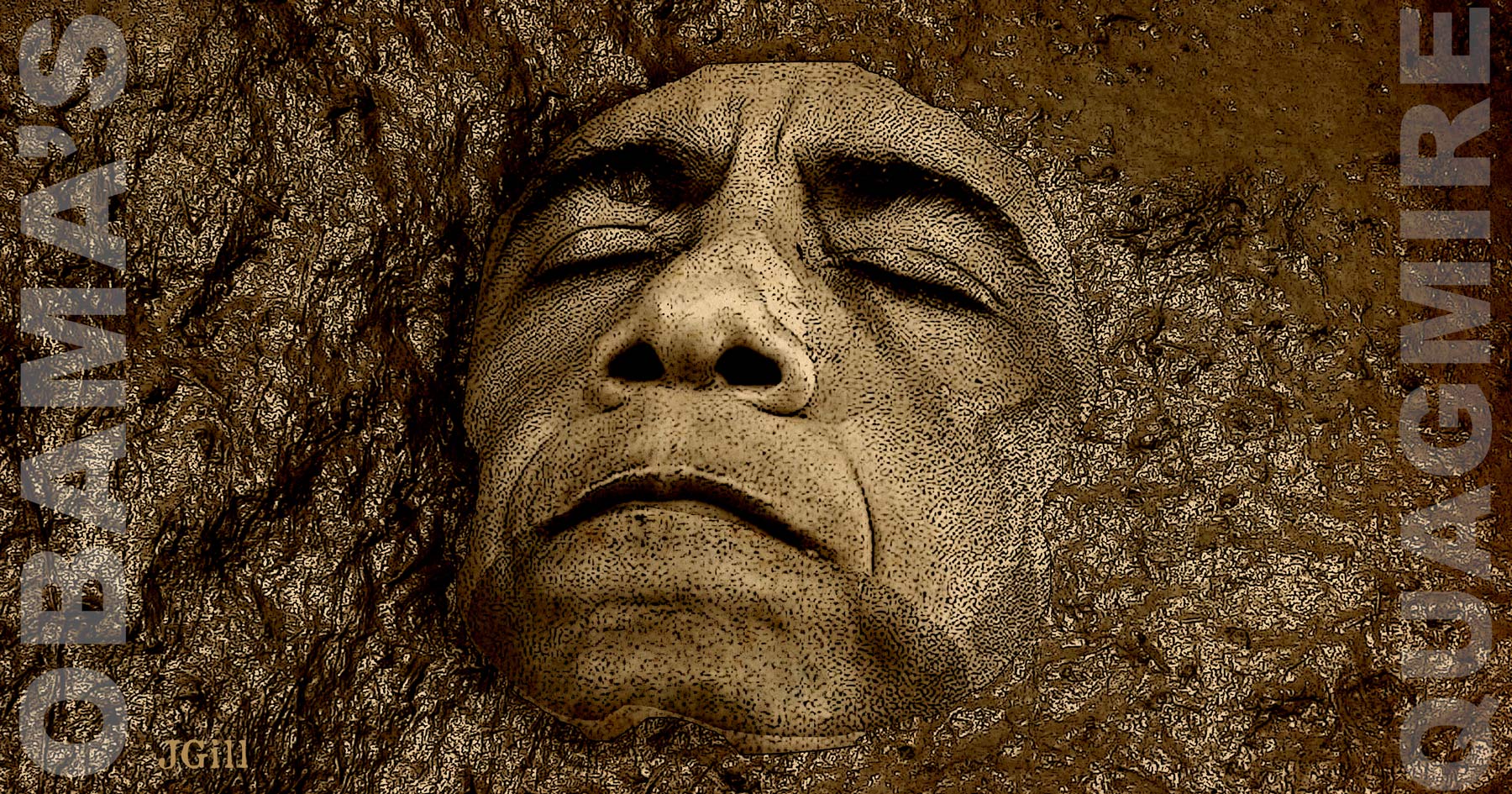
President Barack Obama pledged we’d be out of Afghanistan by 2016, but yesterday announced a “modest but meaningful extension of our presence” — keeping the 10,000 troops currently stationed there for all of 2016, and then, in perpetuity, maintaining a force five times larger than previously planned.

Why? Because, after 14 years of conflict and nation-building, Afghanistan is still neck-deep in violence. Last month, the Taliban briefly captured Kunduz, a city of over 250,000 people. Going forward, Obama admitted, “There will continue to be contested areas.”

The Afghan government is not self-sustainable and nobody seems to know how many years or decades or centuries that might take to achieve.

Meanwhile, over in Syria, the U.S. cannot train more than four or five moderate soldiers after much bluster and promise — and splurging a cool $500 million.

The U.S. invaded and “regime-changed” Iraq, helping shape a new government and national army. With all that effort — a cost of thousands of lives — once our soldiers weren’t doing the daily fighting to tamp down the bloody sectarian chasm, ISIS formed, the Iraqi army ran away and the country soon collapsed into civil war.

The Iraq Conquest put southern Iraq into Iranian orbit. How many lives was that worth?

The problem? Not military incompetence. The mission is the problem. Has any politician or military leader plausibly put forth a plan whereby our country’s intervention actually creates an improved and sustainable political order in any of these nations?

If so, let’s see it.

If not, why are our soldiers still in harm’s way?

This is Common Sense. I’m Paul Jacob.


Printable PDF

Obama, quagmire, foreign policy, Afghanistan, Syria, war, collage, photomontage, JGill, Paul Jacob, Common Sense


Categories
Thought

Ernest Bramah

“One cannot live for ever by ignoring the price of coffins.”

Ernest Bramah, Kai Lung Unrolls His Mat

Categories
folly ideological culture meme nannyism national politics & policies political challengers too much government

All Those Egos, One Basket

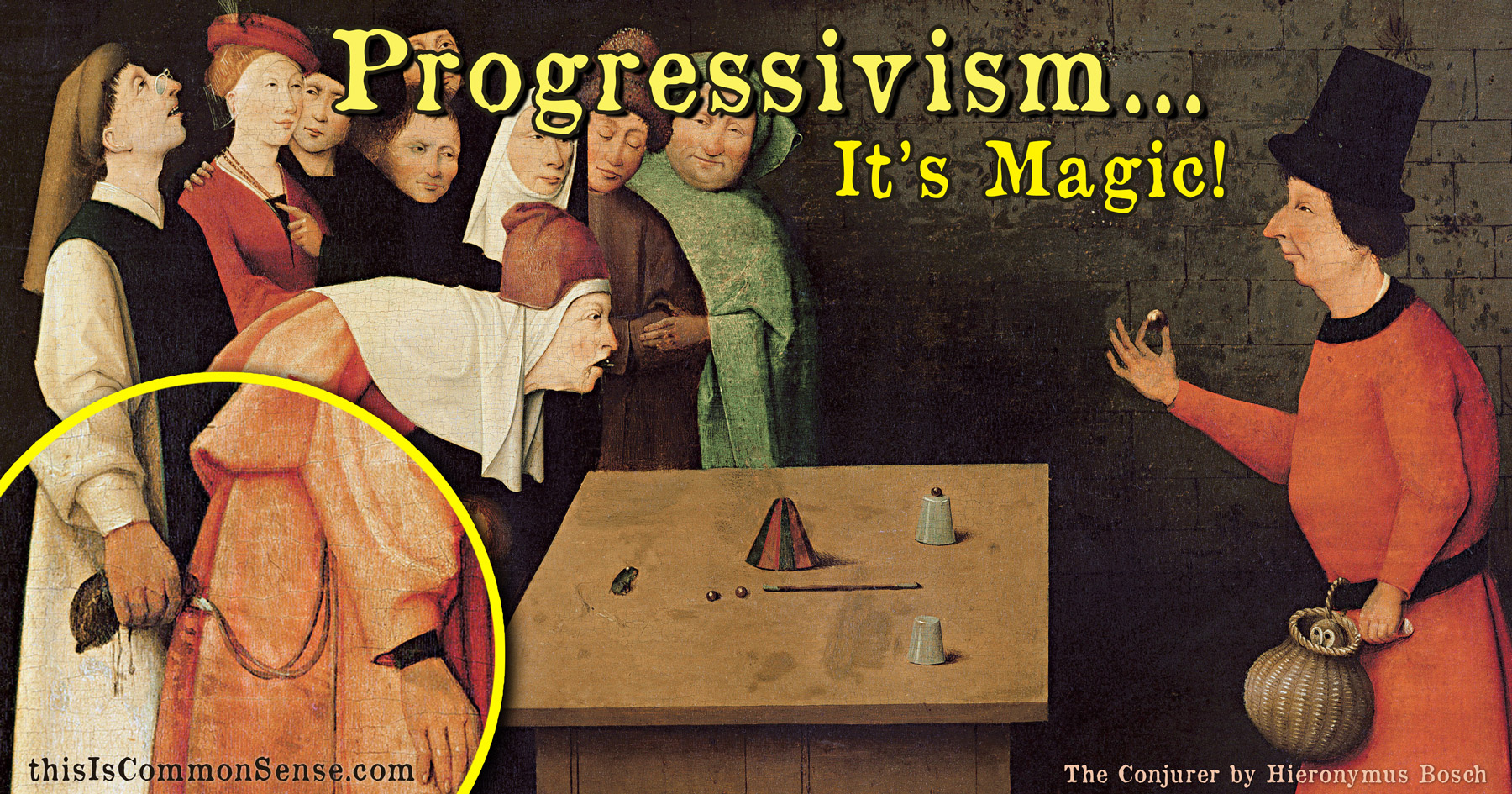
In Tuesday night’s debate, Democrats  put all their egos in one ideological basket: progressivism. Even Jim Webb managed to sound progressive . . . until he identified his prime personal enemy — the man he shot in wartime.

Bernie Sanders once again insisted on lecturing Americans on what it means to be a “democratic socialist.” Martin O’Malley relentlessly pursued an impossible dream, 100 percent carbon-free electric production by 2050 — far enough off to avoid any possible accountability. And Hillary Clinton said that, sure, she’s a progressive, “a progressive who likes to get things done!”

But what has she “got done,” ever?

It was her secrecy regarding the initial health care reforms back in her husband’s first term that helped spark the firestorm of opposition that led to the Revolution of ’94, and to the triangulating successes of the master of manipulative compromise, Bill Clinton. His was not a “progressive era,” though Democrats still use the 1990s as proof that their (“our”) policies “work.”

With exception of Bernie on gun control and Hillary on foreign policy and spying (Snowden gave out secrets to the enemy: traitor; she gave out who-knows-what via her insecure email server: blankout), the spend-spend-spend mantra of progressivism, mixed with “fair taxes” (higher tax rates) on the top 1 percent, was not challenged on the stage.

How far would they go to close ranks? Bernie sided with her regarding “your damned e-mails.” That’s so ideological as to eschew any consideration of character or loyalty or trust.

Quite a revolution . . . in the party.

This is Common Sense. I’m Paul Jacob.


Printable PDF

progressivism, meme, progressives, magic, Paul Jacob


Categories
meme

Hillary’s Accomplishments

“I’m a progressive who likes to get things done.”

—Hillary Clinton


Click the image below for a high resolution version:

I'm a progressive who likes to get things done, Hillary Clinton, accomplishments, meme, Paul Jacob, Common Sense, progressive, progressivism


Categories
Thought

William Penn

“Right is right, even if everyone is against it, and wrong is wrong, even if everyone is for it.”


William Penn

Categories
general freedom individual achievement responsibility tax policy

Plotting Progress

The prestige of the Nobel Peace Prize has been tarnished by some more-than-dubious awards, in our time . . . Henry Kissinger and Barack Obama, most obviously.

Same goes for the Bank of Sweden’s knock-off “Memorial” prize for economics.

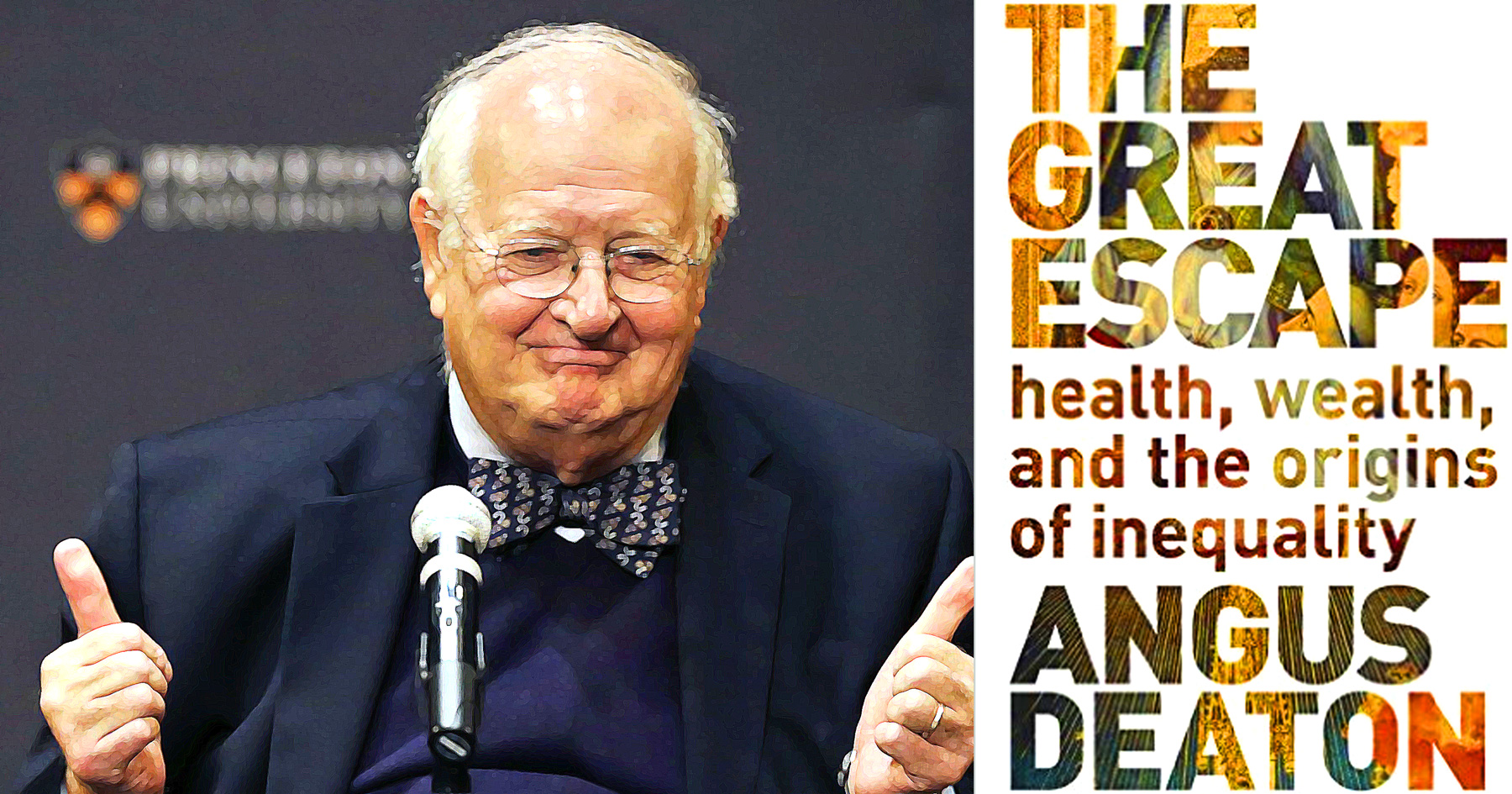
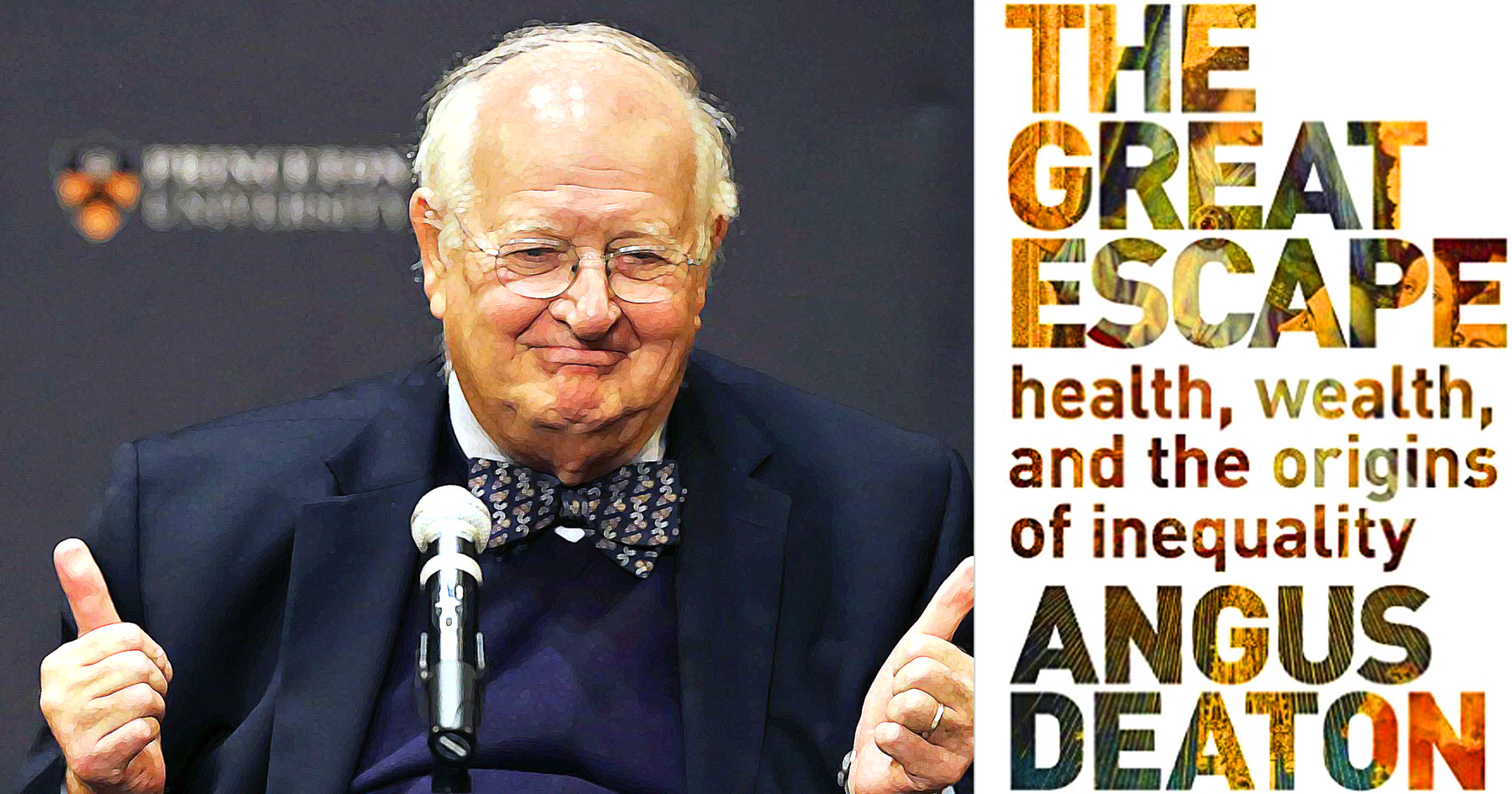
But, according to David R. Henderson, this week’s Nobel nod to Scottish-born Angus Deaton, for his “analysis of consumption, poverty and welfare,” is “a fine pick.”

Deaton is, writes Henderson, “an important chronicler of the market’s abilities to create wealth and improve society.”

While it is all the rage, these days, to complain about increasing inequality, Deaton has been instrumental in showing that wealth, health and welfare have increased as poverty, worldwide, has decreased.

And this has been largely the result of markets. Not big government programs.

Deaton, Henderson tells us, “believes that the approximately $5 trillion given by governments of rich countries to poor countries over the past 50 years has undercut good governance by making poor countries’ leaders less accountable to their own citizens.”

ABC News seconds Henderson’s account:

In his 2013 book, The Great Escape, Deaton expressed skepticism about the effectiveness of international aid programs in addressing poverty. . . . China and India have lifted tens of millions of people out of poverty despite receiving relatively little aid money. Yet at the same time, poverty has remained entrenched in many African countries that have received substantial sums.

Peter G. Klein, at mises.org, identifies a deeper insight by the latest Nobel economist: “aggregate measures of consumption and inequality conceal important differences among individuals.” This explains why Deaton came to his other (controversial) conclusions: he never took his eye off the real player in market life, the individual.

This is Common Sense. I’m Paul Jacob.


Printable PDF
Angus Deaton, Nobel Prize, Economics, The Great Escape, Inequality, collage, photomontage, JGill, Paul Jacob, Common Sense


Categories
Thought

Albert Jay Nock

The practical reason for freedom is that freedom seems to be the only condition under which any kind of substantial moral fiber can be developed — we have tried law, compulsion and authoritarianism of various kinds, and the result is nothing to be proud of.

Albert Jay Nock, “On Doing the Right Thing,” The American Mercury (1925).