The political economy of a popular obsession….
Categories
Video: Sports Stadia
The political economy of a popular obsession….
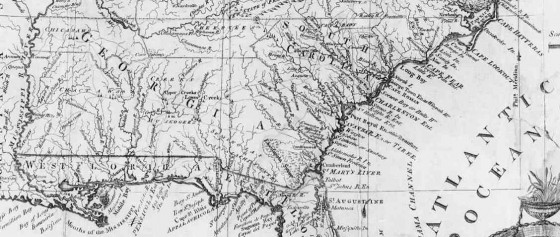
On January 2, 1788, Georgia became the fourth state to ratify the United States Constitution.
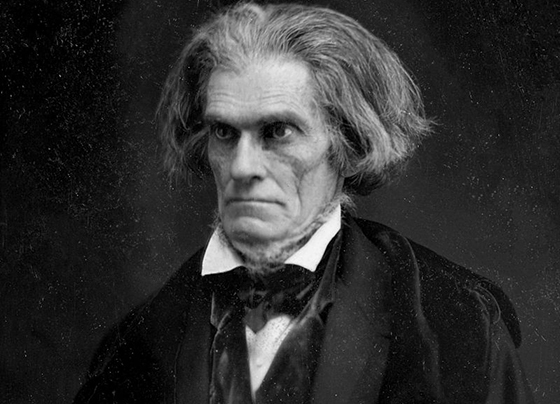
“It is harder to preserve than to obtain liberty.”
John Caldwell Calhoun, in a speech (January 1848) delivered on the Senate floor.
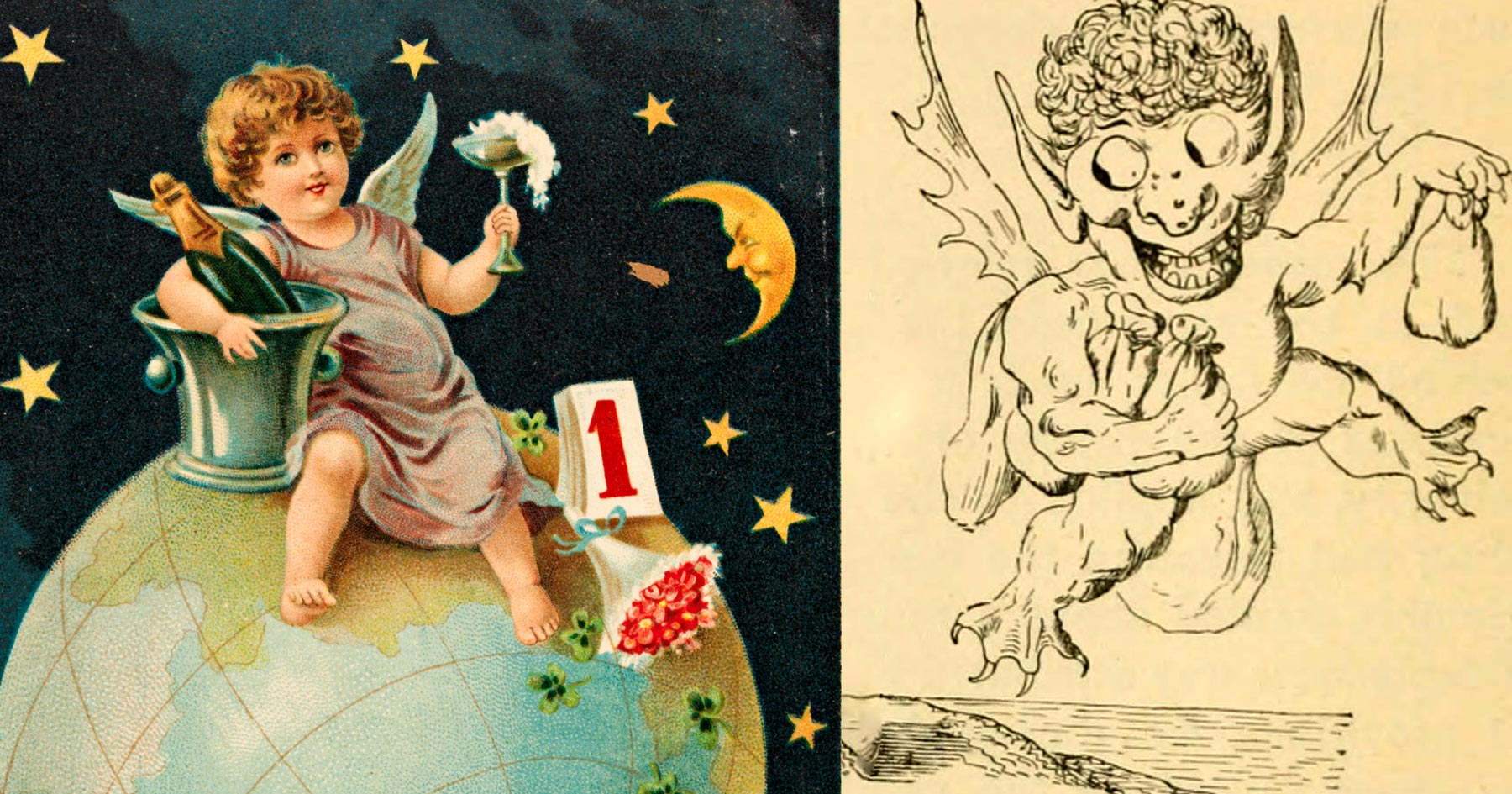
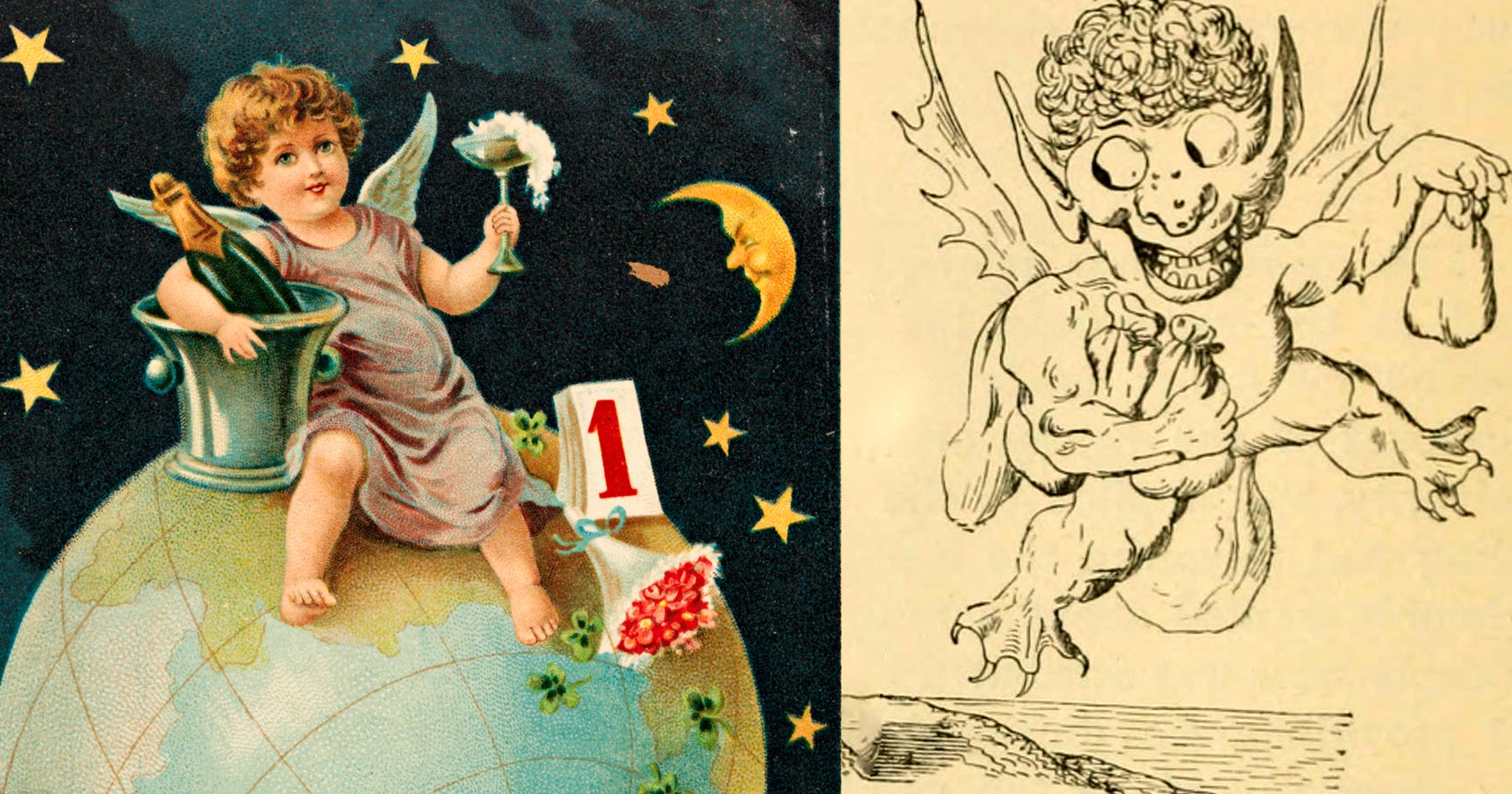
Today’s the traditional day for New Year’s “Resolutions,” but instead of resolutions, how about some solutions?
Sure, Thomas Sowell has sagely reminded: there are no solutions in social life, only trade-offs.
But, utopian perfection aside, let’s agree that some changes would be better than others, and, let us resolve to solve some nagging problems — or at least trade up. And since the really nagging problems are political . . .
For Republicans: this could be the year to give up on government as society’s chief moral agent, empowered to regulate everybody’s medicine cabinets and bloodstreams. End the failed War on Drugs, with legalizing marijuana the simplest first step. Vice will continue, as it always has. But it’s another kind of vice to think that force, policing and imprisoning folks, will “solve” the problem. Much less even reduce the availability of drugs.
For Democrats: this could be the year to give up on government as micromanager of markets — and people’s marketplace choices. Face it: folks will make decisions that liberals don’t like. They’ll eat at McDonalds and buy large sodas — and the wrong stocks. And guns! But adding to the mass of regulations doesn’t make consumers choose better, it makes stuff more expensive and business less open to competition. Indeed, almost all the regulations designed to help “the little guy” backfire, helping big business by hobbling their upstart competitors.
Our leaders, at present, cannot even balance budgets. They are addicted to debt. To pretend we must have more and more government to prevent our addictions or save us from personal debt is ludicrous.
Can we resolve to stop pretending that bigger government is always the solution?
This is Common Sense. I’m Paul Jacob.
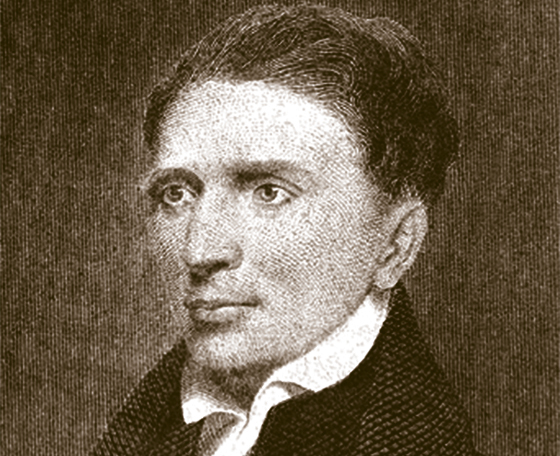
“The people of the United States will discover when too late that they may be enslaved by laws as well as by the arbitrary will of a despot; that unnecessary restraints are the essence of tyranny; and that there is no more effectual instrument of depriving them of their liberties, than a legislative body, which is permitted to do anything it pleases under the broad mantle of THE PUBLIC GOOD — a mantle which, like charity, covers a multitude of sins, and like charity is too often practised at the expense of other people.”
William Leggett, in an editorial in the Evening Post, March 11, 1835 (republished in A Collection of the Political Writings of William Leggett (1840), and titled “The Legislation of Congress”).
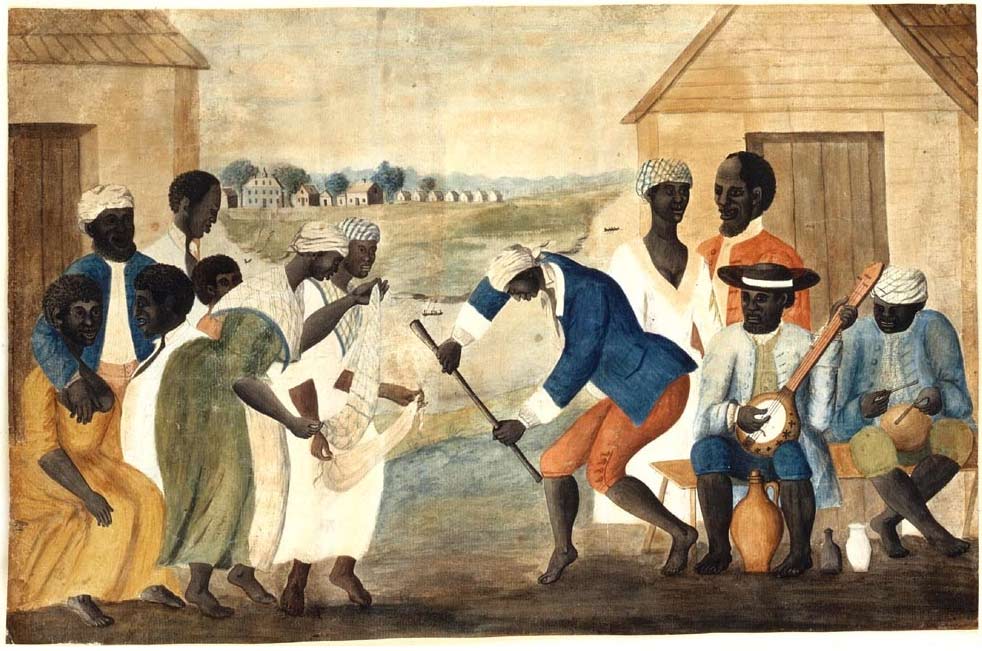
On January 1, 1808, the importation of slaves into the United States was banned.

Presidential candidate John McAfee is an adventurer. Best known for founding the first successful anti-computer virus company, he has also been shot at in tropical jungles, by men trained by U. S. forces, with American-bought guns. This range of experience makes him the most interesting presidential hopeful, bar none.
His big issue is cyber-security. He thinks Americans have placed themselves in a too-precarious position. As he sees it, the war on terror has served as a grand distraction from the real threat, a prime example of doing foreign policy and national security completely upside-down wrong.
He has a point.
But he’s neither a Democrat nor a Republican, and not long ago he realized that his own Cyber Party didn’t have the oomph to get him on the ballot in enough states.
So he has announced his candidacy for the Libertarian Party nomination.
Why? He’s obviously not a libertarian in any strict capital-L sense. But the septuagenarian insists that he has been a libertarian at heart since before the word entered common use.
This is what the Libertarians get for their most obvious success: obtaining and keeping ballot status in more states for more election cycles than any other “minor party.”
Think of the Libertarian Party as the host, and one-time Republicans like former Congressman Bob Barr and former New Mexico Governor Gary Johnson — and now McAfee — as viruses, aiming to commandeer the host’s operating system.
Of course, one might also view the LP as a virus attempting to do the same to the federal government.
Shall we root for the viruses, for once?
This is Common Sense. I’m Paul Jacob.


On December 31, 1695, Englanders received a new tax, a window tax. One of the main responses to this was the bricking up of many British windows.
This last day of the year in 1991 marked the complete cessation of all institutions of the Soviet Union.
New Year’s Eve 1992 saw the peaceful dissolution of Czechoslovakia into the Czech Republic and Slovakia. This has been dubbed the “Velvet Divorce.”
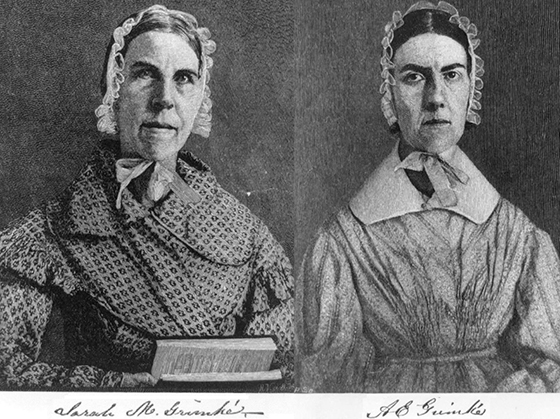
“The system of slavery is necessarily cruel. The lust of dominion inevitably produces hardness of heart, because the state of mind which craves unlimited power, such as slavery confers, involves a desire to use that power, and although I know there are exceptions to the exercise of barbarity on the bodies of slaves, I maintain that there can be no exceptions to the exercise of the most soul-withering cruelty on the minds of the enslaved. All around is the mighty ruin of intellect, the appalling spectacle of the down-trodden image of God.”
Sarah M. Grimké, from An Epistle to the Clergy of the Southern States, New-York, 12th Mo. 1836.
“The Department of Justice announced [last] week that it’s suspending a controversial program that allows local police departments to keep a large portion of assets seized from citizens under federal law and funnel it into their own coffers,” reports the Washington Post.
The Feds call the paused program “equitable sharing”; as I explained last month, I call it “equitable stealing.”
Even when state and local laws prohibit it, local police have been using this federal program to continue taking people’s money and property without ever convicting them of a crime.
The loophole? They split the loot with the Feds.
Now that has ended. According to the Post, this is the result of “budget cuts” in the recently passed omnibus spending bill; the Wall Street Journal calls it a “reallocation of funds.”
Either way, Happy Holidays!
Yet, sadly, the return to freedom, justice and the American Way may be short-lived.
“The Department does not take this step lightly,” wrote M. Kendall Day, the chief of DOJ’s Asset Forfeiture and Money Laundering Section. “We explored every conceivable option that would have enabled us to preserve some form of meaningful equitable sharing. . . .”
In his letter, he proclaiming a commitment to the principle of guilty-until-proven-innocent and to grabbing people’s stuff, telling state and local and tribal police departments, “We will take all appropriate and necessary measures to minimize the impact of the rescission and reinstate sharing distributions as soon as practical and financially feasible.”
As the Wall Street Journal editorialized, “Congress should make sure that never happens.”
Of course, Congress will likely need a mighty nudge from us.
This is Common Sense. I’m Paul Jacob.