We laugh at honor and are shocked to find traitors in our midst.
C. S. Lewis, The Abolition of Man (1943).
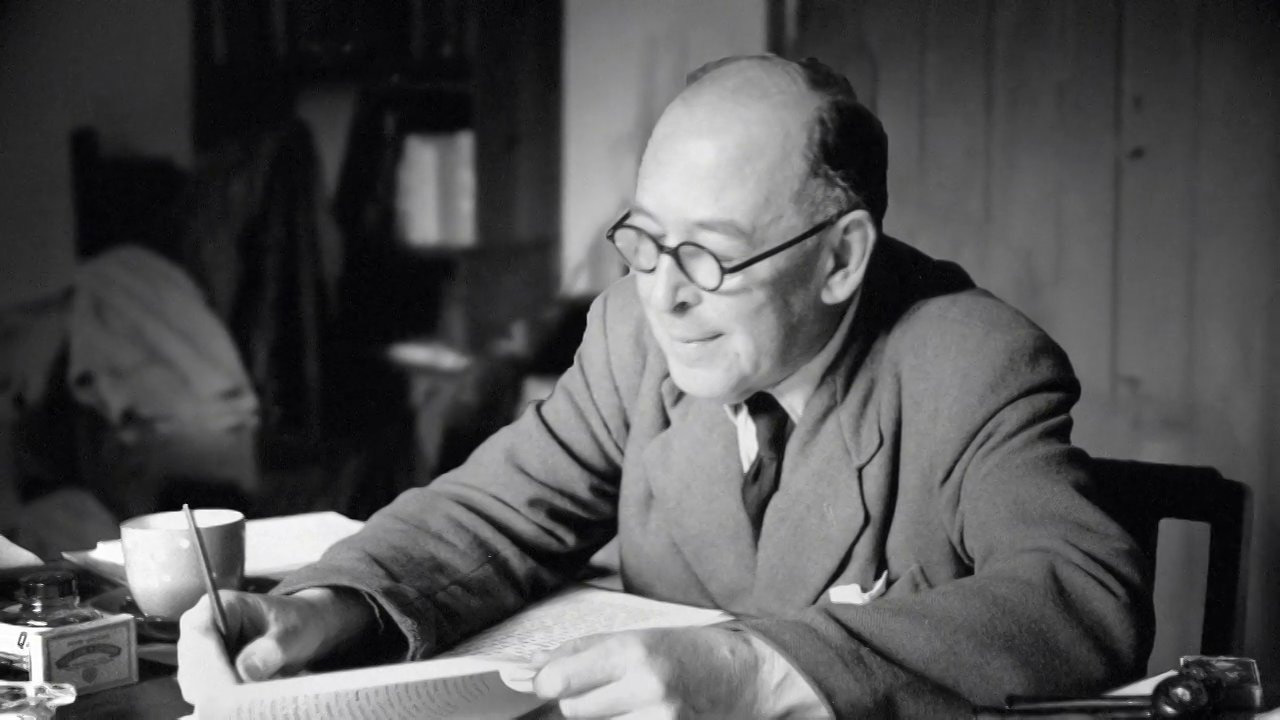
We laugh at honor and are shocked to find traitors in our midst.
C. S. Lewis, The Abolition of Man (1943).
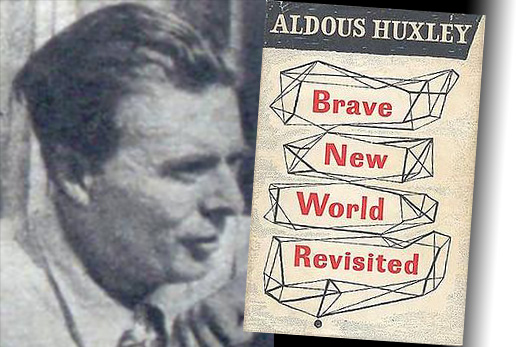
November 22 marks the death dates of a number of eminent writers, including that of English-American novelist and essayist Aldous Huxley and Irish-English novelist, theologian and medieval scholar C.S. Lewis, both of whom died in 1963, the same day as the assassination of American President John F. Kennedy. British novelist Anthony Burgess died exactly 30 years later.
The date also marks the birth of the great British novelist George Eliot (Mary Ann Evans), in 1819.
Recommended reading from these authors include:
Silas Marner (1861), a short and brilliant novel by George Eliot. Her most generally esteemed classic is the much longer Middlemarch (1872).
Earthly Powers (1980), a massive novel about life in the 20th century, by the ever-iconoclastic and hard-to-pin-down Anthony Burgess. His most famous novel is undoubtedly A Clockwork Orange (1963).
“The Humanitarian Theory of Punishment” (1949) and Till We Have Faces (1956), the former being C.S. Lewis’s thoughtful essay on the nature of modern tyranny, and the latter being what some regard his best novel, a retelling of the Psyche myth.
Brave New World (1931) and Brave New World Revisited (1958), the former is Aldous Huxley’s classic dystopian satire on technological tyranny, and the latter is the author’s survey of the issues raised by — and the degrees to which reality conforms to — his earlier fictional prophecy. The two books are often to be found printed under one cover.

When I arrived at the Donostia-San Sebastián City Hall, in the beautiful Basque Country of Spain, I wondered what all the ruckus was about. There were hundreds of noisy protesters waving long, colorful banners.
My goodness, how interesting to witness acts of political agitation on the public square in another country, I thought. Then, atop the crowd some 20 feet opposite the protest, I spied Daniel Schily, a key activist, funder and cheerleading motivator of the direct democracy movement in Germany.
After greeting, he drily brought me up to date: “They’re protesting us.”
“No, really,” I asked, “what are they protesting?”
“Really,” he said, seemingly sincere. “They’re protesting the Global Forum.”
I stood there dumbstruck, for a moment, before I noticed one sign written in English: “Global Forum on Modern Direct Democracy,” with a very large, black, bold question mark beside it.
Schily wasn’t kidding.
In almost no time, I met up with friends from Bulgaria, South Korea, Uruguay, Chile — fellow activists, all. We had gathered in this “cultural capital of Europe” precisely because of our belief that all people have a right to not only speak out, but effect change, through ballot initiatives and referendums.
It turned out that the protestors hailed from the Satorralaia neighborhood movement. Their beef? Even after gathering nearly 9,000 signatures on petitions requesting a public referendum on a proposed through-station for the mass-transit metro system project, the city government shrugs.
The same city council that helped organize our forum, ignoring citizens while claiming the city is “The World Capital of Democracy.”
Government. What more proof do we need that it could use more checks and balances from the people themselves?
This is Common Sense. I’m Paul Jacob.
N.B. This is a Common Sense digest version of Paul’s weekend column. For more information, see Saturday’s and Sunday’s posts. Paul was in transit home when this entry was being prepared for the Web; he may offer further reports from his trip in the near future.

On November 21, 1620, Plymouth Colony settlers signed the Mayflower Compact.
On this day in 1922, Rebecca Latimer Felton of Georgia took the oath of office, becoming the first female United States Senator.
November 21st birthdays include:
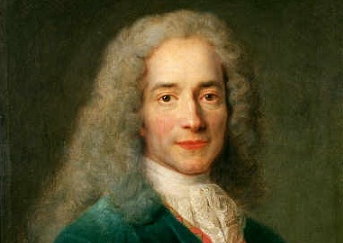
1694 – Voltaire, French philosopher (d. 1778) — portrait above
1729 – Josiah Bartlett, American signer of the Declaration of Independence (d. 1795)
1870 – Alexander Berkman, anarchist (d. 1936), who shot but did not kill industrialist Henry Clay Frick
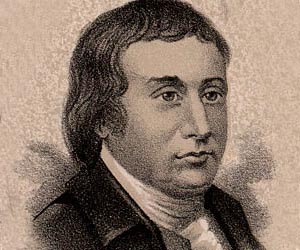
Of all the vices incident to man, lying is the most mean, most contemptible; it evinces a very weak, depraved heart, which shrinks at the exposure of motives and of actions.
Josiah Bartlett, chief executive, president, and governor of the State of New Hampshire, and before that delegate to the Continental Congress — not to be confused with the fictional U. S. President played by Martin Sheen on The West Wing.
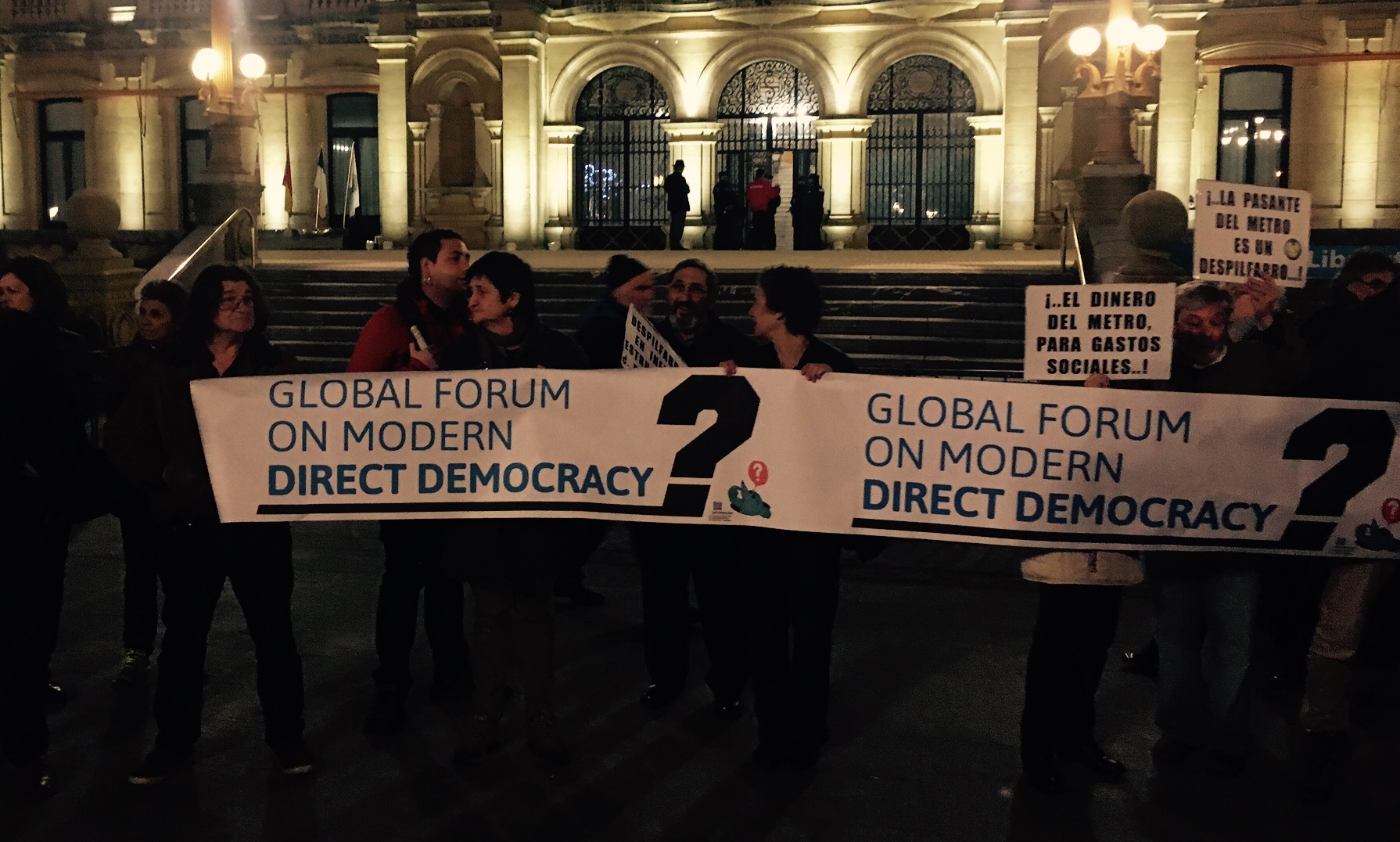
Paul Jacob was in Europe last week, at a conference. Which was not without its ideological conflicts — on the streets. Click on over to Townhall, then come back here for street-ready ideas.

There is worldwide pigheadedness about money. There is a willful and even belligerent ignorance concerning ways and means. . . . Not all this ignorance is irrational. Economists, for instance. John Maynard Keynes couldn’t have become a big shot, guiding government intervention in business and finance, if it hadn’t been for the Great Depression. And Alan Greenspan is a success because we all lost our wallets when inflation scared our pants off.
P. J. O’Rourke, Eat the Rich: A Treatise on Economics (1998), p. 235.

From an interview on Swiss public television, Paul Jacob explains the Trump victory for concerned Europeans:
http://youtu.be/96WgWGxFWZQ
An article featuring Paul can be found here: “Election upset to boost direct democracy in US.”
Paul is scheduled to return to his home soil next week.
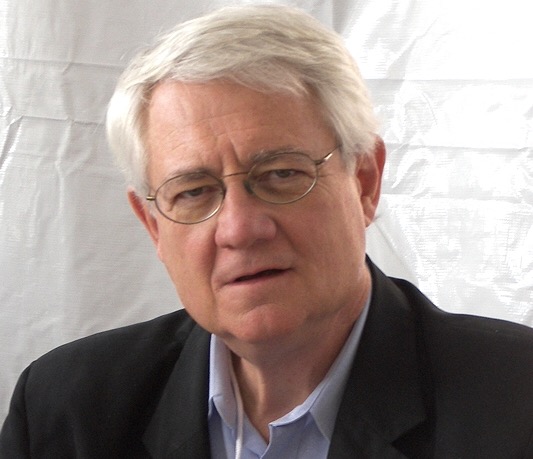
A good heavy book holds you down. It’s an anchor that keeps you from getting up and having another gin and tonic.
Roy Blount, Jr., “Reading and Nothingness, Of Proust in the Summer Sun,” New York Times (June 2, 1985).
On November 19, 1863, President Abraham Lincoln delivered the Gettysburg Address at the ceremonial dedication of the military cemetery in Gettysburg, Pennsylvania, appropriating an old phraseology for republican government — “of the people, by the people, for the people” — and giving it its most memorable usage.
On the same date in 1955, National Review published its first issue.